

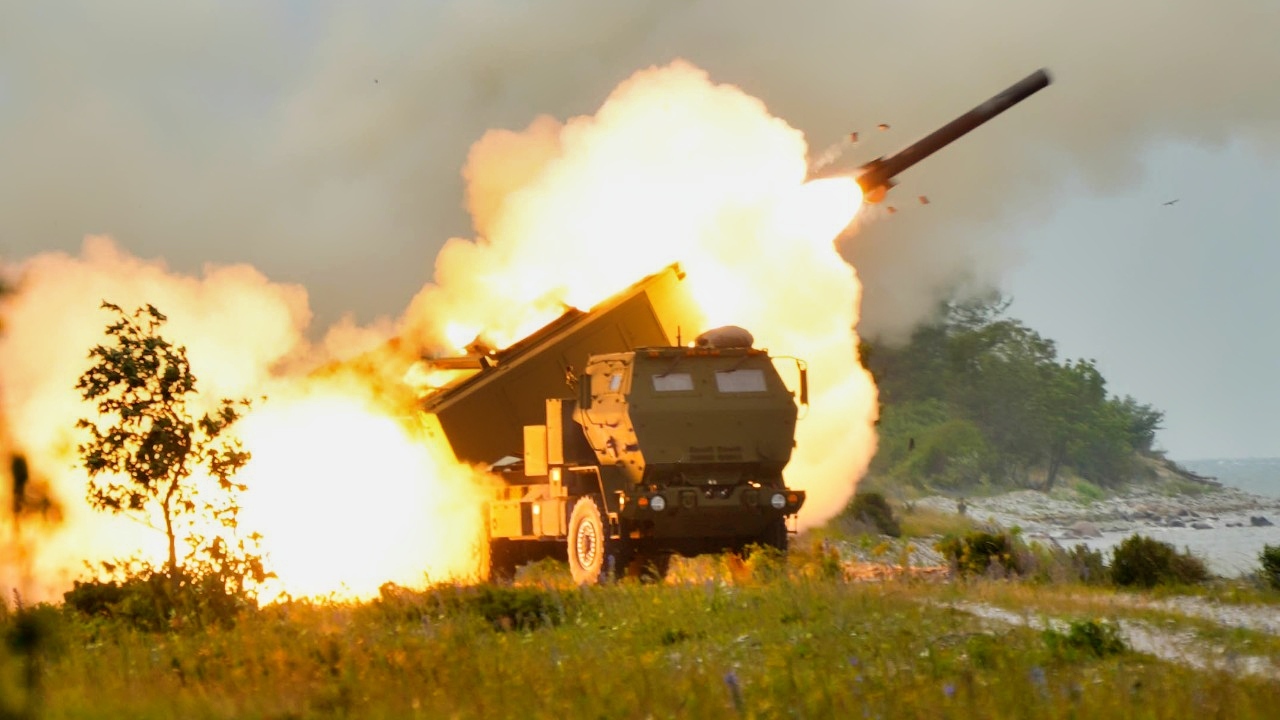
In another sign of Ukraine’s growing prowess in the air, Kyiv on Tuesday said that nearly a dozen additional Russian vessels had been targeted by Ukrainian drones.
Writing on his Telegram channel, the commander of Ukraine’s drone forces, Robert Brovdi, perhaps better known by his call sign Magyar, gave an update. “Over the past 9 days, 116 vessels have been intercepted by the SBS ‘Birds’ in the Sea of Azov as part of the ongoing operation against Russian vessels. ” ” His latest update listed the vessels that had been successfully targeted: 5 tankers, 5 dry cargo ships, and 1 tugboat. “The shadow fleet is dwindling,” he wrote, but added that “it must disappear as a species.”
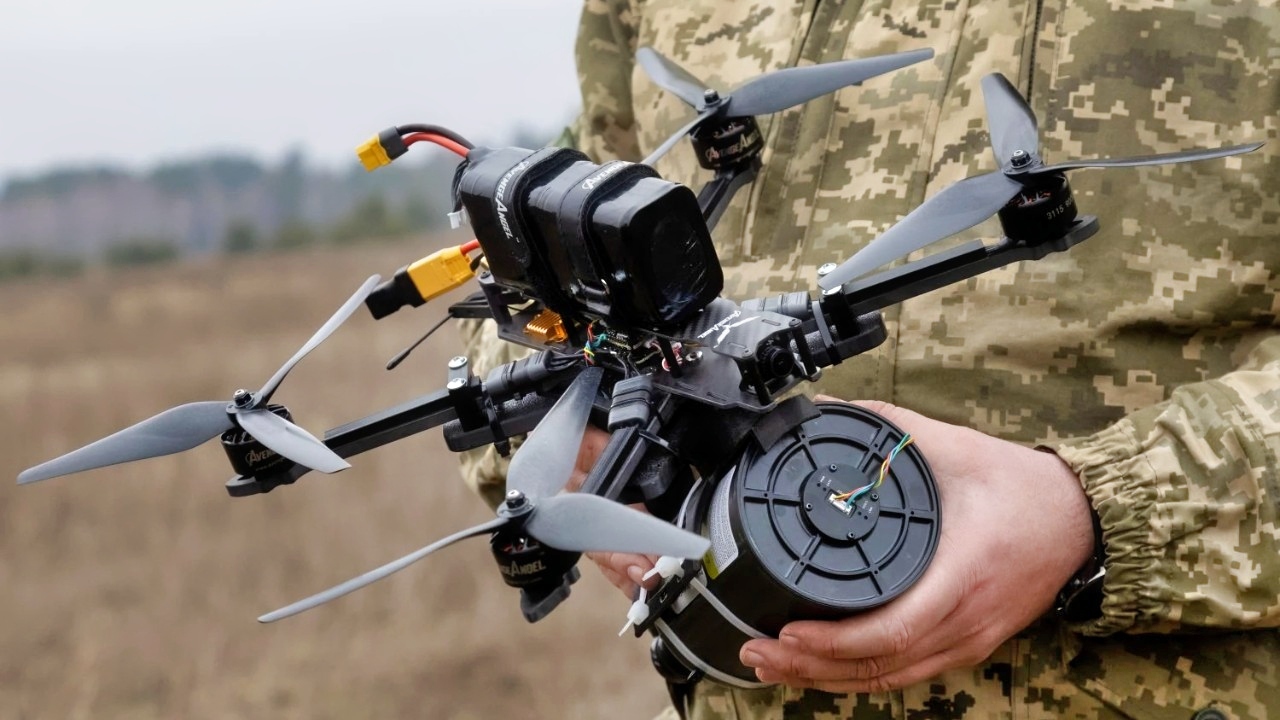
Ukraine Drone. Image Credit: Creative Commons.
The campaign, the commander explained, is aimed in part at exacerbating a fuel shortage in Crimea, the Ukrainian peninsula annexed by Russian forces in 2014, and forcing a shift in energy transportation to land-based routes that are particularly vulnerable to attack.
The Sea of Azov
Ukraine has stepped up its drone attacks on Russian shipping, in particular in and around the Sea of Azov, the body of water connected to the Black Sea via the Kerch Strait. Interestingly, Ukraine seems less intent on sinking the ships than on disabling them, and attacks appear to have been focused on damaging the Russian ships’ propulsion systems and loading equipment to keep them out of service.
While Russia has some flexibility in rerouting shipments of goods, including fuel, grain, and other agricultural products, to other routes, overland options are both slower and more expensive than shipping. But they are also vulnerable to a Ukrainian attack. While cargo destined for customers abroad could be shipped via Russia’s ports on the Baltic Sea or elsewhere on the Black Sea, Ukraine has made it vividly clear that Russia cannot defend itself everywhere all the time.
Late last week, Russia moved to stop shipping grain through the Don-Azov Channel, which connects the Sea of Azov to Russia’s Don River. Russia, the world’s largest grain exporter, could see up to a quarter of its grain exports affected by the temporary halt to shipping, Reuters reports.

Shahed Drone from Ukraine. Image Credit: Creative Commons.
An Energy Squeeze
Thanks to recent Ukrainian attacks on logistics and oil infrastructure in Crimea, occupation authorities on the peninsula announced that they would limit power supplies. Writing on Telegram, Mikhail Razvozhayev, the head of Russia’s puppet government in Sevastopol, one of the largest cities in Crimea, said that two-hour power windows would be followed by six-hour blackouts.
“I understand how difficult this is, which is why we are doing everything possible to stabilize the situation. A team of specialists is currently working to reconfigure the system and deploy all available reserves,” Razvozhayev wrote. “Our goal is to reduce the shortfall by this evening and make outages and switching operations less frequent.”
The announcement by the Kremlin-installed leader of Russia’s occupational government underscored how deeply Ukraine’s campaign against Russian gas and oil infrastructure has been. That unfolding campaign has put Russia’s refining and export capacity in its crosshairs, aiming to hit the Kremlin’s coffers hard — and to drastically reduce the funding that Moscow has used to prosecute its incredibly costly war against Ukraine.
The strikes against Russia’s energy infrastructure are part of what Ukrainian President Volodymyr Zelensky has called his country’s “long-range sanctions” regime against Russia. As a part of that effort, oil refineries and transportation infrastructure around Russia have found themselves vulnerable to Ukrainian long-range strike drones as well as Kyiv’s home-grown cruise missiles. The effects have been acute.
In recent weeks, Russian social media has been rife with images and videos of domestic oil and gas infrastructure billowing acrid black smoke into the air. Long lines for fuel at gas stations have also been widely reported, in many instances thousands of miles from the front lines of Ukraine.
And while the still-unfolding campaign crimps Russia’s ability to fund its war against Ukraine, it has also served to puncture the veneer of insulation from the war that the Russian public has largely enjoyed.
Sitting Ducks
Speaking to Reuters about the unfolding situation in the Sea of Azov, one industry source did not mince their words. “They [Russian vessels] are standing there like targets before a firing squad. In a couple of days, there won’t be a single intact boat left in the Sea of Azov, only damaged ones.”
About the Author: Caleb Larson
Caleb Larson is an American multiformat journalist based in Berlin, Germany. His work covers the intersection of conflict and society, focusing on American foreign policy and European security. He has reported from Germany, Russia, and the United States. Most recently, he covered the war in Ukraine, reporting extensively on the war’s shifting battle lines from Donbas and writing on the war’s civilian and humanitarian toll. Previously, he worked as a Defense Reporter for POLITICO Europe. You can follow his latest work on X.


