

How the Drone War Is Changing Lives in Ukraine – Russia’s ongoing missile and drone campaigns against Ukraine have killed dozens of people around Kyiv in barely more than a week. The strikes have damaged homes and infrastructure, and what used to be overnight attacks have become prolonged campaigns intended to intimidate the government in Kyiv and generate enough political pressure to push President Volodymyr Zelenskyy to call off his own long-range campaign.
The tactics haven’t worked so far, and those Russian strikes are causing significant damage and changing lives throughout Kyiv and the rest of Ukraine.

Tu-22M3 Bomber Russian Air Force. Image Credit: Creative Commons.
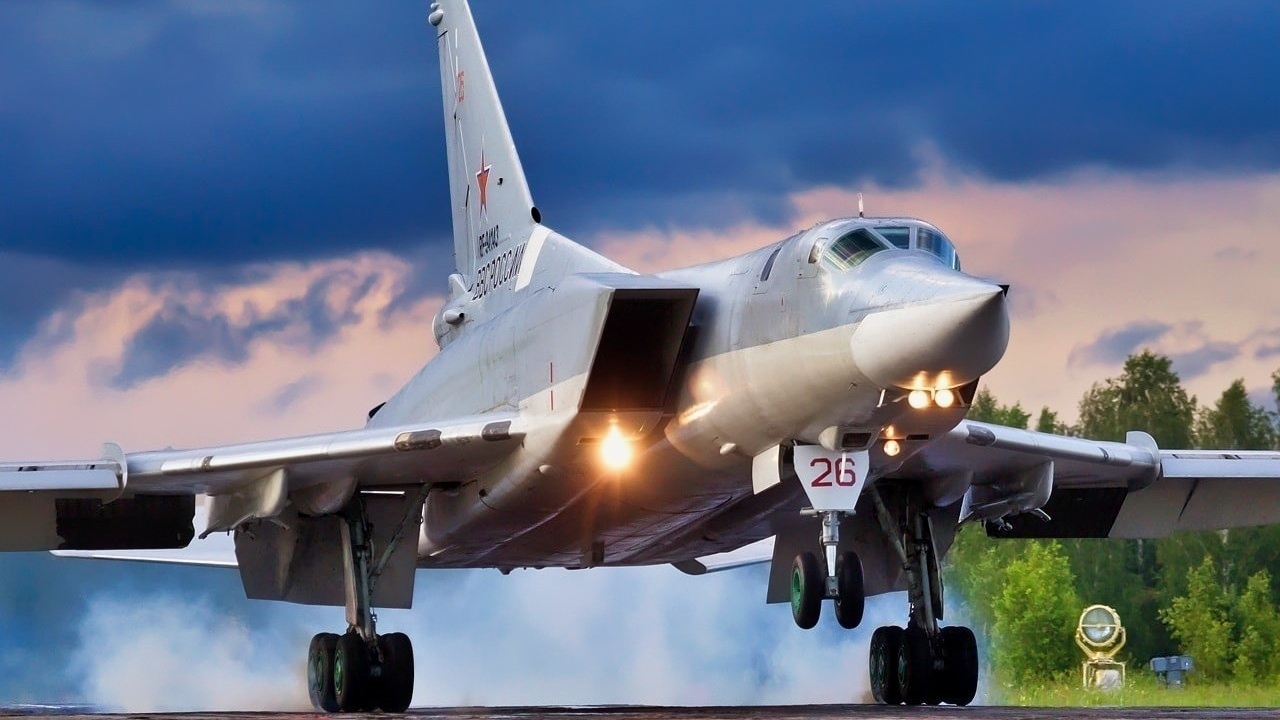
Tu-22M3 from Russian Air Force. Image Credit: Creative Commons.
The Latest Attacks
The most recent round of strikes came overnight on Saturday, September 5, when Ukrainian President Volodymyr Zelenskyy said Russian forces struck airports in Kyiv and Boryspil, ahead of the anticipated arrival of U.S. envoys. Residential buildings and other civilian infrastructure were reportedly hit across the country, with at least five people being killed following a strike on a commercial building in Kamianske in the Dnipropetrovsk region.
It followed a Russian drone strike on the headquarters of Ukraine’s SBU security service in central Kyiv on Friday. Five people were injured in the attack, which Zelenskyy said targeted the office of the agency’s chief.
The individual attacks reflect a broader shift in how the war is being conducted. After years of overnight strikes, Russia is now sending high-speed drones and missiles over the Ukrainian capital city throughout the morning, afternoon, evening, and night.
Kyiv Can’t Breathe
The changes mean that Kyiv is running out of quiet hours during the day. Le Monde reported from Kyiv on September 3 that more than 60 air-raid alerts sounded in the capital between August 27 and September 1. Together, they left Kyiv under alert for 52 hours in just six days. In a sense, it means that Ukrainian cities are now becoming the new front lines, with civilians living under constant threat.
And the strikes are deadly, too.
The Guardian reported on September 1 that 12 people were killed in and around Kyiv during the sixth consecutive night of attacks. Eight died in Kyiv, including seven at a railway depot, while another four were killed in Boryspil.
Russia’s jet-powered drones, built on Iranian Shahed drone technology, are now more commonly used in combat. The high-speed drones are substantially faster than the first generations of Shaheds deployed by Russia and harder to intercept, meaning they are causing significant damage at a time when Ukraine is struggling to obtain the Patriots and interceptors it needs to keep defending itself against strikes.
Ukrainian Air Force spokesman Yuriy Ihnat told Reuters that Russia launched more than 2,800 jet-powered drones in August. Ukrainian forces were intercepting around 60% of them, compared with more than 90% of slower conventional drones.
Daily Life Is Becoming Harder
Ukrainian citizens are feeling the consequences. A Reuters report on September 5 described how repeated air raid alerts paused metro services across the Dnipro River earlier this week, leaving many passengers stranded.
At Osokorky station, nurse and psychologist Yulianna Oliynyk waited on a crowded platform with her two sons and told the news agency she was considering bringing sleeping bags and staying overnight at a metro station near their school.
Road congestion has been a problem too, and crowded bus stops are becoming a regular sight, as residents look for alternative routes. Stores and businesses are also frequently forced to evacuate customers every time alarms sound. Some dairy products are also reportedly becoming difficult to find as attacks disrupt supply chains and damage warehouses.
The Associated Press also described a similar disruption earlier this week, speaking to Kyiv resident Volodymyr Bovsunovskyi, who said he had taken his family to a mall to buy clothes for his almost four-year-old daughter when air-raid alerts forced them outside after just 20 minutes.
Smoke was visible nearby, and the family returned home without completing their shopping trip.
Schools Are Going Underground
The air raid alerts are causing chaos right as the new school year begins. The traditional first-day celebrations in Kyiv on September 1 were interrupted by air raid warnings that forced children and parents to disperse.
Reuters reporters also witnessed the disruption at a different school in Kyiv this week, where pupils had completed only their first class before sirens forced them into an underground shelter to continue their studies. Headmaster Roman Feshchuk said the school itself had already been damaged in a Russian attack in May.
That disruption is, of course, intentional. Russia is facing an economic crisis, with continued long-range Ukrainian strikes disrupting its energy industry and critical commercial warehouse and logistics operations. But this weekend, the Trump administration sent U.S. envoys Steve Witkoff and Jared Kushner to Moscow and Kyiv in hopes of laying the groundwork for a final round of peace talks. The world waits.
About the Author: Jack Buckby
Jack Buckby is a British researcher and analyst specializing in defense and national security, based in New York. His work focuses on military capability, procurement, and strategic competition, producing and editing analysis for policy and defense audiences. He brings extensive editorial experience, with a career output spanning over 1,000 articles at 19FortyFive and National Security Journal, and has previously authored books and papers on extremism and deradicalization.


