


Watching a series of videos posted in Russia on different platforms today, you see one person after another decrying the attacks made by Ukraine’s ubiquitous drone force on warehouses operated by the privately owned online retailer Wildberries.
Strikes hit the company’s massive complexes of buildings on Saturday 18 July and then again on Sunday the 19th, killing eight people and causing injury to more than 70 others.
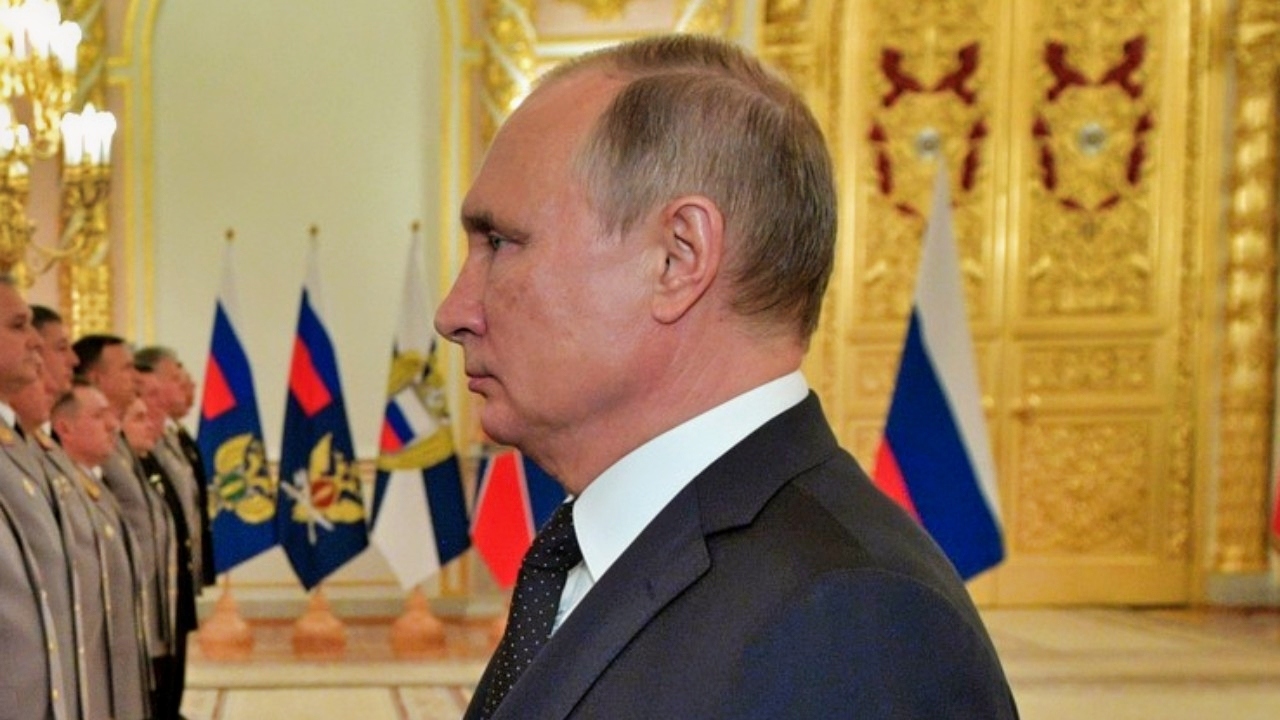
Putin with Military in 2018 Creative Commons Image
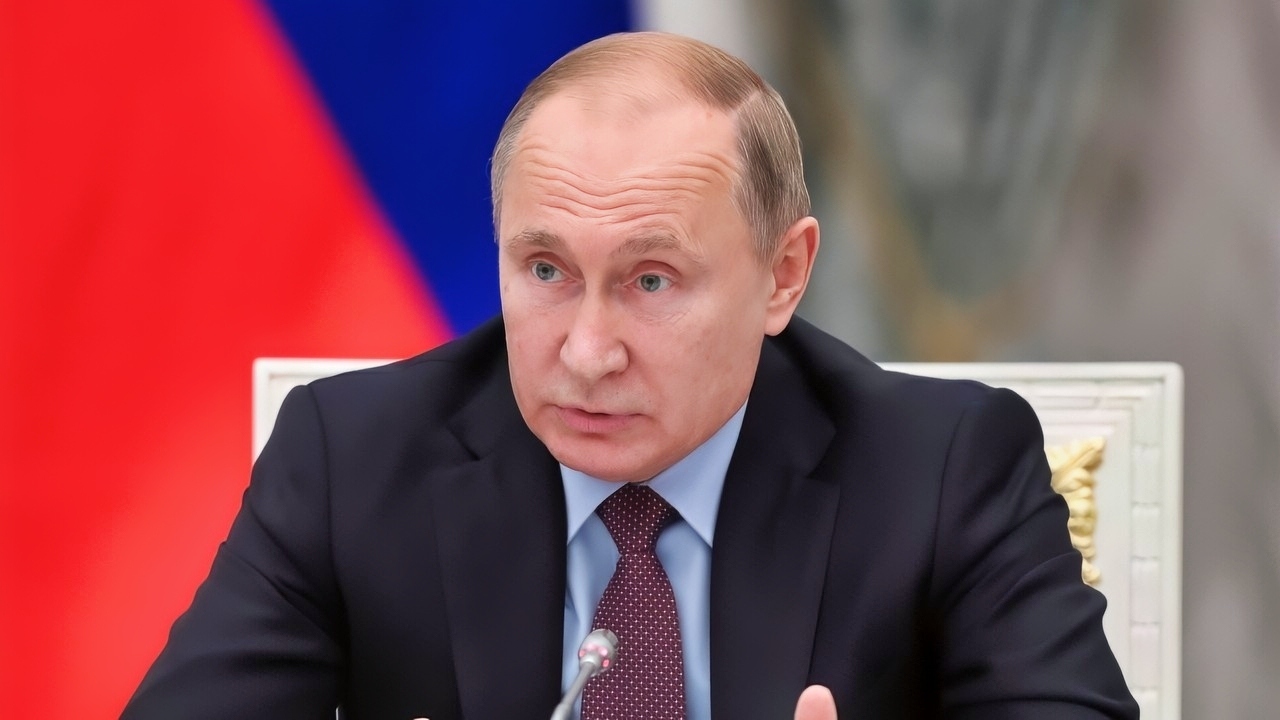
Putin Meeting with Duma 2018 Creative Commons Photo
The warehouses then burned to the ground, with everything inside a total loss. Among the thousands of products reported destroyed were some 4000 expensive women’s fur coats.
According to Ukrainian monitoring channels and Russian media reports, the warehouses were hit by Fire Point FP-1 drones, which struck one of the company’s largest logistics centers in Koledino, near Podolsk.
Videos posted by the Russian outlet Astra showed at least two large fires and a column of thick black smoke rising high into the sky above.
Russian analysts have estimated that the total economic costs caused by the attacks could be as much as 100 billion roubles (US $1.3 billion).
This would rate these strikes as causing more damage than almost any other attacks on commercial or industrial sites in Russia since the war began in February 2022.
What is notable about the reactions of Russians posting about these attacks says volumes about the fallout from Ukraine’s ability to now hit almost any site in Russia – regardless of where it is.
Rather than parroting back Moscow’s official propaganda by denouncing Ukraine President Volodymyr Zelenskiy and the “Ukrainian Nazis”, they are instead denouncing those in Russia who want to continue the war.
A post by one of the more prolific Russian video bloggers is typical of what an increasing number of his countrymen are saying today.
“All of you listening need to understand that this is what is happening in the 5th year of this war,” he states. “Before 2022, we were not afraid of drones flying overhead.
Before 2022, there were no problems with petrol [shortages]. We had basically a free and unblocked internet.”
Is This a Turning Point
But the real horror of this conflict that he and others are increasingly highlighting is the human cost, which keeps mounting with each passing day.
Casualties for the Russian military are now 35,000 per month or more, and almost every day there are news reports of innocent civilians being killed in attacks on Ukrainian cities.
Before the war, “the cemeteries were not all brightly festooned [with flags and flowers for the dead] as they are now, he continues, “and we were not afraid of another impending [military draft] mobilization.”
His post ends by saying that since Russia is hitting civilian targets and killing people in Ukraine almost every day, no one in Moscow or elsewhere should be surprised that commercial sites are now being hit by Ukrainian drones. “The only solution is to end this war,” he concludes.
In the case that no one wants to end the war, then “welcome to asymmetric warfare,” said another Russian-language video blogger.
If there is a turning point for the Russian population in the attitude about the conflict, this might be the beginning of such a change in public opinion.
Zelensky’s official statement explained that the strikes on the Wildberries facility had been carried out as reprisals for the incessant Russian attacks on civilian infrastructure in Ukraine.
In the previous week, Moscow had attacked facilities operated by the Ukrainian analog to FedEx, the postal and logistics company Nova Poshta, which has become the largest private delivery service in the entire country.
But Zelensky additionally claimed that the Wildberries warehouses did not just contain billions in consumer goods but also housed large shipments of electronic systems and had been used “to supply sanctioned components for drone production and navigation equipment” to the Russian military.
Advance Notice
But what also has many Russians up in arms is that there is some suggestion that the owners of Wildberries, which operates like and has the same manner of outsized presence in Russia as Amazon has in the US and other countries, could have had advance notice that the attack was coming.
Like Amazon Marketplace, the company has a considerable number of retailers – 840,000 at last count – that sell their products through Wildberries.
Their products were also in these same warehouses and were all destroyed.
However, many of these companies that worked with the Wildberries Marketplace were unaware that the company reportedly changed its liability insurance rules for compensating customers for losses, with the changes coming into effect just prior to the Ukrainian drone attack.
Since Wildberries reportedly is no longer assuming any responsibility for property lost through incidents such as a military conflict, it will not issue any refunds for goods destroyed in its warehouses.
“Reports indicate that literally on the eve of today’s strikes on two Wildberries warehouses—in Kotovsk, Tambov, and Elektrostal, near Moscow—the company’s management approved a new version of its terms of service, under which it is not obligated to compensate sellers operating on its platform for losses resulting from goods destroyed by drone strikes or other military action,” reported the Ukrainian blogger Andriy Plakhonin.
The many thousands of Russian companies who lost everything in these warehouse attacks see the proximity of the change in liability terms and the date of the drone strikes and conclude that the company must have known in advance that the drone raid was coming.
“Those same angry retailers now also know that the ultimate beneficiaries of Wildberries’ profit are the seniormost officials from the Russian President’s Administration. These are the head of the administration, Anton Vaino, and his first deputy, Alexei Gromov,” stated a former US intelligence official. “Throw that fact into this story and the implications become very dark very fast.”
About the Author: Reuben F. Johnson
Reuben F. Johnson has thirty-six years of experience analyzing and reporting on foreign weapons systems, defense technologies, and international arms export policy. Johnson is the Director of Research at the Casimir Pulaski Foundation. He is also a survivor of the Russian invasion of Ukraine in February 2022. He worked for years in the American defense industry as a foreign technology analyst and later as a consultant for the U.S. Department of Defense, the Departments of the Navy and Air Force, and the governments of the United Kingdom and Australia. In 2022-2023, he won two awards in a row for his defense reporting. He holds a bachelor’s degree from DePauw University and a master’s degree from Miami University in Ohio, specializing in Soviet and Russian studies. He lives in Warsaw.


