
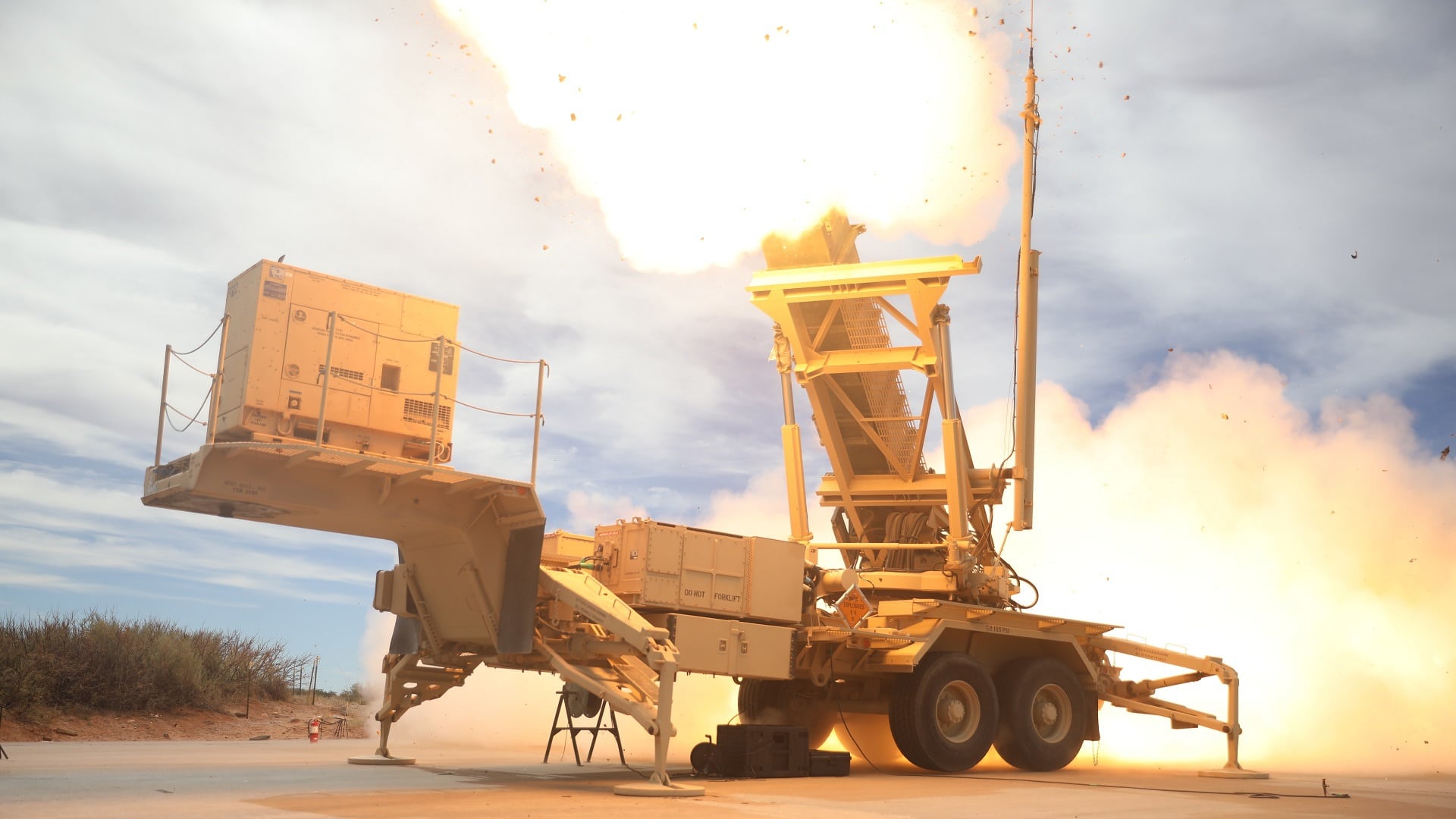
Key Points – Despite successes like “Operation Spiderweb,” Ukraine’s missile defense capabilities are described as being at a “breaking point.”
-With only a handful of Patriot batteries operational (estimated 4-6 out of 8 total) due to repair needs and limited spare parts, and each interceptor missile costing around $4 million (often requiring two per incoming Russian missile), Ukraine faces an unsustainable defense posture.
-Meanwhile, Russia is reportedly accelerating production of advanced missiles like the Iskander-M and Kh-101, planning to produce 3,000 long-range missiles this year alone.
-This growing disparity increasingly exposes Ukraine, especially with uncertain future US military aid.
Ukraine Has a Missile Defense Problem
While there is no doubt that Ukraine’s Operation Spider’s Web was an impressive feat, particularly if the Ukrainian Security Service’s claim that 41 planes were damaged is true, it doesn’t change this simple fact: Russia has more missiles, and Ukraine’s missile defense is not up to scratch.
Russia, should it choose to escalate with a wave of new ballistic missile strikes in response to Kyiv’s devastating 18-month-long drone operation, would put immense strain on Ukrainian forces. Despite its growing competence in asymmetric attacks using drones and sabotage, Ukraine’s missile defense system is totally overworked and under-resourced.
According to an assessment by Action on Armed Violence, Ukraine has just eight Patriot missile batteries, with only four to six believed to be operational at any given time due to repair cycles and limited access to spare parts.
The U.S.-made Patriot system, developed by Raytheon, was first delivered to Ukraine in spring 2023. Additional units came from Germany and the Netherlands later that year. These missile defense systems remain one of the only viable options for intercepting Russian ballistic missiles, but they come with limitations.
Each interceptor missile, used to intercept incoming Russian missiles, costs around $4 million – making defense against missile barrages far more costly than launching strategic assaults. Ukrainian operators often need to fire two missiles to stop one incoming warhead, meaning protecting just one region in Ukraine against a barrage of Russian missiles easily costs tens of millions of dollars every time.
Estimates vary, but Ukraine is believed to have fewer than 200 Patriot interceptors in its inventory right now – and, it’s unclear if more are on their way. Lockheed Martin has announced that it will increase production of the missiles to roughly 600 interceptors per year, but most of those will be used to replenish the stockpiles of the United States and its allies.
There has been no word from the Trump administration about plans to send more missiles to Ukraine, marking a significant departure from the Biden-era policy of sending virtually anything Kyiv asked for as soon as they needed it.
Russia Can’t Stop Producing Missiles
The story in Russia is quite different. Despite being hit hard by Operation Spider’s Web, its stockpile of missiles is large, and its domestic manufacturing abilities have improved dramatically since the invasion began.
Russia is accelerating production of the very weapons Ukraine is least able to defend itself against, and according to the Ukrainian Foreign Intelligence Service, Moscow has plans to produce 3,000 long-range missiles this year. Among them will be 750 Iskander-M ballistic missiles and 560 Kh-101 cruise missiles.
The Iskander-M is a short-range ballistic missile with a range of up to 500 km, capable of carrying conventional or nuclear payloads. It’s known for its speed and maneuverability, which make it difficult for air defense systems to intercept. The Kh-101 cruise missile, meanwhile, is designed for long-range precision strikes. It can fly low to avoid radar detection and has a range of up to 3,000 km, meaning it can strike targets anywhere in Ukraine from deep inside Russian territory.
Ukraine’s drone strikes were clever, but Russia has missiles that can cause just as much damage, from as long a distance, with no need to plan each strike for 18 months.
The longer Ukraine goes without new deliveries of Patriot missile systems, spare parts, or similar missile defense systems, the more time Russia has to develop enough missiles to bombard Ukraine in such a way that it causes significant damage, while also leaving the Ukrainian military completely vulnerable to future assaults.
About the Author:
Jack Buckby is a British author, counter-extremism researcher, and journalist based in New York. Reporting on the U.K., Europe, and the U.S., he works to analyze and understand left-wing and right-wing radicalization, and reports on Western governments’ approaches to the pressing issues of today. His books and research papers explore these themes and propose pragmatic solutions to our increasingly polarized society. His latest book is The Truth Teller: RFK Jr. and the Case for a Post-Partisan Presidency.
Hypersonic Weapons In Depth
Russia’s Hypersonic Missiles Summed Up in 4 Words


