
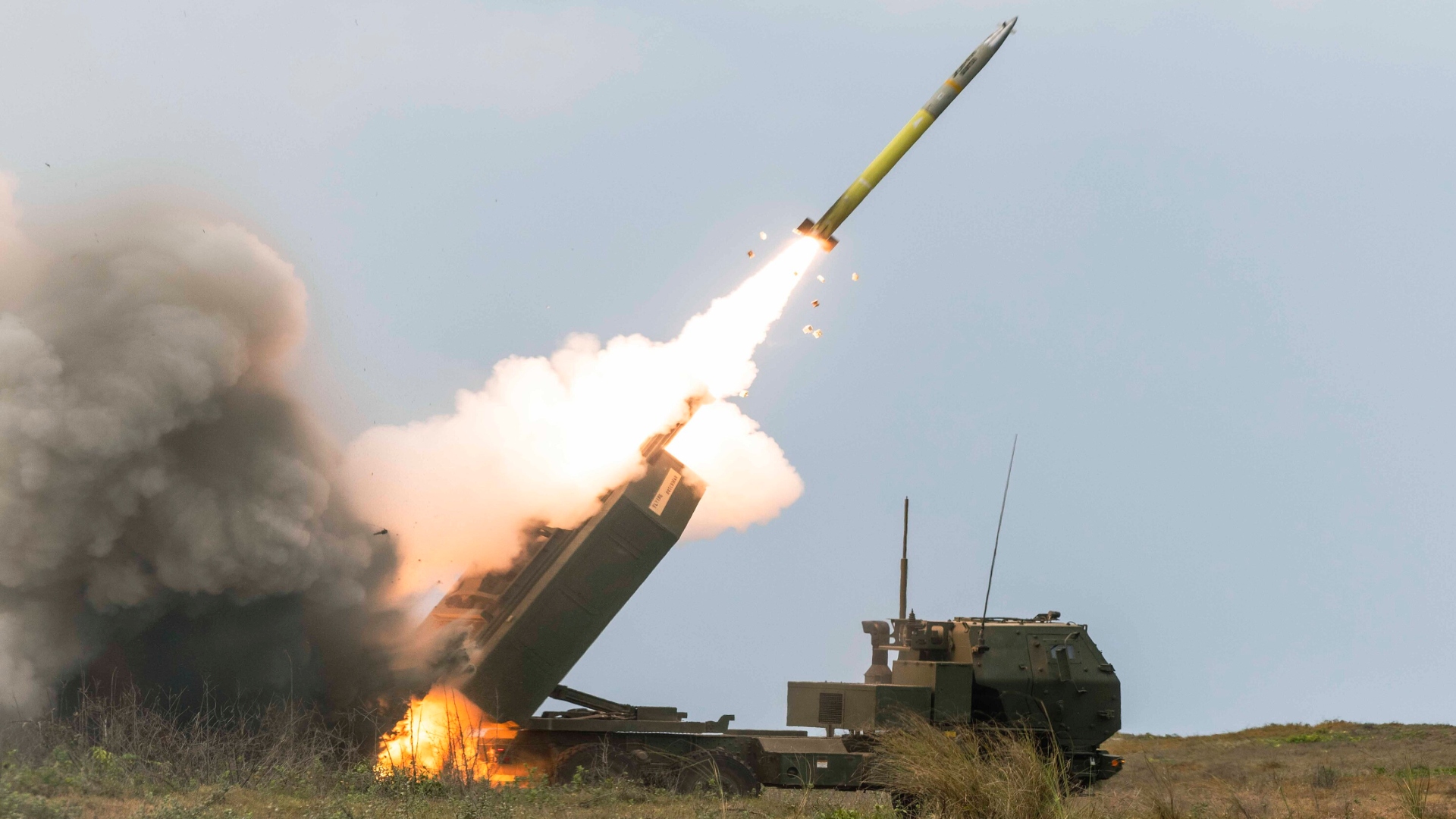
Two Killed in Overnight Drone Attacks on Russian Oil Refinery – Two people have been killed after Ukraine struck an oil refinery in southern Russia in an overnight drone attack.
The Afipsky refinery, located in Russia’s Krasnodar region, was targeted in the latest assault by Kyiv on Russia’s oil and gas infrastructure.
Putin in Meeting Creative Commons Photo
Kremlin Speech by Putin. Image Credit: Creative Commons.
Regional Governor Veniamin Kondratyev said on Tuesday, 25th August, that two people were killed and two others injured due to falling drone debris at the nearby Afipsky railway station.
What Happened?
On Tuesday morning, Ukraine’s General Staff confirmed the overnight attacks on the oil and gas refinery at Afipsky.
Footage shared by the Ukrainian Defense Ministry shows a large fire at the facility, with thick plumes of black smoke rising into the night sky following the drone assault. Satellite imagery shared in the aftermath of the attack also confirmed the scale of the fire, which continued into the following morning.
What Was the Damage?
Governor Kondratyev shared an update on Telegram hours after the blaze began. He confirmed that at least two people had been killed, with two others injured as a result of debris from drones shot down by Russian air defenses. He claimed that at least ten residential homes were damaged, with one catching fire. Debris also reportedly fell on the Afipsky railway station, disrupting travel on a key railway network.
Why is Afipsky Significant?
Afipsky reportedly produces 6.25 million tons of crude oil annually, more than 2% of Russia’s total refining capacity. It is considered a key source of diesel for the Russian economy and military, particularly considering its proximity to the frontline.
The drone assault marks the latest in Kyiv’s ongoing campaign to target energy infrastructure across Russia. However, the main purpose is different from the attacks inflicted on Ukrainian facilities throughout every winter of the war so far, where Russia has sought to cripple Ukrainian morale through the cold, harsh winter months.
Russia’s war economy, burdened by international sanctions, is propped up by its vast oil and gas reserves. This not only helps ease the cost of war for everyday Russians through lower fuel prices, but also brings in much-needed trade from states that have continued to purchase oil and gas from Russia since the full-scale conflict began in February 2022.
By targeting Russia’s energy facilities, Kyiv can undermine Moscow’s war effort.
A singular attack on one refinery is unlikely to hamper the Russian economy, but repeated assaults – as Ukraine has been inflicting throughout much of 2026 – have sought to disrupt key Russian assets.
No End in Sight for Nightly Attacks
Arguably a secondary factor, Russian morale is plummeting as the war in Ukraine approaches its half-decade anniversary. A war which many believed would be completed in less than a week will be 2,000 days old by this time next year. It’s also a war that many believed would be limited to the confines of Ukraine’s borders, yet Russia is facing nightly attacks from Ukrainian drones even if incremental gains are being made in the east of the country.
Such is the regularity of the attacks that Russian President Vladimir Putin signed a decree on Monday, 24th August, allowing the state to take temporary control of critical infrastructure believed to be poorly protected from aerial assault. This extends from energy infrastructure to industrial, communications and transportation facilities, with Kremlin spokesman Dmitry Peskov announcing that some business owners were “not pay[ing] enough attention to taking measures to ensure safety, anti-drone safety.”
“We must take measures, we must ensure our own safety,” he said, noting the ongoing threat to key Russian infrastructure.
Deputy Prime Minister Denis Manturov added that the decree was not nationalization or a change of ownership, but rather “involvement of the state in the management of an enterprise to solve specific security problems” in relation to ongoing drone attacks.
It’s unlikely Kyiv is planning to let up any time soon, either. Ukraine can produce between 200 and 300 drones per day, according to Ukrainian President Volodymyr Zelensky, and has fired more than 800 towards Russia in a single night as recently as last weekend. Even at conservative estimates, Ukraine is able to replenish its stock after a similarly sized attack within four days. In the first half of this year, Ukraine received 485,000 drones, of which 95% were domestically produced.
About the Author: Shay Bottomley
Shay Bottomley is a British journalist. He has written for the Western Standard, Business Insider, Maidenhead Advertiser, Slough Express, Windsor Express, Berkshire Live and Southend Echo.