

On Monday, 13 July, Ukraine attacked Moscow with waves of drones for the second day in a row. The attack is part of a 40-day pressure campaign or “influence operation” announced at the end of June by Ukrainian President Volodymyr Zelenskyy. These intense and sustained attacks are aimed at degrading Russia’s military logistics and economic stability by destroying critical infrastructure targets deep behind the front lines.
But in parallel, Kyiv is also fighting a war of nerves against Russian President Vladimir Putin and the elites around him. This is accomplished by increasing attacks on Russia’s major cities – including the capital, Moscow, and the pre-Bolshevik revolution imperial capital, St. Petersburg.
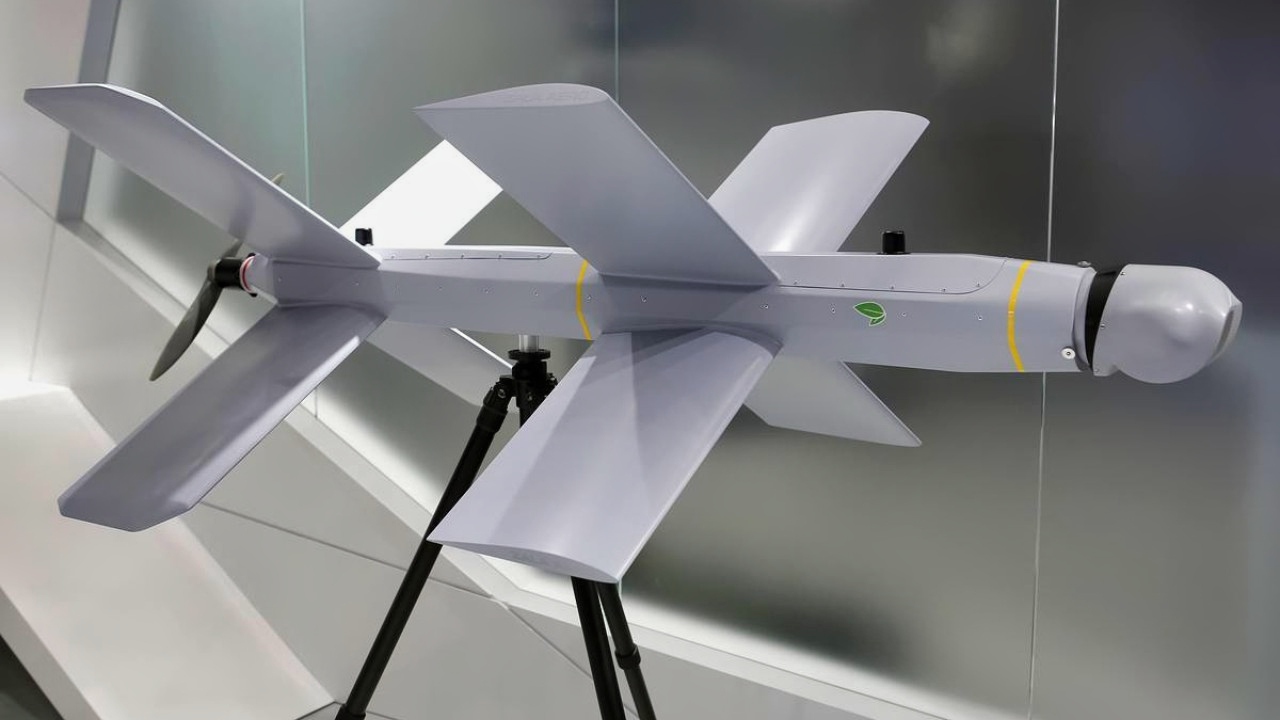
Lancet Drone. Image Credit: Russian State Media.
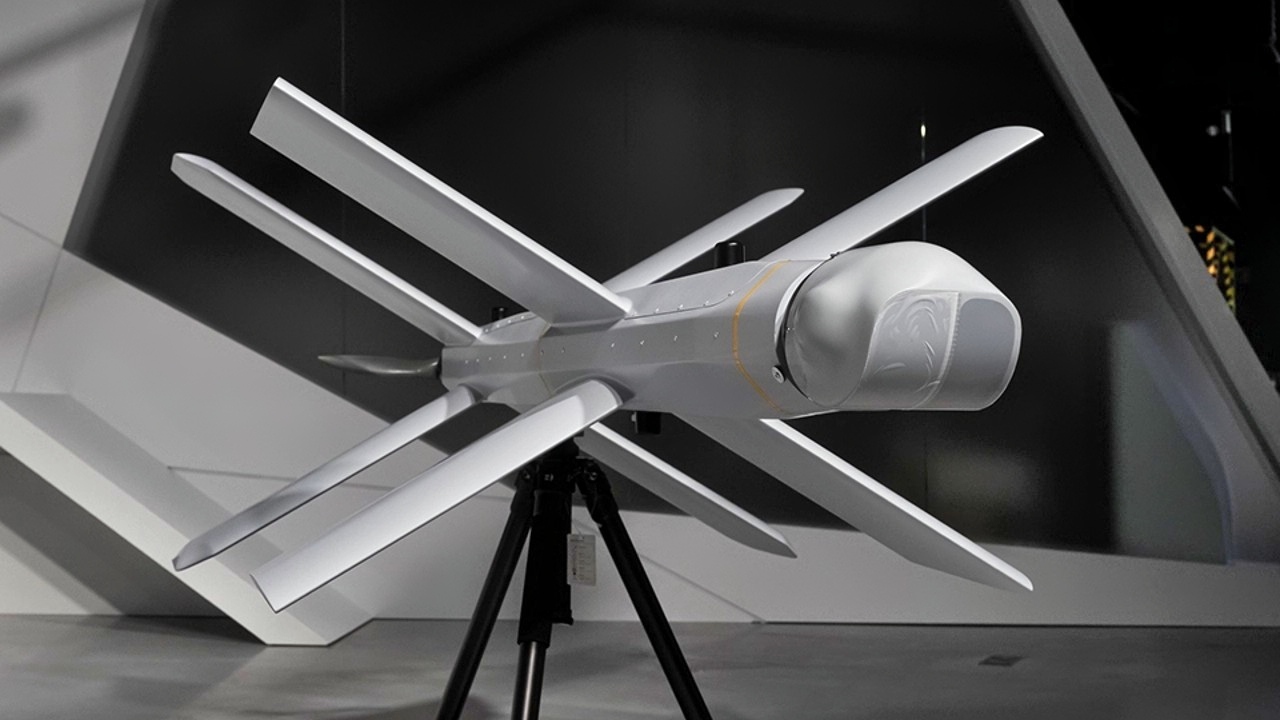
Lancet Drone from Russia. Image Credit: Creative Commons.
Moscow’s mayor, Sergei Sobyanin, said after the attack on Saturday that only 350 drones had been launched against the city, but that most of the drones had been shot down by Russian air defenses.
His numbers, however, differ from those of the Defense Ministry, which stated that over a two-day period its air defense units had shot down around two and a half times that number – claiming to have brought down 926 drones across Russia.
This would make these strikes one of the largest drone attacks by Ukraine’s forces of the entire war. As is the standard practice, Russia’s military has claimed that it shot down the majority of these drones before they were close enough to really threaten targets in Moscow.
Deepening Fuel Crisis
But this latest round of attacks is highlighting deficiencies in the city’s air defenses as what Russian President Vladimir Putin once declared would be a “three-day Special Military Operation” is now close to the four-and-a-half-year mark. The Russian soldiers killed in the conflict now number in the hundreds of thousands – rather than the small handful that were originally forecast as the probable casualty figures.
But Ukraine has also increased the strikes conducted deep into Russia since the last week in June. These successful attacks on energy infrastructure inside Russia in recent weeks have created the country’s worst fuel crisis since the collapse of the Soviet Union.
The dozens of refineries that have had to either significantly reduce output or shut down altogether have forced Russian state authorities to mandate petrol rationing to only 5 gallons per customer at filling stations. Most fuel exports have now been banned by special decree to stave off a full-fledged crisis in the energy sector.
Ukraine’s General Staff released statements on Saturday and Sunday that its drones had hit a large number of major Russian military and logistical facilities. These included another major oil industry site, the Syzran refinery in Russia’s Samara region.
Collateral Damage
What is less reported, and which also has population centers like Moscow increasingly restless, are the collateral effects of these mass air strikes.
As has happened several times in recent weeks, all four of Moscow’s major airports were shut down for several hours until an “all clear” signal was given. These are Sheremetyevo (SVO), Domodedovo (DME), Vnukovo (VKO), and Ramenskoye/Zhukovsky (ZIA).
“What many do not realize,” said a Russian aviation business analyst in Moscow, “is that when these airports suddenly have to suspend operations, it means more than just the flights scheduled to take off being grounded and passengers stranded at these airports for untold hours on end.”
“This also means that flights that are already in the air and headed for Moscow must divert to other airports with passengers stuck inside of aircraft and unable to deplane. Horror stories are already populating sites like Instagram with these ‘trapped’ passengers sitting on-board while they run out of water, toilet paper and the air con is shut down as the summer heat is baking these aircraft parked on the asphalt tarmac.”
Obviously, as he and others point out, the Ukraine drone campaign is having the desired effect of weakening Putin’s military and making it impossible for the troops in the field to sustain operations. But the phenomenon of the populations of the country’s largest cities now seeing their lives disrupted by the war is – Ukraine’s military hopes – that it will generate enough unrest among the population to force Putin to finally negotiate an end to the war.
“That seemed to be an unattainable goal up until a month or so ago,” said the aviation business analyst. “But as of today, the Ukraine strategy seems to be working.”
About the Author: Reuben F. Johnson
Reuben F. Johnson has thirty-six years of experience analyzing and reporting on foreign weapons systems, defense technologies, and international arms export policy. Johnson is the Director of Research at the Casimir Pulaski Foundation. He is also a survivor of the Russian invasion of Ukraine in February 2022. He worked for years in the American defense industry as a foreign technology analyst and later as a consultant for the U.S. Department of Defense, the Departments of the Navy and Air Force, and the governments of the United Kingdom and Australia. In 2022-2023, he won two awards in a row for his defense reporting. He holds a bachelor’s degree from DePauw University and a master’s degree from Miami University in Ohio, specializing in Soviet and Russian studies. He lives in Warsaw.


