
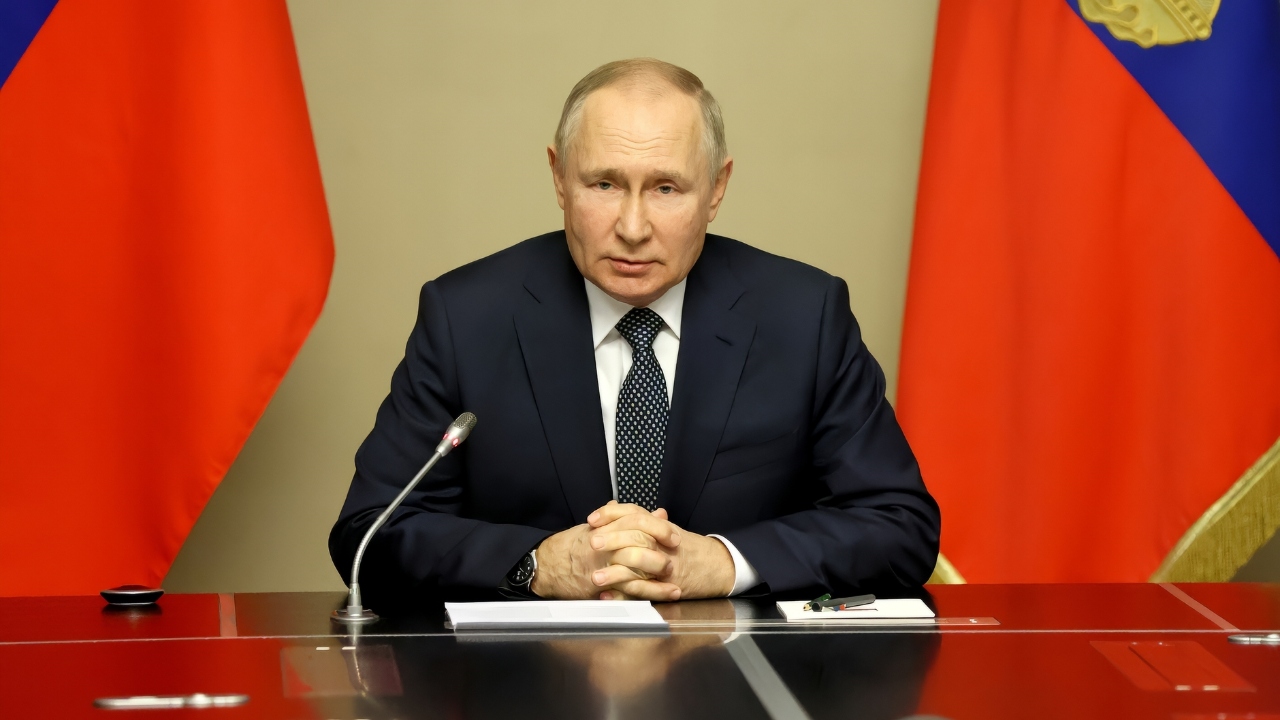
Russian President Vladimir Putin has said he is open to negotiations to end the war in Ukraine, but Russia’s budget plans suggest that Moscow is preparing for the likelihood of continued fighting — or, at least, maintaining a huge wartime military for years to come, regardless of whether the war concludes with a peace deal.
Reuters reported in late September that Russia plans to spend 17.1 trillion rubles, or roughly $203 billion, on defense in 2027, citing government documents the outlet saw.
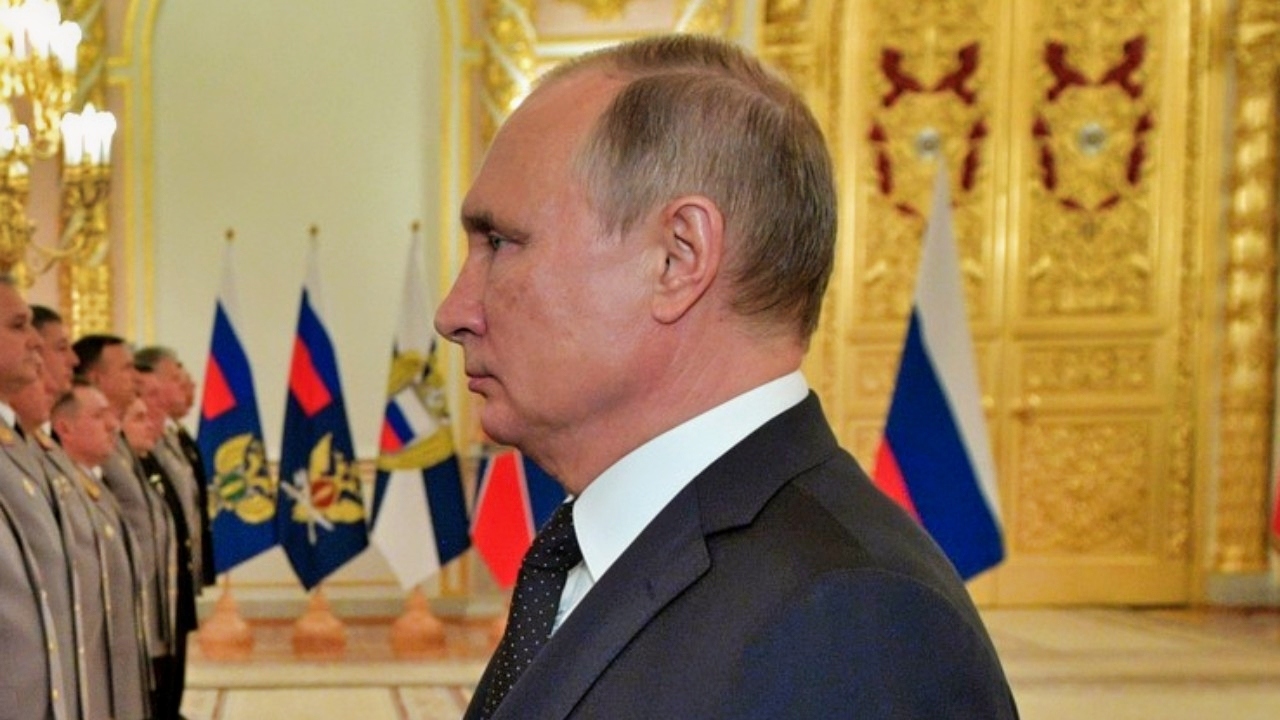
Putin with Military in 2018 Creative Commons Image
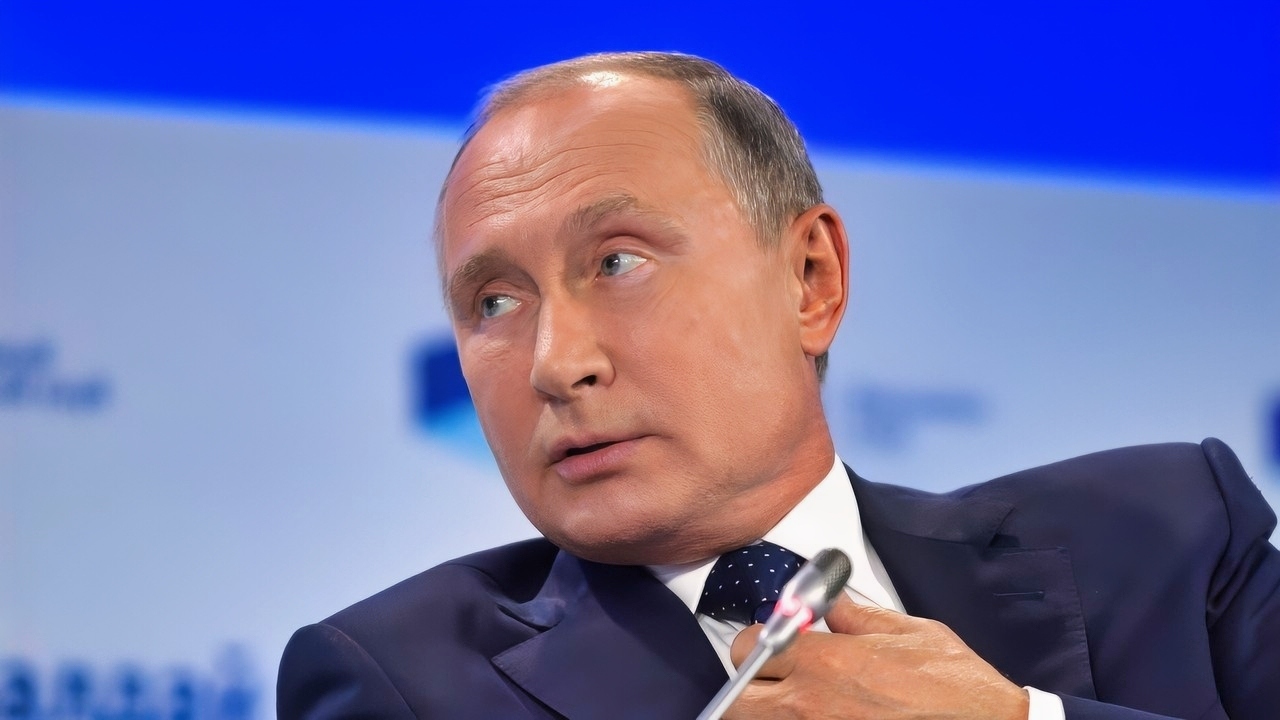
Putin Back in 2018 Creative Commons Image
It constitutes a roughly 27% increase over the 13.5 trillion rubles that Moscow had already budgeted for next year, and it is the highest annual figure since Russia launched the invasion of Ukraine in February 2022.
Over the 2027-2029 budget period, Russia expects to spend around 50 trillion rubles on defense.
The Kremlin formally submitted the plans to the State Duma this week.
Russia Prioritizes Military Spending
The scale of the increase is particularly notable because Moscow continues to commit huge sums of money to the military even as its finances come under extreme pressure.
In budget documents Reuters reviewed, Moscow doubled its forecast budget deficit for 2026 from 1.6% to 3.2% of GDP.
Oil and gas revenues, a major source of government income, were also revised down to 7.6 trillion rubles from 8.9 trillion, while net government borrowing this year is expected to reach 5 trillion rubles—26% more than previously planned.
State debt is expected to reach 21.7% of GDP next year, exceeding the Russian government’s 20% threshold, which it considers a safe level.
Moscow is also looking for new ways to generate revenue, including through taxes. Planned measures for 2027 include a new windfall levy on metals and mining companies, expected to raise around 200 billion rubles annually.
The new figures came just days after Vladimir Putin insisted he wants to end the war.
Putin Says He Wants to End the War
Putin again claimed that he wants to end the war on Thursday, October 1. Speaking at the Valdai Discussion Club in Moscow Oblast, Putin said Moscow wants to end the conflict as soon as possible through negotiations, but he insisted any agreement would still need to meet key Russian demands.
U.S. Proposals
Putin made the comments in response to the latest set of U.S. peace proposals, which have been under discussion since President Donald Trump’s envoys Steve Witkoff and Jared Kushner visited Moscow.
Putin acknowledged that the proposals would require Russia to make some difficult decisions, but he described it as positive movement that could ultimately lead to a deal.
He also said Russia is seeking a settlement that would provide long-term security and peace.
But in the same speech, he said that, under a deal, Ukraine would need to remain neutral.
He demanded that Ukraine withdraw its troops from the remaining Kyiv-controlled areas of the Donbas, and also suggested that Russian forces could still capture the entire region through military means.
However, it wasn’t the first time in recent weeks that Putin had publicly expressed interest in negotiations. Speaking to journalists in St. Petersburg on September 25, Putin said all proposals for settling the war remained on the table and that Moscow still needed to determine which options served Russia’s interests.
He also claimed that Russia had been prepared to restart negotiations with Kyiv following Russia’s parliamentary elections, but blamed Ukrainian attacks on Moscow and polling stations for preventing that from happening.
Preparing for Either Outcome
Putin funding the military while calling for a negotiated end to the war does not mean that the Russian president is being dishonest — especially considering the fact that a negotiated peace deal would only be successful if it meets Russia’s claim to the Donbas.
Even if Moscow and Kyiv reach an agreement tomorrow, Russia would still have plenty of reasons to continue spending huge sums on its military.
After more than four years of war, Russia needs to replace lost equipment and replenish ammunition.
It must replenish missile stockpiles and maintain a much larger military presence to secure its global standing and potentially prepare for other military scenarios.
After all, Europe is rearming, too, with the European Defense Agency warning in September that European Union countries must move significantly faster to prepare for Russia’s threat.
And as Russia spends on its military, it must also confront the serious economic consequences of the war — regardless of whether it ends or not.
The labor shortage is rising because of wartime troop recruitment, leaving businesses struggling to find workers, while inflation is above 6% and interest rates are 14%. Moscow faces many difficult questions, and whether the war continues will determine whether those problems worsen in the years to come.
About the Author: Jack Buckby
Jack Buckby is a British researcher and analyst specializing in defense and national security, based in New York. His work focuses on military capability, procurement, and strategic competition, and he produces and edits analysis for policy and defense audiences. He brings extensive editorial experience, with a career output spanning over 1,000 articles in National Security Journal, and has previously authored books and papers on extremism and deradicalization.


