

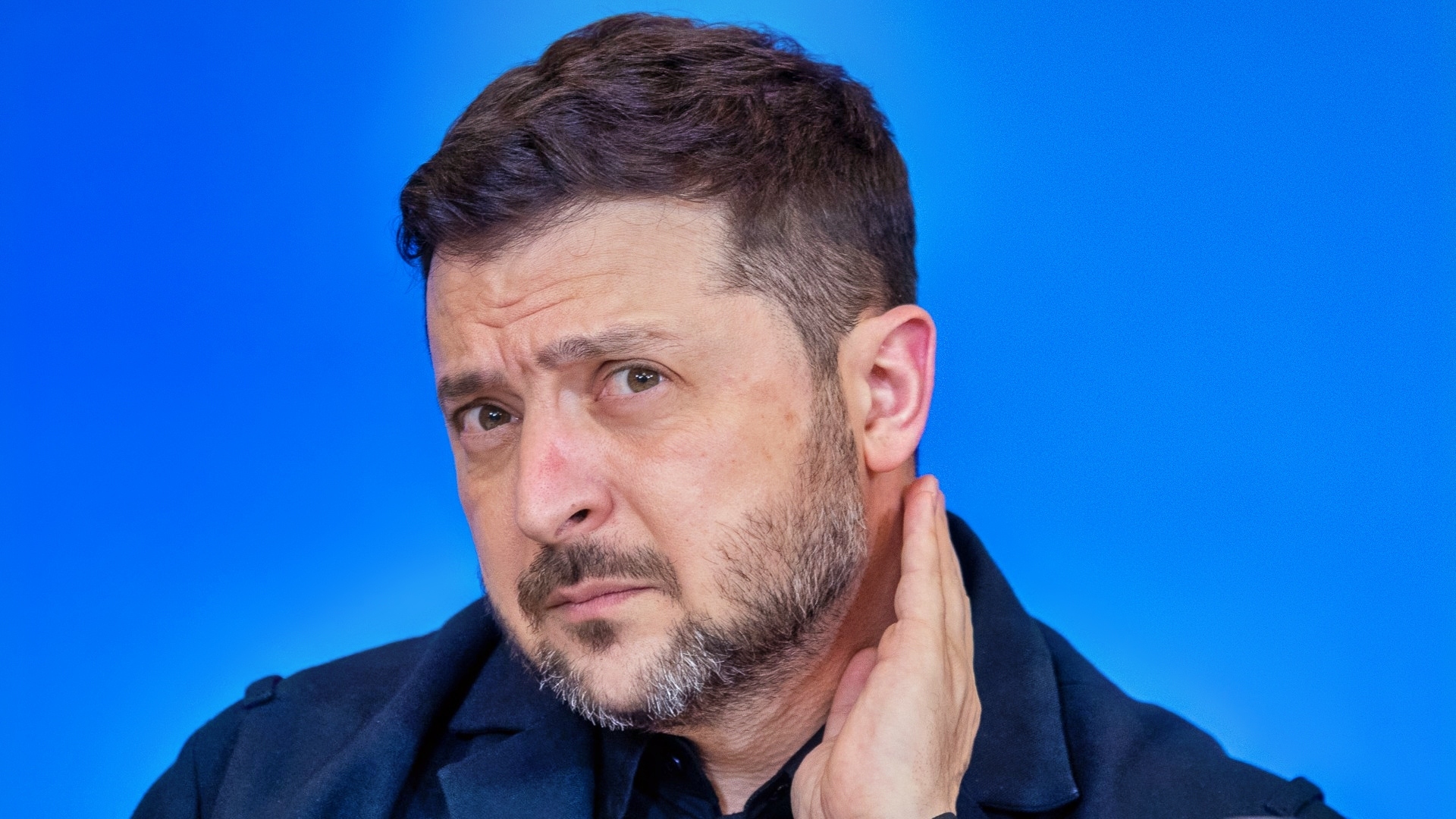
Kyiv’s military position remains difficult, but it is not a situation of collapse. Russia continues to grind forward in parts of Ukraine’s Donetsk region while also maintaining pressure along several sectors of the front. Ukrainian forces have become increasingly dependent on drones, long-range strikes, and better use of technology to offset shortages of infantry and ammunition. But at the political level, the biggest story over the past few weeks has not been the battlefield itself, but an unusually turbulent reframing of Ukraine’s civilians and military leadership.
The most consequential move was President Volodymyr Zelensky’s dismissal of Defense Minister Mykhailo Fedorov, who had been in the job for only six months. Fedorov had earned a reputation as the face of Ukraine’s push toward a more technologically driven military. Under his stewardship, the minister accelerated drone production, expanded the use of unmanned systems across the front lines, modernized procurement, and sought to make the defense bureaucracy more responsive to frontline needs. He also became one of the country’s most popular ministers, both among soldiers and much of the public.

Sea Baby Drone Ukraine. Image Credit: Creative Commons.
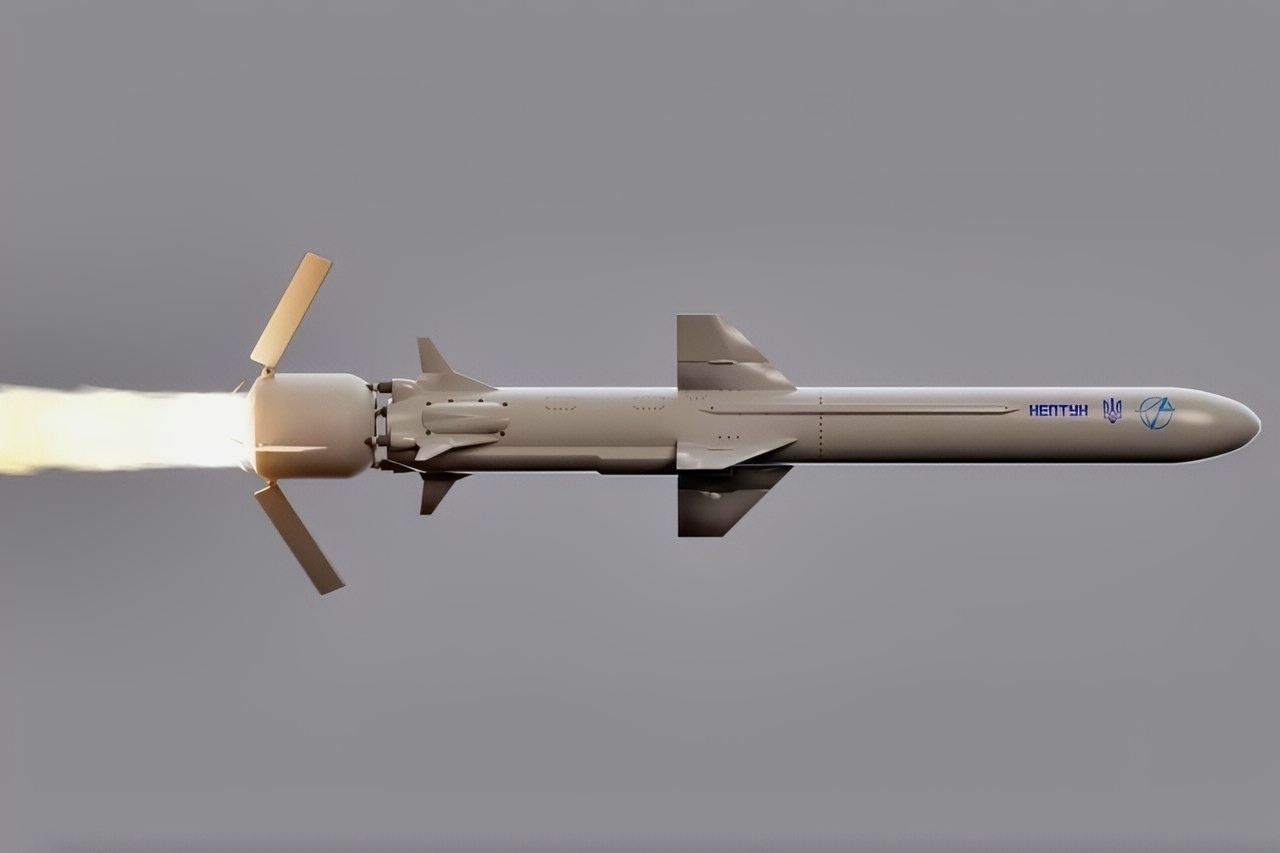
Neptune Missile. Image Credit: Government of Ukraine.
But Fedorov’s removal immediately triggered something that has become rare in wartime Ukraine: public protest directed at the government. Demonstrators argued that Zelensky was removing one of the few senior officials who appeared capable of pushing through genuine military reform. The protests quickly became about more than one minister and reflected frustration with slow-moving institutional reforms, concerns about transparency, and the staunch belief that Ukraine cannot afford bureaucratic infighting while fighting a war of attrition.
The official explanation for the dismissal centers on tension between Fedorov and Commander-in-Chief General Oleksandr Syrskyi. According to reporting from several outlets, the two figures increasingly disagreed over how the military should be run.
While Fedorov represented a younger, more innovative approach that leveraged experience gleaned from the private sector and prioritized rapid procurement, drones, digital management tools, and decentralization, Syrskyi, on the other hand, was widely viewed as representing a more traditional command style, one broadly in line with Soviet-era centralized control and conventional operations.
Fedorov himself has offered a different explanation. In an interview after leaving office, he argued that the real issue was his effort to overhaul military procurement. He said he tried to replace opaque purchasing practices with more competitive tendering and new management structures, reforms that threatened entrenched interests inside the defense establishment.
According to Fedorov, those efforts generated enough institutional resistance to ultimately cost him his job.
The subsequent political backlash was significant and forced a shift in Zelensky’s position within days. Rather than restoring Fedorov, however, he removed Syrskyi and appointed Brigadier General Mykhailo Drapatyi as the new commander-in-chief.
Drapatyi has built a strong reputation among Ukrainian officers for adapting quickly to battlefield realities, integrating drones into operations, and listening to subordinate commanders. Many soldiers see him as representing the next generation of military leadership, and his appointment has generally been welcomed within the armed forces.
The order of these events is significant, as they highlight the balancing act Zelensky now faces. Ukraine still needs experienced military leadership, but it also needs to modernize at a pace that keeps pace with how the war is evolving.
Drone warfare, electronic warfare, artificial intelligence, and rapid procurement have become just as im important as tanks and artillery. The reshuffle exposed a growing divide between those who believed Ukraine must accelerate institutional change and those who favor continuity during wartime.
The episode also says something about Ukrainian politics, however. Unlike in Russia, where major personnel decisions are rarely publicly challenged, Ukraine’s wartime leadership remains subject to pressure from Ukrainian civil society, veterans’ groups, journalists, and ordinary citizens.
The protest over Fedorov’s dismissal demonstrated that Zelensky cannot simply reshuffle key officials without political consequences. In practice, public pressure appears to have contributed to the decision to replace Syrskyi, even if Fedorov himself was not reinstated.
From a purely military perspective, the leadership changes will matter only if they translate into better performance. Ukraine’s biggest challenges remain unchanged. Manpower shortages, the need to sustain Western military support, continued expansion of domestic weapons production, and finding ways to blunt Russia’s numerical advantage.
Whether the new command team can improve recruitment, speed up procurement, and better integrate new technologies into battlefield operations will likely determine whether these dismissals become remembered as a necessary course correction or simply another episode of political turmoil during a long and brutal war.
About the Author: Caleb Larson
Caleb Larson is an American multiformat journalist based in Berlin, Germany. His work covers the intersection of conflict and society, focusing on American foreign policy and European security. He has reported from Germany, Russia, and the United States. Most recently, he covered the war in Ukraine, reporting extensively on the war’s shifting battle lines from Donbas and writing on the war’s civilian and humanitarian toll. Previously, he worked as a Defense Reporter for POLITICO Europe. You can follow his latest work on X.


