

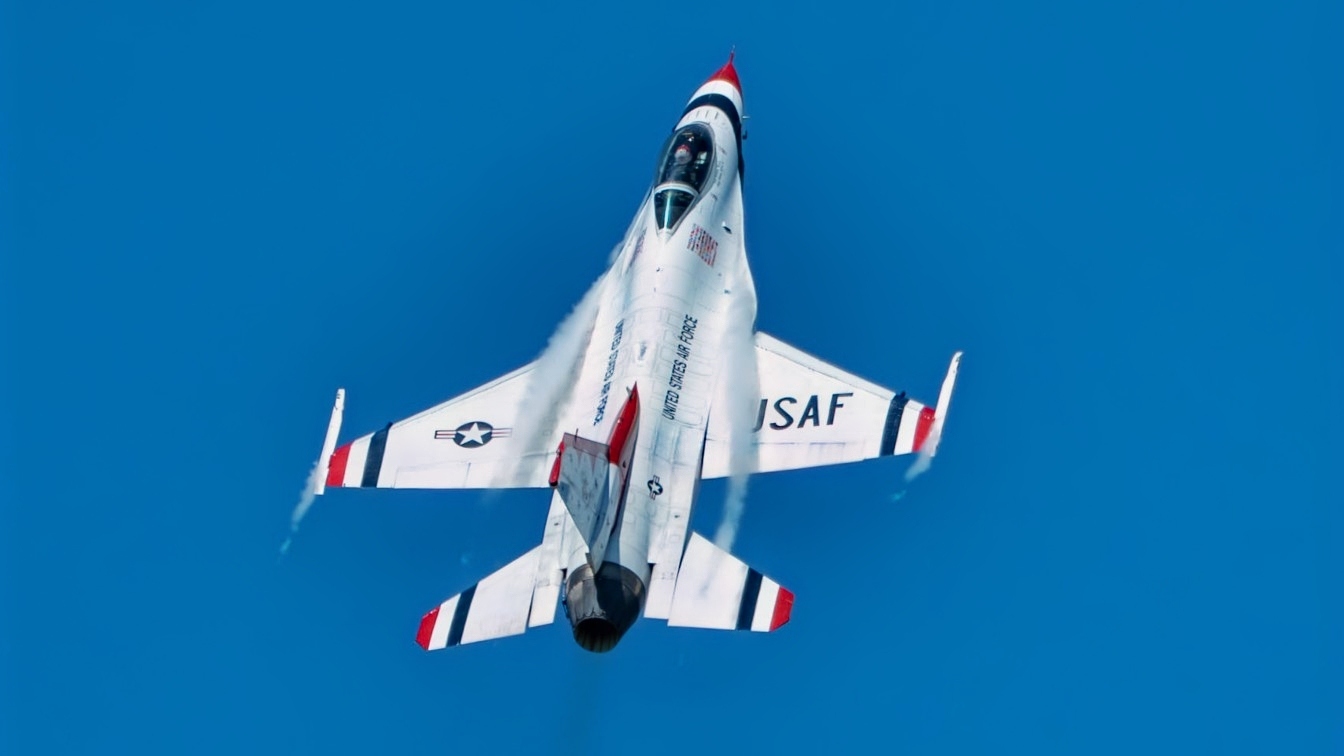
On Wednesday, the Ukrainian Air Force reported that a Ukrainian-operated F-16 crashed near the front lines while carrying out combat operations to intercept Russian munitions. This marks the fifth confirmed F-16 lost (eighth, if Russian claims are to be believed) since the aircraft’s debut in the Russo-Ukrainian War.
The exact cause of the aircraft’s crash is unknown, with some speculating that it was shot down by Russian aircraft/air defenses, or that it was damaged by debris while shooting down drones. The F-16 forms a vital component of Ukraine’s air defense strategy.
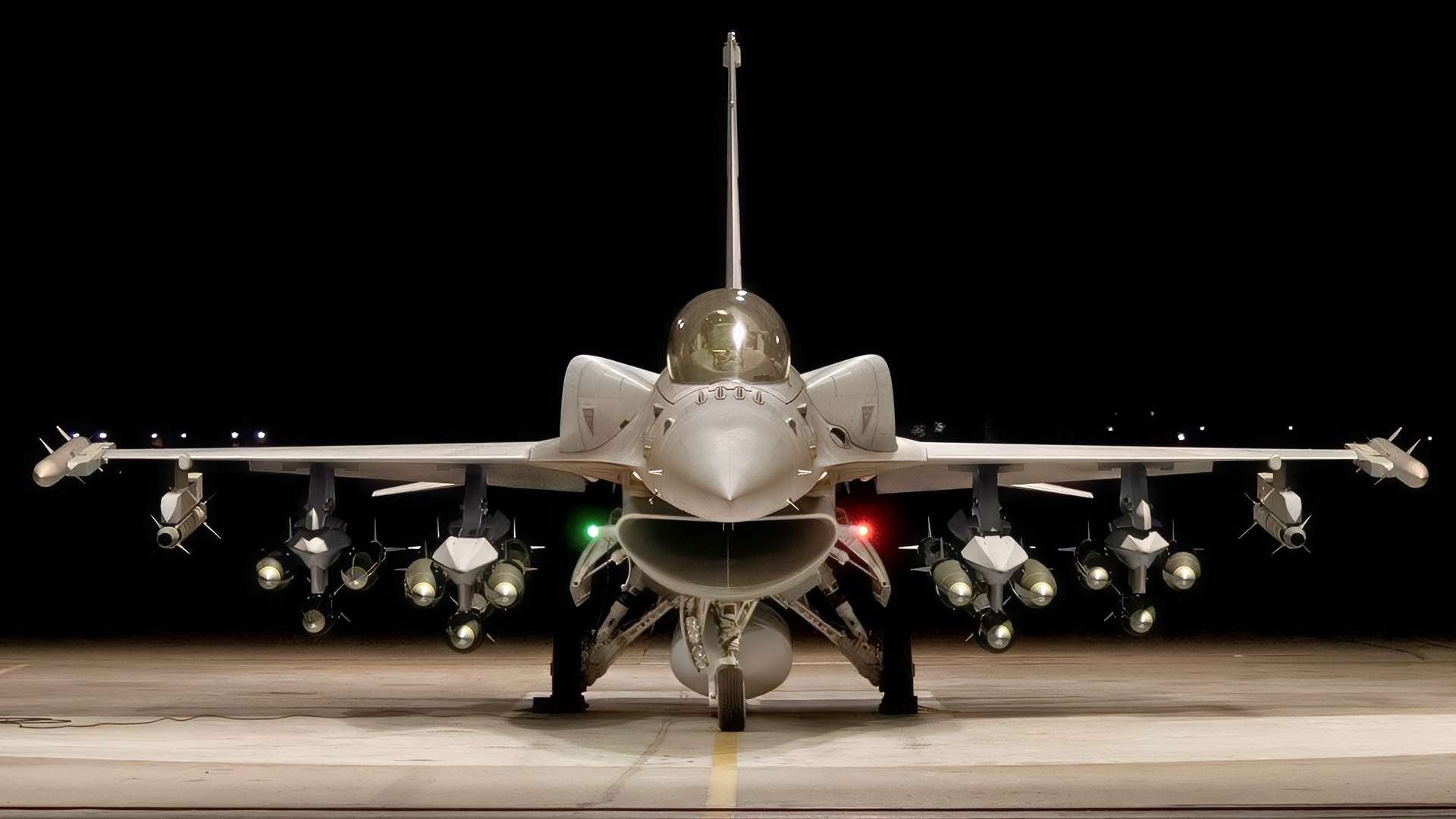
F-16V Viper Lockheed Martin Image.
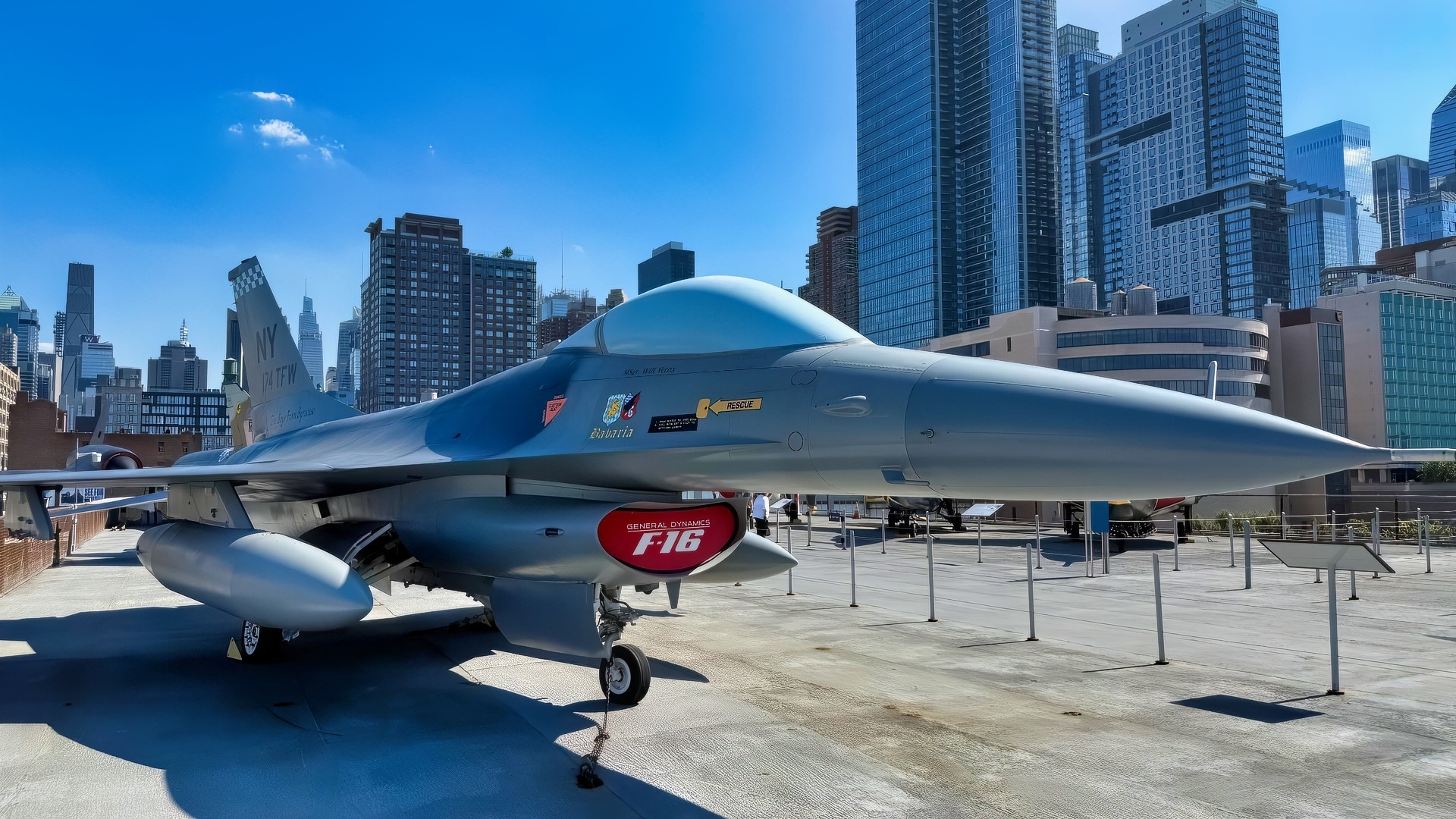
F-16 Fighting Falcon National Security Journal Photo. Taken on 9/18/2025 Onboard USS Intrepid.
Not only are these aircraft expensive to replace, but they are also indispensable to the country’s defense, especially as Kyiv’s stock of air-defense missiles remains low.
An F-16 Crashes in Ukraine
The Ukrainian Air Force published the announcement on July 29, stating that the F-16 had crashed in an unspecified region along the front lines and that the pilot had thankfully survived.
“Contact was lost with an F-16 fighter jet of the Ukrainian Air Force,” the military wrote. “In one of the areas of the front line, the pilot was carrying out a combat mission to intercept enemy air targets. According to preliminary information, an abnormal situation occurred onboard the aircraft, and the pilot was forced to eject.” The Air Force provided no further information about the crash, only that authorities were investigating the cause.
The incident spurred immediate speculation from online spectators, who suggested that the aircraft may have been intercepted by a Russian anti-air missile.
While this isn’t outside the realm of possibility, the Russian Ministry of Defense has made no mention of any downed F-16s, either by air defenses or by Russian aircraft. Another possibility is that the aircraft was damaged by debris from a Russian munition.
In the past, other Ukrainian F-16s have been damaged and destroyed after intercepting Geran-2 drones.
It is possible that the aircraft came too close to the drone and was struck by fragments after the drone was shot down.
A third, and more boring, possibility is that the aircraft experienced a flight control malfunction due to an improper pre-flight check or a maintenance fault.
The Current State of the Ukrainian Air Force
Ukraine currently possesses around 50 F-16 fighter jets, but given maintenance schedules, the number of operational aircraft at any given time is more likely to be around 38. Including this latest incident, there have been five confirmed losses.
According to Russian sources, an additional three F-16s have been shot down by Russian air defenes/aircraft, although these claims cannot be substantiated. The Russians also claim that several fighter jets have been struck by missiles while on the ground, but again, these claims have yet to be confirmed and are unlikely to be true. The loss of an F-16 is not necessarily irreplaceable, but it is dependent on the generosity of Kyiv’s Western partners.
November, 2025, Ukraine signed a letter of intent to procure 100 Dassault Rafale fighter jets from France over a ten-year period.
The details of the agreement, such as when deliveries would start, which variants Ukraine would purchase, and how Kyiv would pay for them, were not specified.
It should be noted that a letter of intent is not an official contract; it only indicates that Kyiv intends to procure Rafale fighters. In 2026, Kyiv secured an official agreement with Saab to acquire JAS 39 Gripen fighter jets.
According to the contract, Ukraine will purchase 20 newer Gripen models by 2030, while Sweden agreed to donate older JAS 39 models at an earlier time; the exact date was not specified. Meanwhile, Ukraine is still waiting for the rest of its F-16 fleet to arrive. Western allies across Europe agreed to donate 85 F-16s to Kyiv, while only 30-50 airframes have actually been delivered so far.
The F-16’s Role in Ukraine’s Air Defense
As Ukraine grapples with a shortage of air defense missiles, its Air Force has assumed the role of Kyiv’s primary defender. The F-16, in particular, is well suited to dealing with low-flying drones and slower cruise missiles.
Against these targets, the aircraft performs particularly well, although, for myriad reasons, the Ukrainian air force is spread thin, having to focus on both offensive and defensive operations simultaneously. Unfortunately, no aircraft is yet capable of intercepting a ballistic missile. Consequently, defense against ballistic missiles is relegated to the Patriot air defense system, which has become less effective due to a crippling shortage of air defense missiles.
Last night, Ukraine was once again targeted by a large-scale missile/drone attack from Russia. The attack utilized over 70 missiles, most of which were cruise missiles launched by strategic aviation.
According to the Ukrainian Air Force, around 32 missiles were intercepted, only one of which was a ballistic missile. Unlike previous attacks, last night’s attack was directed toward targets in Ukraine’s Western regions, including the city of Lviv near the border with Poland. This latest attack not only demonstrates Ukraine’s need for air defenses, but also Moscow’s ability to hit targets all across Ukraine, especially in Western regions, which have been relatively safe from Russian missiles compared to cities like Kyiv and Odesa.
About the Author: Isaac Seitz
Isaac Seitz, a Defense Columnist, graduated from Patrick Henry College’s Strategic Intelligence and National Security program. He has also studied Russian at Middlebury Language Schools and has worked as an intelligence Analyst in the private sector.


