

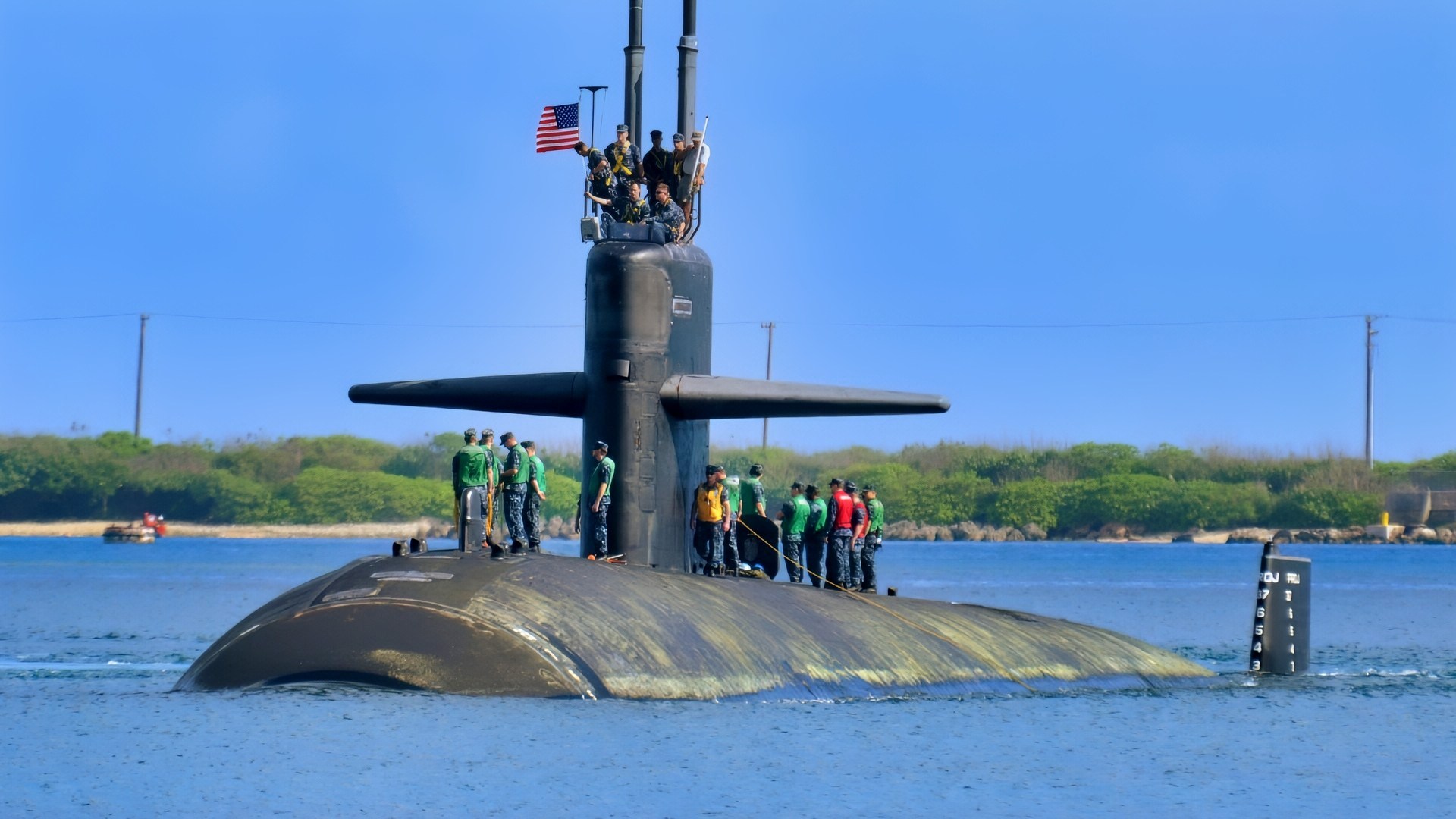
Why The U.S. Navy Rejected Titanium Hulls and Bet on Quiet Steel
Summary and Key Points – Titanium hulls offer real advantages—strength, corrosion resistance, and low magnetism that can push depth margins and complicate certain detection methods.
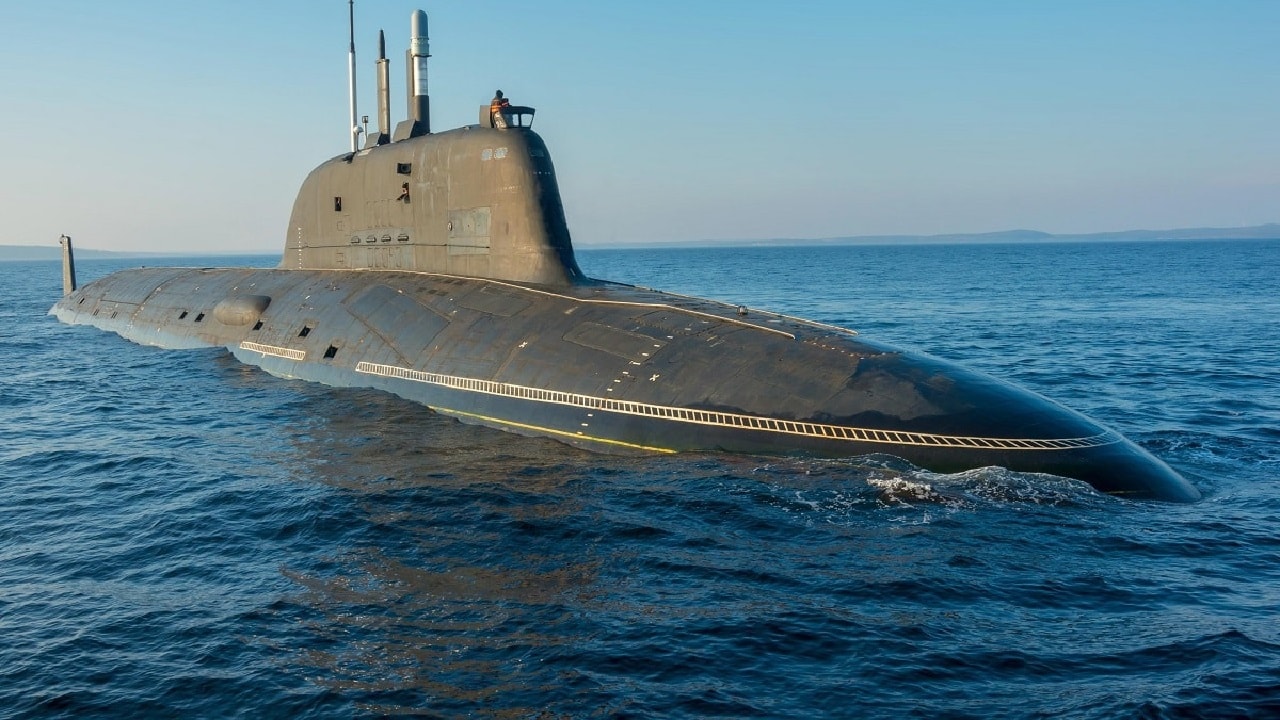
Yasen-class. Image Credit: Creative Commons.
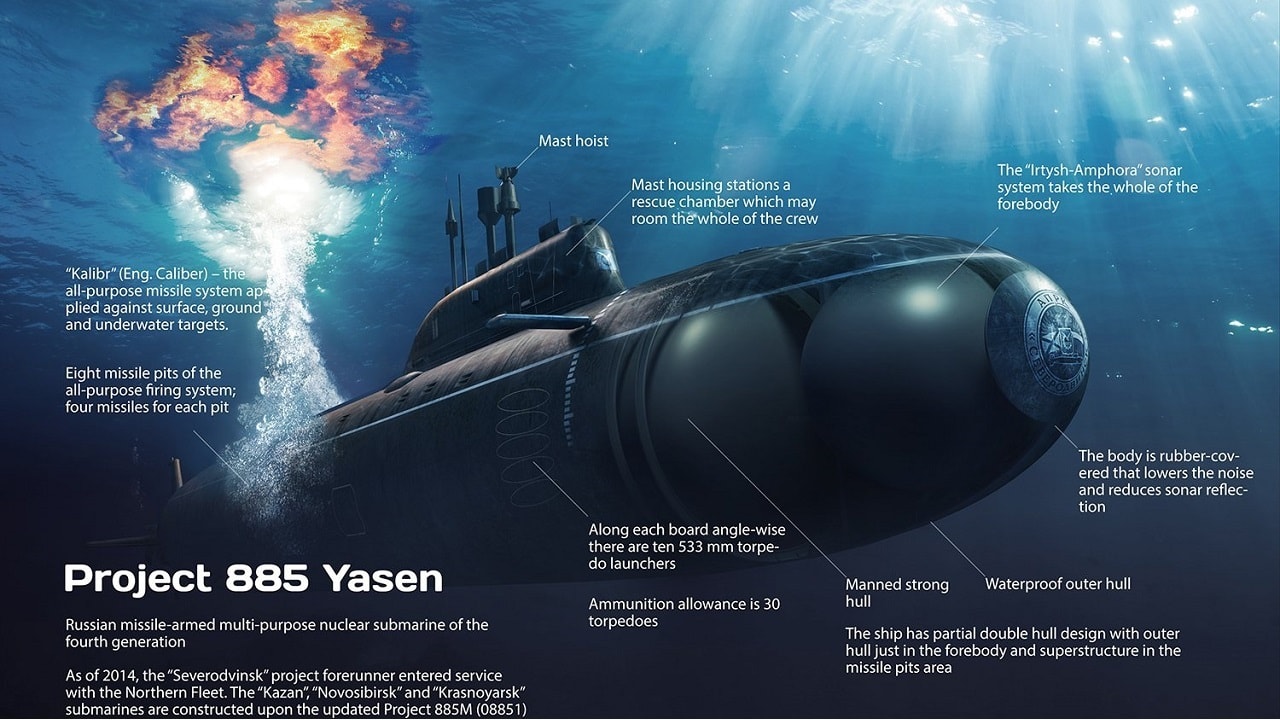
Yasen-Class submarine. Image Credit: Russian Government.
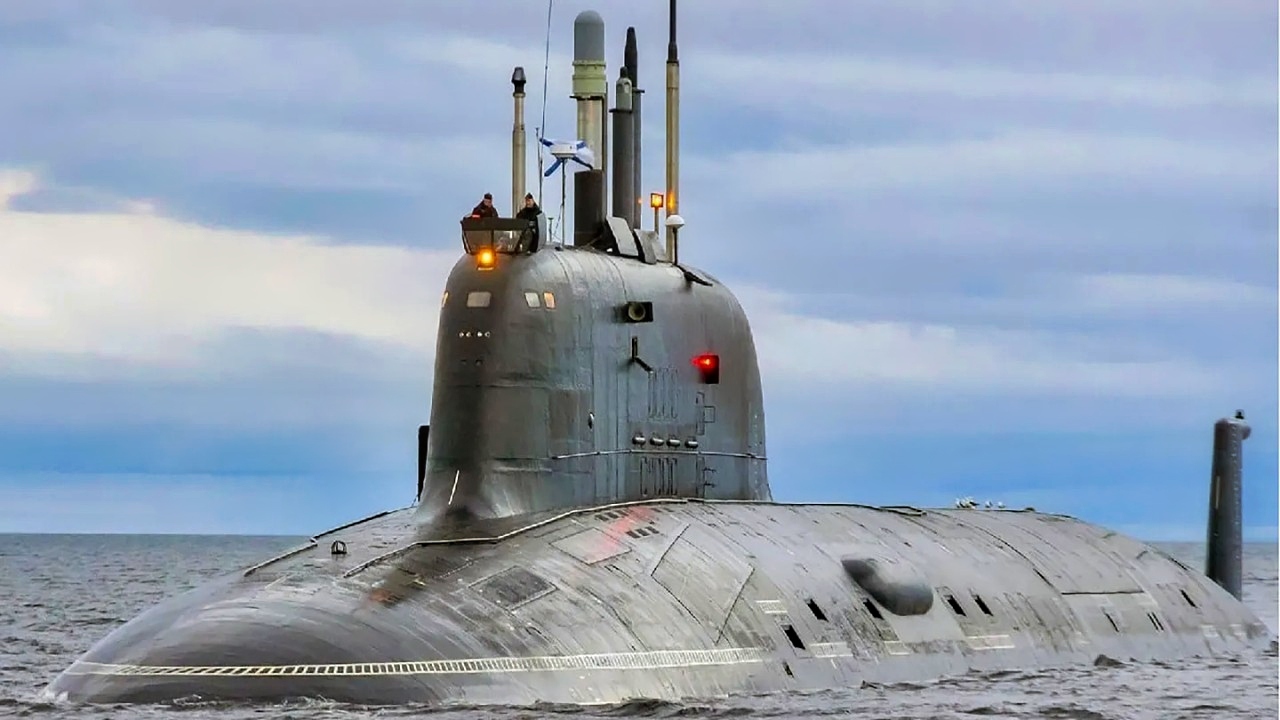
Yasen-Class Submarine from Russian Navy. Image Credit: Creative Commons.
-But titanium is also an industrial ecosystem: ultra-clean fabrication, specialized welding, expensive tooling, and harder repairs.
-In undersea combat, the decisive edge is usually acoustic dominance, sensor performance, weapons capacity, and the ability to build and fix boats at scale.
-The U.S. Navy’s choice to prioritize quieting, processing, and sustainment with advanced steels produced durable combat power.
-Russia’s evolution from titanium showpieces toward steel front-line designs reinforces the same logic: survivable stealth and wartime throughput matter more than record depth.
Russia’s Titanium Sub Lessons, and Why Yasen Went Back to Steel
Depth and dash make great lore, but undersea wars are won by boats that stay unheard, return to the hunt, and can be built and fixed at scale. Seen in this light, the U.S. Navy’s refusal to follow the Soviet/Russian titanium path was no mistake; it was a warfighting-first choice—trading record depth for ruthless quieting, sharper sensors, deeper magazines, and an industrial base able to build, repair, and surge at tempo.
Titanium brings real virtues—strength, corrosion resistance, low magnetism—but it also demands a bespoke fabrication ecosystem that chokes output and complicates repair. Steel, by contrast, supports acoustic superiority at tactically useful speeds, locks in commonality with allies, and enables rapid battle-damage recovery.
Moscow’s shift from titanium showpieces to steel front-liners drives the point home. Measured against detection curves, reload capacity, and wartime sustainment, steel carries the fight. Washington definitely made the right choice.

Sierra-Class-Submarine. Image Credit: Creative Commons.
Clarifying what you gain from titanium helps explain that logic. Titanium alloys are strong, corrosion-resistant, and typically nonmagnetic. As a pressure hull, they buy impressive depth margins and enhanced resistance to certain damage modes as well as a smaller magnetic signature for magnetic anomaly detection-based aircraft hunting.
But titanium is not just a metal. It is an ecosystem, with welding done in vacuum or immaculate inert gas spaces, electron-beam welding cathedrals, and hyper-cleanyard discipline to avoid embrittlement and galvanic gremlins. The Soviets built that moon-factory around Severodvinsk and paid a heavy price in money, time, and teething failures.
Those engineering choices came with operational costs that matter in the undersea environment. Speed and crush depth are intoxicating metrics, but contemporary undersea combat is increasingly a race to detect the other side first and then remain undetected the longest. The United States spent its marginal dollar on quieting: rafting machinery, isolation mounts, advanced propulsors, anechoic treatments, and exquisite sensors integrated into fire-control systems that could exploit a whisper-range contact.
None of that required titanium. High-yield steels—HY-80, then HY-100 and their descendants—delivered sufficient crush depth while enabling construction and lifecycle repair across multiple yards without exotic tooling. The dividends from those acoustic investments created the thing that actually wins the fight: persistent stealth at tactically useful speeds and with the internal volume for sensors, weapons, and a crew that can fight for day after day.
Why Did Russia Do It?
The Soviet and Russian experience offers a cautionary tale about the trade-offs. The Alfa class was an engineering marvel: tiny crew, heavy automation, and blistering speed. But it was loud by American standards when moving fast and the liquid-metal reactor created punishing operational demands. The K-278 Komsomolets, for all its depth records, still sank after a very human shipboard fire that spread beyond containment.
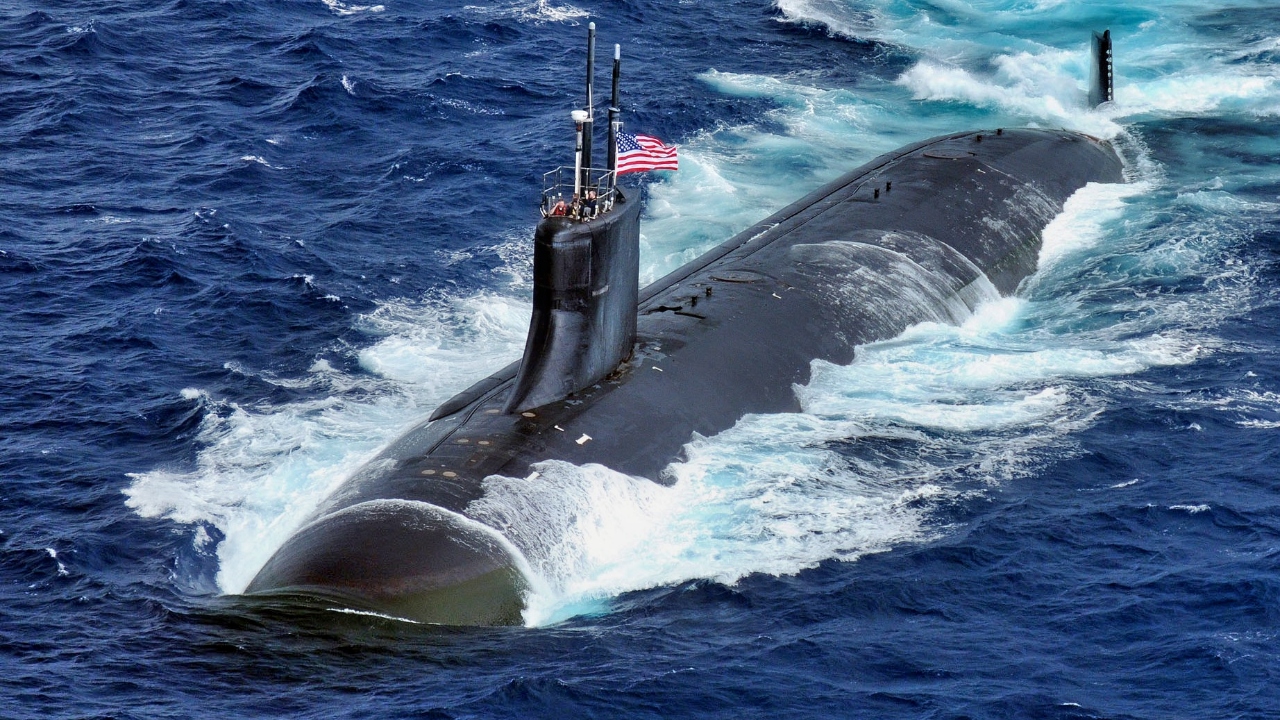
(Nov. 17, 2009) USS Connecticut (SSN 22) steams through the Pacific Ocean after participating in a 26 ship formation photo exercise. George Washington, the Navyís only permanently forward-deployed aircraft carrier participated in a photo exercise which was the culmination of ANNUALEX 21G, the largest annual bilateral exercise with the U.S. Navy and the Japan Maritime Self Defense Force. (U.S. Navy photo by Mass Communication Specialist Adam K. Thomas/RELEASED)
The later Sierra class preserved titanium’s strengths while mitigating some of its vices, but post-Cold War Russia did not double down on titanium for its front-line fleet. When Moscow needed to field modern, quiet, multi-mission attack boats to keep up with Seawolf and Virginia, it returned to low-magnetic steels for Yasen because that is where reliability, producibility, and acoustic performance met.
Industrial reality makes that American choice even clearer. The undersea force is not a boutique; it is a production line and a global sustainment enterprise. Steel boats can be built across multiple yards, their welds qualified at scale, and their battle damage repaired quickly and far from home. You cannot conjure up electron-beam welding cathedral-halls and titanium-purity workflows on a forward base after a near miss.
The Navy also fights with allies. The United Kingdom’s attack boats and Australia’s SSN program align around advanced steel hulls, pooling supply chains, procedures, and training that can be shared, audited, and expanded. Commonality is strategy. It multiplies capacity, accelerates learning, and widens repair options. Those are the things that win long wars, even if they don’t sparkle on a spec sheet.
Nor does titanium buy a truly magical sanctuary. Greater depth is tactically impressive, but modern torpedoes, rocket-assisted depth weapons, and low-frequency active sonar eviscerate the old comfort of “just go deeper.”
The geometry of likely fight spaces—from the marginal ice zone to contested chokepoints—often favors the quieter hull rather than the strongest hull. Boundary layers, thermoclines, seabed clutter, and currents make detection hard in ways that reward acoustic discretion and savvy maneuver, not raw metallurgy.
Why America Went A Different Way
The U.S. choice to put that stealth, processing power, and endurance over sprint-speed bravado continues to pay tactical dividends on patrols where the advantage goes to the boat that hears first, shoots first, and still remains in the fight tomorrow.

The U.S. Navy’s newest attack submarine, USS Seawolf (SSN 21), conducts Bravo sea trials off the coast of Connecticut in preparation for its scheduled commissioning in July 1997. The aerial image shows the sail from a starboard angle, looking forward, 9/16/1996. Jim Brennan. This image is public domain/U.S. Government photo.
The budgetary and industrial-base angles sharpen that point. Every dollar that the Navy diverts to build and sustain a titanium ecosystem is a dollar it does not spend on munitions, sensors, training, or the second production line the fleet so desperately needs.
Steel leverages existing labor pools, welding standards, and supplier networks; titanium demands specialized facilities and a workforce that must be cultivated and guarded like a national treasure.
In peacetime, that constrains output. In wartime, it throttles surge. A strategy that cannot scale is not a strategy. It is a technology demo wearing a uniform.
None of this is to argue that exotic materials do not have a role. Special-mission platforms—rescue vehicles, deep-diving testbeds, ocean engineering craft—can find value for titanium and other exotics where economics and maintainability give way to unique performance needs.
Niche is fine. But the fleet submarine is a different animal. It must be produced in numbers, carry a heavy combat load, integrate with allied supply chains, and be repaired quickly in ugly places. For that mission, advanced steels combined with relentless acoustic discipline remain the warfighter’s material solution.
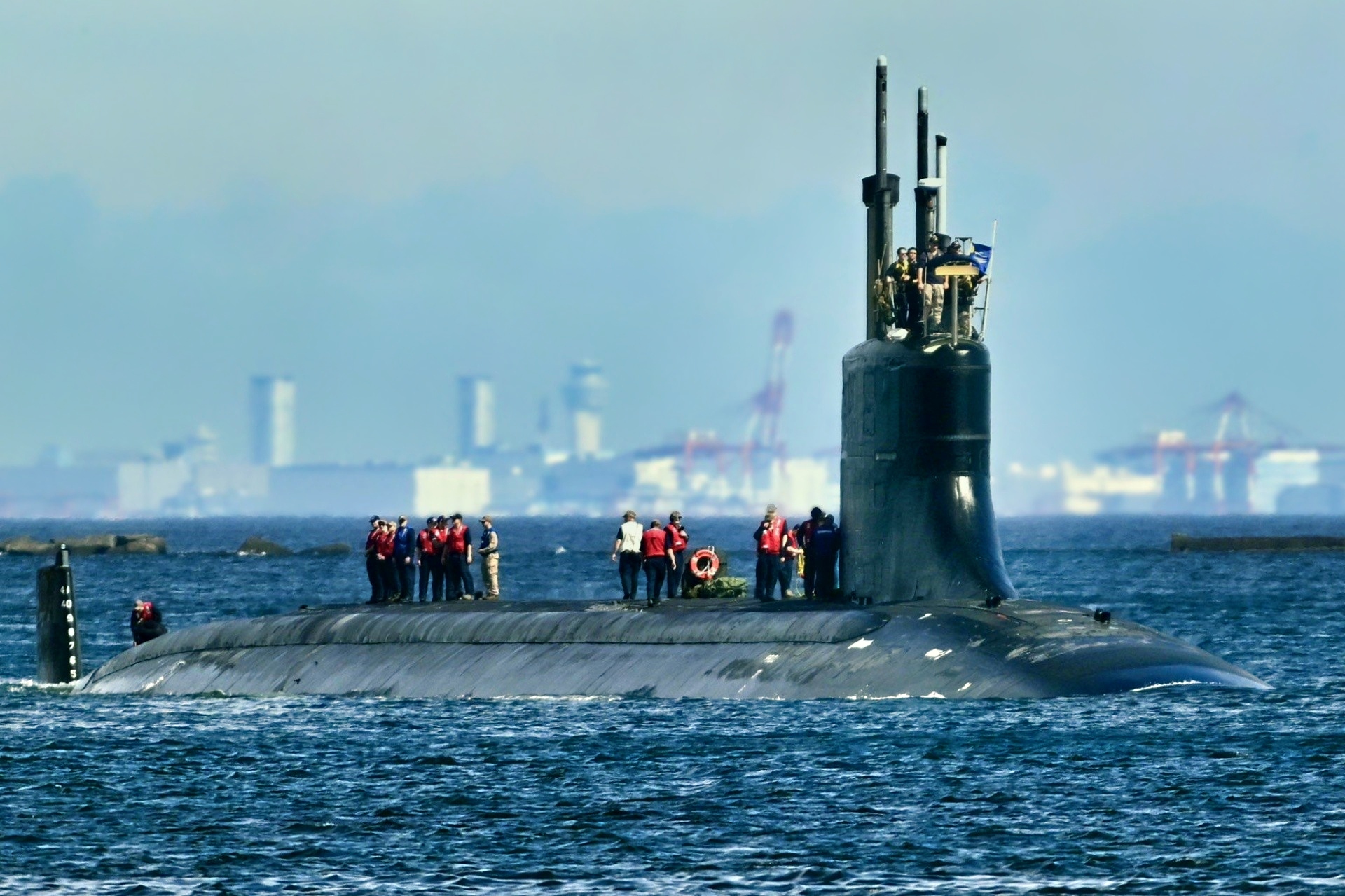
Seawolf-Class Submarine. Image Credit: Creative Commons.
So the real question is: what problem are you trying to solve? If the center of gravity in undersea warfare lies with stealth, sensing, magazine depth, reliable production, and rapid repair, the American approach squeezes the right variables. If the center of gravity is crush depth and sprint speed, the answer changes—but the ocean does not care about records. It rewards platforms that can arrive undetected, survive contact, reload, and return. Even Russia’s evolution from titanium showpieces to the steel-hulled Yasen class reinforces that point from the other side of the periscope.
A final point about time horizons closes the loop. Choosing steel did not lock the Navy in place. It freed it to innovate on what matters most.
The path forward was obvious and demanding. Drive down acoustic signatures through cleaner power and smarter isolation; push the science of propulsors; improve coatings and flow control; sharpen sonars and processing; expand weapon magazines and reload concepts; and fix the shipbuilding enterprise so boats roll off lines faster and arrive in theater with the reliability to stay there.
Titanium: The Subs America Won’t Build
Titanium produced legends and hard lessons. Steel, paired with ruthless quieting and superior sensing, produces a combat power that endures. That is not a missed revolution. That is a disciplined strategy fit for the wars we have to fight.
About the Author: Dr. Andrew Latham
Andrew Latham is a non-resident fellow at Defense Priorities and a professor of international relations and political theory at Macalester College in Saint Paul, MN. You can follow him on X: @aakatham.


