
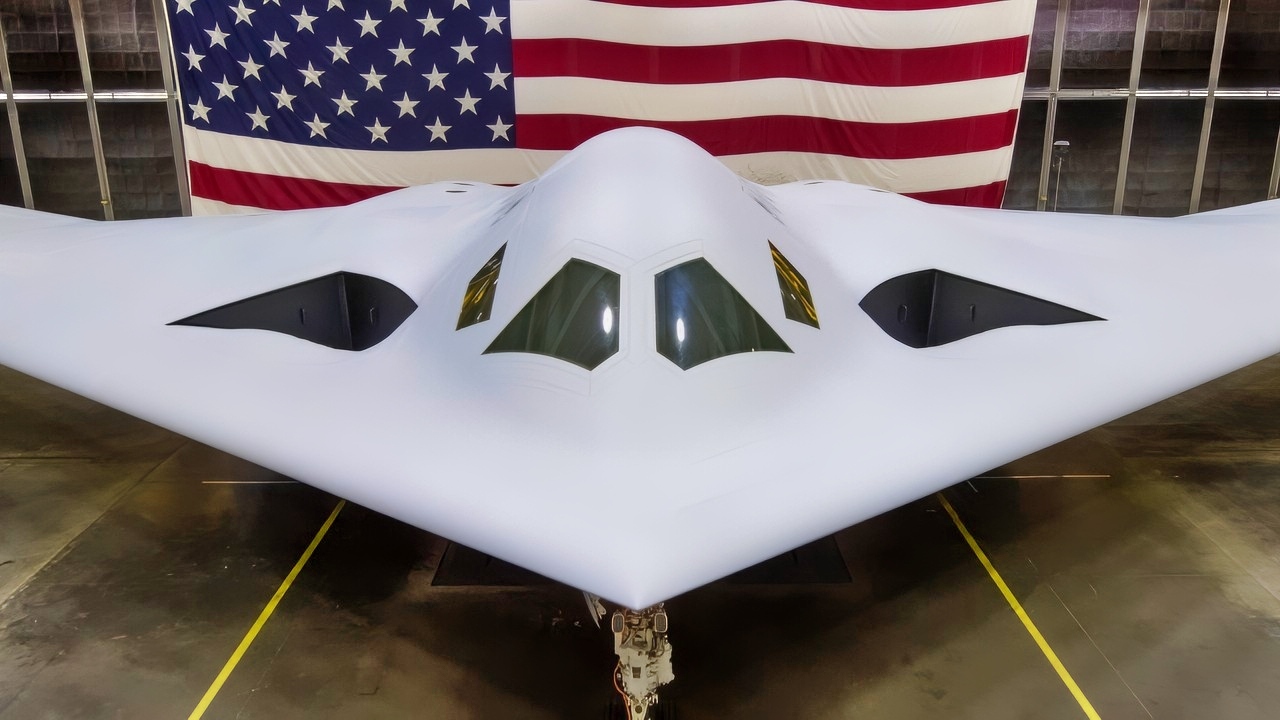
Summary and Key Points: Northrop Grumman CEO Kathy Warden has confirmed that a pivotal deal to accelerate B-21 Raider production is expected by March 31, 2026.
-Supported by $4.5 billion in congressional funding, the agreement aims to scale manufacturing at Plant 42 to meet the “urgent” demands of great-power competition.
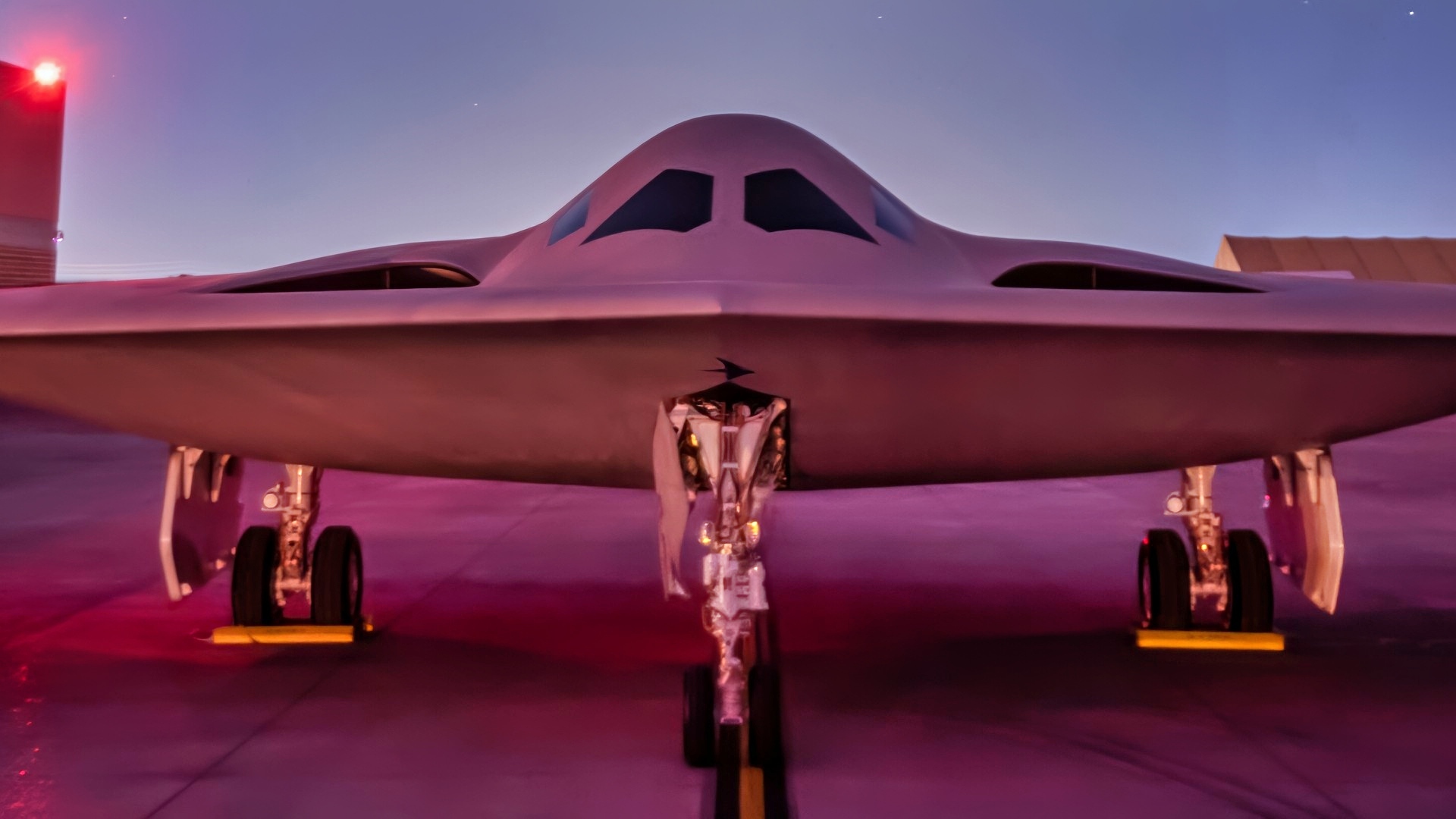
The B-21 Raider was unveiled to the public at a ceremony December 2, 2022 in
Palmdale, Calif. Designed to operate in tomorrow’s high-end threat environment, the B-21 will play a critical role in ensuring America’s enduring airpower capability. (U.S. Air Force photo)
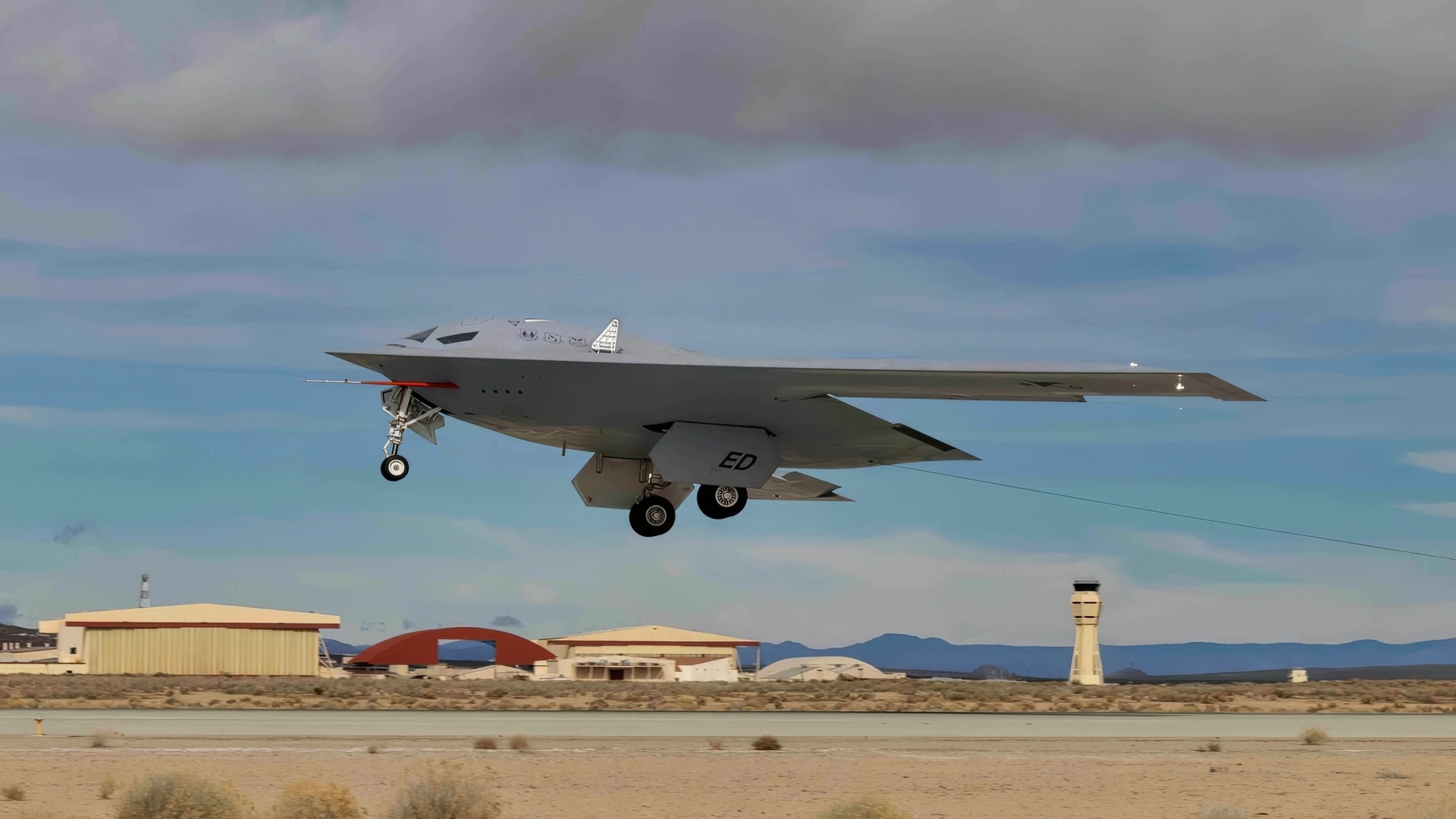
A B-21 Raider conducts flight tests, which includes ground testing, taxiing, and flying operations, at Edwards Air Force Base, California, where it continues to make progress toward becoming the backbone of the U.S. Air Force bomber fleet. The B-21 will possess the range, access, and payload to penetrate the most highly-contested threat environments and hold any target around the globe at risk. The B-21 program is on track to deliver aircraft in the mid-2020s to Ellsworth Air Force Base, South Dakota, which will be the first B-21 main operating base and location for the B-21 formal training unit. (Courtesy photo)
-While the current program of record stands at 100 aircraft, senior leaders like Gen. Anthony Cotton argue that a fleet of 200 is necessary to counter China’s nuclear expansion, which is on track to surpass 1,000 warheads by 2030.
-This production ramp-up is the essential prerequisite for any formal decision to increase the total order.
“Production Surge”: U.S. Air Force B-21 Strategy Summed Up in 2 Words
Northrop Grumman CEO Kathy Warden has said the future size of the U.S. Air Force’s next-generation B-21 Raider bomber fleet will depend first on how quickly the aircraft can be produced. A proposal to increase the total number of B-21s hinges on winning Air Force approval to accelerate deliveries in the near term, with a major decision about future production now expected by the end of March.
The comments come as Congress and the Pentagon move to expand the bomber’s manufacturing capacity, including approving $4.5 billion specifically to scale production.
The news comes as analysts and some senior military officials continue to argue that the Air Force may ultimately need far more than the current baseline of 100 aircraft, potentially as many as 200, to meet nuclear deterrence and long-range strike requirements in an era of renewed great-power competition.

U.S. Air Force Airmen with the 912th Aircraft Maintenance Squadron prepare to recover the second B-21 Raider to arrive for test and evaluation at Edwards AFB, Calif., Sept. 11, 2025. The arrival of a second test aircraft provides maintainers valuable hands-on experience with tools, data and processes that will support future operational squadrons. (U.S Air Force photo by Kyle Brasier)
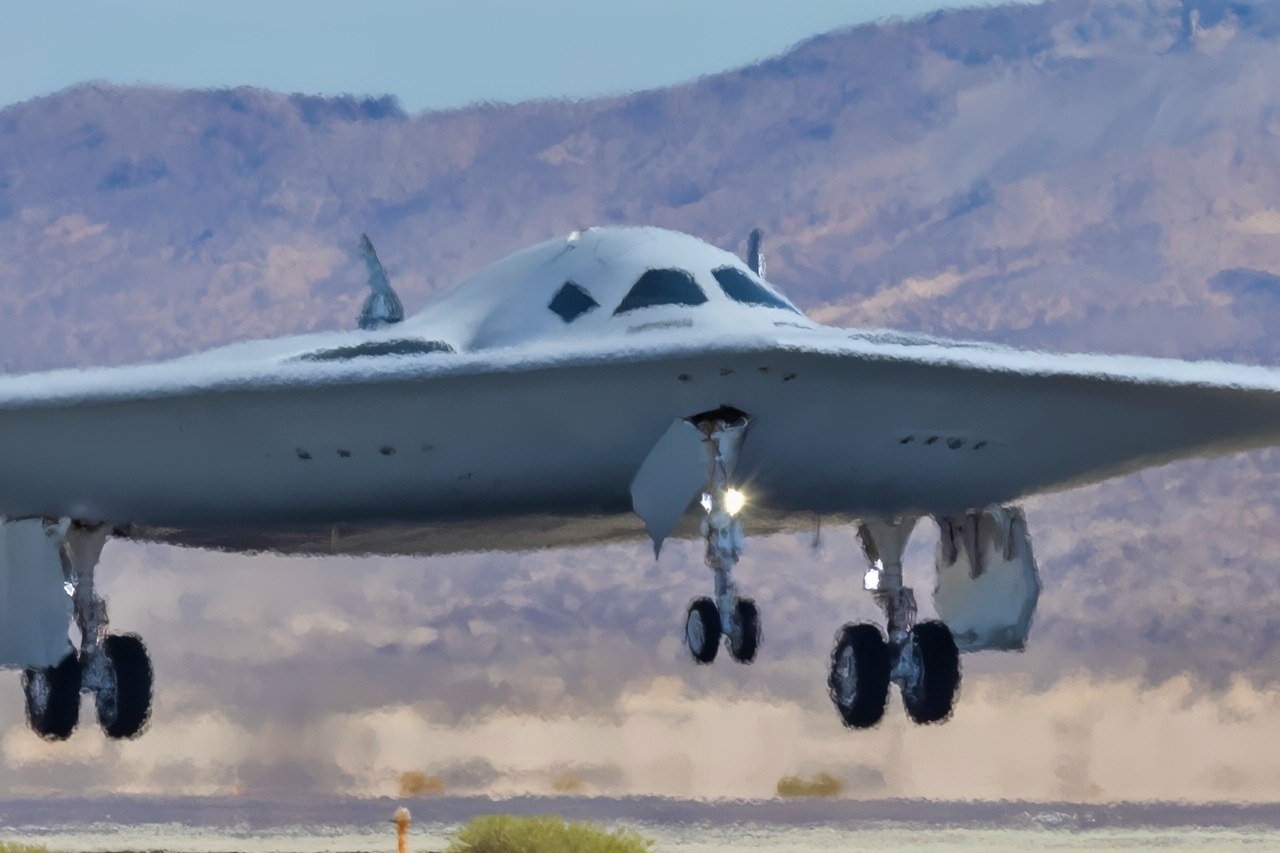
A B-21 Raider test aircraft lands at Edwards Air Force Base, Calif., during ongoing developmental flight testing, Sept. 11, 2025. The B-21 will be the backbone of the bomber fleet; it will incrementally replace the B-1 Lancer and B-2 Spirit bombers. (U.S Air Force photo by Todd Schannuth)
What the Northrop CEO Just Said on the B-21
Speaking during recent earnings discussions and reported remarks, Warden made clear that accelerating production is the first prerequisite for expanding the B-21 program beyond its current scope. She said Northrop and the Air Force are working toward an agreement that “accelerates the delivery of this game-changing capability,” adding that she was optimistic such a deal could be reached by the end of the current fiscal quarter, which ends March 31.
The proposal to increase the overall program size, she explained, depends on securing approval to accelerate deliveries first, linking industrial output directly to any potential fleet expansion.
To support that acceleration, Northrop plans to invest between $2 billion and $3 billion to expand facilities and manufacturing infrastructure. The company has already spent hundreds of millions redesigning production processes to enable higher output rates.
The efforts come as the B-21 progresses through low-rate initial production, with multiple production lots underway and additional test aircraft flying, pushing the platform closer to operational service. However, the exact production rate remains classified, and the Air Force has not publicly disclosed how quickly it plans to ramp up output – even though Congress has allocated billions specifically to enable expansion.
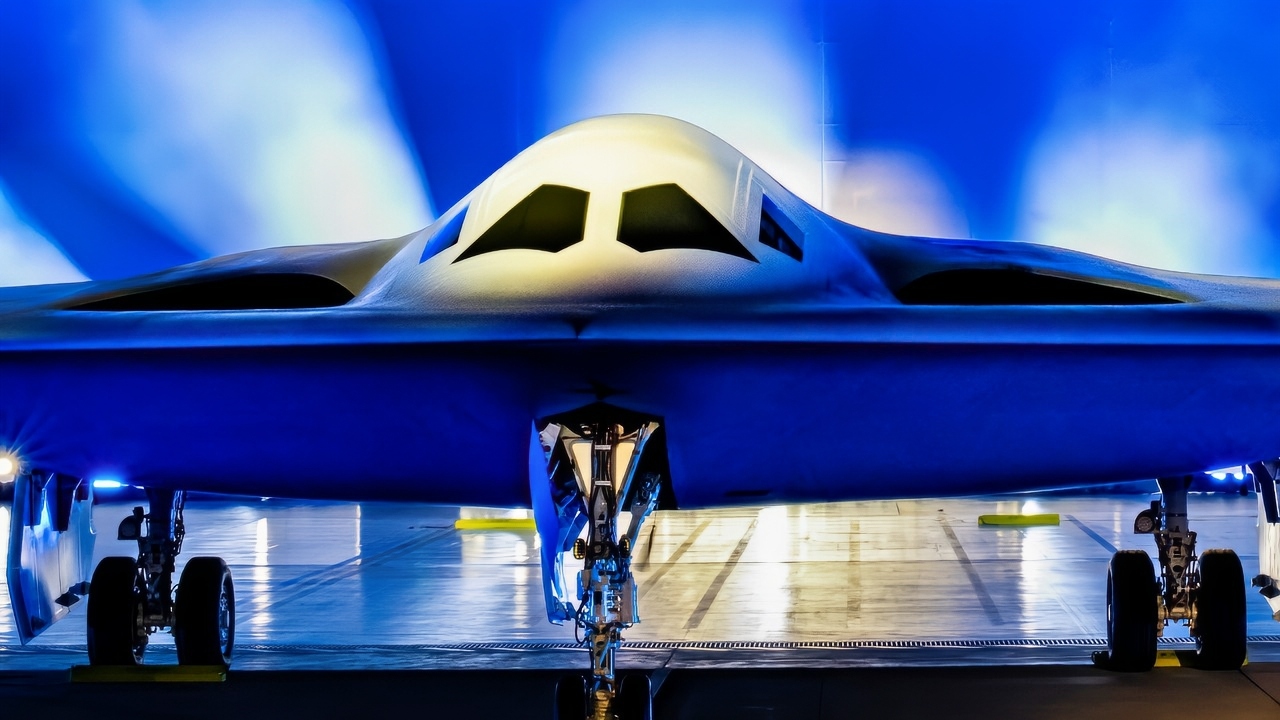
A B-21 Raider is unveiled at Northrop Grumman’s manufacturing facility on Air Force Plant 42 in Palmdale, California, Dec. 2, 2022. The B-21 will be a long-range, highly survivable, penetrating strike stealth bomber capable of delivering both conventional and nuclear munitions. (U.S. Air Force photo by Airman 1st Class Joshua M. Carroll)
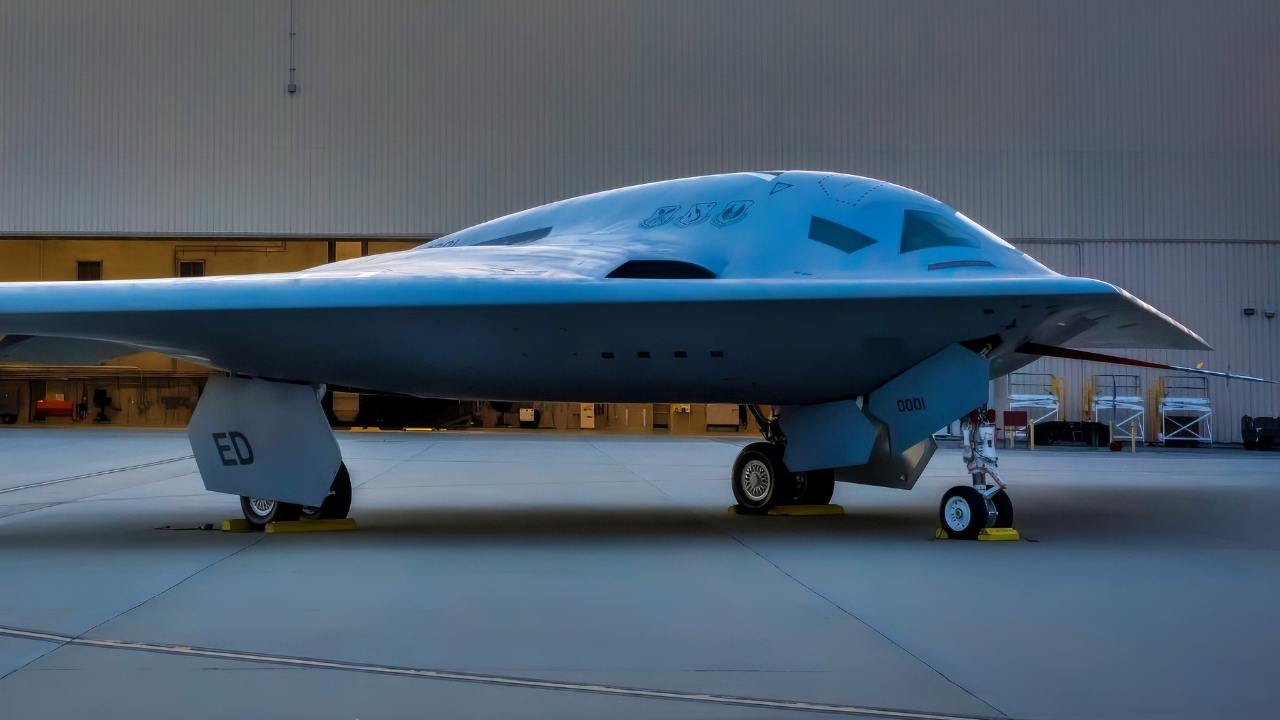
The B-21 Raider is designed with an open systems architecture, enabling rapid insertion of mature technologies and allowing the aircraft to be effective as threats evolve. The bomber was designed up front for supportability and maintainability-based upon decades of lessons learned and best practices from prior aircraft programs-to improve long-term affordability and outcomes in operations and sustainment. The B-21 first flight is anticipated to take place in calendar year 2023. (U.S. Air Force photo)
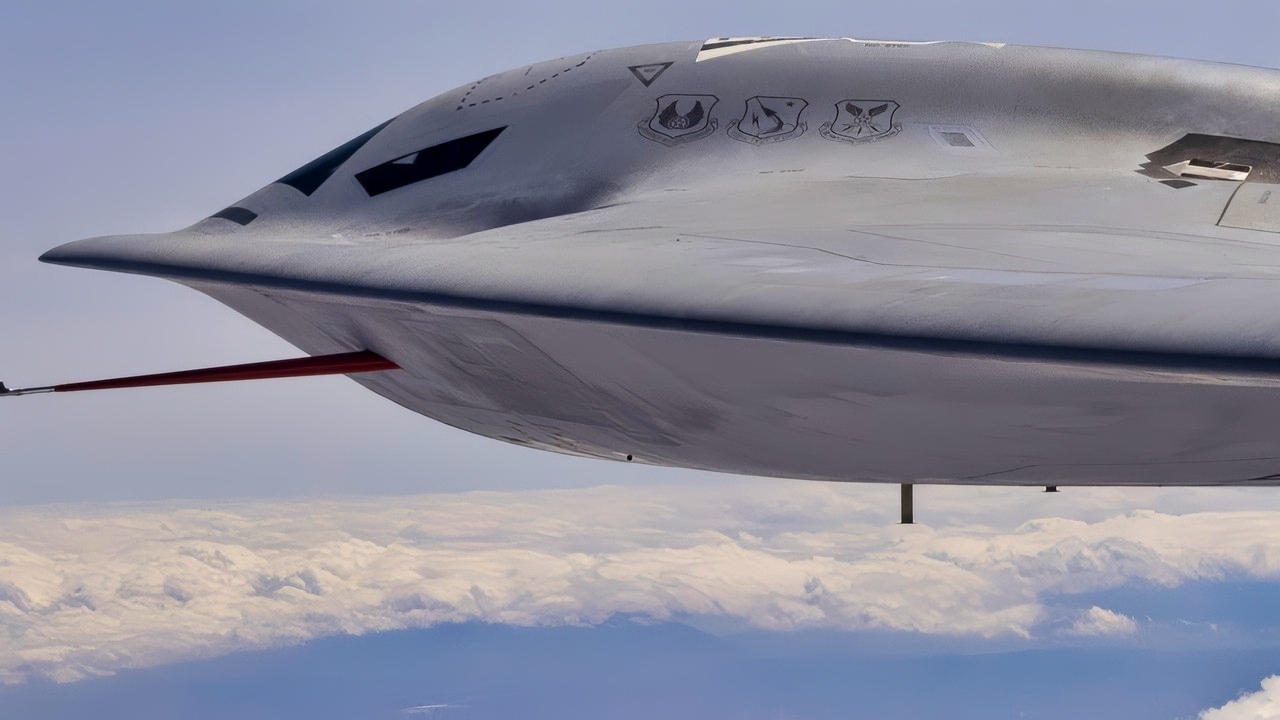
B-21 Raider. Image Credit: U.S. Air Force.
The Proposed Order Increase
The Air Force’s official program of record currently calls for at least 100 B-21 Raiders, a number originally set to replace aging Cold War-era bombers, including the B-1B Lancer and B-2 Spirit. But senior military leaders and defense planners have increasingly suggested that this baseline may be insufficient for current strategic realities.
The proposed increase in B-21 orders is not yet a formal procurement decision but rather a developing effort driven by Northrop Grumman, senior Air Force leaders, and broader Pentagon planning discussions to expand the U.S. bomber fleet beyond its current baseline of 100 aircraft.
Northrop Grumman CEO Kathy Warden explicitly tied any future increase in the program to accelerating production first. Speaking about ongoing negotiations with the Air Force, she said the company is seeking approval to ramp up manufacturing output before committing to higher total quantities.
Her comments confirm that Northrop is not proposing an immediate increase in orders independently, but is working with the Air Force to establish faster production rates, thereby enabling the service to order additional aircraft if it determines such a move is necessary.
The Air Force has repeatedly signaled interest in expanding the bomber fleet beyond the current minimum of 100 aircraft.
Gen Anthony Cotton, head of U.S. Strategic Command, testified in 2024 that he believed more than 100 B-21 bombers were necessary and pointed to concerns about a smaller fleet size’s ability to conduct global strike missions and serve as an effective deterrent.
China’s Military & Nuclear Expansion Drives Bomber Demand
The growing push to expand the B-21 fleet is closely tied to China’s rapid nuclear and military buildup, which is reshaping strategic deterrence requirements. The Pentagon now says that Beijing’s operational nuclear warhead stockpile has already surpassed 500 and is expected to exceed 1,000 by 2030, representing one of the fastest expansions of a nuclear arsenal in modern history.
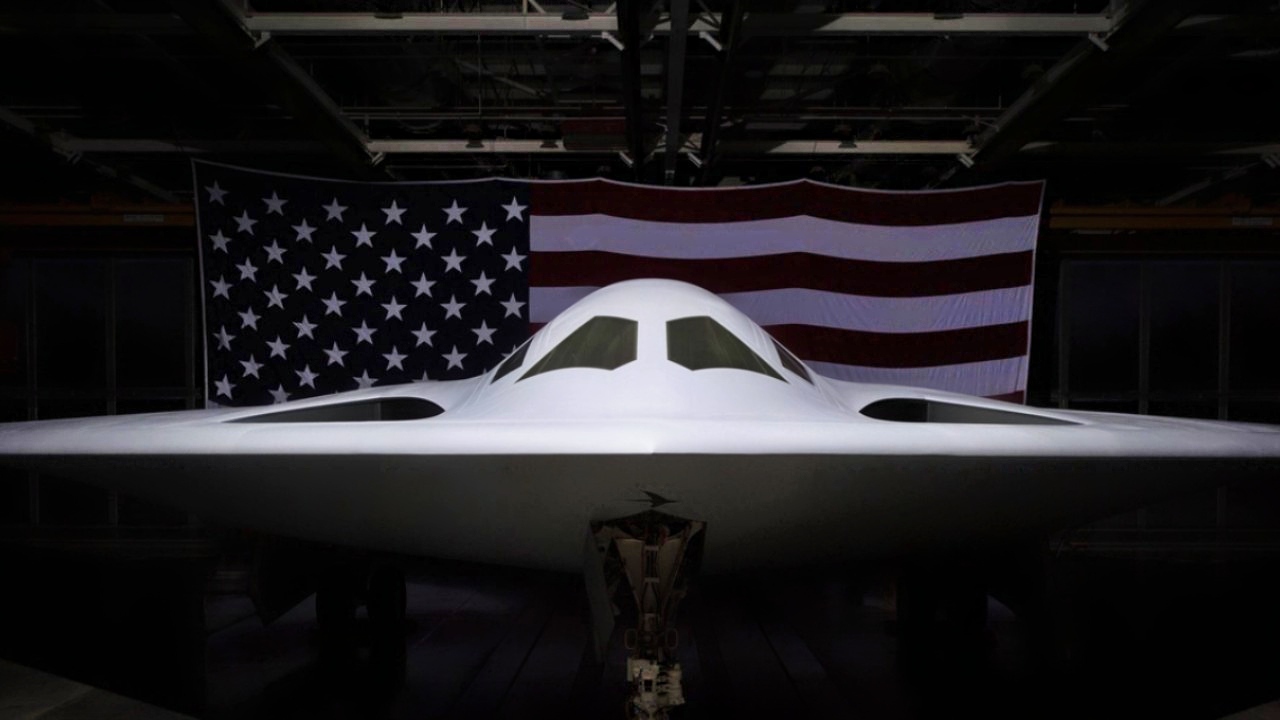
B-21 Raider Bomber. Image Credit: Creative Commons.

B-21 Raider. Image Credit: Creative Commons.
At the same time, China is developing increasingly sophisticated air defense systems and expanding its ability to threaten U.S. bases across the Indo-Pacific, forcing American planners to prioritize stealthy, long-range strike platforms capable of penetrating contested airspace. Bombers like the B-21 provide unique strategic flexibility: they can be forward-deployed to deter or serve as a deterrent, or launched from the continental United States to strike targets globally.
That evolving threat environment is one of the key reasons defense officials and analysts are increasingly calling for more B-21 bombers than originally planned – and as noted by Northrop’s CEO, we may have an answer to those calls in the near future.
About the Author: Jack Buckby
Jack Buckby is a British researcher and analyst specialising in defence and national security, based in New York. His work focuses on military capability, procurement, and strategic competition, producing and editing analysis for policy and defence audiences. He brings extensive editorial experience, with a career output spanning over 1,000 articles at 19FortyFive and National Security Journal, and has previously authored books and papers on extremism and deradicalisation.


