

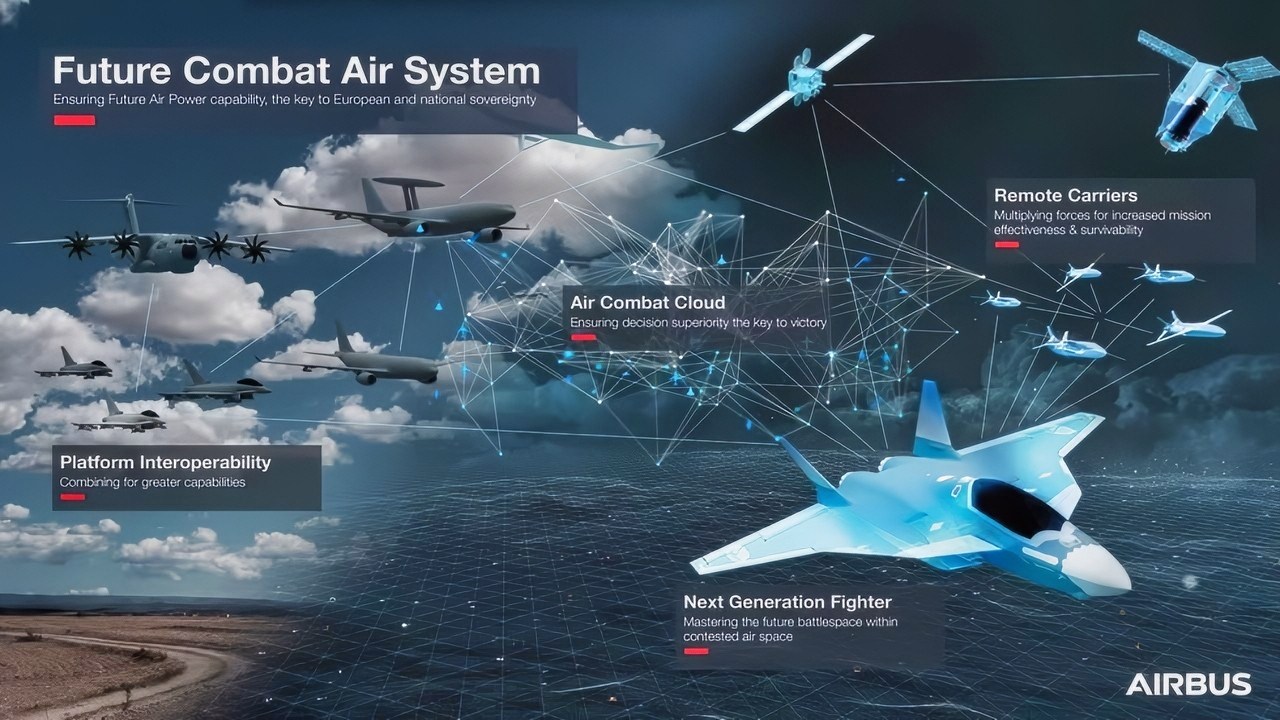
Airbus Defense and Space chief Mike Schoellhorn told an Airbus event that he would support a two-aircraft solution for the European Future Combat Air System sixth-generation fighter program if a single fighter cannot work for France, Germany, and Spain. Airbus CEO Guillaume Faury added that the assumptions behind FCAS — launched in 2017 to deliver a European sixth-generation fighter by the 2040s — are no longer valid after the war in Ukraine. France is the only partner with an aircraft carrier and an explicit nuclear weapons delivery requirement. Germany and Spain want an air superiority fighter. France’s Dassault Aviation has previously expressed a lack of confidence in the program.
The Great FCAS Split?
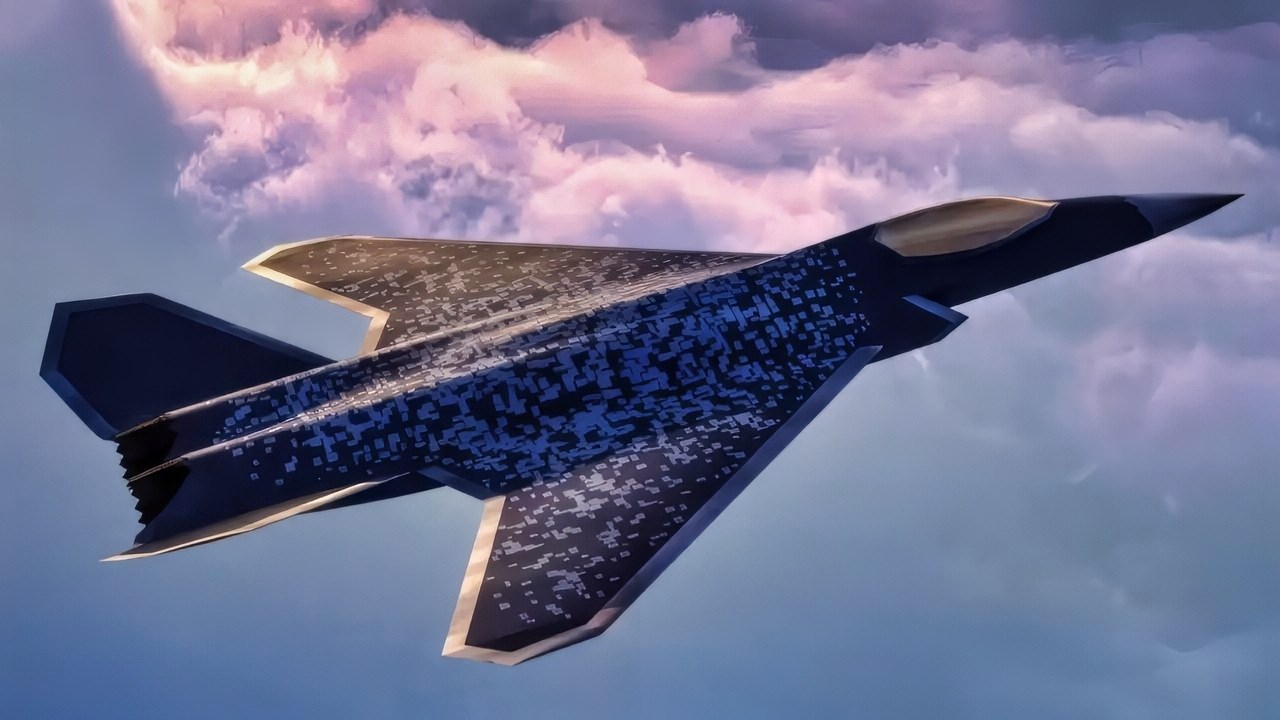
FCAS Artist Photo Creation. Image Credit: Creative Commons.
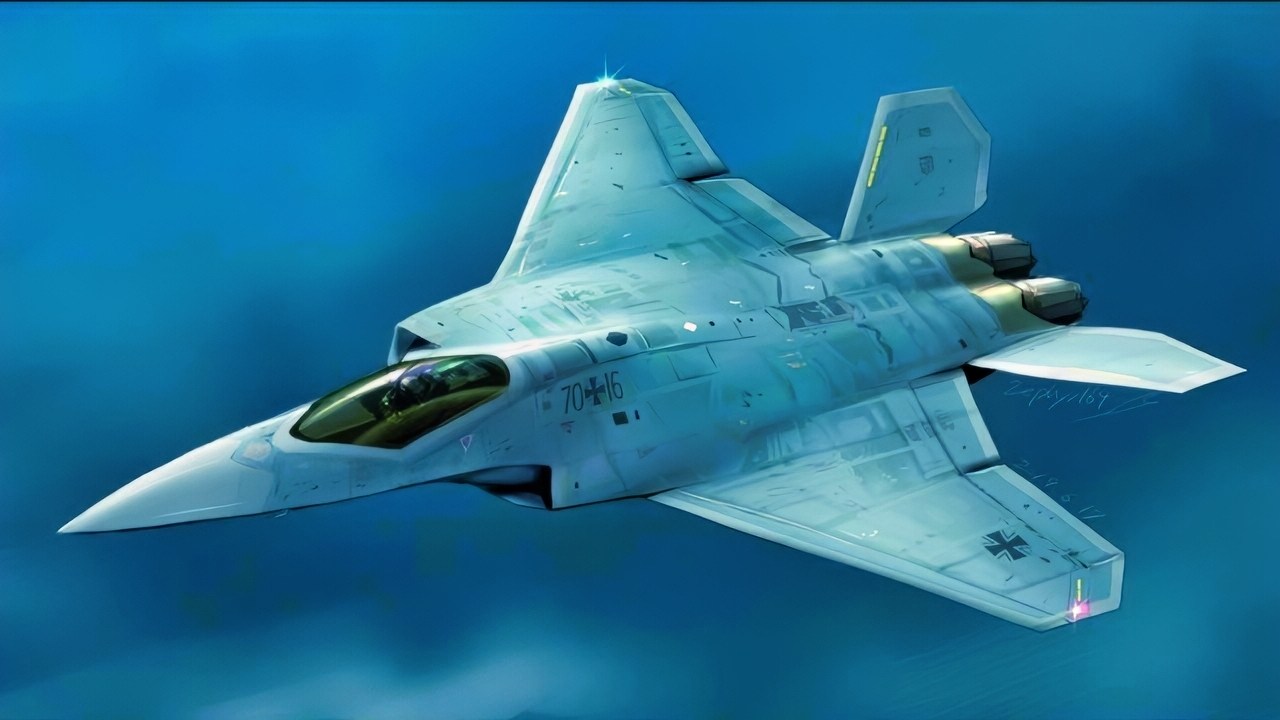
FCAS Photo Artist Image. Image Credit: Creative Commons.
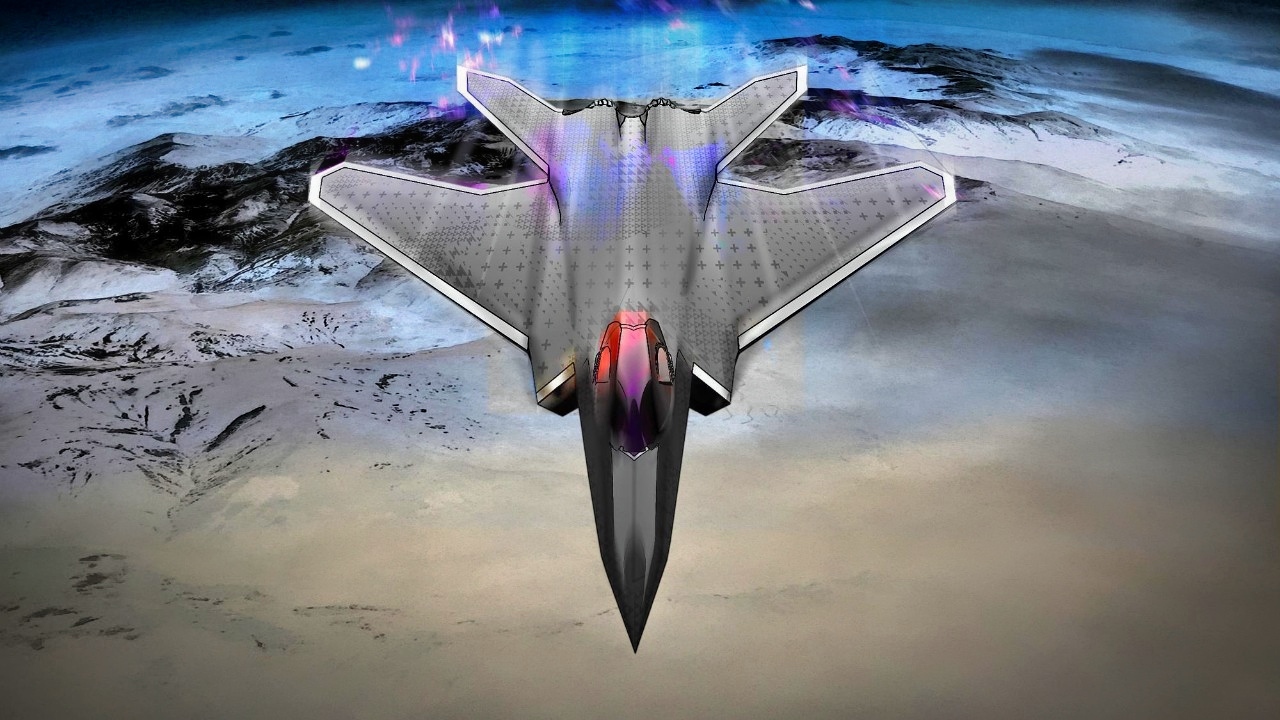
FCAS Fighter from Dassault. Image Credit: Dassault.

FCAS Fighter Mock Up. Image Credit: Creative Commons.
Aerospace giant Airbus has expressed interest in pursuing a two-aircraft option for the Future Combat Air System (FCAS) program, should that option be available.
The tripartite consortium, made up of France, Germany, and Spain, has been plagued of late by disagreements over what FCAS should be and what it should do.
But rent asunder by differing requirements, the future of FCAS appears to be up in the air — even if the aircraft that program would like to develop is not.
Speaking at an event hosted by Airbus, Mike Schoellhorn, the head of Airbus Defense & Space, explained that a reset of the program might be necessary to align the goals of all three partners.
When conceived in 2017, the Future Combat Air System’s main goal was ultimately to field a sixth-generation, entirely European-designed fighter that would replace a number of older, fourth-generation fighters in the French, German, and Spanish fleets. But as the FCAS program has matured, several major, seemingly irreconcilable differences have reared their heads, threatening not total derailment but a greatly altered FCAS plan.
Differing Requirements
Of the three FCAS partners, France is the only member with an aircraft carrier in service and, consequently, naval aviation.
And while Germany participates in NATO’s nuclear sharing agreement, and could, in a time of crisis, deliver American nuclear weapons to an adversary, France is again the only of the three FCAS members with an explicit nuclear weapons delivery requirement.
Lacking an aircraft carrier and thus the requirement that whatever kind of fighter emerges from the FCAS program be navalized, Spain and Germany, on the other hand, appear intent on building an air superiority fighter.
But extensive compromises on what the FCAS fighter is capable of risk both increasing program costs and producing a fighter that struggles to meet project requirements.
Changing Times
Guillaume Faury, Airbus Chief Executive Officer, characterized the FCAS requirements as out of step and conceived before the war in Ukraine.
According to Faury, the ongoing war in Ukraine has revealed that “a number of assumptions… [about FCAS] are no longer valid today.”
One of the core issues, Faury said, is that having three partners on the FCAS project forced compromises in order to “get to a product at a minimum cost.”
But now that the risk of war has substantially increased since the FCAS parameters are set, “the specifications become more important” than simply ensuring costs remain low.
“I think it’s better to face the difficulties and the realities of what will come in the next decade for FCAS now rather than correct it later when we have gone a long way forward,” Faury added.
Hope Springs Eternal
Schoellhorn remained bullish on the Future Combat Air System prospects, at least outwardly, going so far as to raise the prospect of FCAS ultimately yielding not one distinct fighter, but perhaps a pair of bespoke aircraft. “I’m supportive of finding a solution, and if the solution cannot be or would not be a one-fighter solution, then I support a two-fighter solution,” Schoellhorn said, adding that cost increases would not “be by very much.”
Friction could stem from objections from France’s Dassault, which has previously expressed a lack of confidence in the project. Schoellhorn acknowledged as much, saying that “what it takes to do [a two-aircraft build] is the will to do it… [and it] has to be there politically and industrially.”
“All I am saying,” Schoellhorn added, “is that we have the will to do it and the will to make it happen. I will not speak for any other parties in this because, obviously, if it were easy, then we would already have a solution.”
At this point, it is not clear which engines will power the Future Combat Air System, nor whether FCAS is a two-fighter project or if they will even share the same engines.
There is clearly significant work to be done with the FCAS project, with very real and seemingly far-distant operational requirements in mind.
Whether those differences can be ironed out — whether Madrid and Berlin can get Paris to acquiesce to their more specific, stringent requirements — remains very much to be seen.
For now, the three European capitals wait with bated breath.
MORE – The Dodge Durango of Submarine: The Virginia-Class Is Best on Planet Earth
About the Author: Caleb Larson
Caleb Larson is an American multiformat journalist based in Berlin, Germany. His work covers the intersection of conflict and society, focusing on American foreign policy and European security. He has reported from Germany, Russia, and the United States. Most recently, he covered the war in Ukraine, reporting extensively on the war’s shifting battle lines in the Donbas and writing about its civilian and humanitarian toll. Previously, he worked as a Defense Reporter for POLITICO Europe. You can follow his latest work on X.


