


The U.S. Navy’s 14 Ohio-class SSBN ballistic missile submarines form the sea-based leg of America’s nuclear triad. Each submarine carries 20 Trident II D5 submarine-launched ballistic missiles with multiple independently-targeted warheads and a range of 4,000 miles. The Ohio-class is 560 feet long, displaces 18,750 tons submerged, runs on an S8G nuclear reactor at over 20 knots, dives below 984 feet, and carries 155 sailors. Each boat operates with Blue and Gold crew rotations — 77 days at sea, then 35 days in port. The class begins retirement in 2028. The lead Columbia-class boat, the USS District of Columbia, leads a 12-ship replacement program projected at more than $130 billion.
The U.S. Navy’s Ohio-Class Problem Won’t Be Easy to Solve
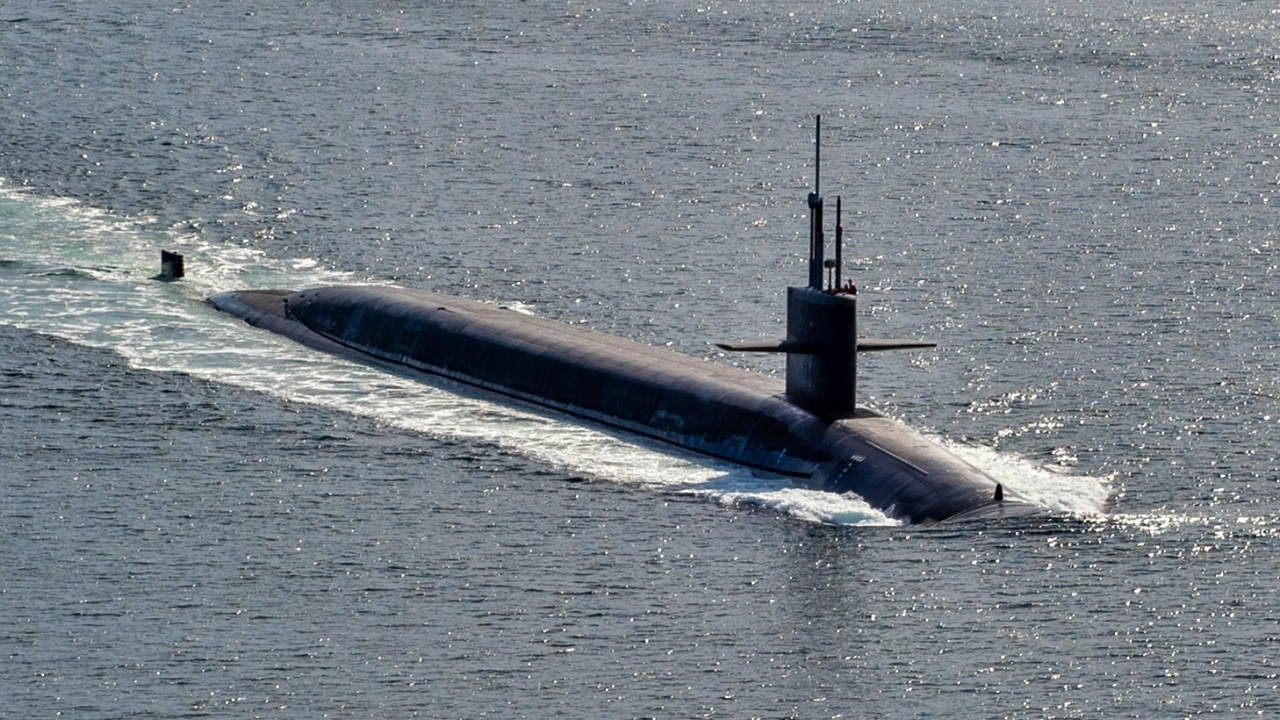
The Ohio-class ballistic-missile submarine USS Maine (SSBN 741) transits the Puget Sound during routine operations, March 18, 2025. Commander, Submarine Group (SUBGRU) 9, exercises administrative control authority for assigned submarine commands and units in the Pacific Northwest providing oversight for shipboard training, personnel, supply and material readiness of SSBNs and their crews. SUBGRU-9 is also responsible for nuclear submarines undergoing conversion or overhaul at Puget Sound Naval Shipyard in Bremerton. (U.S. Navy photo by Mass Communication Specialist 1st Class Ryan Riley)
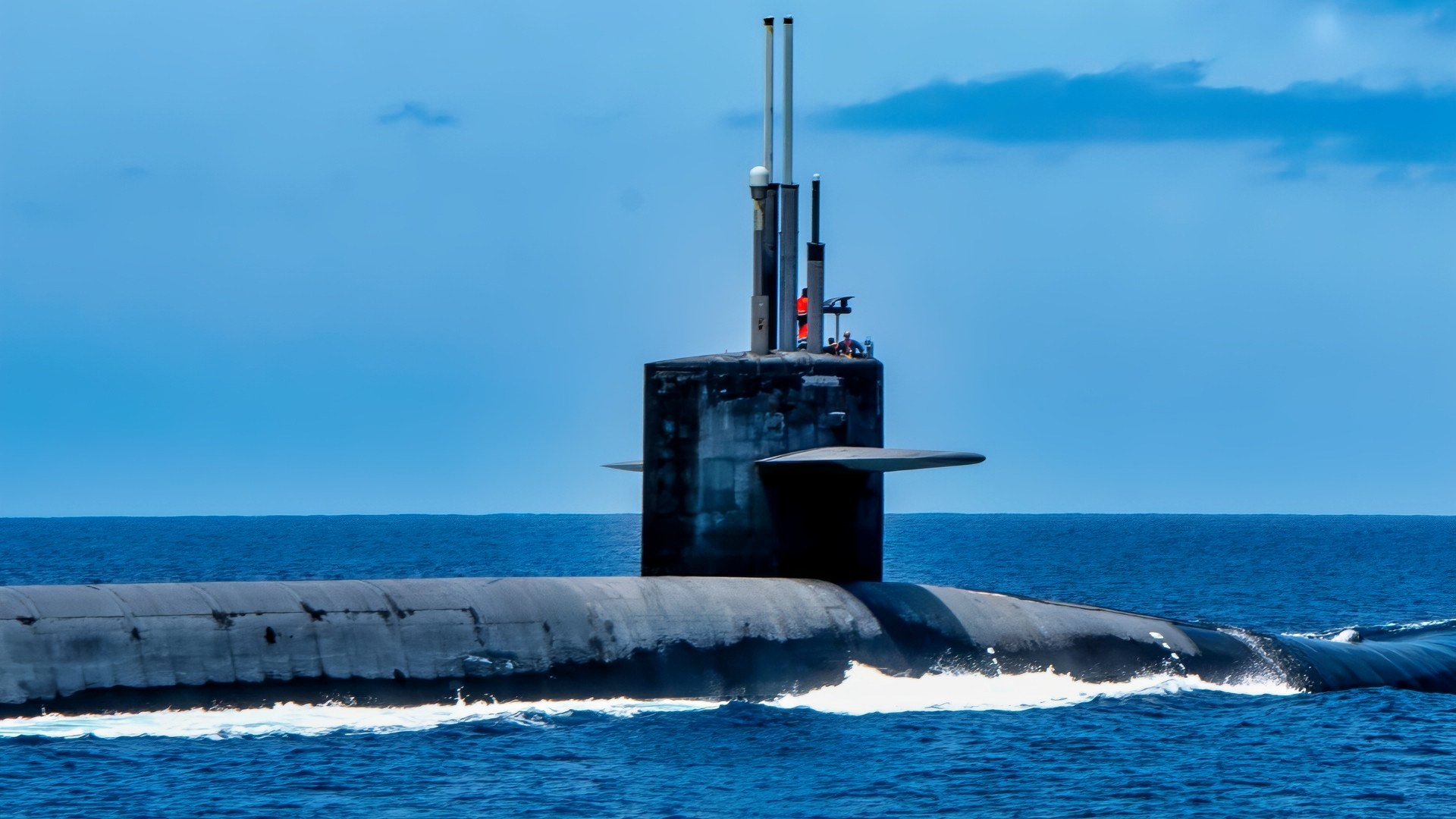
(July 29, 2025) – A U.S. Air Force A10C Thunderbolt II flies over the Ohio-class ballistic missile submarine USS Kentucky (SSBN 737) in the Pacific Ocean, July 29, 2025. The armed airborne escort exercise is designed to increase and demonstrate the Joint Force’s capability to protect strategic assets like Kentucky. Submarine Group (SUBGRU) 9, exercises administrative and operational control authority for assigned submarine commands and units in the Pacific Northwest providing oversight for shipboard training, personnel, supply and material readiness of submarines and their crews. SUBGRU-9 is also responsible for nuclear submarines undergoing conversion or overhaul at Puget Sound Naval Shipyard in Bremerton, Washington. (U.S. Navy Photo by Lt. Zachary Anderson)

The Ohio-class ballistic-missile submarine USS Maine (SSBN 741) begins a dive into the Strait of Juan de Fuca off the Washington Coast, March 18, 2025, during routine operations. Special units within the Coast Guard are tasked with the protection of U.S. Naval submarines while surfaced and transiting U.S. territorial waters to and from their patrol stations. (U.S. Coast Guard photo by Petty Officer 1st Class Steve Strohmaier)
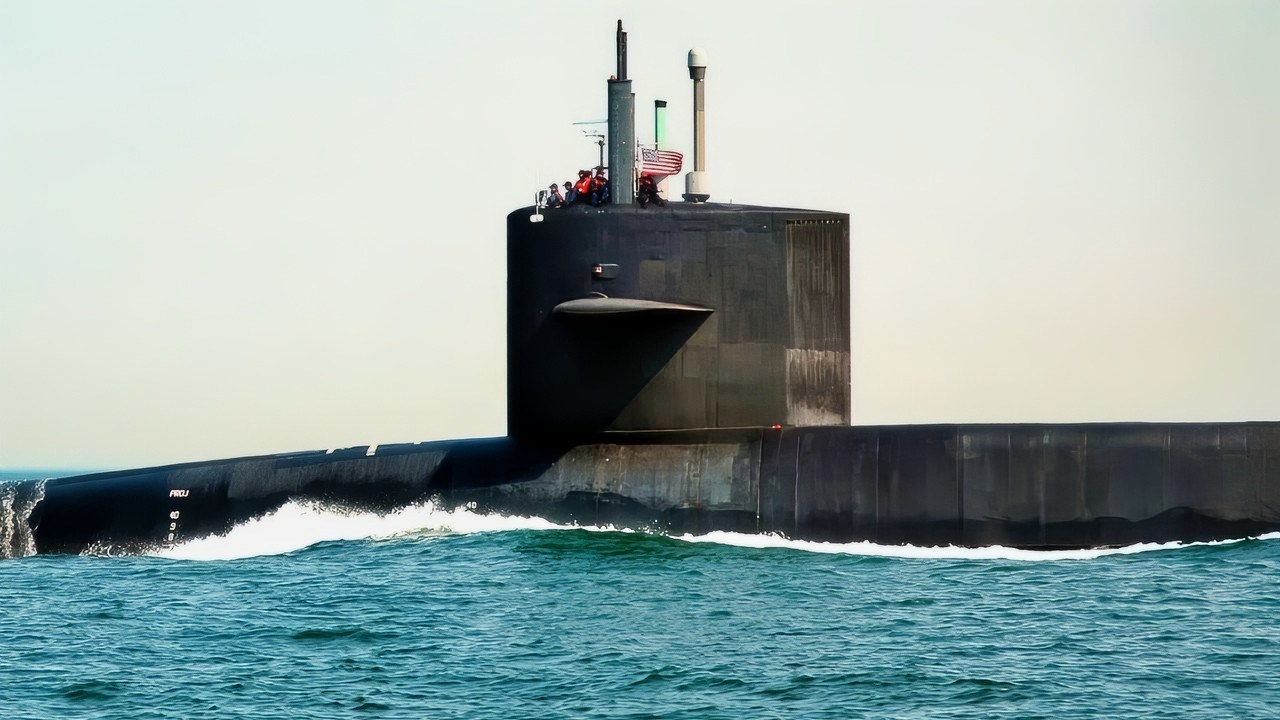
(March 31, 2006) – The guided missile submarine USS Florida (SSGN 728) conducts sea trials off the coast of Virginia. Florida will be delivered to the Fleet in April, and a Return To Service ceremony is scheduled for May 25 in Mayport, Fla. As the second of four SSBN submarines to be converted to SSGN, this nuclear-powered submarine will have the capability to: launch up to 154 Tomahawk cruise missiles; conduct sustained special warfare operations with up to 102 Special Operations Forces (SOF) personnel for short durations or 66 SOF personnel for sustained operations; and provide approximately 70 percent operational availability forward deployed in support of combatant mission requirements. U.S. Navy photo by Chief Journalist (SW/AW) Dave Fliesen.
One leg of the U.S. nuclear triad is comprised of the Ohio-class “boomer” ballistic missile submarine. These SSBNs can deliver nuclear weapons in an “assured” second-strike nuclear scenario. They are nuclear-powered as well and can run silent and deep to make an attack against a country that could start an unthinkable war with weapons of mass destruction.
The Ohio-class SSBNs (Submersible Ballistic Nuclear Submarines) are designed to deter and intimidate. They rarely surface, and their locations are always classified. The Navy does not want the prying eyes of internet sleuths to reveal where an Ohio-class SSBN is lurking.
Quick History of the Ohio-class Boomers
The Ohio-class SSBNs were commissioned between 1981 and 1997, so they are aging boats. Eighteen Ohio-class boomers were built, and they were the Navy’s biggest submarines at the time. Four Ohio-class SSBNs were converted to guided-missile SSGNs in 1994 after a Nuclear Posture Review concluded that 14 Ohio-class boomers could provide an effective level of deterrence
Under the arms-limitation requirements of New START during President Barack Obama’s two terms, the Ohio-class nuclear submarines, which launch ballistic missiles (SLBMs), underwent a reduction in force. The Ohio-class boomers would carry 20 SLBMs instead of 24.
Bringing a High Level of Death and Destruction
Ohio-class SSBNs deploy the Trident II (D5) nuclear SLBMs with multiple independently-targeted warheads. The Trident II has a range of 4,000 miles. General Dynamics has worked on the Ohio-class SSBNs’ fire control system. The defense contractor is toiling on the “strategic weapon system, including fire control subsystem installation, maintenance, sustainment, training, and repairs to navigation and launch subsystems,” the corporation states on its web page.

SILVERDALE, Wash. (Oct. 27, 2025) Ohio-class ballistic missile submarine USS Pennsylvania (SSBN 735) arrives at Naval Base Kitsap-Bangor following routine operations at sea, Oct. 27, 2025. Pennsylvania is assigned to Commander, Submarine Group (SUBGRU) 9, which exercises operational and administrative control authority for assigned submarine commands and units in the Pacific Northwest providing oversight for shipboard training, personnel, supply and material readiness of SSBNs and their crews. SUBGRU-9 is also responsible for nuclear submarines undergoing conversion or overhaul at Puget Sound Naval Shipyard in Bremerton. (U.S. Navy photo by Mass Communication Specialist 1st Class Ryan Riley).
How Does the Crew Man the Submarines?
The Ohio-class SSBNs are located in Kings Bay, Georgia, and Bangor, Washington. “On average, the submarines spend 77 days at sea followed by 35 days in-port for maintenance. Each SSBN has two crews, Blue and Gold, which alternate manning the submarines while on patrol. This maximizes the SSBN’s strategic availability, reduces the number of submarines required to meet strategic requirements, and allows for proper crew training, readiness, and morale,” according to SubmarineSuppliers.com.
They Are Key to U.S. Nuclear War Strategy
The strategy behind the Ohio-class SSBNs is called “assured second strike.” Since these submarines are always on patrol and are hidden from the enemy, they are the most significant nuclear asset in the U.S. military’s constellation of options during nuclear war. The assured second strike is thus a culmination of decades of nuclear strategy that works well in war games and simulations. If the worst-case scenario even happened, and the president gave the order to retaliate with a nuclear weapon, the Ohio-class boomers would be ready.
Slated to Retire Soon
But due to advanced age, the Ohio-class boomers will be replaced by the Columbia-class. When the Columbia-class is supposed to enter active duty, the Ohio boats will be more than 42 years old. It is time for an upgrade, and the Navy could not be happier, as the nuclear triad must be constantly improved for the assured second-strike concept to work well if nuclear war were ever sparked.
The Ohio-class will begin the retirement process in 2028 when the Columbia-class is first delivered. Some Ohio-class SSBNs could have their service life extended beyond that date. The first Columbia-class boat will be the USS District of Columbia. The next 11 will cost more than $130 billion.
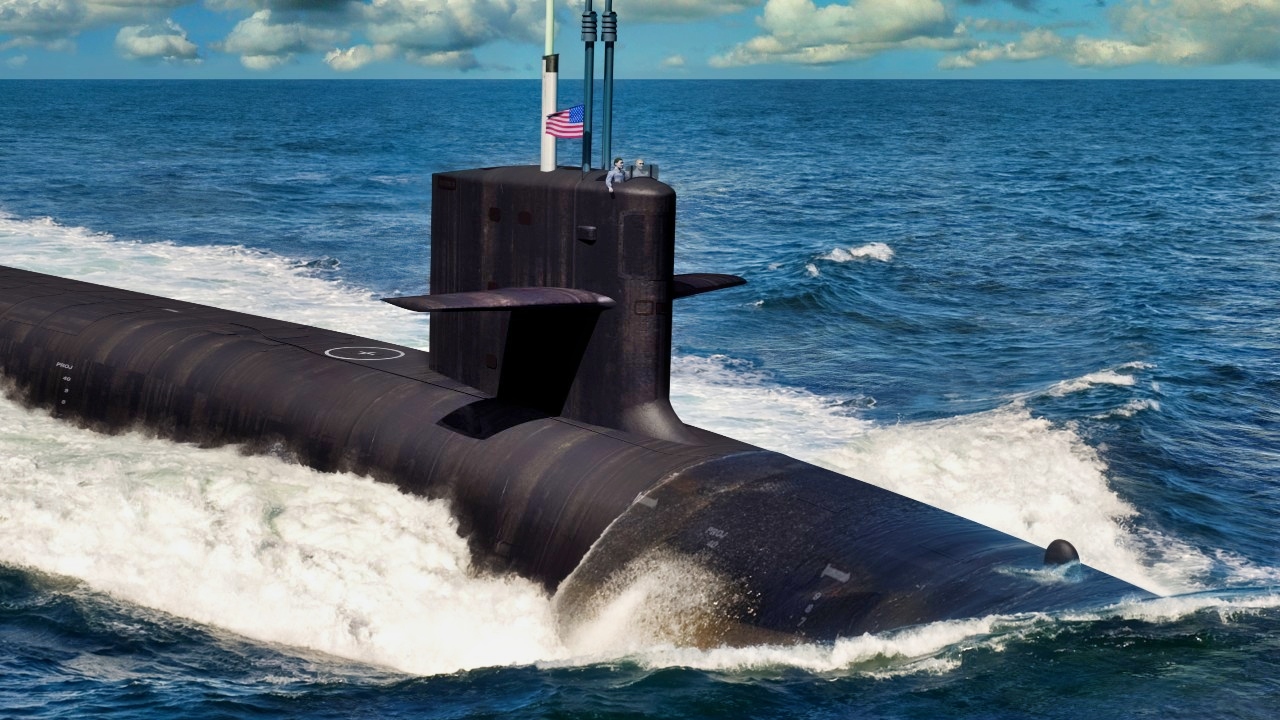
Columbia-Class Navy Handout Photo. Image Credit: U.S. Navy.
A Glimpse at the Specs for the Ohio-class Boomers
The Ohio-class SSBNs are 560 feet long with a beam of 42 feet. They displace 18,750 tons when submerged. They can reach a top speed of over 20 knots with the S8G nuclear reactor. The maximum diving depth is 984 feet. One hundred fifty-five sailors are on board.
Ohio-class SSBNs are “equipped with four bow-mounted 21-inch (533-mm) Mk 68 torpedo tubes capable of launching torpedoes,” according to Nuclear Companion.
The Ohio-class submarines boast eight launchers for the ADC (Acoustic Device Countermeasure) Mk 2 Mod 1 system, providing better protection against enemy torpedoes.
When it comes to launching nuclear missiles, the fire control system is one of the best in the world. “Although all specific details remain classified, the Mk 98 fire-control system manages the selection, targeting, and launching of the Trident II (D5) SLBMs,” Nuclear Companion said.
More Than 45 Years of Valiant Service
The Ohio-class SSBNs have done an incredible job over the last four decades. Without these boats, the nuclear triad would be considerably weaker. They are a major part of the assured second-strike strategy. Nuclear wargames are successful with the Ohio-class SSBNs.
The Navy will miss the Ohio-class. But the Columbia boats will be a huge upgrade if they stay on track after experiencing schedule slips in prior years.
The Ohio-class SSBN program has been successful. The Americans are glad that the boats have served with such a distinguished record. The sailors on board are serious about their important mission. They are well-trained and expert at their jobs.
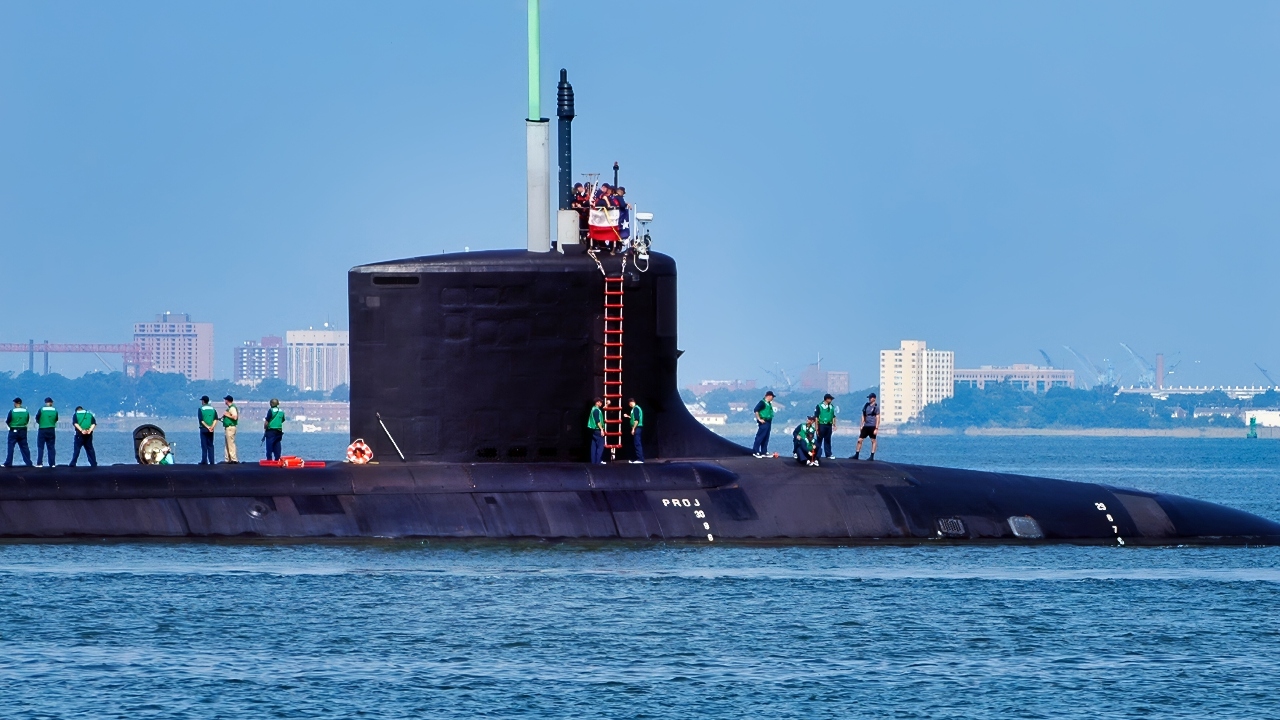
Norfolk, Va. (Aug. 22, 2006) – Sailors stationed aboard the Pre Commissioning Unit (PCU) Texas (SSN 775) stand topside as she gets underway from Naval Station Norfolk.
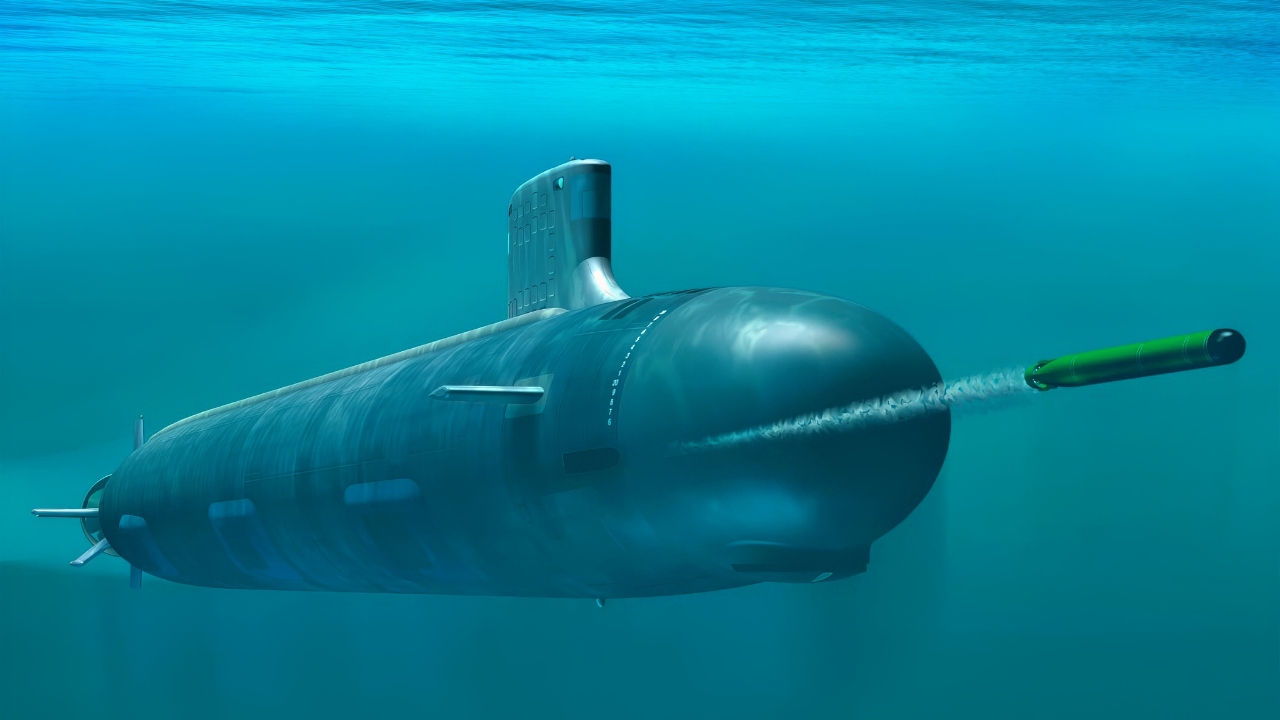
SSN 774 Virginia Class Submarine Artist Rendering from U.S. Navy.
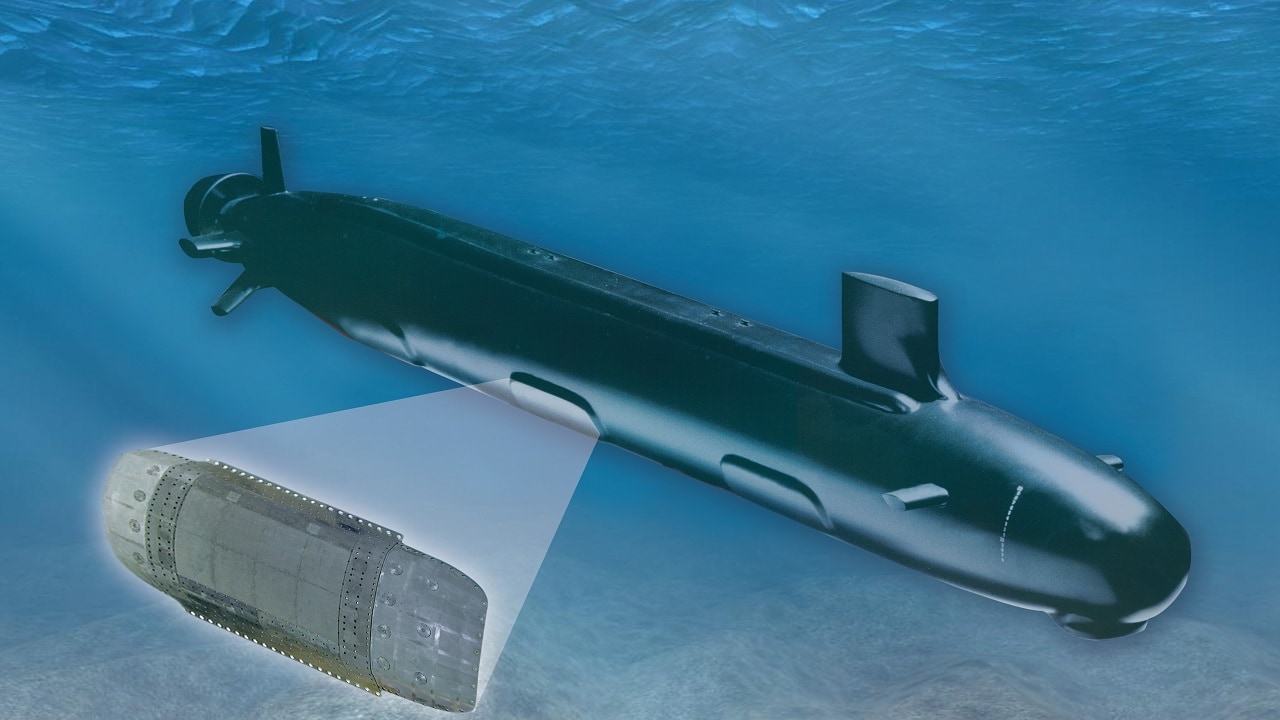
Image of Virginia-Class Submarine. Image Credit: Creative Commons.
Hopefully, no one will ever activate the Trident nuclear missiles, but officers and crew are always ready if the worst-case scenario happens. The Ohio-class runs silent and runs deep to counter a nuclear confrontation with China or Russia, and that makes its mission one of the most important in the U.S. military.
About the Author: Brent M. Eastwood, PhD
Author of now over 3,500 articles on defense issues, Brent M. Eastwood, PhD, is the author of Don’t Turn Your Back On the World: A Conservative Foreign Policy and Humans, Machines, and Data: Future Trends in Warfare, plus two other books. Brent was the founder and CEO of a tech firm that predicted world events using artificial intelligence. He served as a legislative fellow for US Senator Tim Scott and advised the senator on defense and foreign policy issues. He has taught at American University, George Washington University, and George Mason University. Brent is a former US Army Infantry officer. He can be followed on X @BMEastwood.


