


Ukraine’s Drone Force Hits Tuapse Again – Following another overnight Ukraine drone attack, a fire has broken out at the Russian Black Sea oil port and refinery on the Black Sea at Tuapse.
This is the 5th such attack this Spring and comes after several other strikes on the same complex in the past few weeks.
At the time of the attack, local authorities and environmental services were still clearing up damage to the coastline and massive oil slicks covering the beaches caused by previous strikes.
The fire itself is at a marine terminal in the Tuapse district of Krasnodar region, with local Russian authorities claiming it was not the result of a direct hit from a Ukrainian drone.
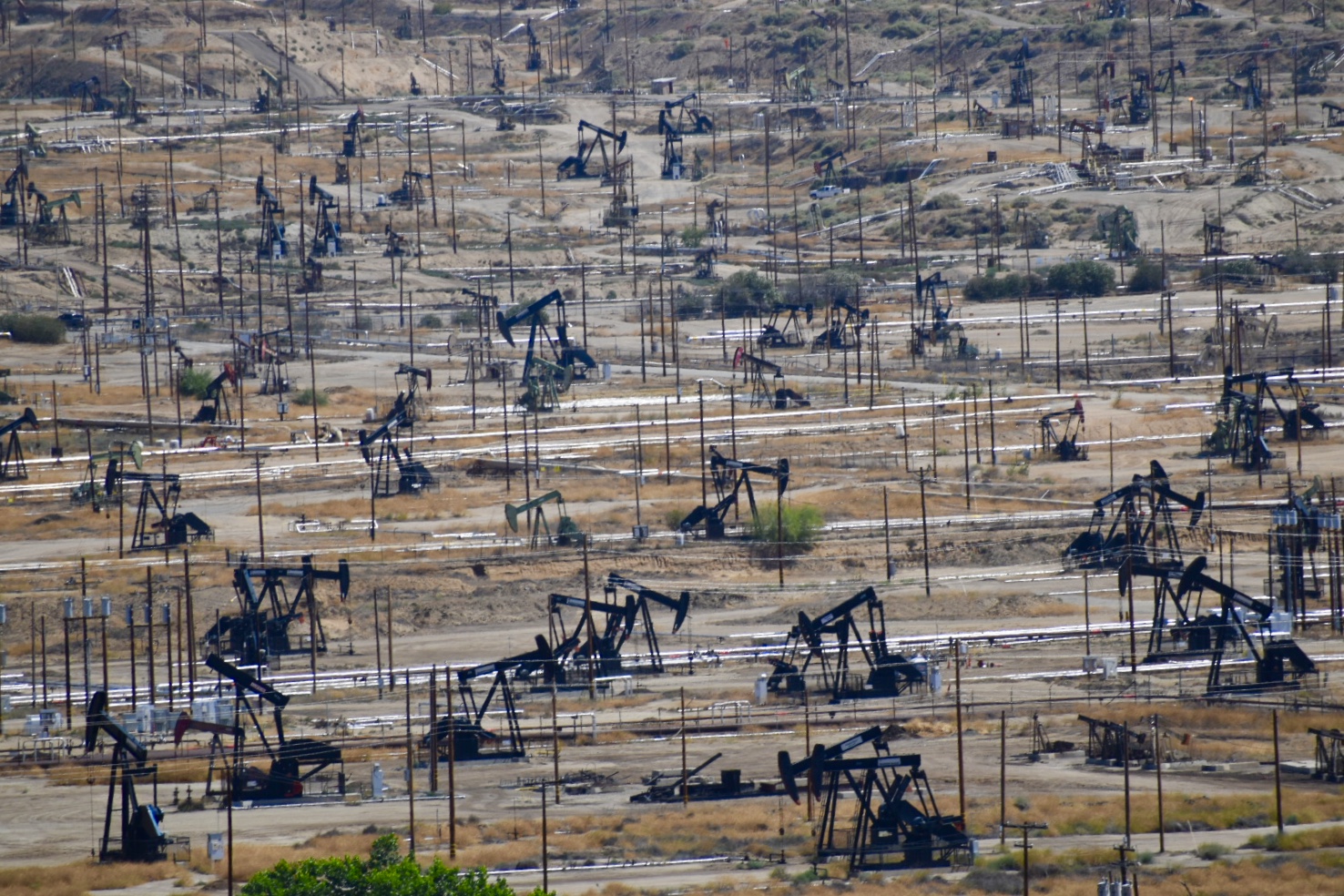
Oil fields. Image Credit: Creative Commons.
Rather, they say it began after burning “drone debris” from a successful Russian air defense unit intercept of the drone, according to reports from the regional task force posted Wednesday on Telegram.
Placing the blame for any fires on falling debris has become an almost comically repetitive statement by Russian state services and news channels. In most of these cases, the excuse of “drone debris” is used to cover up Russia’s lack of effective air defense.
London’s Daily Telegraph has been reporting for some time that Russian officials use the allegation of “drone debris” to create false narratives. These include, at one point, fabricating a drone strike on Vladimir Putin’s Valdai residence.
Perhaps not coincidentally, that same Valdai residence saw its air defense upgraded to a total of 27 separate batteries – most of them the Pantsir S1 built at KBP in Tula.
Other reports indicate Russia uses electronic warfare to jam Ukrainian drones, causing them to crash in NATO territory. Russia then claims that Kyiv purposely fired the drones on these targets to support Kremlin disinformation campaigns.
Damage to Tuapse Oil Complex
Geolocated footage published on 27 May clearly shows the fire at the Tuapse Oil Refinery in Krasnodar Krai. But what makes this strike different from the previous hits is that a Ukrainian open-source intelligence (OSINT) project’s analysis is that the strikes may have struck the refinery’s main installation.
Lieutenant Andriy Kovalenko, the head of the Ukrainian Center for Countering Disinformation, issues regular reports on successful Ukrainian strikes. He has published an image of a smoke plume at the Tuapse Oil Refinery, and it appears to show that Ukrainian forces struck the refinery again on 27 May as claimed.

Putin in 2023. Image Credit: Creative Commons.
Krasnodar Krai authorities have acknowledged a Ukrainian strike against Tuapse this evening but offer few details of the extent of any cumulative damage inflicted on the facility. The Tuapse oil refinery and marine terminals have been hit by severe, repeated waves of strikes in April, May, and late 2026.
Multiple waves of drone strikes have occurred in rapid succession (April 16, April 20, and April 28), which destroyed over 50 fuel storage tanks and halted production. Further attacks struck the marine terminal on May 1 and then again in this most recent attack on 27 May, resulting in a prolonged regional emergency. More than 80 people and 25 pieces of equipment, including Emergency Ministry units, have been involved in putting out the fire from the 27 May attack, report local authorities, without elaborating further.
These 2026 strikes caused a major environmental crisis, generating thick, toxic smoke and oil slicks along the Black Sea coastline. The area is now described by many residents as an environmental disaster zone.
They have decried the “black rain” that results from the oil refinery “erupting like a volcano” and spewing oil into the atmosphere, and have referred to Tuapse as “Hiroshima without the radiation.”
Crippling Russia’s War Effort
For some time now, there have been claims that these attacks on Russia’s oil and gas infrastructure were choking off Russian President Vladimir Putin’s war machine – depriving Moscow’s military of supplies of petrol and other fuels and lubricants.
More importantly, the revenue the Kremlin receives from oil exports threatens the funding Putin requires to keep his weapons enterprises running.
Ukraine estimates that its strikes on Russian oil enterprises and refineries cost Moscow $13 billion in revenue in 2025 and another $7 billion so far this year. Ukrainian President Volodymyr Zelenskiy has attributed these losses to direct hits on Russian oil facilities, prolonged outages, and disruptions to oil shipments for export.
He said that April had marked “a new level” in the campaign and pointed out Russia’s shrinking oil revenues, as well as the increasing number and effectiveness of the Ukrainian strikes.
“It is important that not only is the target itself reached, as defined by the operational objective, but that the downtime of the target is increased or, at the very least, its operations are significantly reduced,” said the Ukrainian president.
About the Author: Reuben F. Johnson
Reuben F. Johnson has thirty-six years of experience analyzing and reporting on foreign weapons systems, defense technologies, and international arms export policy. Johnson is the Director of Research at the Casimir Pulaski Foundation. He is also a survivor of the Russian invasion of Ukraine in February 2022. He worked for years in the American defense industry as a foreign technology analyst and later as a consultant for the U.S. Department of Defense, the Departments of the Navy and Air Force, and the governments of the United Kingdom and Australia. In 2022-2023, he won two awards in a row for his defense reporting. He holds a bachelor’s degree from DePauw University and a master’s degree from Miami University in Ohio, specializing in Soviet and Russian studies. He lives in Warsaw.


