
America’s emergency oil stockpile is shrinking at one of the fastest rates ever recorded as the war with Iran continues to disrupt energy flows through the Strait of Hormuz. The U.S. and its allies are burning through the reserves meant to protect them from a prolonged crisis, but analysts can’t all agree whether it poses a long-term risk to the United States. They can, however, predict that it will cause major economic instability in the near future.
The Strategic Petroleum Reserve (SPR) has fallen sharply since the conflict began, while commercial inventories are also declining, and U.S. crude exports have increased to replace barrels that are no longer moving out of the Persian Gulf. The result is a growing energy squeeze that has not yet produced full-blown shortages in the United States, but is rapidly reducing the margin for error – the backup reserve – heading into the summer season when demand is expected to rise.

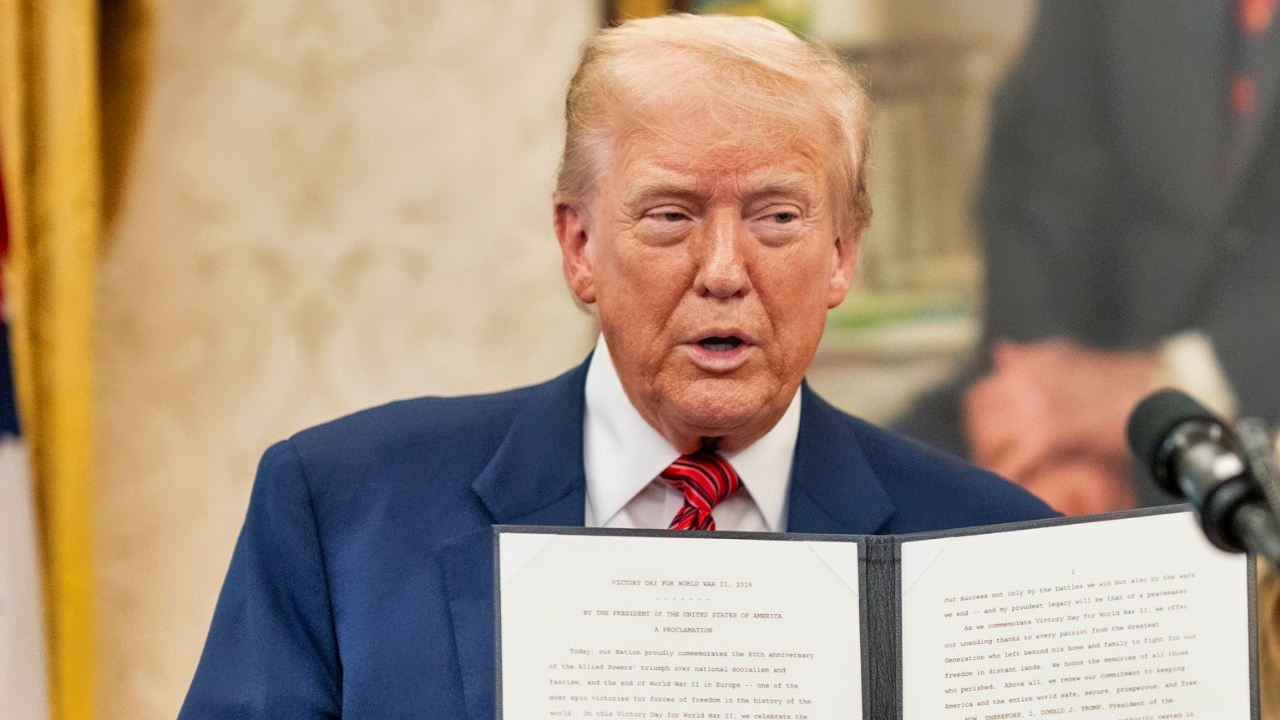
Donald Trump In a Meeting. Image Credit: Creative Commons.
The Strait of Hormuz normally handles about one-fifth of global oil trade. Since the war began on February 28, traffic through the waterway has remained heavily restricted, trapping large volumes of crude and forcing governments to rely on emergency releases, alternative suppliers, and demand-restricting measures to keep markets functioning.
The Reserve Is Being Drained
The SPR was created for moments just like this. Stored in underground salt caverns in Texas and Louisiana, it is designed to provide emergency crude during wars, hurricanes, natural disasters, and other major supply disruptions. But the scale of the drawdown is becoming quite difficult to ignore. Federal data shows that the reserve fell by 7.9 million barrels during the week ending May 15, the largest weekly drop on record. That followed another historically large decline the week before.
Since the war with Iran began, the SPR has dropped by roughly 10%, leaving it at about 374 million barrels. There is still a major emergency reserve, but it is far below the levels America held before the last several years of crises.
Unprecedented Withdrawals Return
The SPR had already been reduced by President Joe Biden, who released “unprecedented” quantities during his time in office. President Donald Trump criticized that decision at the time, arguing that the reserve was being used to lower gasoline prices before an election. Now, facing a much larger disruption in the Persian Gulf than the war in Ukraine did, Trump’s administration is relying on exactly the same emergency tool to help stabilize the global markets.

Former Vice President of the United States Joe Biden speaking with attendees at the 2019 Iowa Federation of Labor Convention hosted by the AFL-CIO at the Prairie Meadows Hotel in Altoona, Iowa.
Commercial Inventories Are Falling Too
The problem isn’t limited to the government reserve. U.S. commercial crude inventories also fell sharply in May, with total crude stocks dropping by 17.8 million barrels in the week ending May 15. Commercial inventories, excluding the SPR, stood at around 445 million barrels, about 2% below the five-year average for this time of year.
Distillate inventories, which include diesel and heating oil, are even further below normal levels.
Cushing, Oklahoma, also serves as another warning sign. The storage hub is watched closely because it is the delivery point for West Texas Intermediate crude futures. Inventories have reportedly fallen from about 33 million barrels seven weeks ago to roughly 24.5 million barrels, moving closer to levels that analysts would describe as operationally low. Oil tanks cannot be simply drained to zero; a certain amount of crude must always remain in the systems to keep the pipelines and refineries functioning properly.
America Is Now Supplying the World
Part of the pressure is also coming from exports. The United States is now supplying oil to countries that have been hit harder by the disruption in the Strait of Hormuz, particularly in Europe and Asia.
Those efforts are diplomatic in a way, but they’re also necessary to avoid global economic pressure that will ultimately affect the United States.
However, that supply is causing political tension at home, where critics say that emergency crude should remain in the United States – especially at a time when American drivers are facing high gasoline prices.
Without the U.S. providing that last-resort supply, however, the global economy will be affected. If Europe and Asia lose access to Persian Gulf crude and the United States refuses to ship replacement barrels, global prices could rise even faster. That would eventually feed back into U.S. prices.
The U.S. Is Not Alone
The U.S. is not the only country dipping into its emergency supplies. Governments around the world have been drawing down emergency stockpiles since the war began.
The International Energy Agency coordinated a release of about 400 million barrels in March from industrialized countries’ emergency reserves.
The move helped stabilize markets, but it also reduced the buffer available if the crisis continues. Global inventories reportedly fell by 246 million barrels in March and April, and analysts warn that commercial stocks could reach critically low levels by the end of June if supply conditions do not improve.
About the Author: Jack Buckby
Jack Buckby is a British researcher and analyst specializing in defense and national security, based in New York. His work focuses on military capability, procurement, and strategic competition, producing and editing analysis for policy and defense audiences. He brings extensive editorial experience, with a career output spanning over 1,000 articles at 19FortyFive and National Security Journal, and has previously authored books and papers on extremism and deradicalization.


Bill
May 29, 2026 at 3:36 pm
This article is inaccurate; our reserves are still half full. It has been rapidly depleted, but is still one of the largest oil reserves in the world, so we’re not in danger of running out of oil. It will take years to refill the reserves, which in turn will likely push gas prices up.