

Saudi Aramco CEO Amin Nasser warned Monday that the world is losing approximately 100 million barrels of oil per week. Tanker traffic through the Strait of Hormuz has collapsed due to the Iran war, from 70 vessels per day to 2-5. The International Energy Agency announced its largest coordinated strategic reserve release in history — 400 million barrels from 32 member states. The U.S. authorized the release of 172 million barrels from the Strategic Petroleum Reserve. Reuters-polled analysts now expect oil demand to outpace supply by 750,000 barrels per day this year. Just months ago, they forecast a surplus of 1.63 million barrels per day. IEA Executive Director Fatih Birol said strategic reserve releases “will only help to reduce the pain” rather than solve the supply crisis.
The Iran War Has Created a Strait of Hormuz Crisis: That Means an Oil Crisis
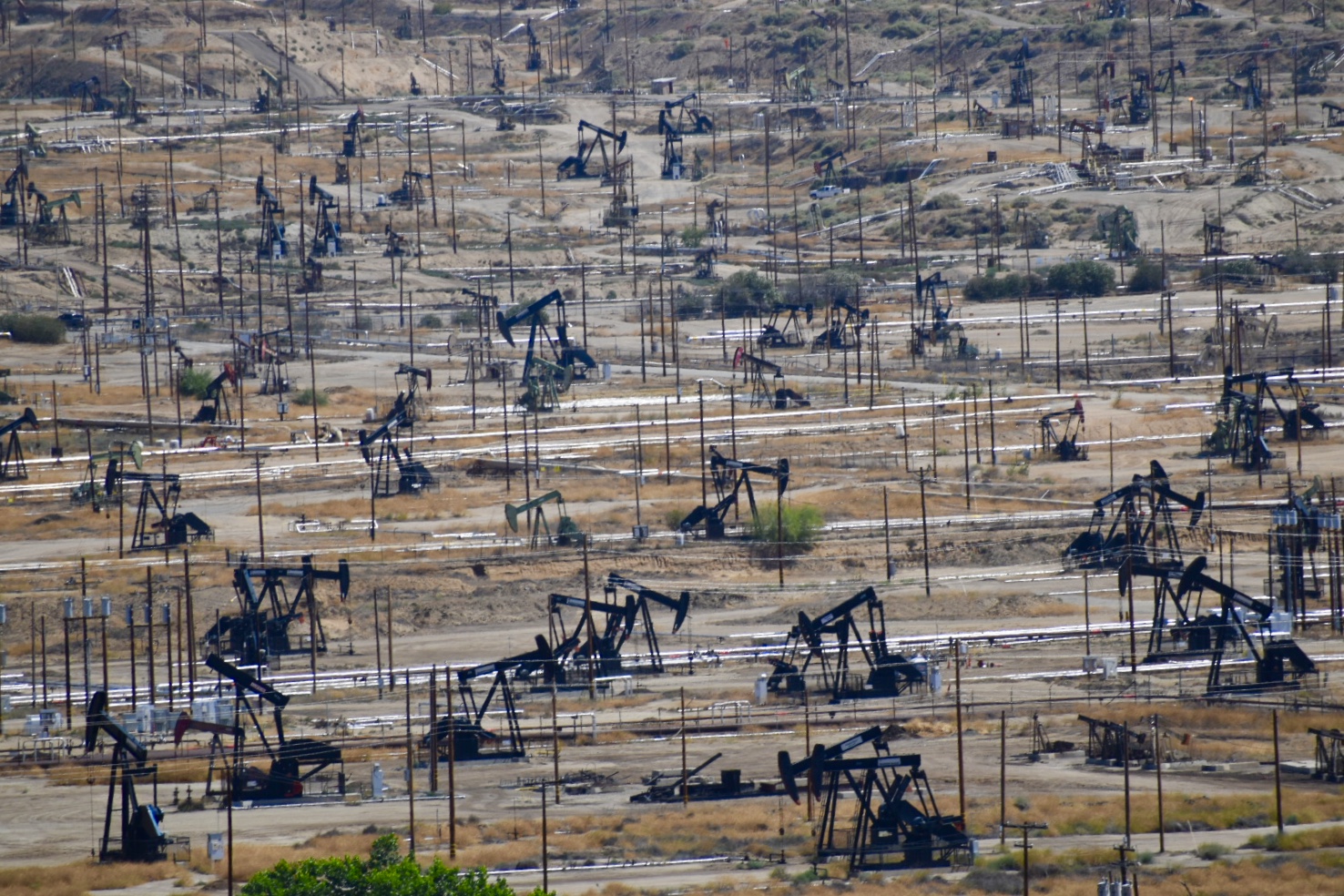
Oil fields. Image Credit: Creative Commons.
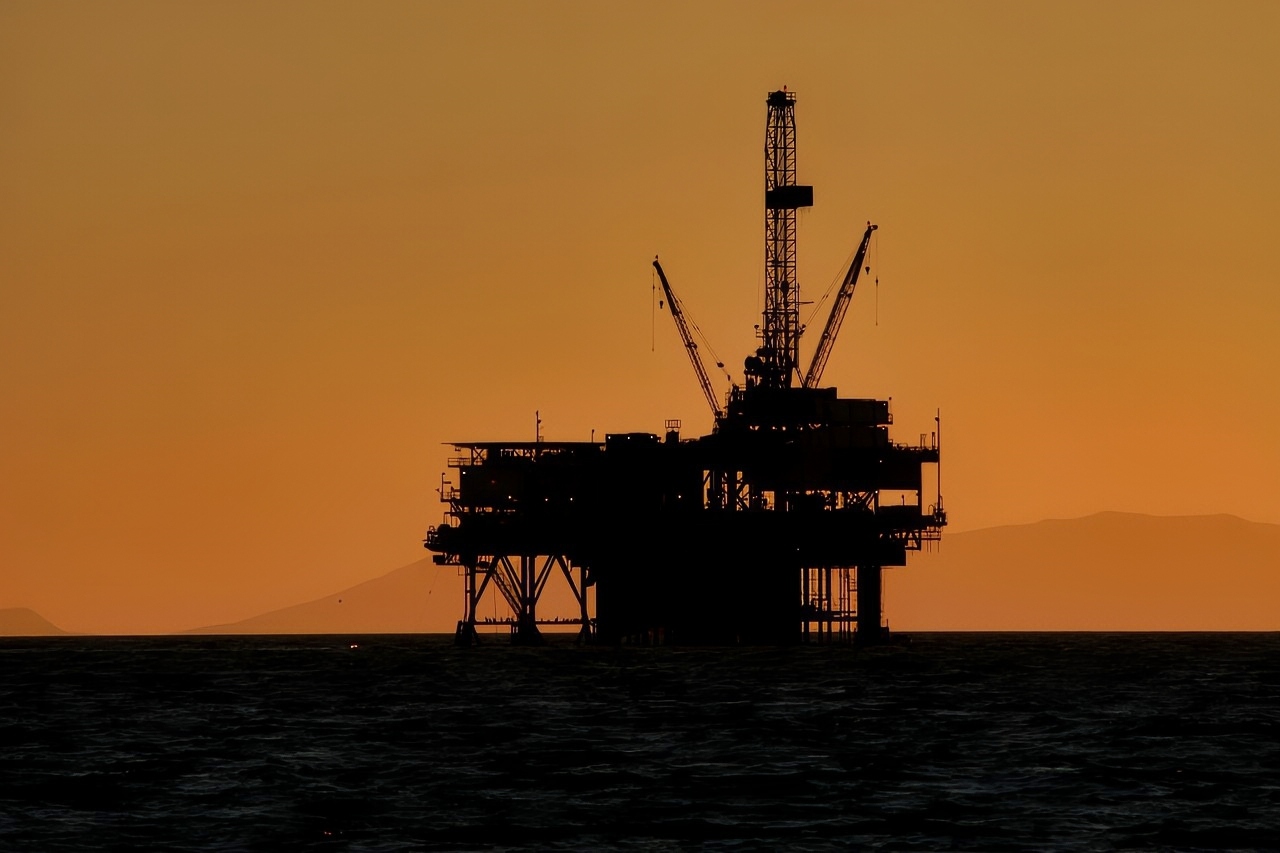
Oil Platform. Image Credit: Creative Commons.
The world’s energy market is entering even more uncertain territory, with emergency reserves still masking a growing global oil deficit that could, should the war continue, trigger a severe worldwide economic downturn.
If the Strait of Hormuz remains disrupted for much longer, the effects of the more than ten weeks of conflict could soon be felt on a dramatic scale. Following the first February 28 strikes, the Strait of Hormuz has been intermittently blocked, with millions of barrels of oil per day still effectively trapped behind the Persian Gulf bottleneck while governments across Asia and Europe burn through strategic reserves to prevent a full-scale supply shock.
Saudi Aramco CEO Amin Nasser warned Monday that the world is currently losing around 100 million barrels of oil per week, while tanker traffic through Hormuz has collapsed from roughly 70 vessels per day to just 2 to 5.
He said the disruption could delay oil market recovery until 2027 if conditions persist through mid-June.
And, the International Energy Agency has already coordinated the largest strategic oil release in its history, announcing in March that member states would inject 400 million barrels from emergency stockpiles into the market to slow price spikes and prevent shortages – but these reserves are only buying time, and unless the underlying problem is resolved, the world could be slowly marching toward disaster.
Hormuz Is Still A Vital Energy Artery
While U.S. President Donald Trump remains confident that the United States can survive an extended crisis in the Strait of Hormuz, the narrow waterway still handles close to one-fifth of global oil flows and roughly a quarter of all seaborne crude exports.
Preventing movement through the Strait is disrupting global markets and will ultimately hit the United States in a multitude of ways, from rising energy prices to increased manufacturing costs. Before the war, nearly 20 million barrels per day passed through the Strait of Hormuz, which connects the Persian Gulf to the Arabian Sea.
Although Saudi Arabia and the UAE have limited bypass infrastructure, including an alternative pipeline that bypasses the strait entirely, most Gulf producers remain heavily dependent on Hormuz for exports.
As shipping disruptions intensified following the Iran conflict, Gulf producers began shutting in production because oil storage facilities in the region began rapidly filling up. Reuters reported last month that around 9 million barrels per day of output had effectively been halted across the Gulf as the crisis worsened.
The disruption also extends well beyond crude oil alone. Refined fuels, liquefied petroleum gas, petrochemicals, and other industrial energy products have been impacted by the Iran War, creating knock-on effects across shipping, aviation, agriculture, and manufacturing supply chains.
The crisis is not simply a price spike but a physical supply shortage that can only be resolved if the strait reopens, new energy sources are made available, or additional infrastructure that bypasses the strait comes online. The chances of these things happening quickly, however, are low.
Strategic Reserves Are Hiding the Full Shock
So far, emergency reserves have prevented the global economy from experiencing the full impact of the disruption.
The IEA announced on March 11 that its 32 member countries unanimously agreed to release 400 million barrels of oil from strategic reserves, the largest coordinated release ever undertaken by the organization.
The United States alone authorized the release of 172 million barrels from the Strategic Petroleum Reserve, with deliveries expected to take roughly 120 days because of discharge-rate limitations. These reserves are enormous on paper. The U.S. Strategic Petroleum Reserve (SPR) can hold more than 700 million barrels, while China, Japan, South Korea, and European nations also maintain massive emergency stockpiles.
But look closer, and the math is more alarming. If the market is losing around 100 million barrels per week, as Aramco now estimates, even historically large reserve releases only temporarily slow the drain.
IEA Executive Director Fatih Birol acknowledged the problem in March, warning that stockpile releases “will only help to reduce the pain in the economy” rather than solve the underlying supply crisis.
Is A Global Oil Deficit On the Cards?
Before the Iran war began, many analysts wrote that global oil markets were likely to remain oversupplied throughout 2026 due to rising production from the United States, Brazil, Guyana, and OPEC+ members as they unwound prior production cuts. But that outlook has now reversed dramatically.
Reuters reported in April that eight analysts it polled now expect oil demand to outpace supply by roughly 750,000 barrels per day this year. Just months earlier, the same group of analysts had projected a surplus of 1.63 million barrels per day.
The International Energy Agency has also revised its forecasts since the war began, claiming in April that the disruption represented the largest oil supply shock in history and arguing that, unless Hormuz traffic resumes, energy-market pressure would continue for months longer.
Meanwhile, major financial institutions have steadily increased their oil price projections as hopes for a quick resolution faded. Barclays, for example, believes Brent crude could stabilize around $110 per barrel if disruptions persist through the end of May, while other analysts have warned that prices could reach much higher levels.
If the disruption continues and Iran refuses to make a deal with the United States, the danger extends well beyond higher gasoline prices.
Oil shortages would raise shipping, manufacturing, food, and transportation costs simultaneously while weakening consumer spending and economic growth.
Combined with inflation, a prolonged supply deficit could ultimately push multiple major economies into a simultaneous recession.
Washington has some big decisions to make in the coming weeks.
About the Author: Jack Buckby
Jack Buckby is a British researcher and analyst specializing in defense and national security, based in New York. His work focuses on military capability, procurement, and strategic competition, producing and editing analysis for policy and defense audiences. He brings extensive editorial experience, with a career output spanning over 1,000 articles at 19FortyFive and National Security Journal, and has previously authored books and papers on extremism and deradicalization.


zhduny
May 11, 2026 at 7:00 pm
Very, very few people in the world now, today, can truly recall what the shah of Iran once said in the early seventies….”Oil is too precious to burn”.
During that period, oil was like $20 per barrel. Later, it went up and up, and there were the occasional fatal shootings at gas stations abroad.
Oil is not precious, it’s dirty, polluting and invites many aggressors and invaders.
Just ask Tony Blair.
Anyway, the current crisis in the strait of Hormuz which is affecting global oil supply, is the handiwork of trump and the western media.
The western media should be questioning Donald trump about the ‘files’ every day, on every occasion that he mentions ‘Iran’.
But the western media hasn’t.
Thus trump, despite his rapidly advancing age, and his growing dementia, is still able to put two and two together.
More war, more threats, more killings, more blows, more demands against Iran will mean the media effectively losing all interests in the ‘files’ and their victims’ tales.
securocrat
May 12, 2026 at 5:17 am
The oil in Venezuela has effectively been stolen by Washington, and now, it wants the oil in Iran as well.
It is against international law to seize the natural resources of another country, especially through the use of destructive bombing.
But the US has done it, again and again.
Now, Donald trump is visiting china, and so, will xi jinping dare to question trump on his intentions about the global oil resources.
Is the USA trying to control global oil supply, much in the same way as china has done with global rare minerals.
The hell with trump and xi.