
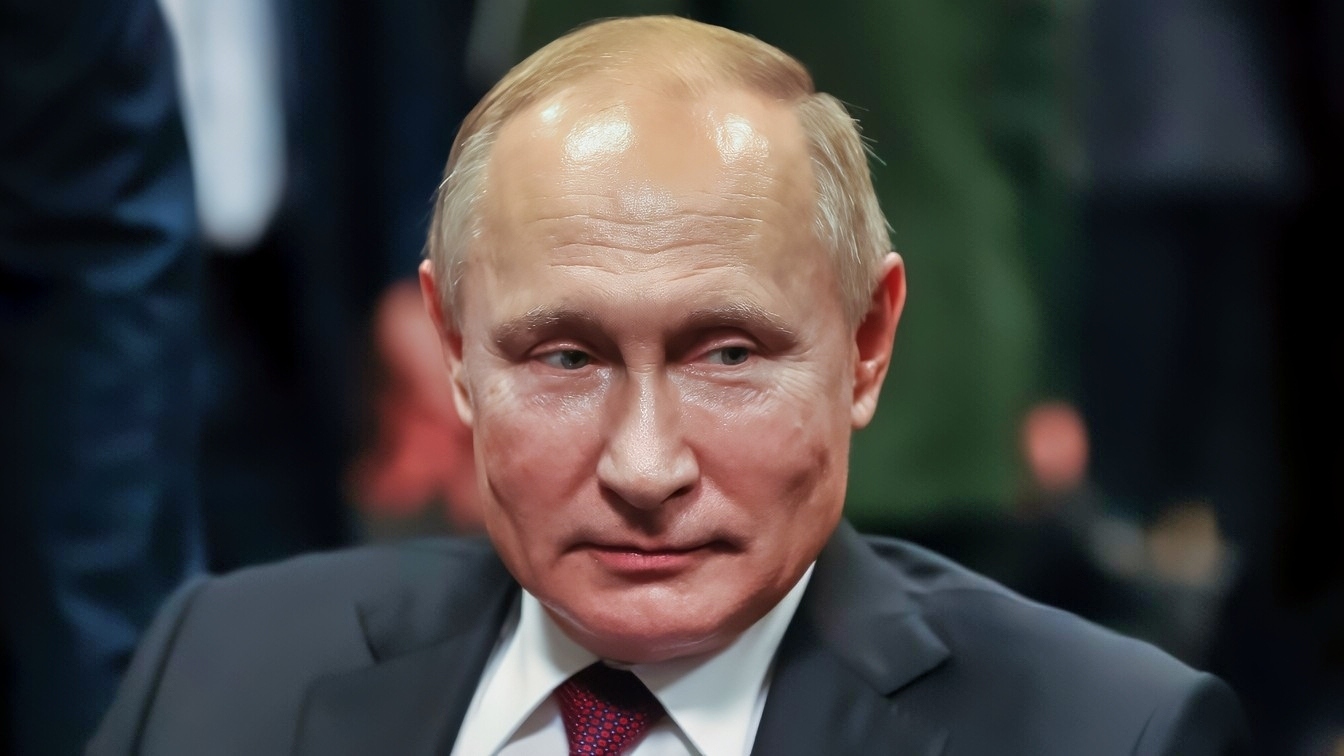
Summary and Key Points: Russia has lost at least 19 generals since invading Ukraine in 2022 — a rate of senior-officer deaths no modern army has seen since World War II.
-By contrast, the U.S. lost just one general in two decades in Iraq and Afghanistan. Analysts blame Russia’s highly centralized command, which pushes generals toward the front, plus Ukraine’s growing ability to strike headquarters with drones and HIMARS.

Putin in 2022. Image Credit: Creative Commons.
-Some commanders have even been assassinated by bombs inside Moscow itself.
Russia Keeps On Losing Generals At Astonishing Rates in Ukraine War
When Russia launched its full-scale invasion of Ukraine in February 2022, it did so with one of the world’s largest militaries. Its command structure, naturally, was built around experienced senior officers – but over four years later, Russia has suffered a loss that few modern armies have ever experienced. It has seen the repeated deaths of large numbers of its generals.
According to various investigations and open-source researchers, at least 19 Russian generals have been killed since the war began. In 2025, it was reported that at least 11 senior Russian commanders had already been confirmed killed in combat or targeted attacks. The losses have occurred on battlefields, at headquarters, and even inside Russia itself.
So, why does Russia keep losing its generals? And why is it happening at a rate that few modern militaries have experienced since World War II?
Why Generals Matter
Generals are more than senior soldiers. They are responsible for commanding entire divisions, armies, military districts, and formations. They oversee everything from offensive planning and intelligence gathering to logistics, artillery coordination, and troop movements. A Russian Combined Arms Army commander, for example, may be responsible for tens of thousands of soldiers. Losing just one commander means losing years of experience. It disrupts command relationships and forces rapid leadership changes during combat operations, disrupting troop movements and planning.
That is what makes Russia’s losses so unusual and operationally problematic. Modern Western militaries will generally keep senior commanders well behind the front lines. During the wars in Iraq and Afghanistan, for example, the United States lost thousands of personnel, but it lost only one general – U.S. Army Major General Harold J. Greene, who was killed by an Afghan soldier who opened fire with an assault rifle in August 2014. Russia’s experience has been quite different.
Russia Started Losing Generals Immediately
Russia began to lose generals within days of the invasion.
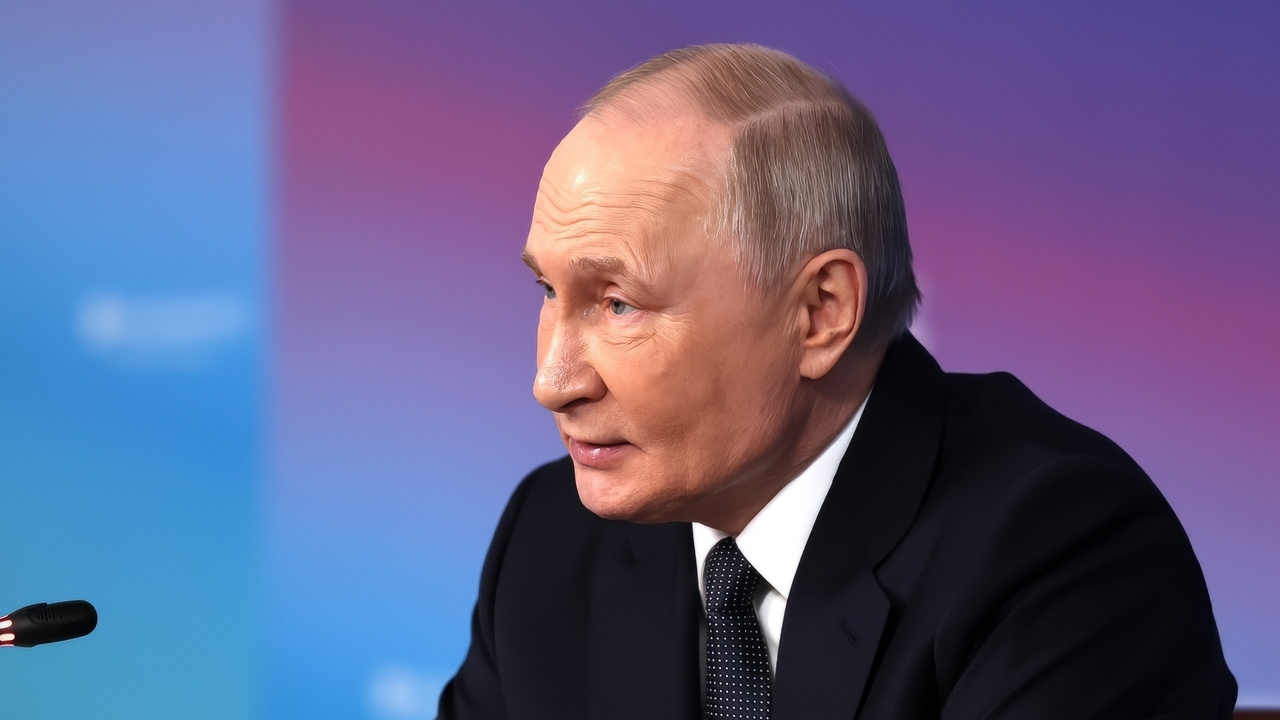
Vladimir Putin in Murmansk (2025-03-27). Image Credit: Creative Commons.
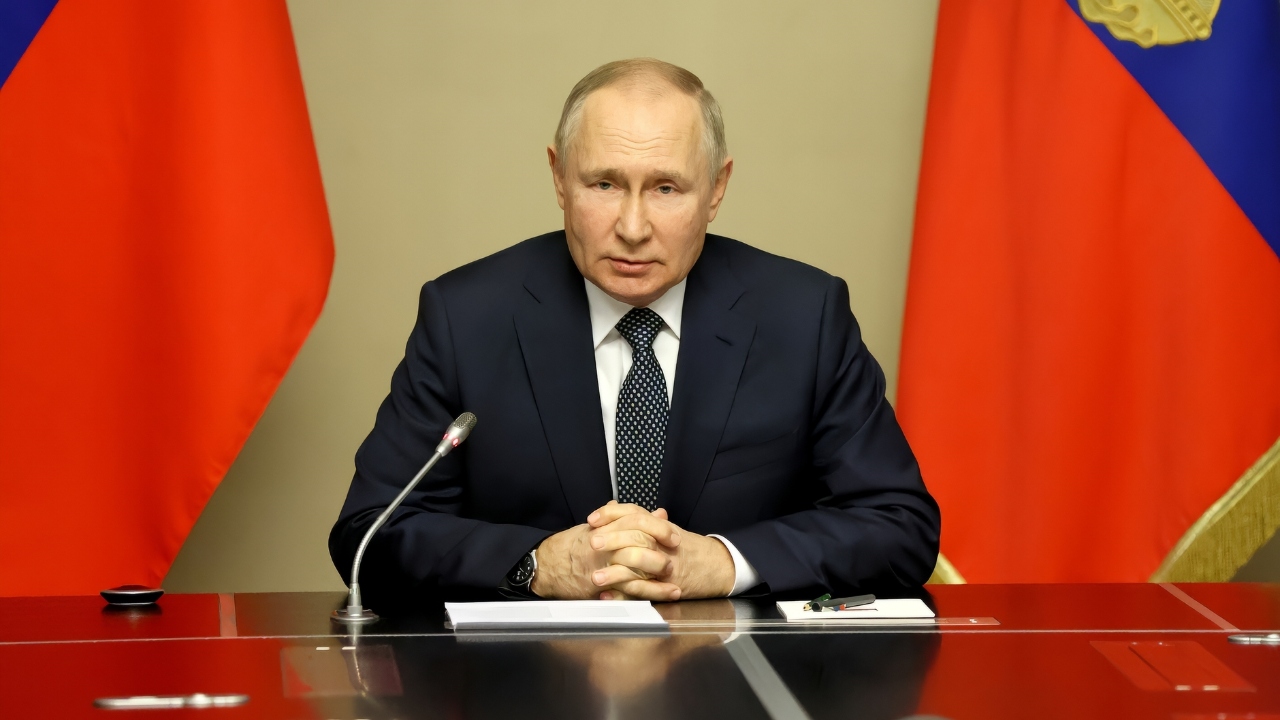
Putin November 2022. Image Credit: Creative Commons.
Major General Andrei Sukhovetsky, deputy commander of Russia’s 41st Combined Arms Army, was killed on February 28, 2022, during operations near Kyiv. Reuters reported that Ukrainian officials said he was killed by a sniper, while Russia later confirmed his death. Other senior officers quickly followed.
Major General Oleg Mityaev was killed during fighting around Mariupol. Major General Vladimir Frolov died during the same campaign and was later buried with military honors in St. Petersburg. Lieutenant General Roman Kutuzov was killed in June 2022 during fighting in the Luhansk region.
By the end of 2022, at least six Russian generals had been reported killed. Additional generals continued to die in 2023, 2024, and 2025. The losses were extraordinary – and particularly so for a military that expected a rapid victory.
Russian Generals Keep Going Too Close to the Front
One of the major reasons for the losses appears to be how Russia commands its forces. Unlike many NATO militaries, which delegate significant authority to lower-ranking officers, the Russian system is often highly centralized. Senior commanders frequently become involved in tactical decisions that Western armies would leave to other soldiers.
It has been no secret throughout the war that Russian generals were in danger, with analysts arguing that Russian generals were repeatedly moved closer to combat zones to solve operational problems and coordinate attacks. But every time that occurred, they were exposed to danger.
For example, Roman Kutuzov was reportedly directing operations near the front when he was killed.
The closer generals get to the fighting, the easier they are to find and kill – and they are important targets.

Tennessee Army National Guard Soldiers with Alpha Battery, 1-181st Field Artillery Regiment conduct a training exercise using the M142 High Mobility Artillery Rocket System (HIMARS) at Camp Shelby, Mississippi, June 9. The unit’s annual training enhances battalion readiness, focuses on mission-essential tasks and ensures Soldiers are proficient in critical skills. (U.S. Army National Guard photo by Sgt. Grayson Cavaliere)
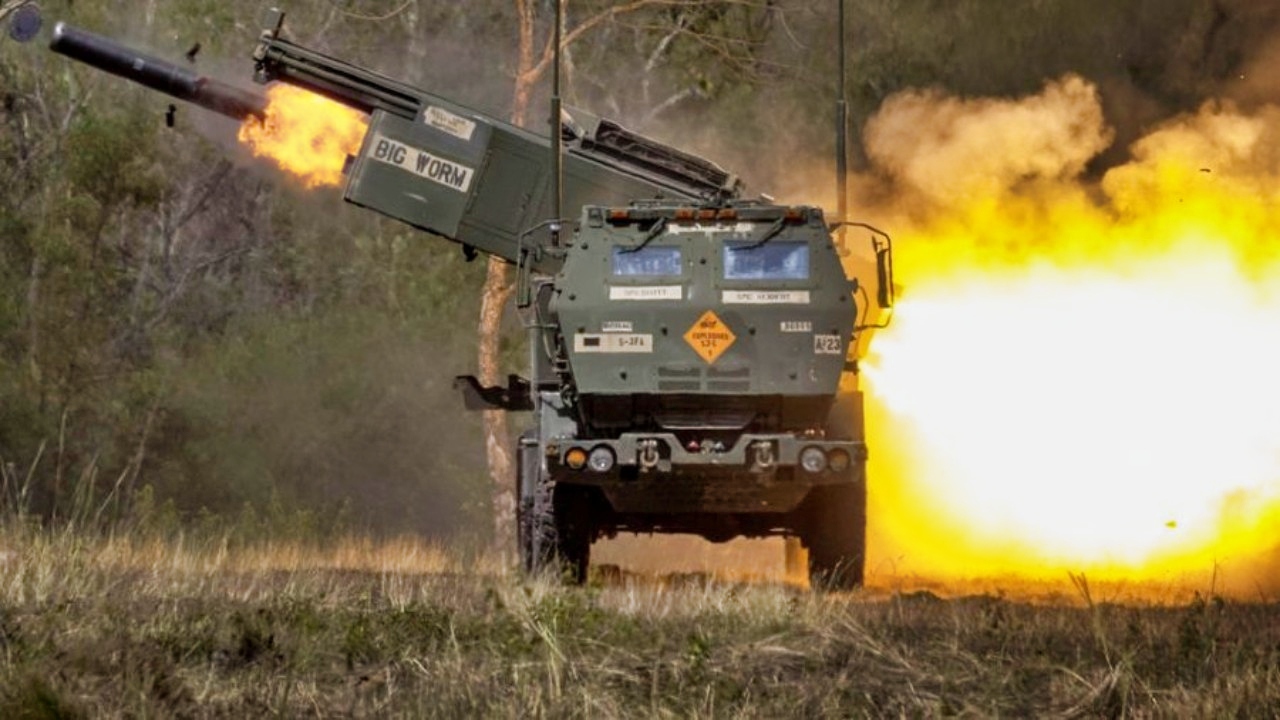
HIMARS. Image Credit: U.S. Government.
Ukraine Targeted Russian Headquarters
As the war evolved, Ukraine became more effective at locating Russian command posts. Early in the conflict, generals often died near active battlefields. Later, many were killed in precision strikes against headquarters and command centers. Lieutenant General Oleg Tsokov, deputy commander of Russia’s Southern Military District, was killed in 2023 when Ukraine struck a command post in occupied territory. Sergei Goryachev was also reportedly killed in a strike on a headquarters location.
Ukraine’s growing use of drones and satellite intelligence, along with HIMARS rocket systems and Storm Shadow missiles, made command centers more vulnerable – meaning even senior commanders were no longer safe. In July 2025, Major General Mikhail Gudkov, deputy commander-in-chief of the Russian Navy, was killed in the Kursk region near the Ukrainian border. Russian authorities confirmed his death, making him one of the highest-ranking Russian officers lost during the war.
Russian Commanders Everywhere Are At Risk
Ukraine’s campaign of targeting Russian leadership has expanded well beyond the battlefield – and that has been the case for several years already. In December 2024, Lieutenant General Igor Kirillov, commander of Russia’s Nuclear, Biological, and Chemical Protection Troops, was killed in Moscow when an explosive device detonated outside a residential building.
Other senior officers have been targeted in bombings and intelligence operations far from the front lines. In April 2025, Lieutenant General Yaroslav Moskalik, deputy head of the Main Operations Directorate of Russia’s General Staff, was killed in a car bombing near Moscow.
More than four years into the war, Russia’s continued loss of senior commanders suggests that there remains a persistent weakness in the way Russia commands its military and communicates – but they may also have no solution.
About the Author: Jack Buckby
Jack Buckby is a British researcher and analyst specializing in defense and national security, based in New York. His work focuses on military capability, procurement, and strategic competition, producing and editing analysis for policy and defense audiences. He brings extensive editorial experience, with a career output spanning over 1,000 articles at 19FortyFive and National Security Journal, and has previously authored books and papers on extremism and deradicalization.


