

Summary and Key Points: Russia can’t seem to fight a war without breaking something — and the latest casualty is its own budget, thanks to the Ukraine conflict.
-The treasury is running billions over what Putin planned, the economy is inching toward recession, and the war bill keeps climbing into next year and beyond.
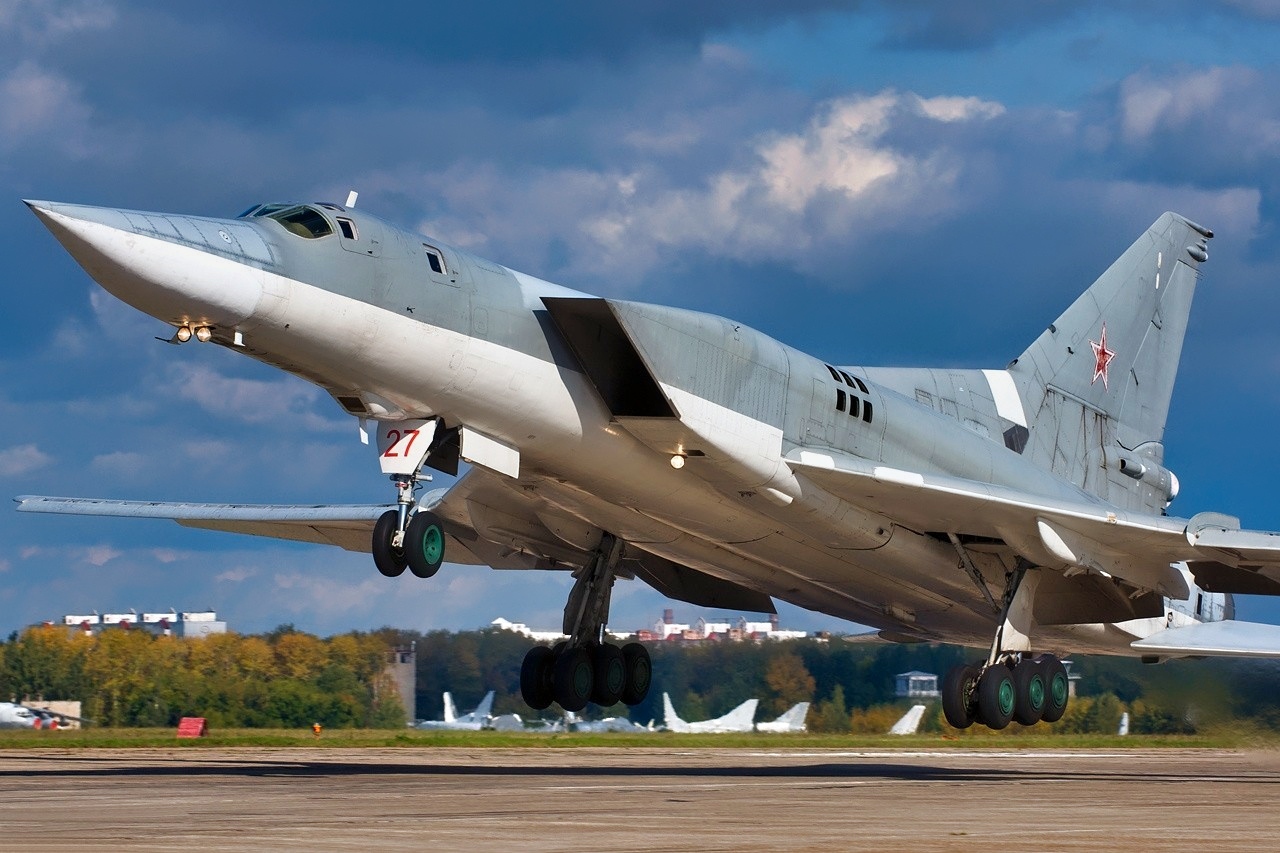
Tu-22M Backfire Bomber from Russia. Image Credit: Creative Commons.
-He’d hoped the oil-price spike from the Iran crisis would bail him out. It didn’t. Now Putin faces a choice he’s spent the whole war dodging — and ordinary Russians are the ones who’ll feel it.
Putin’s Ukraine War Is Creating Massive Pressure on Russia’s Treasury
Russia just can’t seem to run a proper war without trouble.
Bad performance on the battlefield, mediocre generals, military hardware that is being destroyed left and right, and awful numbers of casualties have plagued Vladimir Putin. Now it appears the treasury is running out of money.
The Kremlin is worried that budget woes are mounting and that the level of war spending is unsustainable. Spending is now $28 billion over budget for the year, according to Fortune, and that figure is a lagging indicator. It covers February, so the budget crisis could be even worse than reported.

Tu-160M Bomber from Russia. Image Credit: Russian Military/Creative Commons.
Budget Shortfalls for Future Years
It is estimated that Russia will need to spend an additional $56 billion in 2027 and 2028. That means Moscow will have to implement some form of budget cuts in domestic programs to balance the budget. Putin is trying to spend both on “guns” and “butter,” and he may have to make some tough budget priority decisions that could cramp Russia’s social safety net with reductions to pensions and healthcare.
The Economy Is Shrinking
Russia’s budget deficit is 2.5 percent of GDP, according to Jacobin. This works out to a $53.5 billion shortfall for 2026. Meanwhile, economic growth is stagnant. Growth has fallen 1.8 percent for GDP. It is estimated that GDP will only creep up a paltry 0.4 percent this year. That is near recession territory.
Cuts on Domestic Spending Will Be Harsh
Budget cuts are necessary. Fortune reported that Russia must slash domestic spending by 10 percent. Russia does have a sovereign wealth fund it can raid, and it has been transferring roubles out of this account to make up for shortfalls this year, but that path is limited, and Putin does not want to reduce this pot of money, knowing that the war in Ukraine could go on indefinitely.
Negative Effects on the Domestic Economy
For the ordinary consumer, inflation has taken a bite out of earnings, and high interest rates have hurt consumer credit and the ability to buy big-ticket items like cars and homes. There are also stubborn levels of credit card debt that are becoming more difficult to pay back.
Oil Revenue Not Enough to Save Russia
Russia has seen one positive trend. Oil prices have risen substantially since the U.S. attack on Iran and the Strait of Hormuz crisis. This can help improve deficits, but as unemployment rises, overall tax revenues to fund the budget have decreased. High oil revenue has not made a dent in the budget deficit.
“Finance Minister Anton Siluanov has said recently that surplus revenue from energy exports in April was basically offset by weak revenue in March. Meanwhile, the Kremlin’s payments to domestic oil companies to cap fuel price hikes have also limited the benefit from oil,” Fortune noted.
Domestically, the oil industry has struggled due to incessant attacks on energy infrastructure by Ukrainian missiles and drones. Refining capacity has been devastated, and gasoline prices for Russian consumers have risen, fueling further inflation and pain at the pump. This has frustrated citizens who are now feeling it in their pocketbooks.
Guns versus Butter as Ukraine War Gets Worse
“Russia’s economy now increasingly resembles the classic formula of guns instead of butter. The value-added tax has been raised for the second time since the invasion began. Utility prices are being increased twice in 2026. The Central Bank maintains punishingly high interest rates that make credit nearly inaccessible for small and medium-sized businesses while helping sustain a strong rouble,” according to Jacobin
Not Everyone Can Work in the Defense Sector
This has led to a high level of bankruptcies among small and medium-sized enterprises. That only adds to the unemployment rate. Laid-off workers are seeking jobs in the Russian defense industry. This is one sector of the economy that is performing well due to Putin’s war. However, not all workers are skilled enough to make advanced military components for fighter jets and missiles.
Russia had been focusing on domestic infrastructure spending, but that has been reduced due to budget shortfalls. So now many construction workers are facing unemployment. This hurts families who depend on the paycheck from the family’s leading breadwinner, who works in the building trades.
It’s World War II all Over Again
The government’s message has been to encourage Russians to tighten their belts and make sacrifices for the war. This may have been effective during the Great Patriotic War, but in 2026, citizens are not ready for such austerity.
Ukraine Complaints Fall on Deaf Ears
However, there is no real chance for the Russian people to voice their frustration. Many turn to the Telegram app to express their dissent, but the Russian government has attempted to block communication on the platform. Instead, Russians are downloading virtual private networks to remain on Telegram. This could be one way the populace is complaining about unemployment, high inflation, and interest rates, as well as an economy and social safety net that struggle to keep roubles in wallets for daily survival.
No Way to Change Things at the Ballot Box
While these problems would be a death knell for a political party in power in the West, don’t look for much dissent capable of changing the government’s makeup. Putin has eliminated anyone from protesting, and there is no free media. Bloggers on Telegram can complain surreptitiously, but this doesn’t mean Putin can be voted out of office or overthrown.
The economic carnage will continue as long as the war is taking such a paramount role in the nation’s consciousness. The Russian economy is down but not out. The government is likely to cut domestic spending, but don’t expect reductions in defense spending to balance the budget. The war will continue no matter how bad the domestic economy gets.
About the Author: Brent M. Eastwood, PhD
Author of now over 3,500 articles on defense issues, Brent M. Eastwood, PhD, is the author of Don’t Turn Your Back On the World: A Conservative Foreign Policy and Humans, Machines, and Data: Future Trends in Warfare, plus two other books. Brent was the founder and CEO of a tech firm that predicted world events using artificial intelligence. He served as a legislative fellow for US Senator Tim Scott and advised the senator on defense and foreign policy issues. He has taught at American University, George Washington University, and George Mason University. Brent is a former US Army Infantry officer. He can be followed on X @BMEastwood.


