

Summary and Key Points: Behind the headlines about Iran’s war is what’s happening to ordinary Iranians: their money is becoming worthless.
-Inflation has hit a level the country hasn’t seen since World War II — the last time, people starved — and the rial has collapsed to a fraction of its value a decade ago. The regime has no plan to ease the pain, and one expert warns the streets could explode by summer.
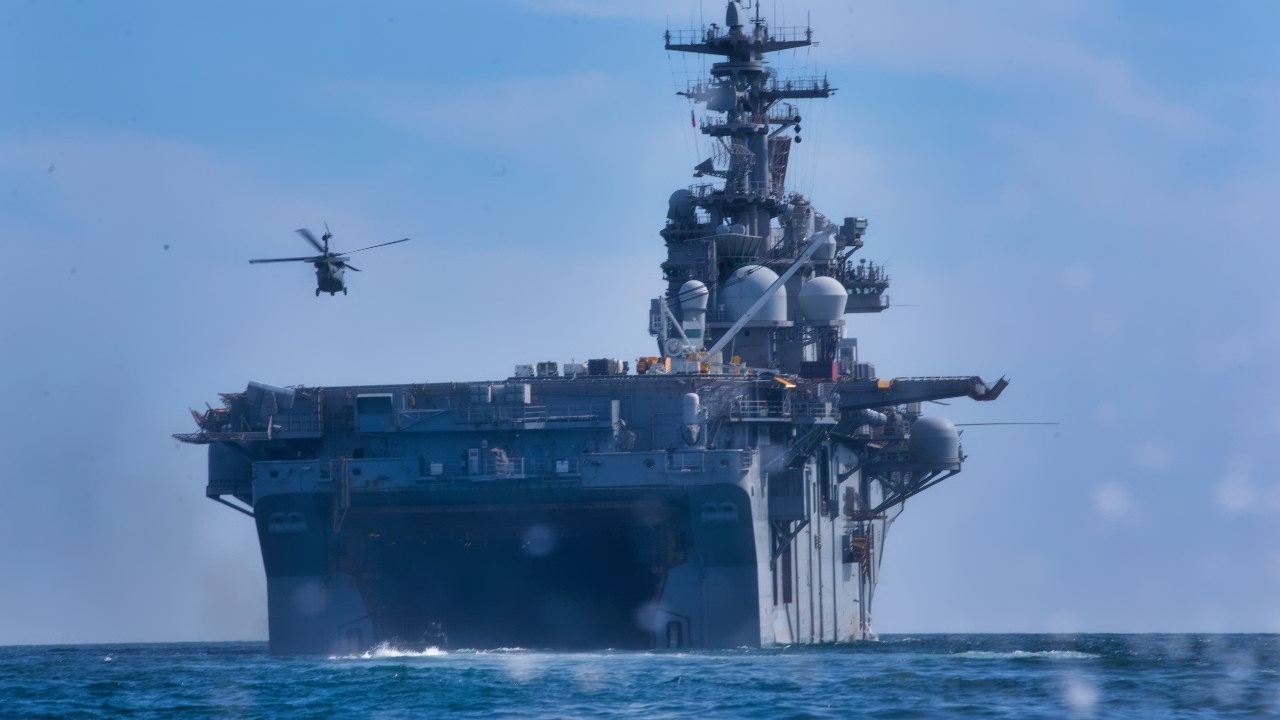
U.S. Marines with Bravo Company, 2d Assault Amphibious Battalion, 2d Marine Division approach the USS Wasp (LHD 1) in assault amphibious vehicles off of Onslow Beach during a three-day ship-to-shore exercise on Camp Lejeune, N.C., June 27, 2020. During the exercise, the Marines conducted amphibious maneuvers and dynamic ship-to-shore operations with the USS Wasp (LHD 1). (U.S. Marine Corps photo by Lance Cpl. Jacqueline Parsons)
-The last time they did, the crackdown left thousands dead.
Iran Is Facing Hyperinflation: More Protests On the Way?
The daily drumbeat about the U.S. war against Iran changes by the hour. Each day, there is new news about the peace negotiations, with no end in sight to the crisis in the Strait of Hormuz. But lost in the shuffle is the plight of ordinary Iranians who have suffered during the war and experienced economic pain from stubbornly high levels of inflation.
A recent report from Iran’s Central Bank has bad news for the Iranian economy. The national currency, the rial, has taken a hit from war spending and budget deficits. This has created awful inflation, which has taken its toll on Iranian citizens who are just trying to make ends meet during the U.S. blockade of Iranian ships in the Strait.
High Prices at a World War Two Levels
Inflation is now at World War Two levels. Iran’s inflation could be more than 53 percent if government reporting is accurate. That is the rate for the last month. Year-over-year inflation is around 77 percent – an 8.5 percent increase compared to April. This has hit everything from food and consumer goods to fuel.
Oil-based Economy Is Struggling
Iran has long depended on its oil revenue to balance the budget. But the quarantine on oil tankers and hits to government coffers have created an unsustainable level of high prices that have crushed the consumer.
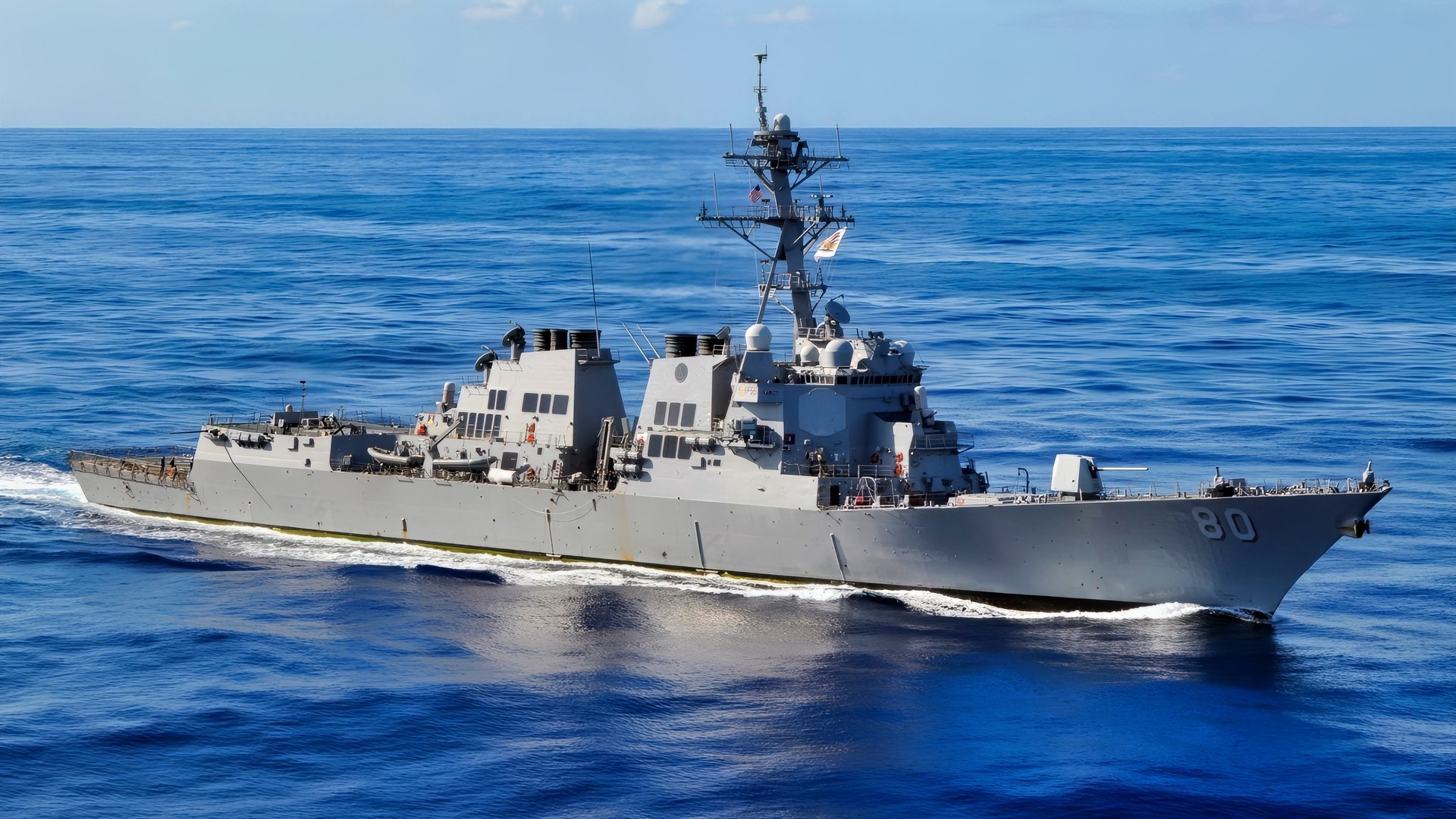
ATLANTIC OCEAN (Sept. 06, 2008) – The guided-missile destroyer USS Roosevelt (DDG 80) steams through the Atlantic Ocean. Roosevelt is deployed as part of the Iwo Jima Expeditionary Strike Group (ESG) in support of maritime security operations in the Navy’s 5th and 6th fleet areas of responsibility. The Iwo Jima ESG is made up of Roosevelt, homeported at Mayport, Fla.; the amphibious assault ship USS Iwo Jima (LHD 7); the amphibious dock landing ship USS San Antonio (LPD 17); the amphibious transport dock ship USS Carter Hall (LSD 50); the guided-missile cruiser USS Vella Gulf (CG 72); the guided-missile destroyer USS Ramage (DDG 61); all homeported at Norfolk, Va.; and the fast attack submarine USS Hartford (SSN 768), homeported at Groton, Conn. U.S. Navy photo by Mass Communication Specialist 2nd Class Jason R. Zalasky (Released)
Inflationary Pain Has Led to Violent Protests
The Iranian people have taken to the streets before to protest against the weakness of the economy, but the regime harshly responded to the last demonstration in January, which caused the deaths of 7,000 people.
The people in charge of the country realize that new protests could break out at any time if they do not address inflation and unemployment, but it doesn’t appear that the regime has any plan to alleviate the economic pain citizens are suffering.
“I have no doubt that if Trump leaves [Iran without a formal peace deal] … most probably, we will see something like January by the end of summer because of the economic and social situations,” political expert Mohsen Jalilvand predicted in a video published by Iran’s Fararu news website, as noted by ABC News.
Highest Level of Inflation In Eight Decades
The rate of inflation was last seen this high during World War Two, when a poor harvest caused bread prices to rise, leading to hyperinflation. Iranians could not afford food, and many starved to death. A typhus outbreak also killed thousands.
Recipe for Economic Disaster
The overall Iranian economy in 2026 has already struggled due to the oil blockade and U.S. and Israeli bombing that hurt some Iranian businesses. Unemployment has jumped, and food and other finished goods have risen nearly 114 percent. The government is aware that social spending on aid programs will probably have to be cut to balance the budget due to revenue shortfalls from the hobbled oil industry.
“The rial, which traded at 32,000 to $1 in 2015, now trades at over 1.7 million to $1,” ABC News noted.
“We will definitely have higher prices,” Iranian President Masoud Pezeshkian warned in May. “We are fighting, and we must accept this hardship.”
Enough Is Enough
The Iranian people have taken to the streets in prior years because of economic concerns, in addition to the protests in January.
The regime cracked down harshly on this dissent in prior years. Inflation affects all consumers, and it seems the government is taking no action to alleviate the mess.
The Iranian central bank could raise interest rates, but this would hurt businesses already in debt. A budget austerity program to reduce the money supply, often implemented by governments during periods of high inflation, would increase unemployment and erode any savings Iranian citizens may have.
Corrupt Elites Are Insulated from Economic Pain
The ruling class is not hurt as much as the general population, and this increasingly frustrates less fortunate Iranians who have to foot the bill on high prices.
Working-class Iranians could rise up again, but it is unclear whether they could make a difference while protesting. The incidents of government violence against dissent in the past have likely frightened those who would normally demonstrate for better economic conditions.
But frustration could mount, and even an overthrow could occur in a government that appears to have lost the economic plot and cannot read the room.
Iranian citizens are also tired of public-sector corruption, as they believe those in charge form an elite class that siphons off tax revenue and lives in relative opulence by skimming the budget. This continues to frustrate citizens.
The Government Doesn’t Care
Another problem is communication. No one in charge has admitted that inflation and a faltering economy are a problem. Voters feel the pain, but there is no level of empathy for the plight of citizens in such a crisis.
Iran could face another situation when the people rise up to protest the regime. This could become an insurmountable problem as the government leadership tries to create a peace program to alleviate the U.S. blockade on Iranian exports.
It is unclear what spark could lead to widespread dissent among the populace, but hyperinflation is one factor that may prompt the citizenry to take to the streets again. This time, the threat of violence may not outweigh the people’s frustration with the government.
About the Author: Dr. Brent M. Eastwood
Author of now over 3,500 articles on defense issues, Brent M. Eastwood, PhD, is the author of Don’t Turn Your Back On the World: A Conservative Foreign Policy and Humans, Machines, and Data: Future Trends in Warfare, plus two other books. Brent was the founder and CEO of a tech firm that predicted world events using artificial intelligence. He served as a legislative fellow for US Senator Tim Scott and advised the senator on defense and foreign policy issues. He has taught at American University, George Washington University, and George Mason University. Brent is a former US Army Infantry officer. He can be followed on X @BMEastwood.


