

Ukraine has reportedly established what some observers describe as a “logistics lockdown” across occupied territories using domestically produced mid-range strike drones capable of hitting ships, bridges, fuel depots, airfields, and refineries.
The Ukrainian strategy has shifted, in part, from trying to destroy Russian units at the front to focusing on destroying the systems that supply them.
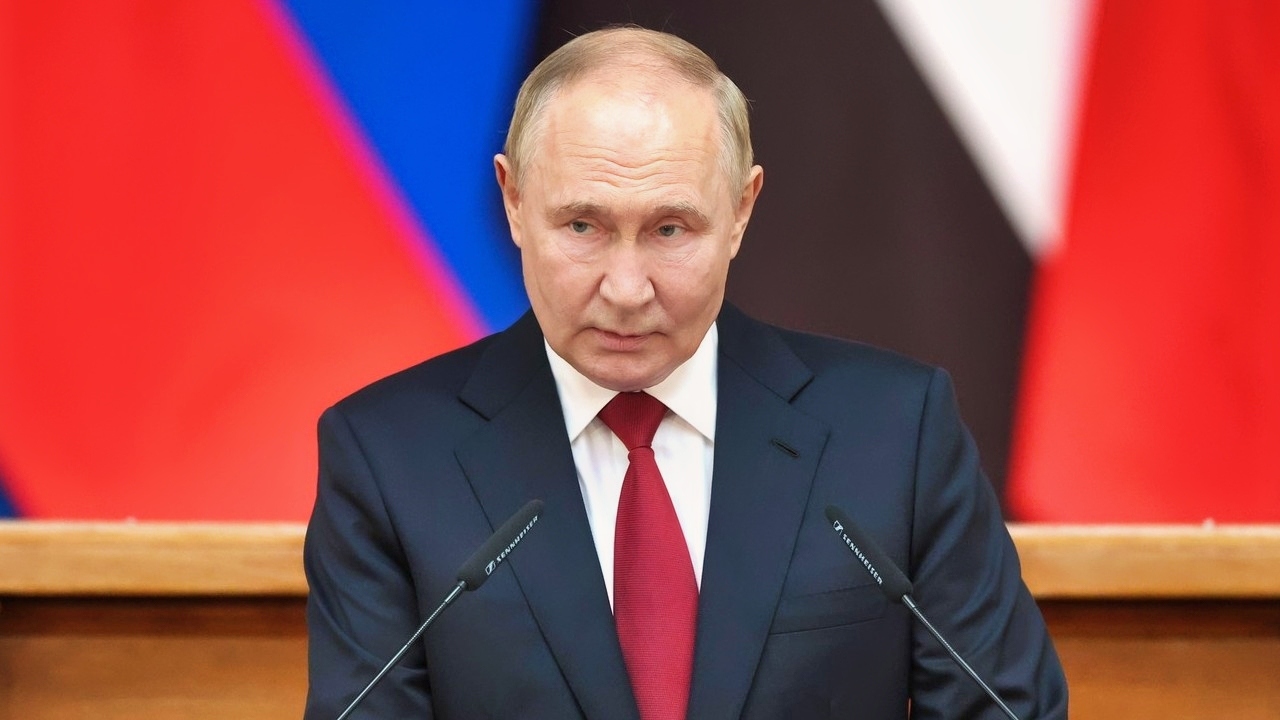
Putin July of 2024. Image Credit from Russian Government
And increasingly, the drone war is evolving from tactical support for ground forces into something like a strategic air campaign designed to affect Russia’s war economy.
Not Your Typical Drone
Ukraine has new mid-range drone systems that aren’t hobby drones and aren’t traditional cruise missiles, but are something that splits the difference.
Examples include models like the Palianytsia and Lyutyi. Some of these mid-range drones use turbojet engines, others use highly efficient propeller-driven designs. Depending on the platform, they can reach ranges of hundreds to thousands of kilometers, delivering payloads reportedly weighing 100–150 kilograms on some systems.
Clearly, these are increasingly strategic weapons, not just simple battlefield tools.
Beating EW Systems
Ukraine has had to become more clever to beat Russian investments in GPS jamming, signal spoofing, and electronic warfare (EW).
Traditionally, drones struggle against such EW tools; targeted drones lose their signal, lose navigation, and miss their target.
In response, Ukraine has developed a layered guidance system with components including an Inertial Navigation System (INS), AI-assisted machine vision, and terrain matching.
The new Ukrainian systems, which navigate independently and activate their cameras near the target, using AI to compare terrain and structures against stored maps before striking, have been far harder for Russia to jam.
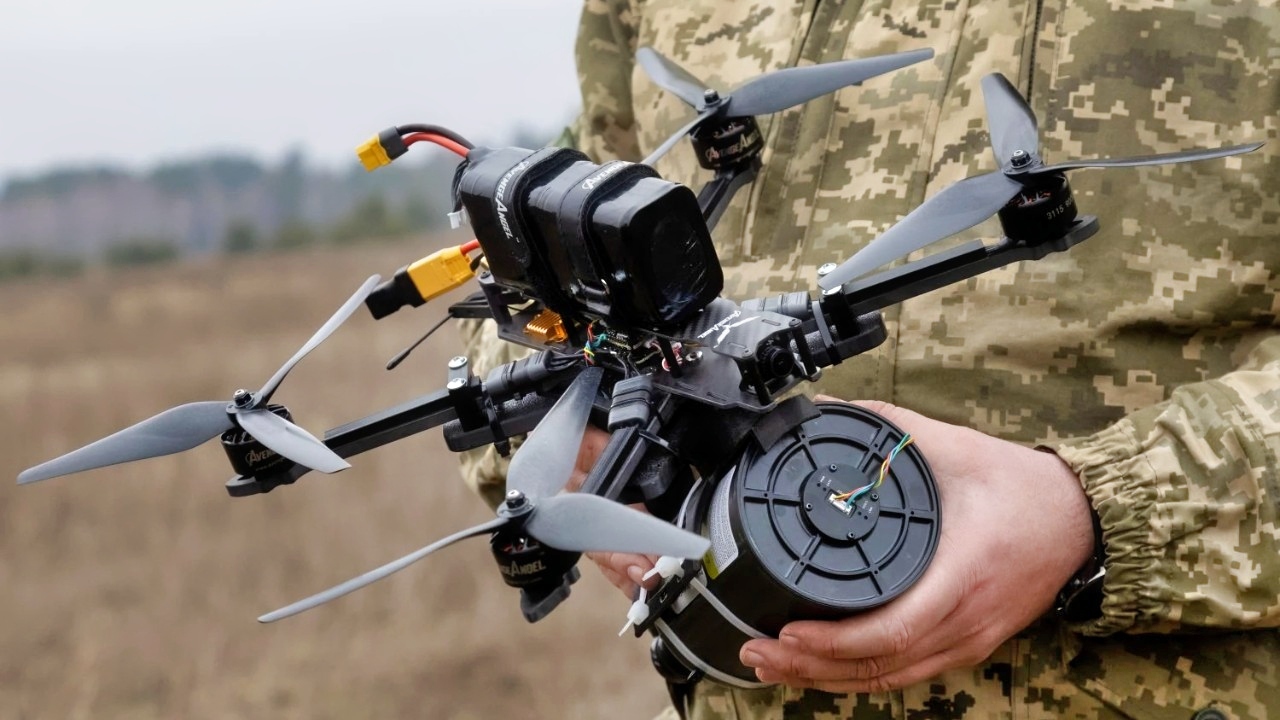
Ukraine Drone. Image Credit: Creative Commons.
Logistics Lockdown
The primary objective of these new strategic drones is to cut Russian supply lines to occupied territories and Crimea.
Targets include bridges, rail hubs, fuel depots, and transport nodes.
The logic holds that frontline troops cannot fight effectively without ammunition, fuel, food, or reinforcements. Some reports indicate that certain supply corridors have functionally become drone “kill zones,” forcing Russian logistics into slower and less efficient routes.
Economic Targeting
Ukraine has been specifically targeting Russian oil infrastructure, knowing that oil exports help fund Russia’s war effort.
Ukraine also knows that modern refineries depend on specialized equipment, and that targeting distillation towers and critical processing nodes can have an outsized impact, far more than targeting random structures.
The goal here is to create disproportionate economic disruption from relatively inexpensive drones. Increasingly, the Ukrainians are not just targeting Russia’s military capability but also its economic capacity.
Targeting Airfields
Ukraine has also been launching long-range attacks on Russian air bases, specifically targeting parked fighters, fuel infrastructure, and ammunition storage.
Even unsuccessful strikes matter—because they force aircraft to relocate farther from the front, causing cascading consequences, including longer flights, higher fuel consumption, more maintenance, and reduced sortie generation.
The threat alone creates strategic friction. For such attacks, Ukraine increasingly uses layered attacks.
Wave one might feature cheap decoys, while wave two features fast attack drones, and wave three culminates with precision strike systems.
This layering system forces Russian air defenses to reveal their positions, expend their missiles, and become overwhelmed—often before the primary weapons systems even arrive.
Even Russia’s advanced air defense systems can struggle against the mass that Ukraine is deploying, a lesson being studied by war planners around the world.
Strategic Implications
Ukraine has developed a domestically produced deep-strike capability, meaning Kyiv is no longer fully dependent on Western approval for long-range attacks.
For Russia, this means industrial infrastructure is increasingly vulnerable, including refineries, rail hubs, power facilities, and airfields—all of which can be threatened by relatively inexpensive drones.
The new drone tech also compromises geography; Russia has historically relied on strategic depth, but Ukraine’s long-range drones are increasingly eroding that depth advantage.
And of course, every military in the world is watching. The Pentagon, China, Taiwan, NATO, and Iran—all are studying how relatively cheap autonomous systems are dictating strategic warfare.
The methods being employed now in Ukraine are transcending the conflict, serving as a test for future warfare.
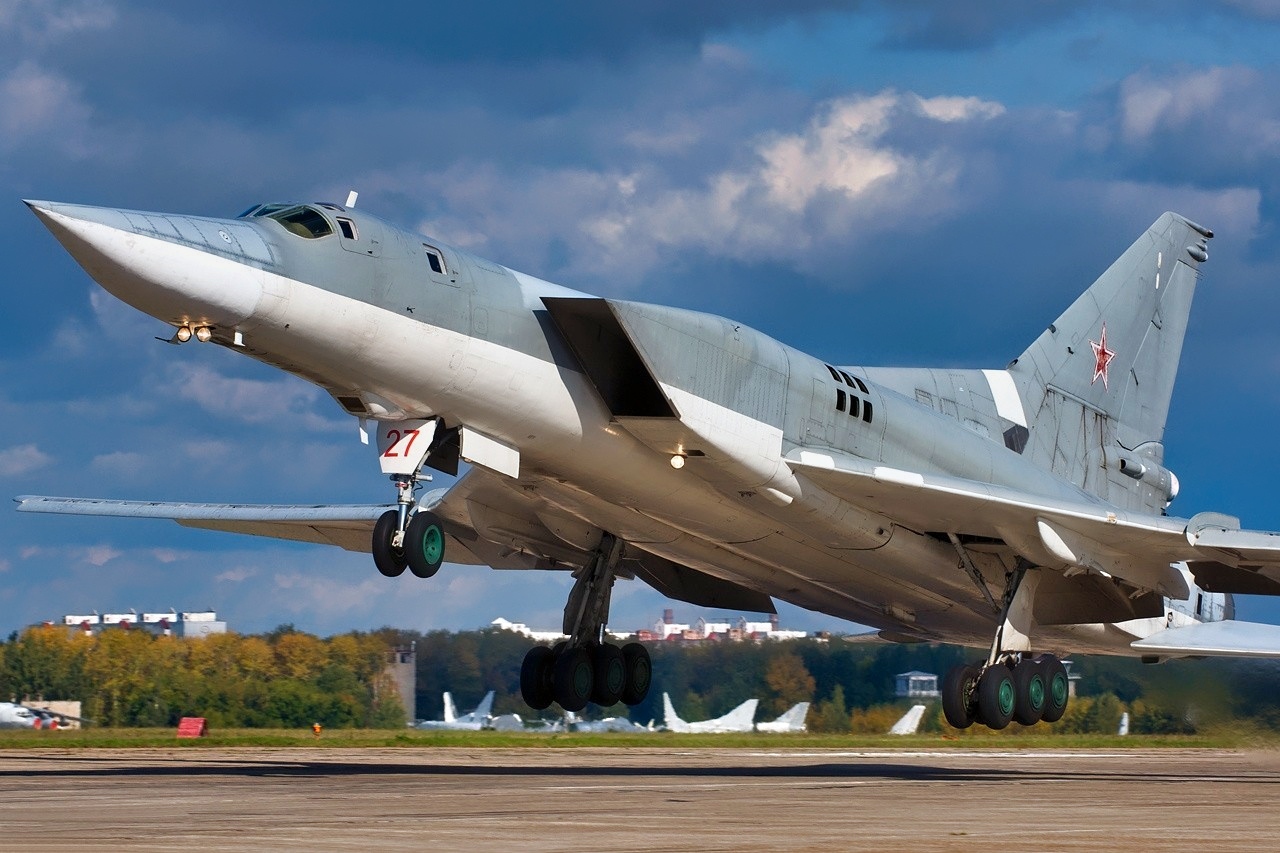
Tu-22M Backfire Bomber from Russia. Image Credit: Creative Commons.
The assumptions of the traditional model, which depend on expensive tactical fighters and strategic bombers, are being tested against the value of mass-produced autonomous drones that are cheap and simple yet have strategic effects.
About the Author: Harrison Kass
Harrison Kass is a writer and attorney focused on national security, technology, and political culture. His work has appeared in City Journal, The Hill, Quillette, The Spectator, and The Cipher Brief. He holds a JD from the University of Oregon and a master’s in Global & Joint Program Studies from NYU. More at harrisonkass.com.


yeye
June 9, 2026 at 9:20 pm
Well-armed invaders have generally ignored size when going on the attack.
Same goes for US-NATO-EU. And the nazis.
In this current ukro conflict, the US-NATO-EU-nazi nexus has been greatly aided by vladimir putin.
Putin has BETRAYED russia. Time for him to go. The nazis have not been crushed or defeated, thanks a lot to putin. Thanks, puttie.
The russian people must now rise up, get rid of putin, And expel him to brussels or nyc’s rikers island.
pagar
June 10, 2026 at 12:28 am
Ukraine’s drones are nothing, even now, today, despite their very strong support from starlink.
The reason is it’s like what was seen in japan during 1944 to 1945.
In 1944 to 1945, japanese forces were fiercely fighting in many places, still very strong, very capable and even busily killing prisoners and civilians. (And consuming some of them.)
With strong support from fanatical elements.
But all that eventually amounted to Nothing.
Because b-29 bombers in late 1944 were beginning to lay waste to japanese cities.
So, now today, ukrainian cities harboring drone workshops and FOREIGN military tech specialists, are just waiting for b-29 type treatment.
But where are Putin’s brains. Putin’s brains are cooked today, cooked by advsncing age, sentimental feelings, loyalty to trump and to softness and to stupidity and nice impressive-looking clothes.
Once putin is removed from the scene, ukro cities will get the b-29-like treatment, and no more ukro drones.