
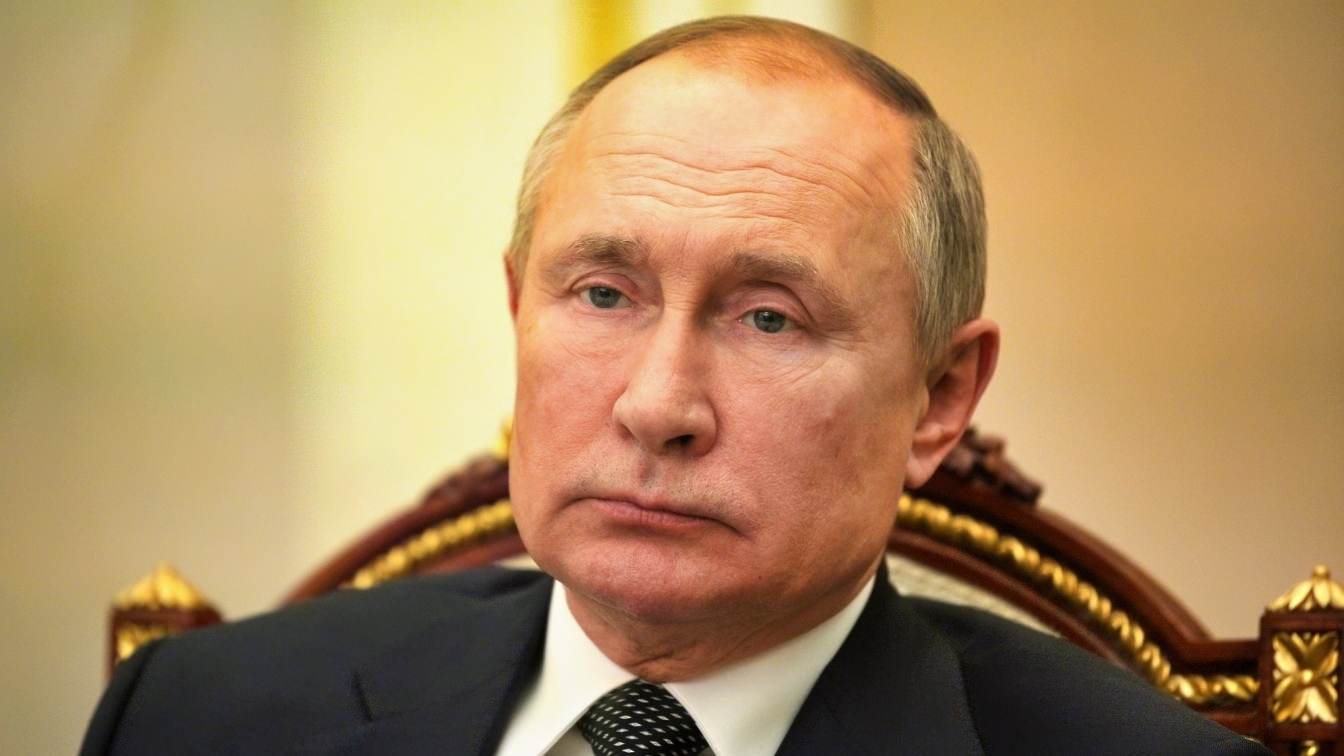
More than four years after Putin announced the “special military operation” in Ukraine, the war shows no sign of ending any time soon. Russia occupies large portions of Ukrainian territory – around 20% by some estimates -, and it continues to bombard Ukrainian cities with missiles and drones. It also maintains significant advantages in manpower and resources.
But the dynamics have changed, and the fight is no longer only on Ukrainian soil. Ukraine is developing its own missiles, like the Flamingo, that can cause just as much damage as the long-range weapons Kyiv has long sought from its Western partners.
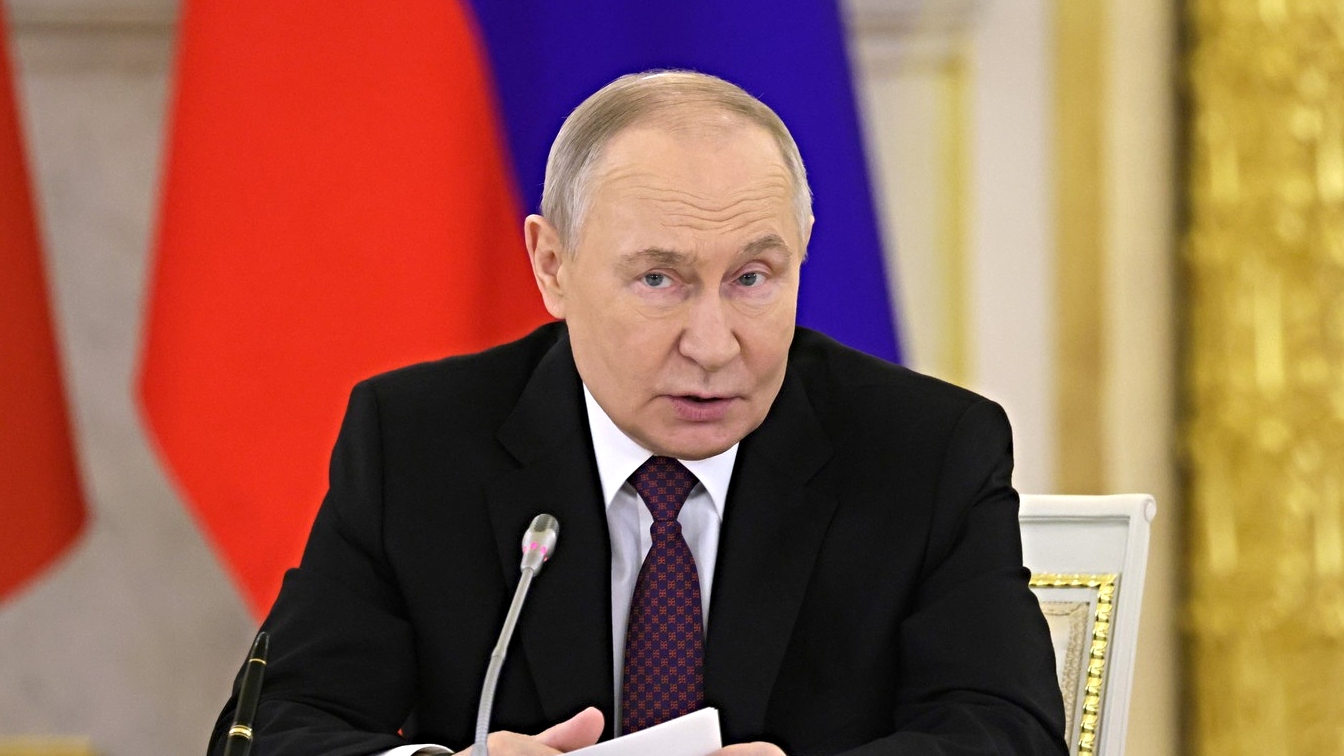
Putin Back on 2_2026 State Media Photo
It is manufacturing drones in record numbers, and while Kyiv is far from achieving an outright military victory, several trends indicate Russia may find it difficult to secure its maximalist objectives at this stage.
Russian Gains Are Slowing
While Russia is still making advances in eastern Ukraine, those gains are slower and less significant than they ever have been. What’s more, the resources that must be expended to achieve them are increasing.
According to an assessment by the Institute for the Study of War, Russian territorial advances between late 2025 and 2026 amounted to only a fraction of the progress made during the same period the year before.
Specifically, the June 1 report claimed that Russia seized or infiltrated less than 8 percent of territory as it did in 2025. The same assessment also found that Russian losses of personnel and equipment are increasing.
The War Is Taking Place On Russian Soil
On June 10, Ukrainian President Volodymyr Zelenskyy confirmed that Ukrainian forces had used domestically manufactured FP-5 Flamingo missiles to strike the VNIIR-Progress facility in Cheboksary.
The strike was some 900 kilometers away from the nearest front lines, and the facility – located in the capital of Russia’s Chuvash Republic – was responsible for manufacturing components used in Russian drones and missiles.
The strike was just one of a number of incidents that prove Ukraine is now more than capable of causing damage hundreds, or even thousands, of kilometers away from the front lines using weapons it manufactures at home. Ukraine is no longer pleading with the West for support in conducting long-range strikes – it is facilitating them all on its own.
Crimea Is Under Pressure
For years now, Russia has relied on a land corridor that stretches from Russia, through occupied southern Ukraine, and into Crimea to sustain its military presence on the peninsula. In recent weeks, however, Ukrainian forces have applied sustained pressure on the infrastructure supporting these logistics networks.

Student of the Advance Small Arms Instructor (ASAI) conducted a range with M-203 grenade luncher, C16 Automatic Grenade Luncher, C6 light machine gun and Carl Gustav 84mm anti-tank. These photos were taken at the Infantry School, 5th Canadian Division Support Base (5 CDSB) Gagetown, New Brunswick, on 31 October 2024.
There have been major disruptions to the Chonhar Bridge, a critical crossing linking Crimea to the occupied territory.
Barrages of drone and missile strikes have also caused oil supply disruptions, forcing Russia to implement fuel rationing measures throughout the territory. Ukraine is now threatening fuel and ammunition lifelines, and therefore increasing the cost of holding the occupied territory. It is now harder than ever for Russia to sustain operations in the area.
Ukraine’s Defense Industry Just Keeps Getting Better
After years of dependence on Western support, Ukraine is beginning to stand on its own two feet in certain respects. While military aid from the West is still critical for Ukraine’s ongoing defense efforts, the June 10 strikes using FP-5 Flamingo missiles are a sign of what’s to come. Ukraine can now manufacture its own sophisticated long-range weapons, and Kyiv claims it has the capacity to build as many as eight million drones per year.
Recruitment Is Becoming More Expensive
While Russia continues to recruit thousands of new soldiers every month, the process is becoming more expensive – and in more ways than one. Russia is not only providing greater financial incentives to encourage young men to join the military, but every working-age man who joins the military – and who is potentially killed or injured during their time on the front lines – is one less worker active in the national economy.

A soldier from the Idaho Army National Guard, Charlie Company, 2-116th Combined Arms Battalion, 116th Cavalry Brigade Combat Team makes Idaho National Guard history with the first firing of a Javelin anti-tank missile.
In a historic moment of training for the Idaho Army National Guard, soldiers from Charlie Company, 2-116th Combined Arms Battalion, 116th Cavalry Brigade Combat Team, fired the FGM – Javelin portable anti-tank missile on Sunday while conducting a series of field training exercises scheduled for the week on the Orchard Combat Training Center ranges.
Russia is experiencing a historic labor crisis, with estimates suggesting a shortfall of 2.3 to 2.6 million workers. Analysts also predict that Russia will need as many as 10.9 million additional workers by 2030.
The Future Is Uncertain
Perhaps most important for Russia is that Ukraine has repeatedly demonstrated the ability to surprise Russia and change the dynamics of the conflict. During the early days of the war, Moscow believed it could predict how the war would unfold.
After only a few weeks, it was clear that the war was going to last substantially longer than originally planned, but Ukraine’s weaknesses were still very clear to see. Heavily dependent on Western support and with Russia making constant gains, a Ukrainian defeat looked inevitable.
Today, that’s no longer true – and it’s hard to predict what comes next. We do know, however, that Ukraine isn’t giving up and its domestic weapons manufacturing industry is only growing stronger.
A victory for Russia is far from guaranteed at this stage, and the longer the war grinds on, the lower the chances are that Moscow secures every single one of its maximalist demands in whatever deal may eventually be agreed.
About the Author: Jack Buckby
Jack Buckby is a British researcher and analyst specializing in defense and national security, based in New York. His work focuses on military capability, procurement, and strategic competition, producing and editing analysis for policy and defense audiences. He brings extensive editorial experience, with a career output spanning over 1,000 articles at 19FortyFive and National Security Journal, and has previously authored books and papers on extremism and deradicalization.


