

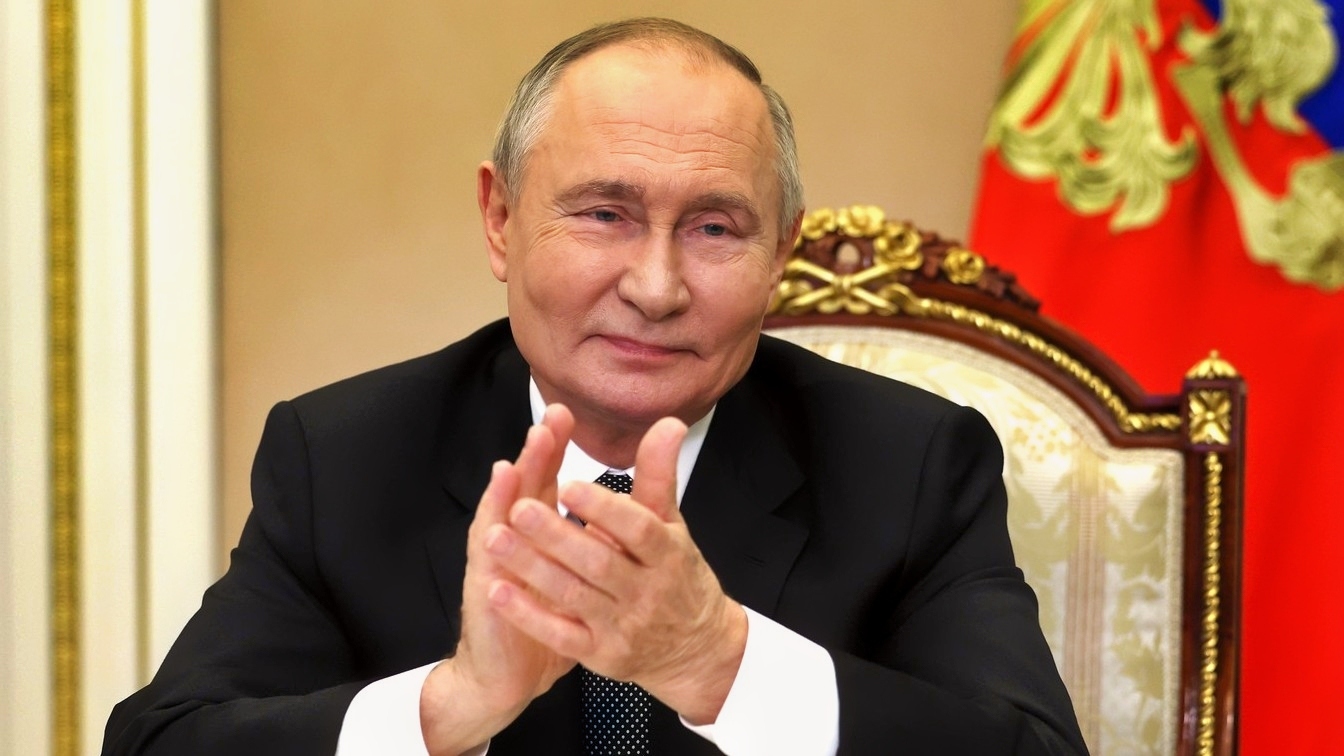
Vladimir Putin could still use a tactical nuclear weapon. People who now speak as though that possibility has evaporated are displaying a confidence the evidence does not support.
Russia has the weapons. Russian doctrine continues to allow for nuclear first use. And the war has grown larger and stranger than almost anyone expected when it began in February 2022.
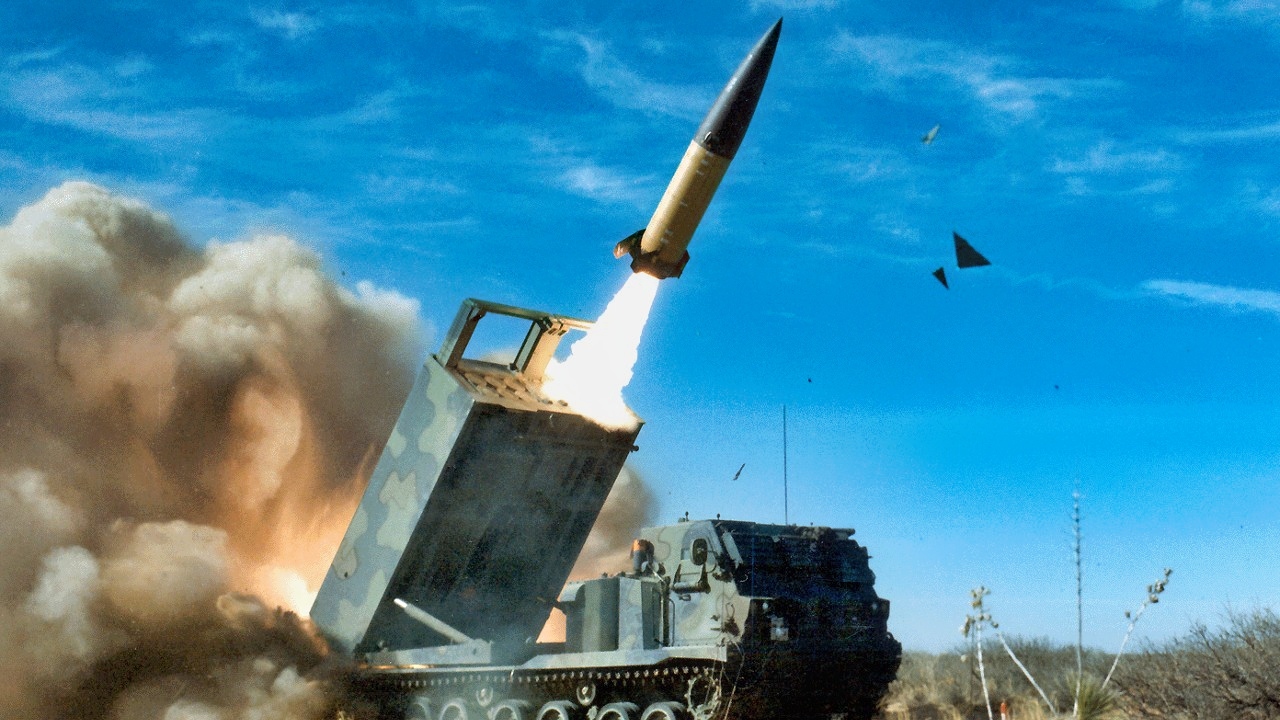
An ATACMS missile being launched from an M270 MLRS.
The tactical nuclear question has resurfaced again, this time on the back of Ukraine’s increasingly ambitious strikes against Russian strategic assets, including parts of the long-range aviation force that has been central to Moscow’s bombing campaign.
In June 2025, drones smuggled deep inside Russia struck five airbases in a single coordinated operation, destroying a number of the Tu-95 and Tu-22M3 bombers that carry the cruise missiles Moscow fires at Ukrainian cities, aircraft no longer in production and difficult to replace.
The campaign has only widened since. Through the spring of 2026, Kyiv reached airfields, refineries, and repair plants well over a thousand kilometers from the border, overstretching Russian air defenses and putting the long-range aviation force squarely in the crosshairs. Those strikes reopened a familiar argument almost as soon as they landed.
If Ukraine can now hit targets that once seemed safely beyond its reach, are we nearing the point where the war stops behaving like an ordinary war?
Over four years, the prospect of tactical nuclear use has settled into something closer to a recurring political event than a discrete strategic danger.
Consider the argument over Western tanks. It is easy to forget how much anxiety surrounded that decision at the time.
The same anxiety attached itself to long-range missiles, then to F-16s, then to strikes inside Russia proper. The sequence rarely varied. A new capability would surface.
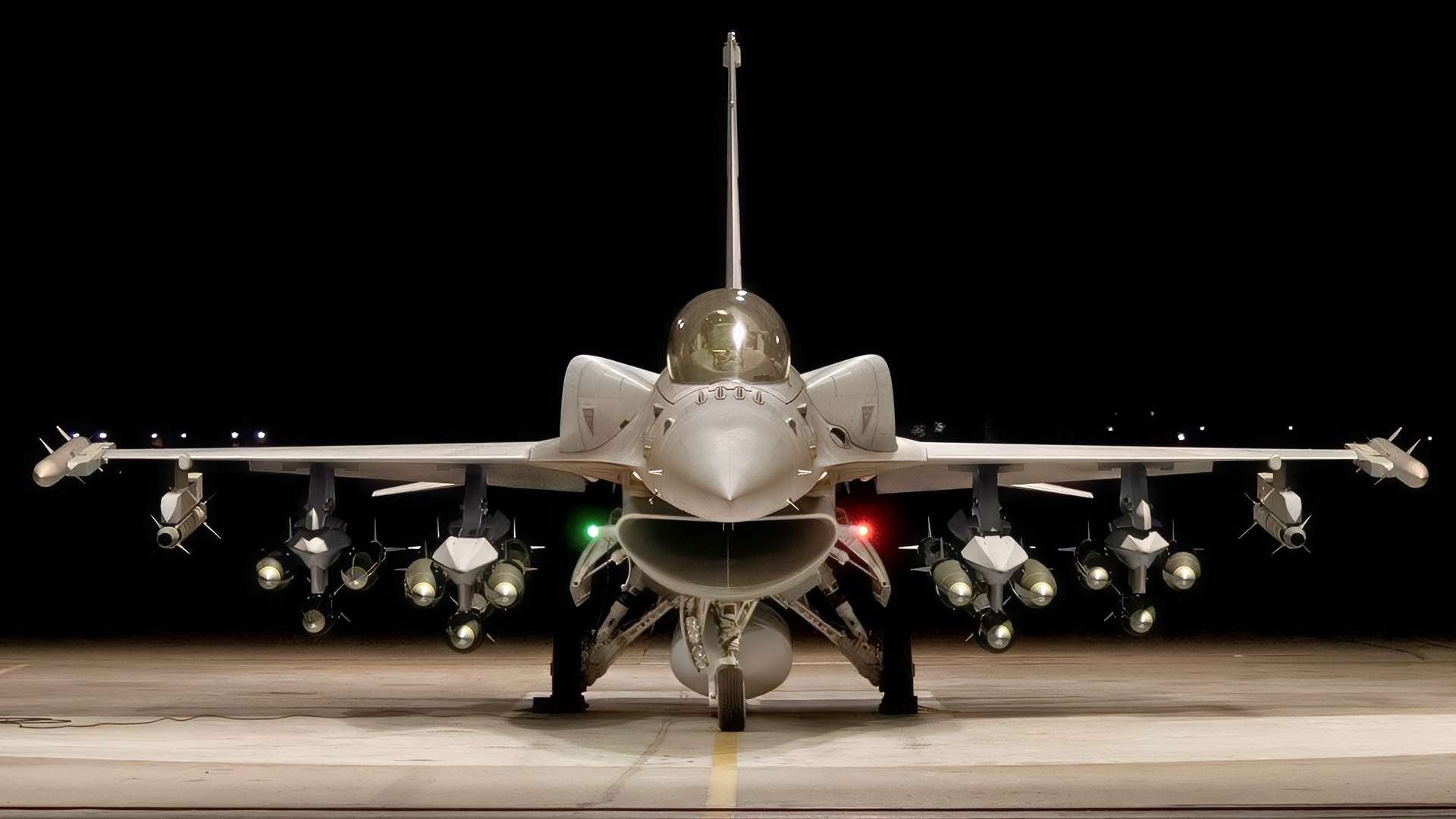
F-16V Viper Lockheed Martin Image.
Moscow would warn about escalation. Analysts would begin hunting for the nuclear threshold, and Western governments would spend weeks working out whether they were about to cross it.
Then the war moved on. The Leopards arrived. ATACMS arrived. The F-16s arrived. None of it produced the rupture that had been forecast.
The natural conclusion is that the red lines were never really there, and each time the threat fails to materialize, the next warning is taken a little less seriously.
The Cold War produced a generation of strategists who were almost obsessed with the mechanics of escalation.
Herman Kahn famously built a ladder with dozens of rungs, and others spent careers imagining every conceivable path from a conventional clash to a strategic exchange.
Much of that literature reads strangely today, dense with scenarios that never came close to occurring. One conviction running through it, though, has aged better than the rest.
These thinkers believed uncertainty itself carried military weight.

F-16 Fighting Falcons assigned to the 114th Fighter Wing sit ready on the ramp while conducting an elephant walk at Joe Foss Field, South Dakota, July 2, 2025. The 114th Fighter Wing conducted an elephant walk to demonstrate its ability to project fighter airpower. (U.S. Air National Guard photo by Master Sgt. Luke Olson)
An adversary who could not be sure where the limits lay would behave more cautiously than one who knew exactly where they stood. Ambiguity was woven into how deterrence was supposed to function.
Ukraine was not supposed to resemble that world at all.
The war was widely expected to end quickly in a Russian victory, or else to settle into a conventional grinding match with no nuclear dimension worth discussing.
Instead, it has generated its own escalation rituals. Every few months, the same argument returns in a slightly different dress.
That is less surprising than it first appears. Russia is waging a major war while holding the world’s largest nuclear arsenal.
Western governments are trying to keep Ukraine in the fight without becoming belligerent themselves.
None of the parties has any real desire to locate the precise edge of the cliff, leaving it somewhere just out of view, which suits Moscow.
A government that spends weeks or months asking whether a given move might widen the war is already conducting itself differently because of that possibility.
The deliberation may delay a decision by weeks while the battlefield situation it was meant to address moves on.
Bold options get discarded before they are ever seriously examined, simply because no one wants to be the one who proposed them.
And a coalition can split along the same fault line, with some capitals willing to run risks others refuse to take.
At a minimum, it forces senior people to spend time and political capital on a question they would rather not face.
None of this requires an actual detonation. The weapon is shaping their decisions from inside the silo, which is what these weapons have always mostly done.
Set against that, the familiar complaint that the West has spent four years capitulating to Russian nuclear blackmail looks too simple.
States are supposed to weigh the risks attached to their decisions, and weighing nuclear risk against a nuclear-armed opponent is not cowardice.
Washington behaved cautiously throughout the Cold War for exactly this reason, and so did Moscow. Caution in the shadow of these weapons has been the normal condition of great-power competition for seventy years.
There is a long-standing habit of treating the battlefield as the only arena where wars are decided. Soldiers tend to know better.
Operations produce political effects, political decisions reshape what is operationally possible, and the line between the two is rarely clean.
The current debate over strikes on Russian strategic assets shows the pattern at work.
One can ask whether those strikes raise the odds of tactical nuclear use. One can also notice that the question now arrives almost on schedule.
The war climbs another step, the debate reconvenes, and the argument runs its course before anyone has established whether the strategic situation has actually changed.
It would be a mistake to take much comfort from the regularity.
History is full of governments that survived danger several times and concluded it was manageable.
The summer of 1914 did not feel unprecedented to most people living through it.
Europe had weathered the Moroccan crises, the Bosnian annexation, and two wars in the Balkans.
Each had flared and then subsided short of a general war, and the men who managed those crises drew a quiet confidence from having managed them.
The machinery of alliance and mobilization had been tested and had held. That confidence was among the things that failed in July.
The precedents that had been so reassuring turned out to describe a system that worked until it did not.
So, could Putin still use a tactical nuclear weapon? Of course, he could.
The harder question is whether the anticipation of nuclear escalation has itself become a working part of this war. Four years of repetition suggest it has.
Another Ukrainian strike, another Western weapons package, another bad week at the front, and the discussion will open once more.
It will open because the risk is real, and because no government managing this war can responsibly treat it as anything else. The pattern has held so far. The men managing the crises of 1914 could have said the same in June of that year.
About the Author: Dr. Andrew Latham
Andrew Latham is a professor of international relations and political theory at Macalester College in Saint Paul, MN. You can follow him on X: @aakatham.


