

The Ukraine War Is Going Badly for Russia: Last week, Russian President Vladimir Putin appeared to admit that Ukrainian drone strikes are causing real damage – but he warned that Moscow is preparing to respond with its own escalations and attacks on Ukrainian infrastructure.
The news comes as Ukraine continues its long-range drone and missile strikes, hitting critical Russian energy infrastructure and pushing Russia to consider how it could escalate through the rest of the year.
What Putin Said
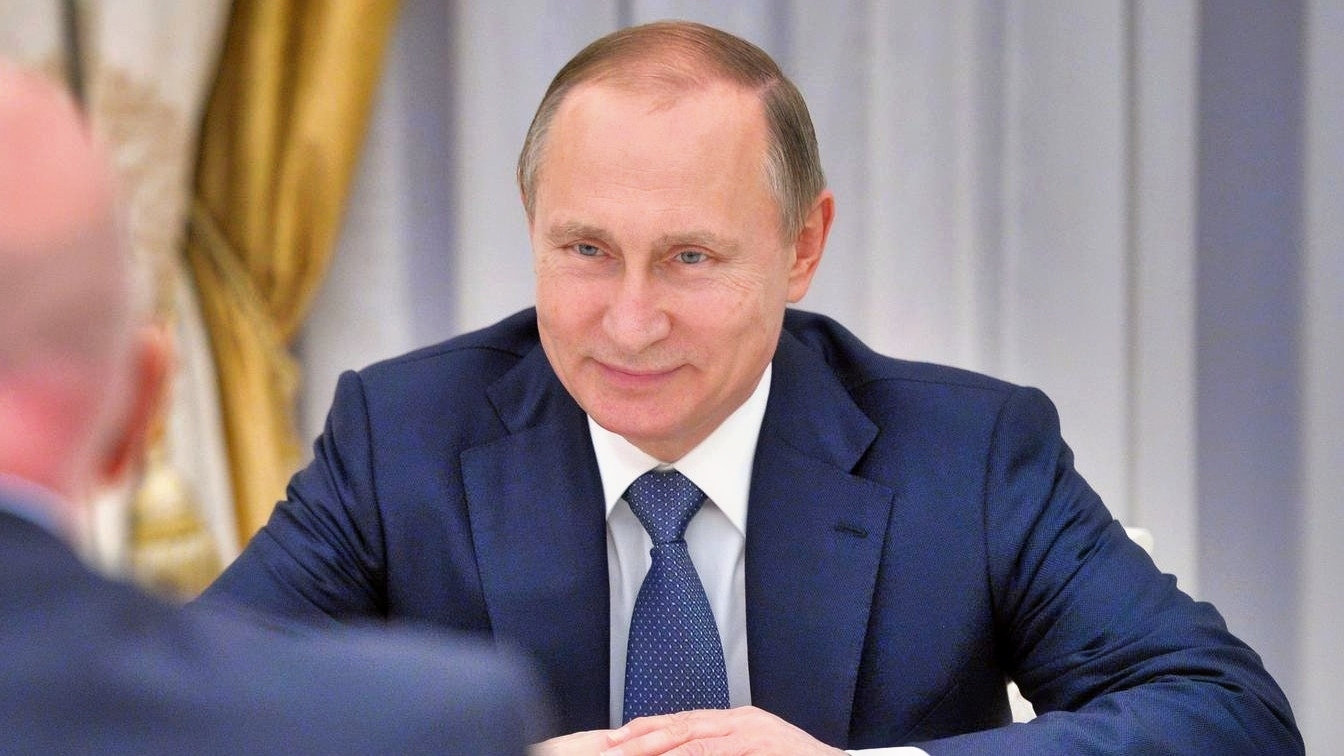
Putin In March 2016 Image Credit Russian Federation
In comments published by the Russian state-owned TASS news agency, the Russian president said on Friday, June 12, that Ukrainian strikes on refineries and depots deep inside Russian territory were causing problems.
However, the Russian president also said that the strikes would not succeed in creating division inside Russia – despite claims otherwise by Ukrainian President Volodymyr Zelenskyy in his recent open letter. Putin also claimed that the Russian economy would soon bounce back.
“As for the economy: they are certainly causing us damage, but we are recovering quickly,” the Russian president said, adding that the strikes are designed to “sow confusion” in Russian society.
Nonetheless, Putin claimed that they would not succeed in “either dividing society nor in causing us economic harm – at least not in the way they are hoping for.”
The Problem for Putin
The problem for Putin is this: the Russian economy can only bounce back and recover quickly, as he states, if one of two things happens.
Either the strikes cease, and Ukraine ends its long-range strike campaign, or Russia invests heavily in interception across its vast territory to the point that it is capable of intercepting a constant barrage of missiles and drones being fired at its critical infrastructure.
The former is the ideal option for Russia, but it’s unlikely to happen.
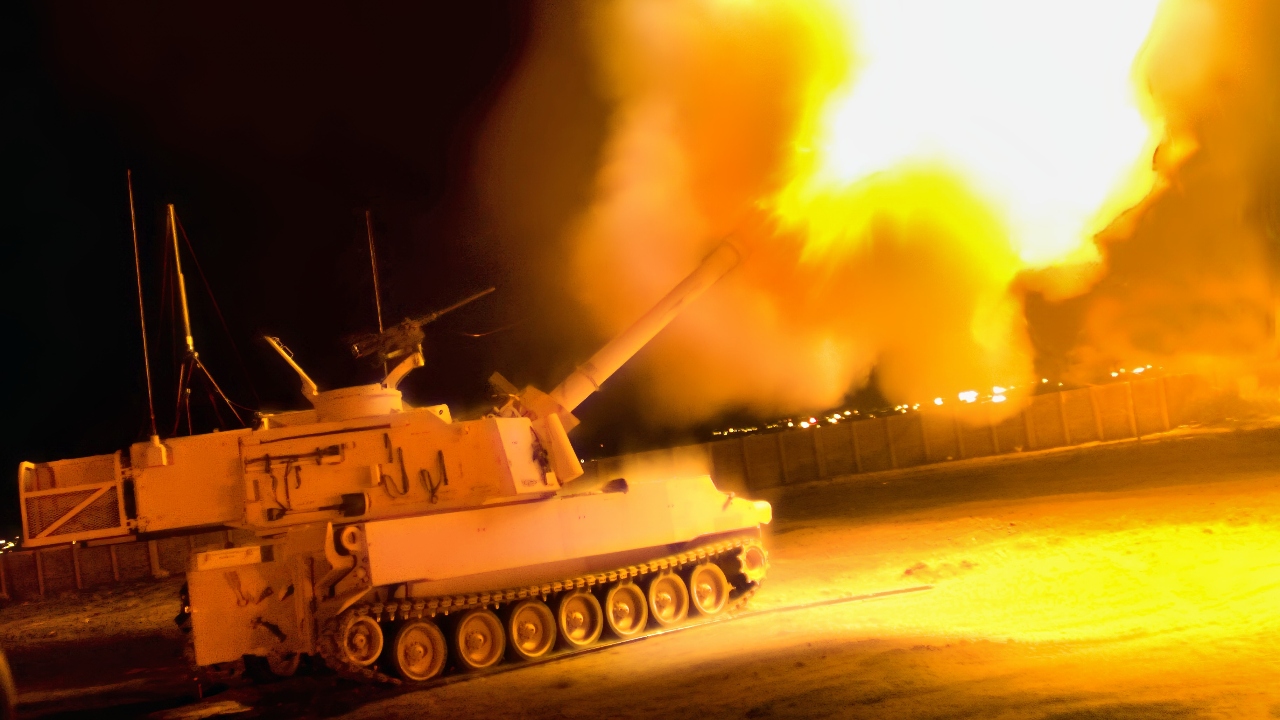
From a gun that shot at trees to an $18 billion boondoggle, these are the 5 worst and most disastrous weapon systems in U.S. Army history. Image Credit: U.S. Army.
Ukraine now has the capacity to build eight million drones per year, and its new domestically made FP-5 Flamingo long-range missile is providing the firepower Kyiv had hoped to achieve with long-range Western munitions during the early years of the war.
Kyiv has no reason to wind down its campaign after spending years building its domestic drone manufacturing industry and developing entirely new weapons just to fight back.
That leaves Putin with only one option: to intercept the incoming missiles and drones. Recent legislation passed in the Russian state Duma will allow banks and private institutions across the country to intercept drones, offloading some of the responsibility of protecting Russian assets and infrastructure from Ukrainian strikes.
That may alleviate some pressure on the Russian military, but it still requires arming private Russian institutions and training more people to conduct air defense operations across the world’s largest country.
That means investment, and if Putin believes the country will bounce back economically, it will require new growth even as its war economy struggles with labor shortages and constant pressure to build weapons.
Bouncing back may be Putin’s goal, but it’s little more than that. In reality, Russia is looking down the barrel of a gun, forced to either continue escalating in the hope that Ukraine will lose in the short or near term, or come to the table and back down from some of its most maximalist demands.
It is, however, a quagmire for Putin – because if he backs down now and negotiates with Kyiv, it will be a sign of weakness and could encourage Kyiv to step up the attacks even further in the hopes of squeezing even more concessions out of Moscow.
The most likely scenario now, it seems, is more escalation from both sides.
Crimea Is Under Pressure
While it has been more than a decade since the Russian annexation of Crimea, the contested territory has remained a sore point throughout the most recent conflict.
President Zelenskyy has indicated on several occasions that he intends to reclaim the territory as part of his country’s effort to push back Russian invaders, and while it was initially hard to believe that Ukrainian forces could exert enough pressure to achieve it, recent strikes are putting the region under extreme pressure.
In recent weeks, Ukrainian drones have targeted fuel depots and oil terminals in the region, and have caused major transportation disruption to routes that Russian forces rely on to move ammunition and personnel.
Among the most significant recent attacks was the strike on the Tamanneftegaz terminal in Russia’s Krasnodar region, where fires broke out after fuel storage facilities were struck.
The impact of the recent barrages of missile and drone strikes has been so severe that Crimea is now facing fuel shortages, with rationing already in place, and Kremlin spokesman Dmitry Peskov conceding there are “certain problems” on the peninsula.
About the Author: Jack Buckby
Jack Buckby is a British researcher and analyst specializing in defense and national security, based in New York. His work focuses on military capability, procurement, and strategic competition, producing and editing analysis for policy and defense audiences. He brings extensive editorial experience, with a career output spanning over 1,000 articles at 19FortyFive and National Security Journal, and has previously authored books and papers on extremism and deradicalization.


