
China Says It Didn’t Train Russian Troops, But Europe Says Otherwise: China has this week denied allegations from the European Union that its military trained Russian personnel who later fought in Ukraine. Chinese officials described the bombshell claims as “slander” and warned against what they claim are attempts to damage Beijing’s international reputation. The accusation was made by Kaja Kallas, the European Union’s foreign policy chief, following a meeting of European Union foreign ministers in Luxembourg.
The comments were one of the strongest indications yet that Western officials believe China is, despite its claims of neutrality, supporting Russian war efforts in Ukraine.
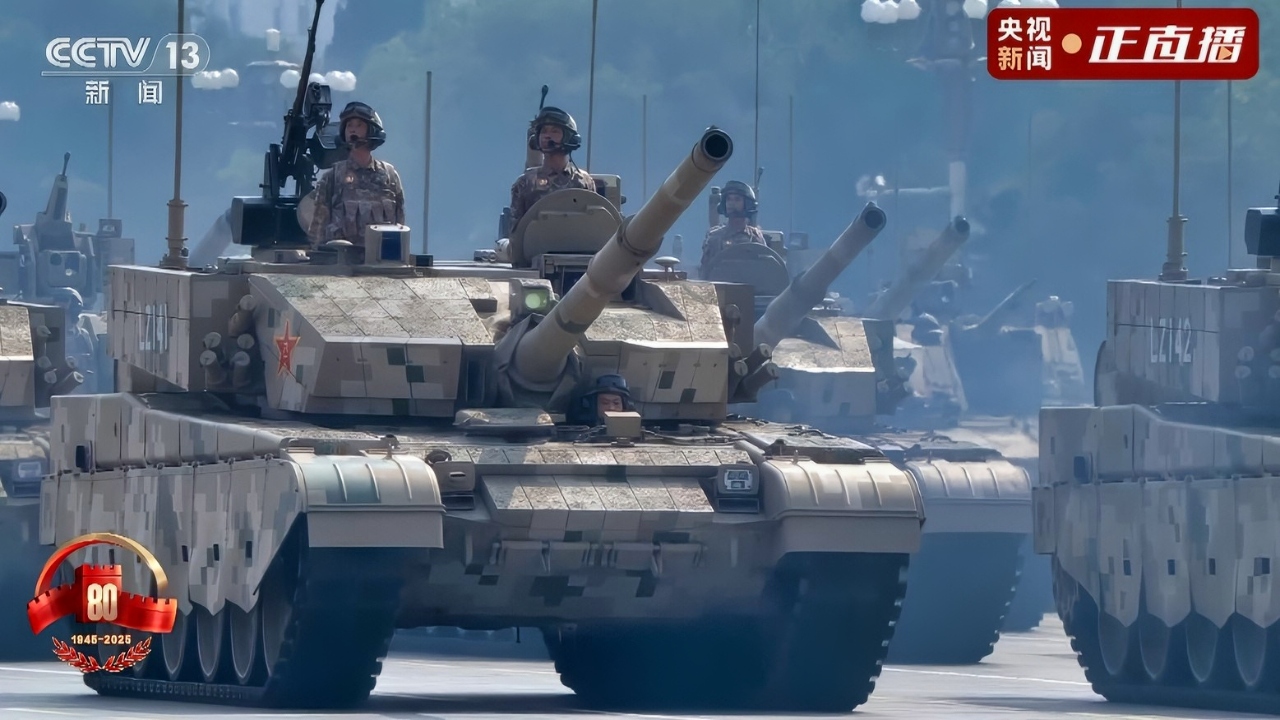
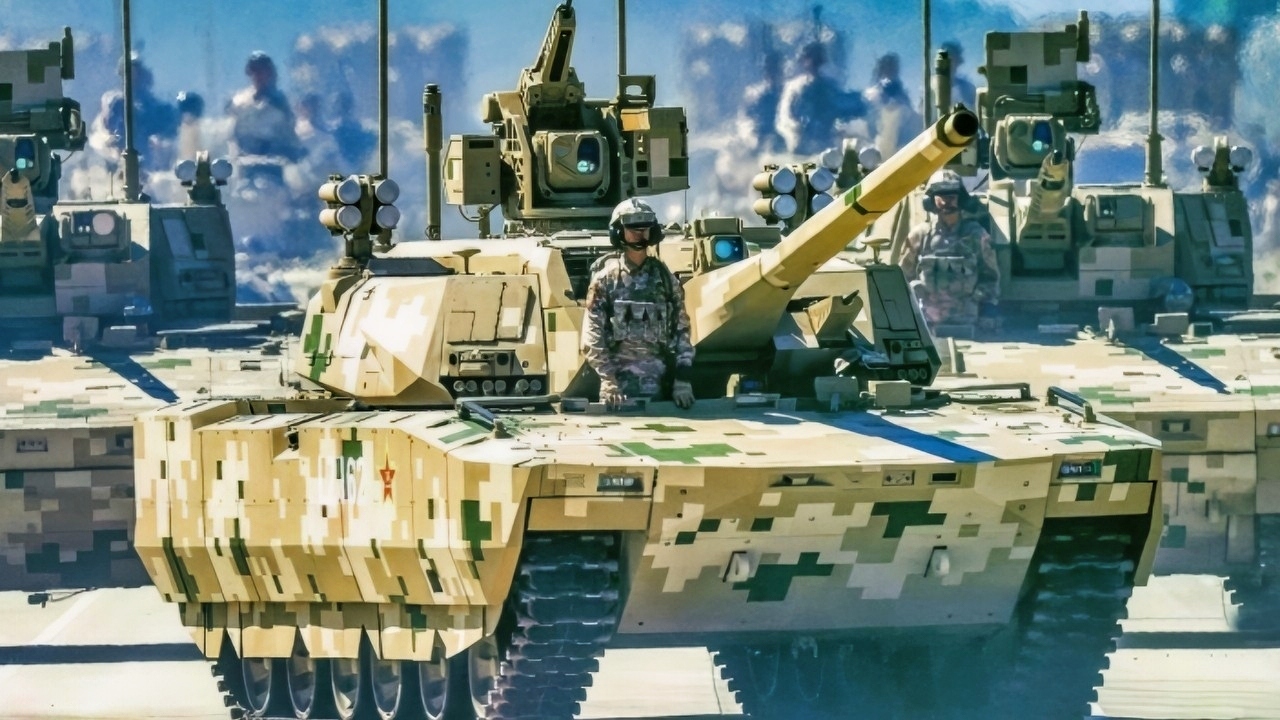
Type 100 Tank from China. Chinese Media Screenshot.
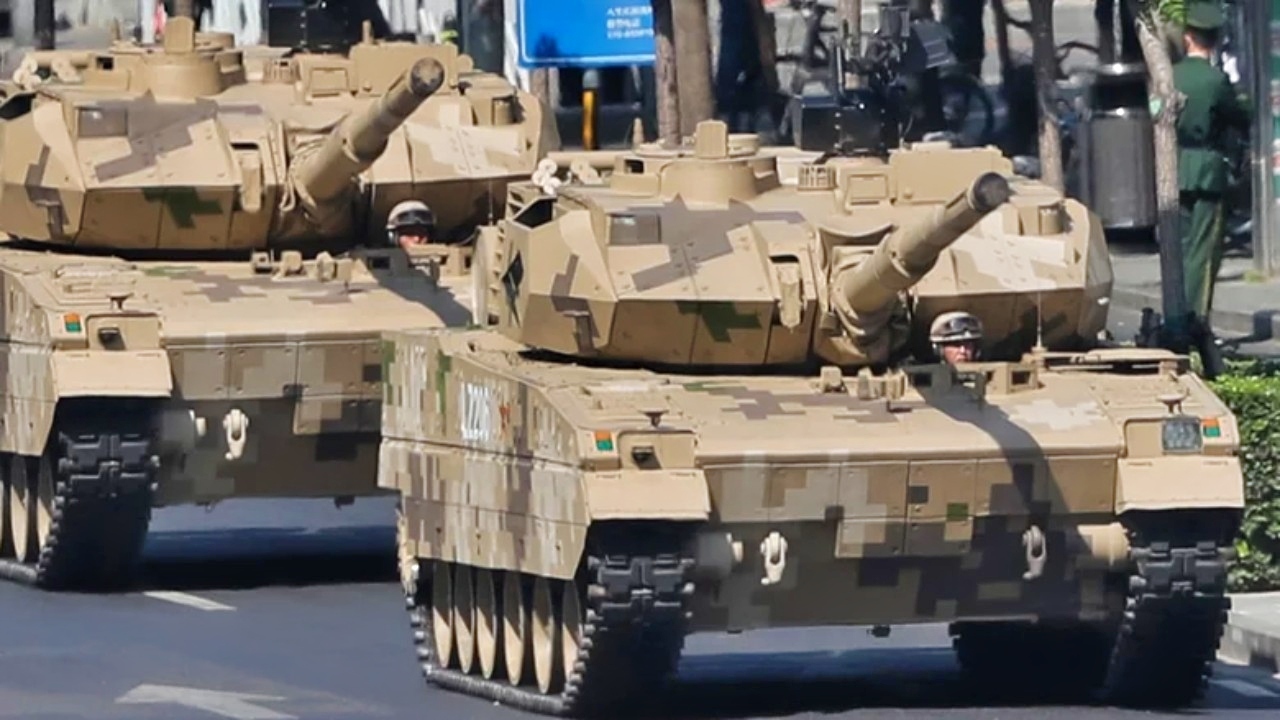
Type 15 Tank from China. Image Credit: Creative Commons.
What the EU Claims
Following a meeting of the European Union’s 27 foreign ministers in Luxembourg, Kallas said that European authorities have now confirmed recent reports that Chinese military personnel had trained Russian troops who later took part in combat operations in support of Russia’s invasion of Ukraine.
“We have also now verified reports that the Chinese military has been training Russian military personnel to fight in Ukraine,” Kallas said, adding that relevant authorities are now “carefully assessing the implications.”
Kallas did not expand on the matter, but did accuse Beijing of being a “decisive enabler” of the Russian invasion. The comments follow weeks of reports, citing European intelligence sources, about hundreds of Russian troops who may have participated in training activities at sites throughout Russia. Some of the reports indicated that the instruction largely focused on drone operations and electronic warfare techniques – two capabilities that have become particularly relevant as Ukraine’s domestic drone manufacturing industry expands.
What Was Revealed This Year
In May, Reuters reported that Chinese armed forces had “secretly trained about 200 Russian military personnel in China late last year,” and that some have since returned to the battlefield in Ukraine. The outlet cited three European intelligence agencies and documents its reporters had personally reviewed.
According to the report, the covert training sessions were detailed in a Russian-Chinese agreement signed by both Chinese and Russian officers in Beijing on July 2, 2025.
That document was reviewed by Reuters and reportedly described how around 200 Russian troops were trained in the eastern city of Nanjing, in Beijing, and other facilities across the country.
What China Has Said
China’s Foreign Ministry has denied the claims.
“The remarks have no factual basis and are purely slander and smears,” Foreign Ministry spokesperson Lin Jian told reporters on Tuesday.
In a statement to Reuters, the Chinese Foreign Ministry also doubled down on its claim of neutrality.
“On the Ukraine crisis, China has consistently maintained an objective and impartial stance and worked to promote peace talks, this is consistent and clear and is witnessed by the international community,” the statement explained, adding, “relevant parties should not deliberately stoke confrontation or shift blame.”
China’s Public Stance
Since Russia launched the full-scale invasion of Ukraine in February 2022, China has consistently described itself as a neutral party in the conflict, with officials repeatedly arguing that dialogue and negotiation are the only viable means of ending the war.
During the early days of the conflict, analysts warned that Moscow would seek military support from China, though direct involvement or support never materialized.
In February 2023, Beijing published a 12-point paper calling for a ceasefire and respect for “national sovereignty” and opposition to the use of nuclear weapons, but those efforts did not deliver peace. Chinese President Xi Jinping has also since held separate conversations with both Russian President Vladimir Putin and Ukrainian President Volodymyr Zelenskyy. China has also dispatched special envoys to Moscow, Kyiv, and across Europe to gather support for a political settlement. However, rumors of Chinese involvement in the conflict continue to circulate.
Reports of Secretive Chinese Support
The latest news is not the first time that Chinese support for the war in Ukraine has been identified by intelligence analysts and governments. In October 2024, the United States sanctioned two Chinese companies, Xiamen Limbach Aircraft Engine Co. and Redlepus Vector Industry Shenzhen Co., alleging that they had supported Russia in producing the Garpiya-A1 long-range attack drone. According to the U.S. Treasury Department, the drone had been developed using Chinese components and expertise before being later manufactured in Russia for use in the war.
Then, in June 2026, the European Union imposed sanctions on Shenzhen Minghuaxin Electronics and Xinxiang Richful Lubricant Additive Company, accusing both companies of supplying products that supported the Russian military-industrial complex. The European Union accused the companies of providing components and lubricant additives used in the production and maintenance of military vehicles.
So far, there is no indication that the European Union plans to publicly release the intelligence that supports the latest accusations. Kaja Kallas has only said that the European Union has verified recent reports. In her recent comments, Kallas also confirmed that more Chinese companies had been added to the bloc’s sanctions list.
About the Author: Jack Buckby
Jack Buckby is a British researcher and analyst specializing in defense and national security, based in New York. His work focuses on military capability, procurement, and strategic competition, producing and editing analysis for policy and defense audiences. He brings extensive editorial experience, with a career output spanning over 1,000 articles at 19FortyFive and National Security Journal, and has previously authored books and papers on extremism and deradicalization.


