

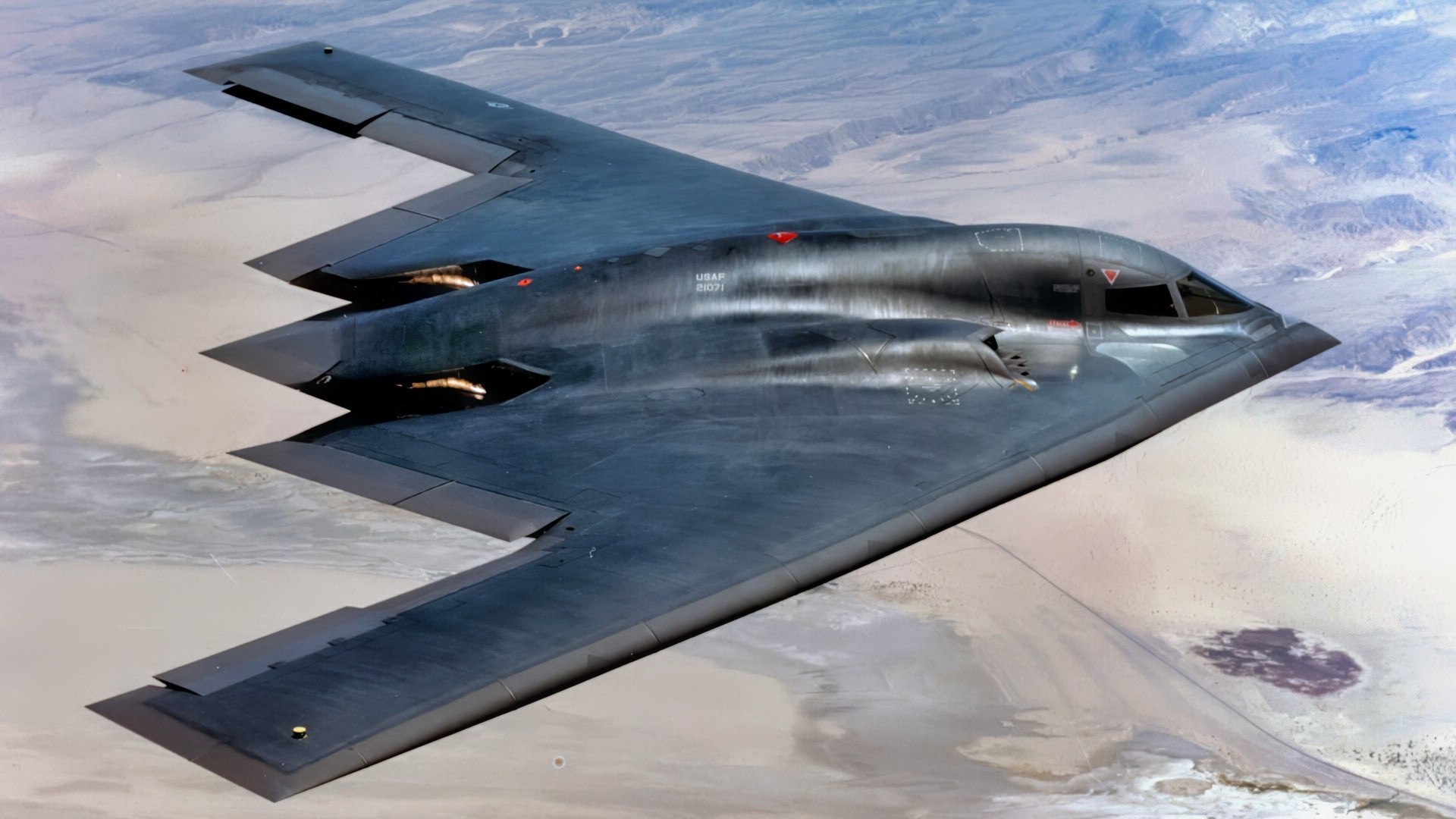
The Strait of Hormuz and the IRGC’s continued insistence on controlling the Strait are once again fast-tracking the two sides back into open conflict.
Iran said it is closing the Strait again in response to renewed Israeli strikes in Lebanon.
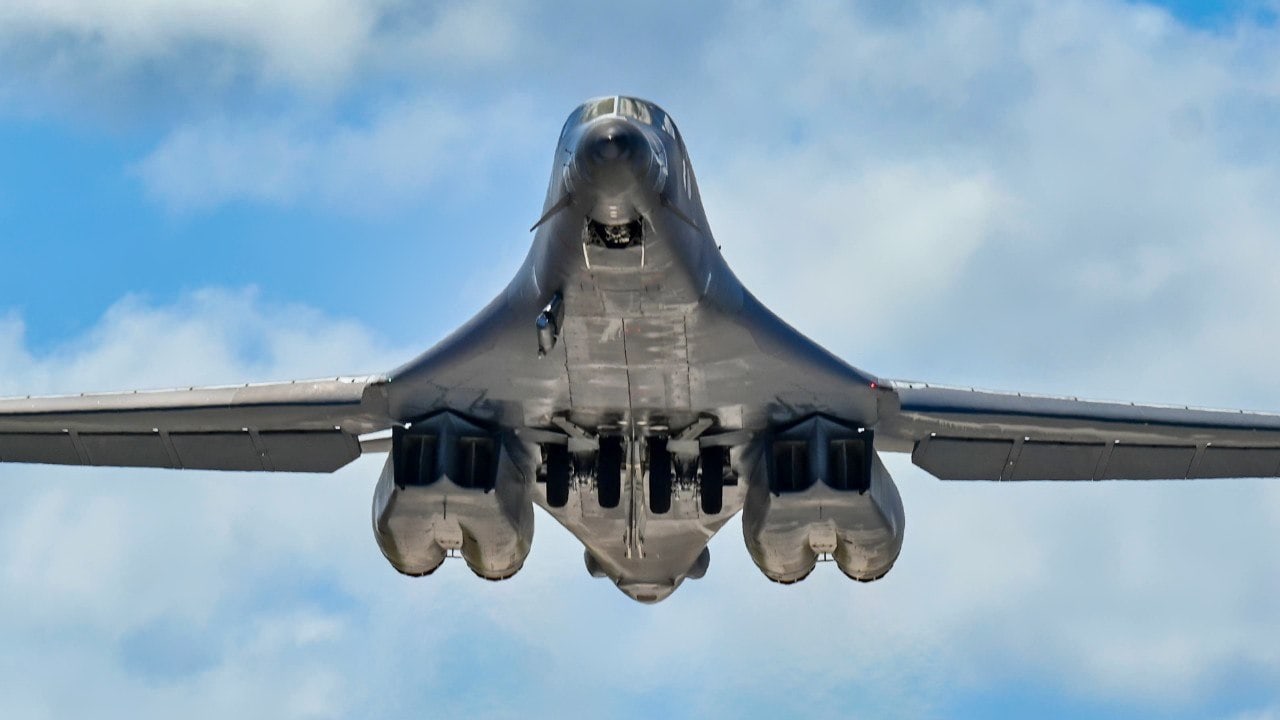
B-1B Lancer Bomber. Image Credit: Creative Commons.
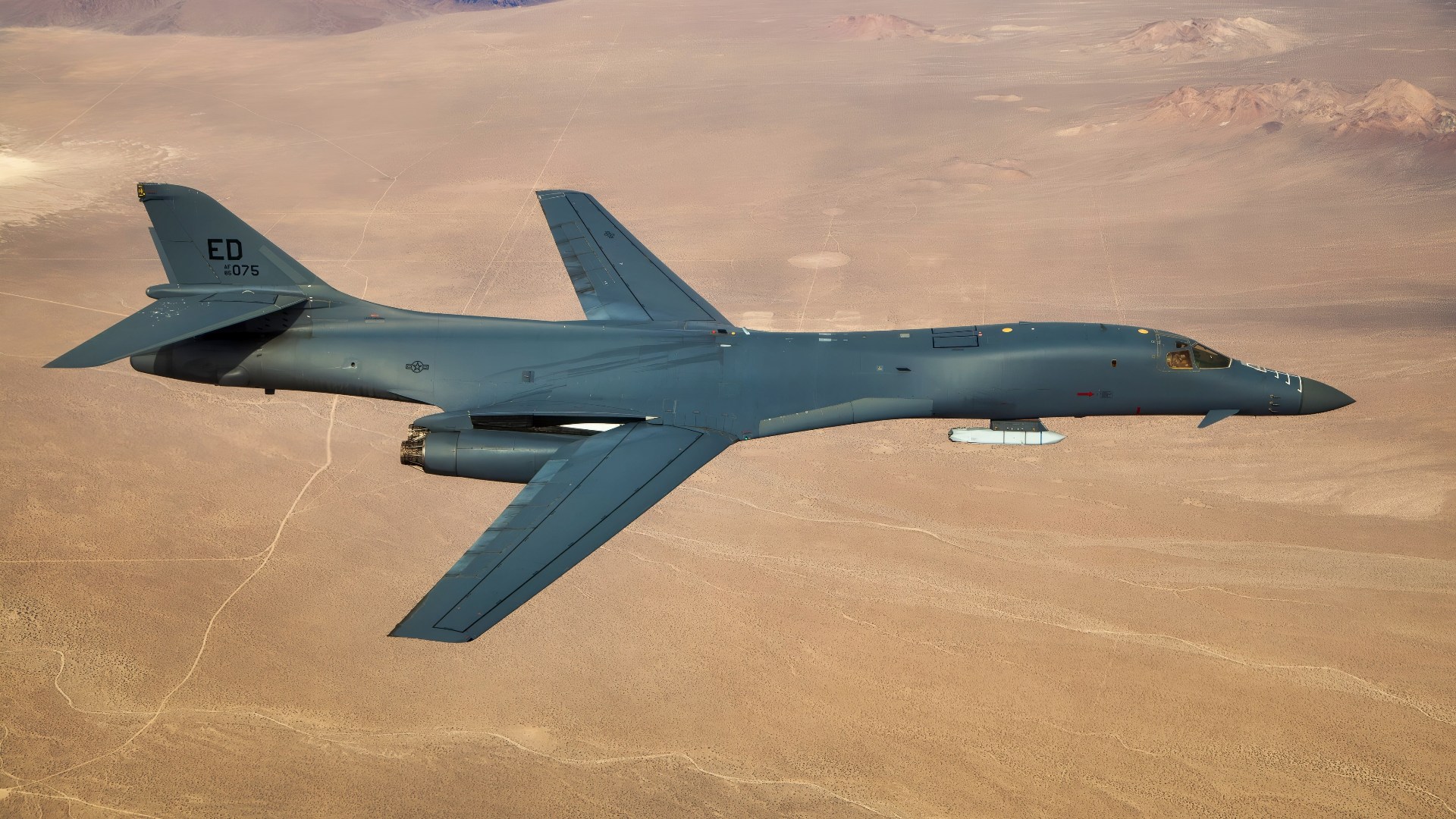
A B-1B Lancer with a Joint Air-to-Surface Standoff Missile (JASSM) flies in the skies above Edwards Air Force Base, California, Nov. 20. The flight was a demonstration of the B-1B’s external weapons carriage capabilities. (Air Force photo by Ethan Wagner)
Although the Israelis and Hezbollah agreed to a ceasefire on Friday, both sides continue trading fire, with each blaming the other.
As the US and Iranian delegations meet in Switzerland to negotiate the MoU peace agreement, ending the conflict in Lebanon is “the most important item on the Iranian delegation’s agenda,” an Iranian official said to CNN this weekend.
The Iranian closure of the Strait is tied to the fighting in Lebanon as well as their insistence that they will charge fees in the future for ships passing through, and added that they will not abandon their plans for nuclear enrichment, and that the United States will be forced to accept it, which has drawn the ire of President Trump.
However, the US Central Command (CENTCOM) denies that the Strait has been closed, stating that tankers continue to navigate through the waterway.
But on Sunday, only 12 ships navigated the Strait, down from 35 the day before. Some industry sources state that vessels may have turned off their AIS transponders.
Trump Says The US, Not Iran, Will Charge Fees For Strait Passage
President Trump didn’t hold back when asked about this latest Iranian closure of the Strait of Hormuz, just as traffic was picking back up through the strategic waterway.
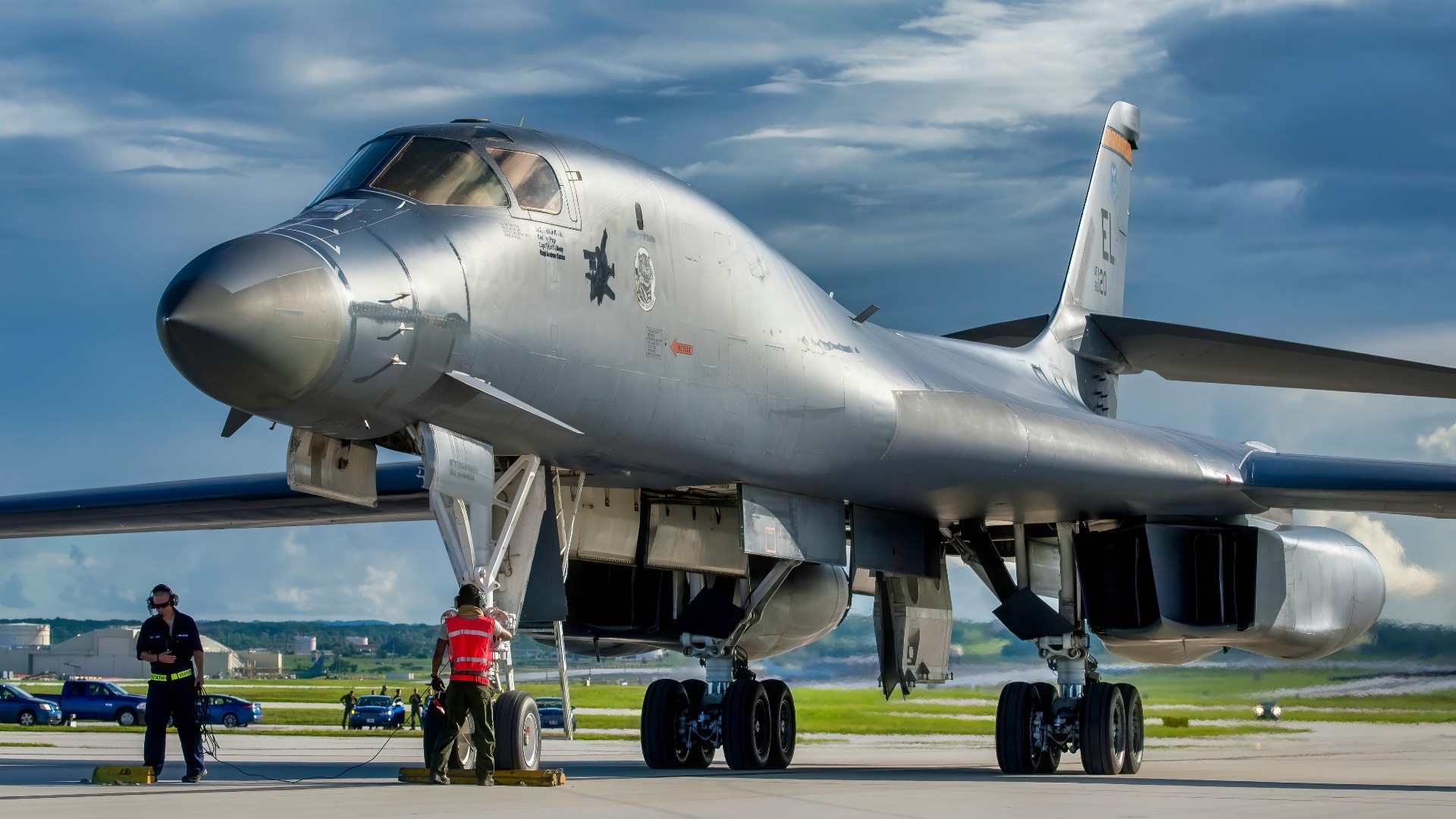
A U.S. Air Force B-1B Lancer assigned to the 37th Expeditionary Bomb Squadron, deployed from Ellsworth Air Force Base (AFB), S.D., arrives at Andersen AFB, Guam July 26, 2017. These aircraft, and the men and women who fly and support them, provide a significant capability that enables our readiness and commitment to deterrence, provides assurances to our allies, and strengthens regional security and stability in the Indo-Asia-Pacific region. (U.S. Air Force photo/Airman 1st Class Christopher Quail)
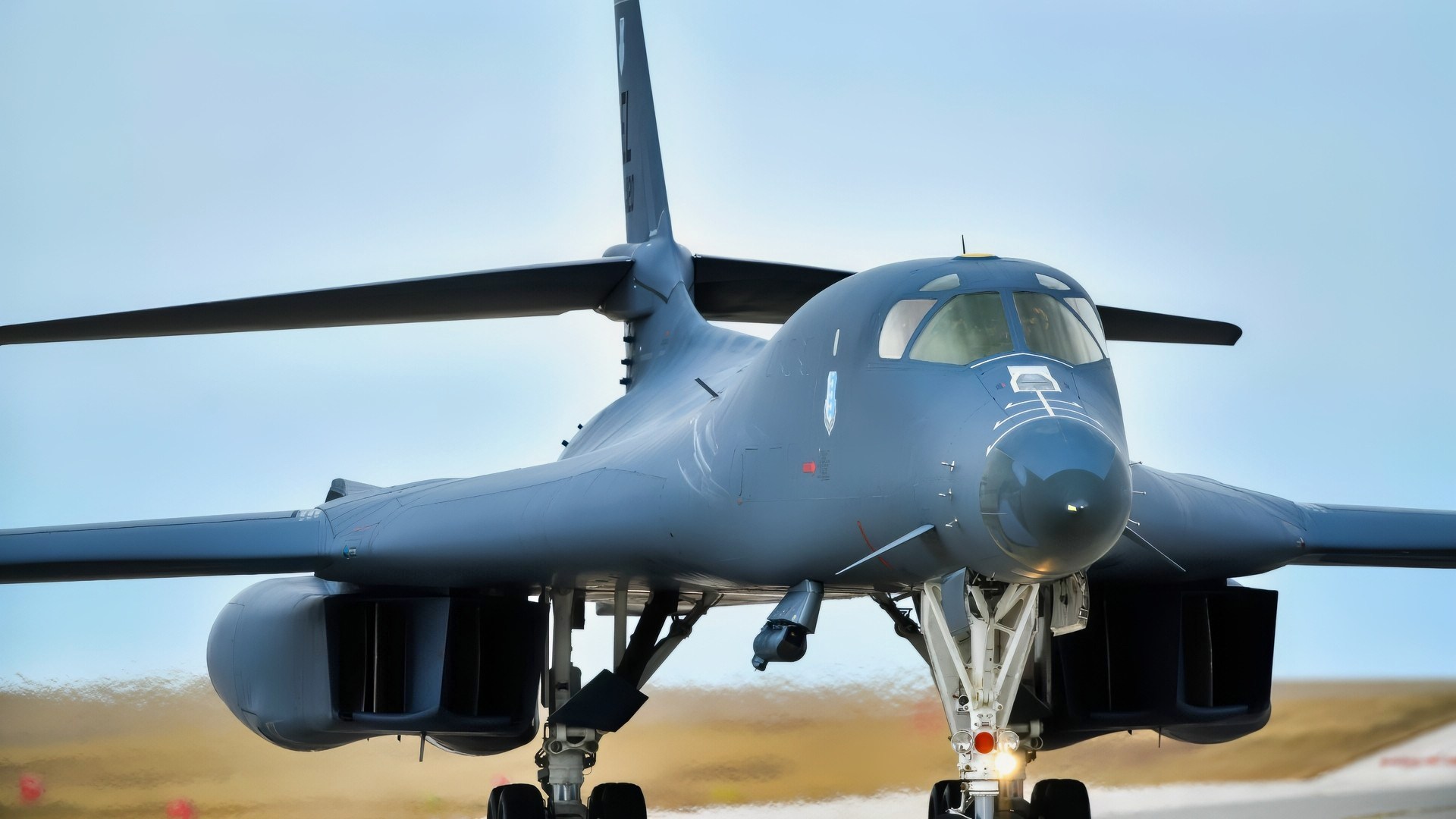
A U.S. Air Force B-1B Lancer assigned to the 37th Bomb Squadron taxis off the runway at Ellsworth Air Force Base, S.D., after completing a CONUS-to-CONUS mission, Nov. 03, 2024. All missions are closely planned with the appropriate Geographic Combatant Commands, Allies, and partners to ensure maximum training and integration opportunities as well as compliance with all national and international requirements and protocols. (U.S. Air Force photo by Airman Alec Carlberg)
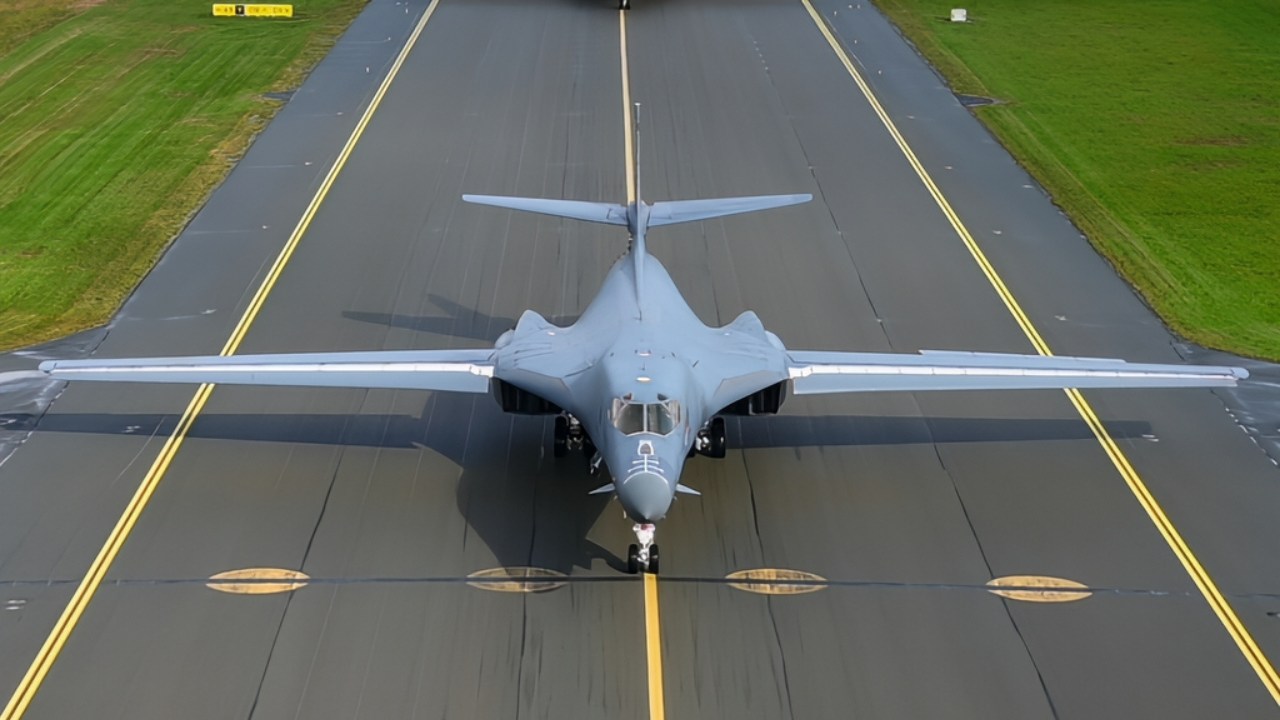
A U.S. Air Force Airman, assigned to the 345th Expeditionary Bomb Squadron, stands a B-1B Lancer during a Bomber Task Force Europe mission at Ørland Air Base, Norway, Aug. 21, 2025. BTF missions expose and familiarize aircrew with air bases and operations in different geographic combatant command areas of operations to enable strategic access and integration with coalition forces to deter global conflict. (U.S. Air Force photo by Staff Sgt. Tambri Cason)
Fox News’ Middle East correspondent Trey Yingst quoted the president as he stated, “You close it, and you won’t have a country.”
The president added that the United States could become the “Guardian Angel” of the Strait, taking it over and taking 20 percent of the oil.
“There will be NO TOLLS in the Hormuz Strait for 60 days during the Cease Fire Period, and there will be NO TOLLS after the 60-day period has expired,”
Trump wrote on his Truth Social page, “unless they are imposed by and for the United States of America.”
What Will/Should The US Do Over This Latest Closure Of the Strait?
The United States has the capability and must strip Iran and the IRGC of their control over the Strait of Hormuz, labeling such control unacceptable.
Any of Iran’s attempts to shut the strait and mandate that passing ships require its permission is a major threat to regional stability.
The US will once again have to use force to strip away any Iranian attempt at controlling the Strait, now or in the future.
The U.S. cannot allow Iran to dictate the opening and closing of the strait at will, as doing so grants the regime a dangerous level of global influence.
The U.S. military has the capability to completely force the strait open and neutralize Iranian influence in the waterway.
Targeting energy infrastructure should be on the table.
In the event that ceasefires break down completely or Iran targets regional energy infrastructure, the US should consider severe retaliatory measures.
The President has stated that he doesn’t want to target any energy infrastructure so that the Iranian people can once again become a prosperous nation.
But the current regime has no intention of rejoining the world as an open society.
They believe that their oil industry will be protected by the US’s unwillingness to target it.
The Iranian regime should know that Kharg Island will become a target if they persist with thoughts of controlling the Strait or continuing with its nuclear enrichment program.
The island is vital to Iran’s oil trade, and it can be targeted or have mines emplaced in a tit-for-tat response.
Iranian vessels attempting to clear the mines can be targeted.
There are already initiatives underway to reduce the need for oil from the Strait.
Energy Companies Are Planning To Bypass The Strait
Energy companies and Gulf producers are planning to bypass the Strait of Hormuz by rerouting crude flows through overland pipelines directly to open waters.
Major state-owned operators are rapidly constructing new pipeline mega-projects to reduce their reliance on the Persian Gulf.
The crisis in the Strait of Hormuz has forced a massive operational shift in global energy logistics, and oil companies do not want to repeat the situation of ships being stranded there.
The United Arab Emirates (UAE) is rapidly advancing the construction of its West-East pipeline.
Scheduled for completion in 2027, the project is nearly 50 percent complete and will double export capacity from the port of Fujairah, which sits on the Gulf of Oman outside the strait.
“Right now, too much of the world’s energy still moves through too few chokepoints,” Sultan Ahmed Al Jaber, the CEO of the Abu Dhabi National Oil Company (ADNOC), said in an interview at the Atlantic Council.
“This is not just an economic problem,” Al Jaber added. “In fact, this sets a dangerous precedent once you accept that a single country can hold the world’s most important waterway hostage.”
Saudi Arabia has ramped up flows through its East-West Pipeline to over 7.5 million barrels per day, allowing crude to exit via the Red Sea port of Yanbu.
Goldman Sachs predicts that the Strait may never fully recover to pre-conflict traffic levels.
Many Asian countries that rely on the Middle East for their oil needs, such as South Korea and Japan, are seeking alternative suppliers from the United States, Canada, Venezuela, Azerbaijan, and Russia.
The two nations signed a comprehensive energy cooperation agreement. This includes plans for joint stockpiling, enhanced information sharing, and the establishment of a petroleum and LNG swap framework in the Indo-Pacific.
While these ventures can’t replace the amount of oil that flows through the Strait daily, every barrel from an alternative source reduces the leverage that Iran can wield in the future.
Iran, despite its Air Force being erased, and much of its Navy sunk, and the nuclear enrichment facilities being bombed, believes it has won the conflict, which is still far from over.
The US has been restrained in its targeting of certain Iranian strategic assets, hoping for a negotiated settlement. It may be time for that to change.
About the Author: Steve Balestrieri
Steve Balestrieri is a National Security Columnist. He served as a US Army Special Forces NCO and Warrant Officer. In addition to writing on defense, he covers the NFL for PatsFans.com and is a member of the Pro Football Writers of America (PFWA). His work was regularly featured in many military publications.


