


The U.S. Strategic Petroleum Reserve (SPR) is at its lowest level since 1983. And it needs to be refilled as soon as possible to bring it back to the levels prior to the start of the conflict with Iran.
The SPR is currently holding about 331.2 million barrels of oil, less than half of its capacity, according to the latest data.
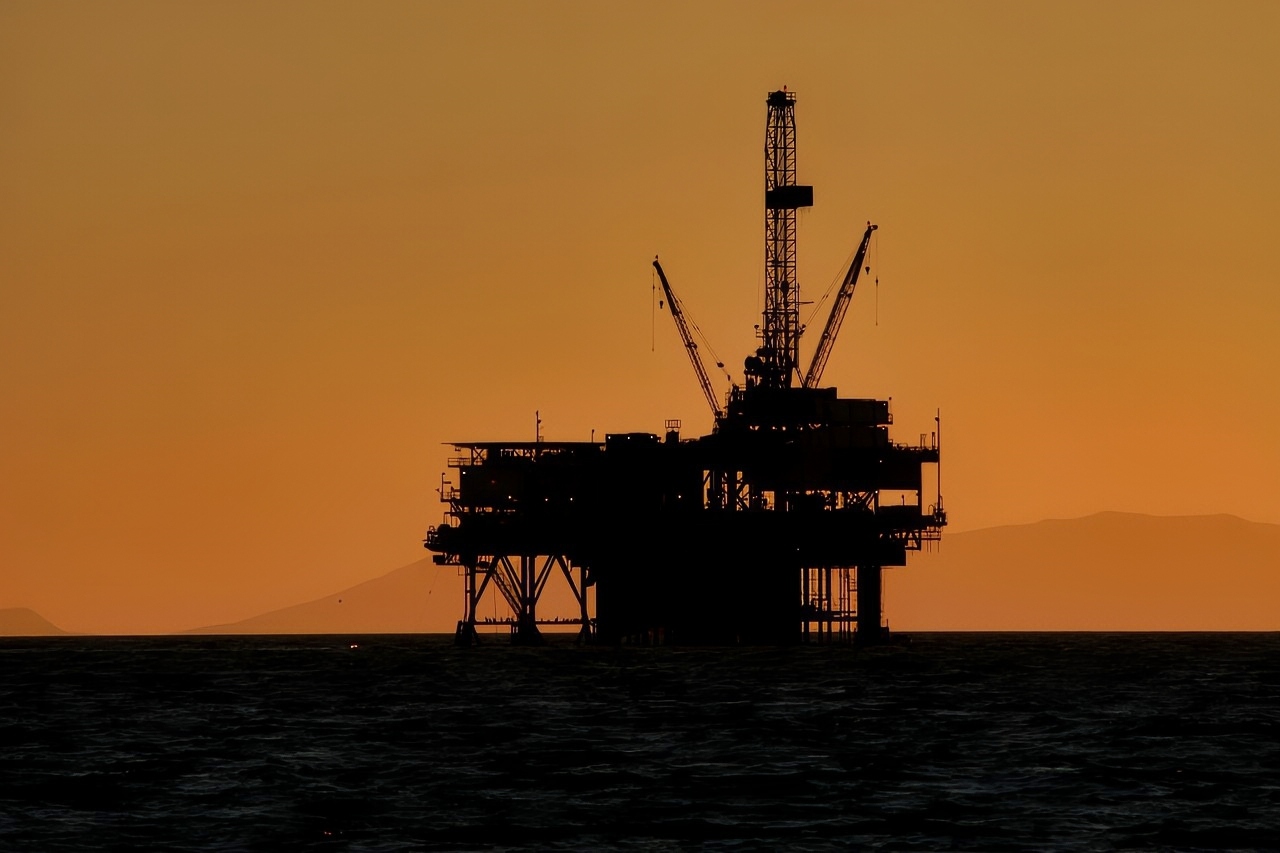
Oil Platform. Image Credit: Creative Commons.
The Strategic Petroleum Reserve (SPR) is the world’s largest emergency crude oil supply and was established primarily to mitigate disruptions in petroleum product supplies and to fulfill the United States’ obligations under the international energy program.
The SPR has a total authorized storage capacity of 714 million barrels across four underground salt cavern sites in Texas and Louisiana. However, the current inventory has been drawn down due to the conflict in Iran.
Successive massive drawdowns have occurred to stabilize global energy markets, beginning with the fallout from the war in Ukraine and subsequently compounded by international supply disruptions in the Middle East and by reduced oil flowing through the Strait of Hormuz.
Did The US Push For A Peace Deal Due To The SPR’s Low Levels
Many analysts believe that the depleted U.S. strategic oil reserves were a major contributing factor in the Trump administration‘s decision to pursue a peace deal to end the war with Iran.
Following months of conflict, the Strategic Petroleum Reserve (SPR) fell to its lowest levels since 1983, and officials warned that without a resolution, the reserves would be exhausted within weeks.
President Trump said that without the peace deal (Memorandum of Understanding or MoU) with Iran, the United States would have drained its strategic oil reserves in a month.
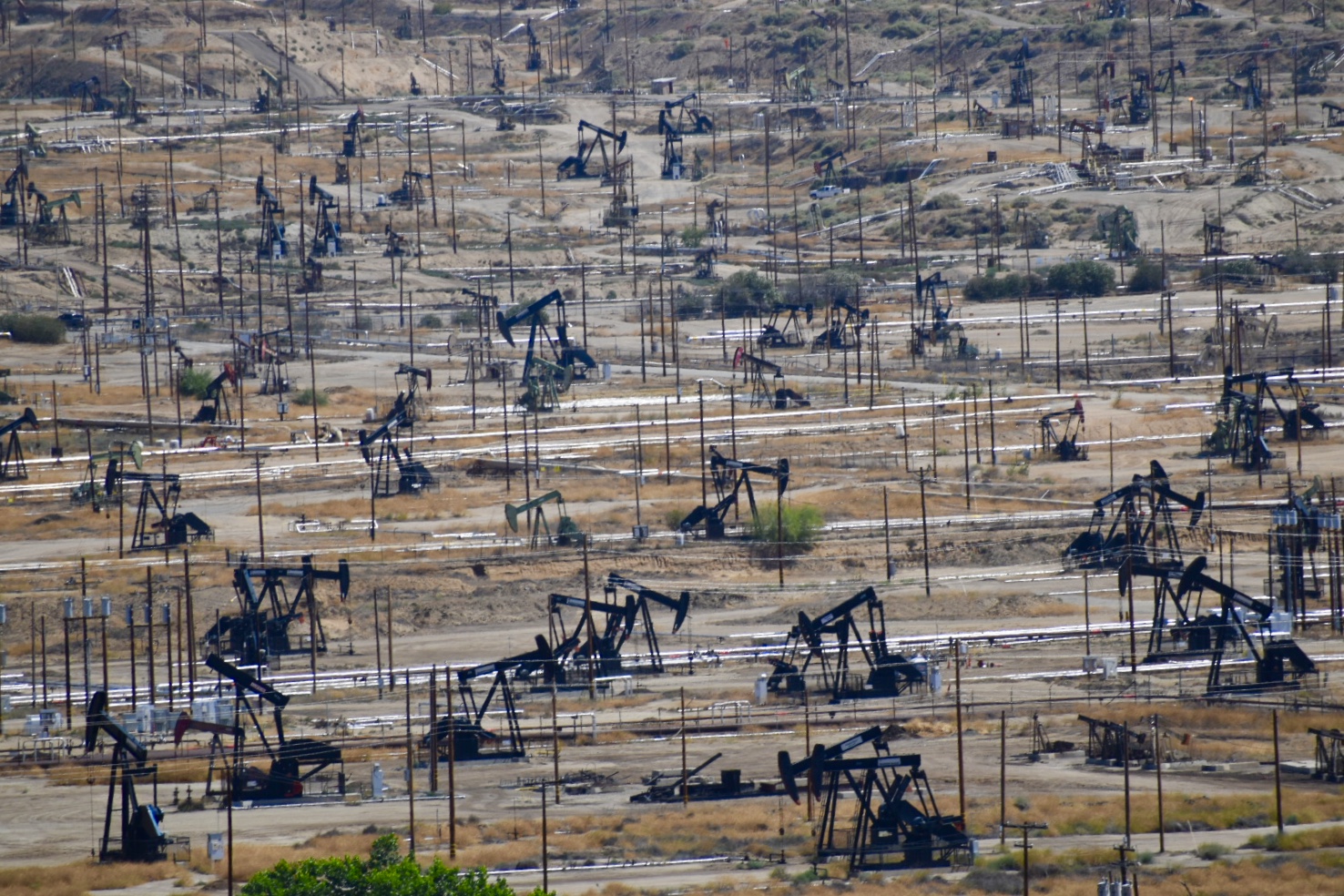
Oil fields. Image Credit: Creative Commons.
“We run out of reserves at about four weeks,” Trump said in France while at the G7 summit, discussing the MoU agreement with Iran.
“You know, there are reserves all over the world, and we would really run out, and there’ll be a time when you wouldn’t be able to get it.”
At the start of the conflict, the United States and other International Energy Agency (IEA) countries announced they would release oil from their strategic reserves, putting an additional 400 million barrels onto the market.
As part of this agreement, the Trump administration said it would release 172 million barrels from its strategic reserve. The releases were set to occur over a 120-day period.
Despite The Drawdown, The United States Is Not Short Of Oil
Although the Trump administration has been releasing millions of barrels of oil from the US Strategic Petroleum Reserve, the United States, interestingly enough, is not short of oil or gas at all.
The US is currently producing at record highs.
The U.S. leads the world in oil and natural gas production. Crude oil production exceeds 13.6 million barrels per day, more than that of Russia and Saudi Arabia combined. And the U.S. produces 110 billion cubic feet of natural gas per day.
But after the closure of the Strait of Hormuz earlier this spring, where 20 percent of the world’s oil passes through, there were shortages globally, and the price of gasoline surged to over $4.50.
So the US and IEA countries released reserves to meet the shortage of available oil and ease the prices a bit.
Patrick De Haan, lead petroleum analyst with Gas Buddy, said, “It had some impact, and it certainly wouldn’t make prices higher by releasing this oil.”
The US Has Released Reserves In The Past
Releasing oil from the Strategic Oil Reserves is not new.
After the OPEC oil embargo in the late 1970s, the US Department of Energy (DOE) said it triggered a recession in the United States. The SPR was created by the United States to prevent future market impacts from worldwide disruptions. That includes weather events, technical failures, political disputes, and wars.
After the devastating effects of Hurricane Katrina in 2025 and the damage to oil refineries and pipelines in Louisiana, the US released 11 million barrels of oil from its reserves to offset refinery shutdowns and damage.
Russia’s invasion of Ukraine caused instability in the oil market, and President Biden authorized 180 million barrels to be sold to stabilize the global market.
“After this is all said and done, there is the distinct possibility that the U.S. may try to completely refill its reserves as countries would do, correcting a problem, refilling them. So, there may actually be more global oil demand after this,” De Haan added.
DOE Secretary Says Help Is On the Way
However, Energy Secretary Chris Wright has stated that the country’s rainy-day oil reserve is slated to receive a major influx of oil soon.
Companies that borrowed crude oil from the SPR during the Iran conflict will return those barrels with premiums attached, leaving the reserve about 40 million barrels larger than it would have been otherwise by the time the war ends, Wright said Friday, in an article from oilprice.com.
Appearing on Fox Business last week, Wright said, “We’re not selling any barrels of oil.” “We’re flowing oil to the marketplace in the short term when it needs it, and we’re trading those barrels.”
The Department of Energy (DOE) released 133 million barrels of crude oil from the strategic reserve after markets were affected by the conflict in Iran.
However, those barrels of crude oil will be replaced, plus an additional 25 percent.
Wright insists that there is no cause for worry.
Instead, he states that the strategic reserves are doing exactly what they are intended to do: release oil when it is needed and replenish it later.
Wright added that the Strategic Petroleum Reserve should be used strategically, not politically. President Trump is tactically trading every barrel for a 25 percent return in the next year, adding 40 million barrels to the SPR without a taxpayer dollar.
This will be an increase in value of over $3 billion for the taxpayer.
In the meantime, the Trump administration has pointed to record-high U.S. oil production, along with new supplies unlocked in Venezuela and through the Jones Act waiver, which allows foreign-flagged ships to make deliveries between U.S. ports, as evidence that American consumers are protected from spiking prices.
Despite many oil analysts saying that the price of oil will soon skyrocket again due to the demand not keeping up with the reflowing of oil through the Strait, oil prices have dropped to $73 a barrel for West Texas Intermediate (WTI), the first time it has dropped below $75 a barrel since March.
About the Author: Steve Balestrieri
Steve Balestrieri is a National Security Columnist. He served as a US Army Special Forces NCO and Warrant Officer. In addition to writing on defense, he covers the NFL for PatsFans.com and is a member of the Pro Football Writers of America (PFWA). His work was regularly featured in many military publications.


Hector garza
June 24, 2026 at 7:37 pm
Drill baby drill?