

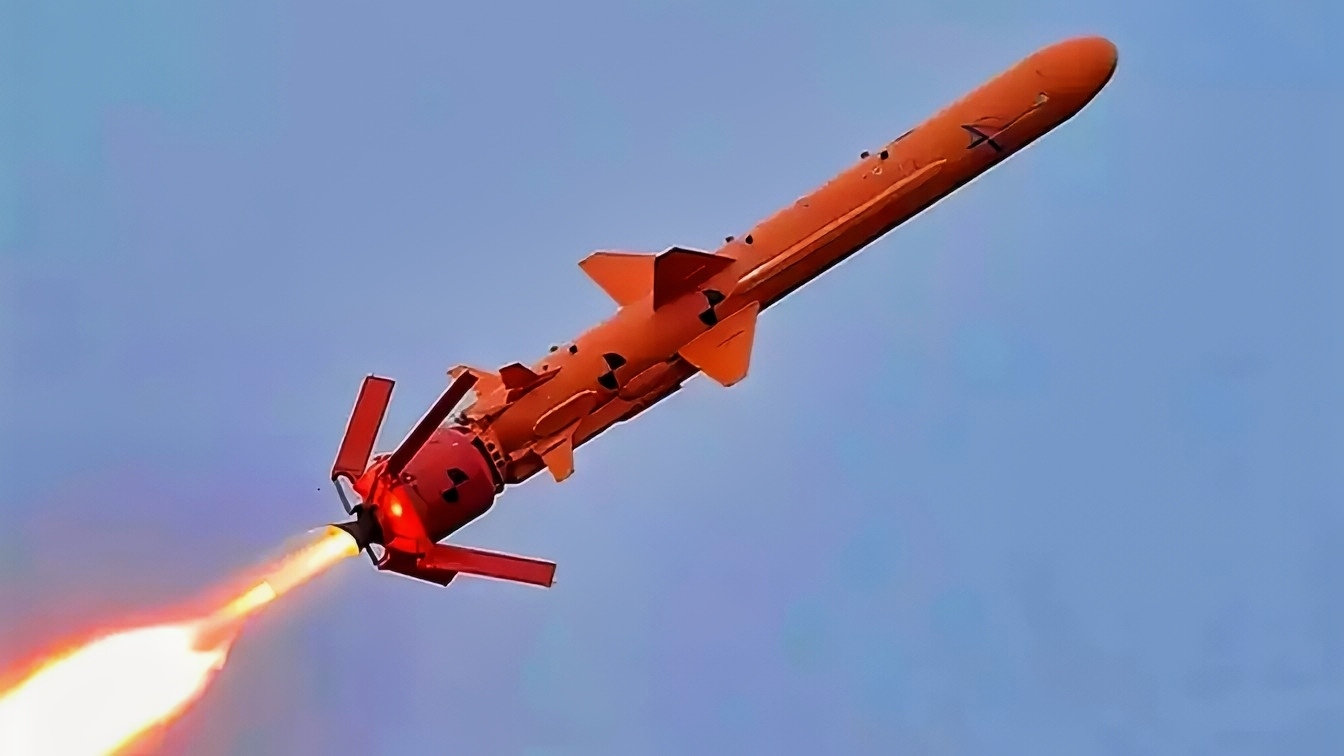
The Ukrainian General Staff said its forces struck a factory in Voronezh producing electronic components used in Russian missile systems, including Iskander and Kh-101.
Ukrainian drones and missiles also attacked the Dubna satellite communications center in the Moscow region.
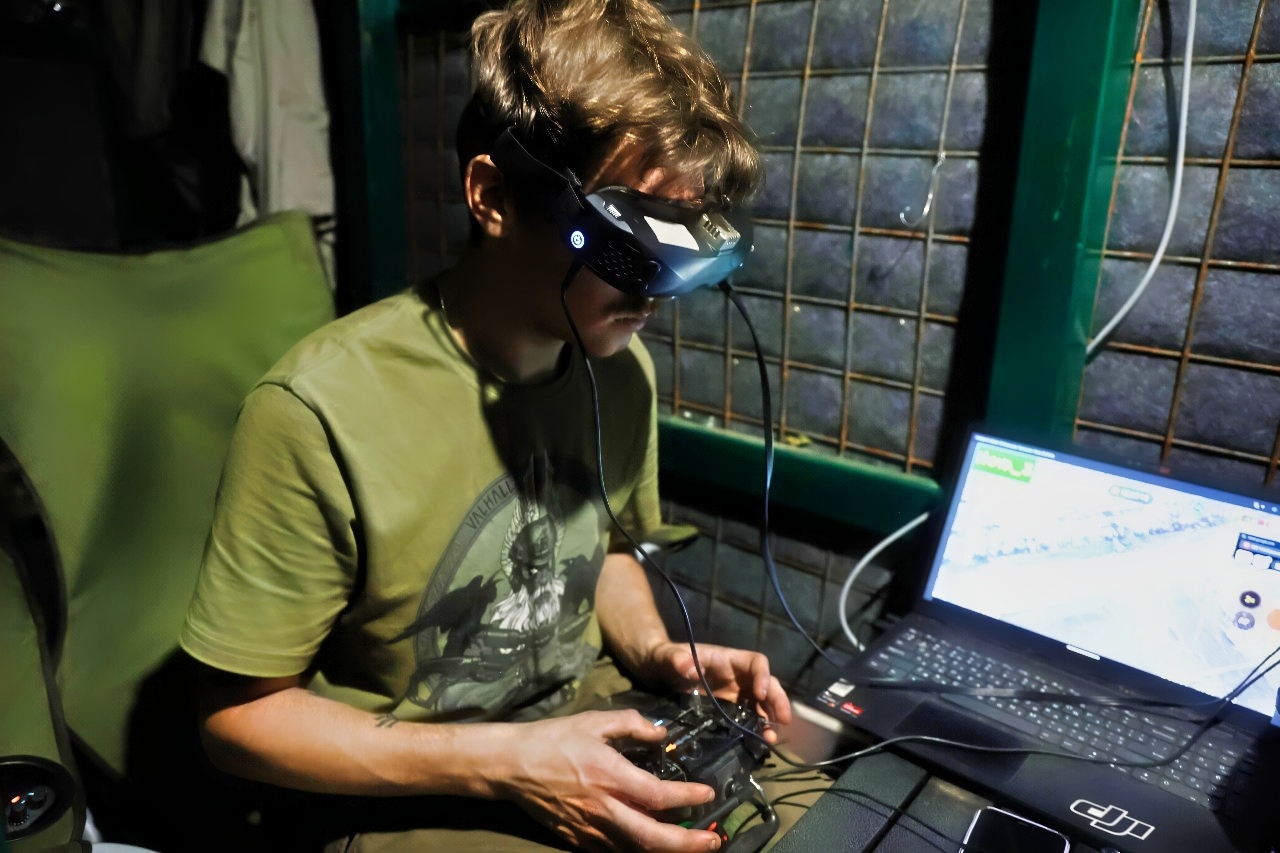
Bohdan, a drone pilot from the Unmanned Systems Battalion of Ukraine’s 110th Separate Mechanized Brigade, pilots an FPV drone in Donetsk Oblast during active battle operations. Photo: David Kirichenko
The electronics plant in Voronezh was described by Ukraine as a “critical component” of Russia’s defense industry, manufacturing components for guidance and onboard computer systems.
Kyiv said the strike was carried out with high-precision air-launched cruise missiles and aimed at reducing Russia’s ability to produce long-range weapons used against Ukraine.
The Voronezh Semiconductor Devices Plant-Assembly Was Targeted
OSINT analysts of the Russian opposition outlet Astra identified the Voronezh Semiconductor Devices Plant-Assembly as the target of the missile attack.
Alexander Gusev, the Voronezh governor, said a production plant was damaged and that five people were killed and dozens of others were wounded in the attack.
“The majority of the plant’s employees managed to reach the shelter in time and remained unharmed, despite the severe damage to the building,” Gusev wrote in a post on Telegram.
Gusev added in his Telegram app post that air defense forces had destroyed several Storm Shadow cruise missiles in the skies over Voronezh and warned residents about the danger of missile attacks.
The Assembly Plant Makes Components for Russian Missiles
According to the Ukrainian General Staff, the semiconductor plant manufactures components for Kh-101 cruise missiles, semiconductor components for the “Zarya-61M” onboard digital computer used in Iskander-K systems, and other key components for “Pantsir-S1” air defense systems.
These items are used in onboard computer systems, guidance, and radar systems.

T-84 Tank Ukraine. Image Credit: Creative Commons.
The General Staff added that the destruction of the facility’s manufacturing capacity would significantly reduce Russia’s ability to produce precision-guided weapons used in strikes against Ukraine.
Dubna Satellite Communications Center in Moscow Hit
Ukraine’s military also conducted a drone strike on Russia’s Dubna satellite communications center in the Moscow Oblast, the Ukrainian military’s General Staff said.
Russia’s state-run news agency TASS said on Monday that the center “had come under a massive drone attack by the Ukrainian Armed Forces.”Heavy smoke was seen rising from the area, although the extent of damage is unknown.
The Dubna Satellite Communications Center is considered Russia’s largest satellite teleport—a major ground hub that connects satellites with terrestrial communication networks.
Russian state operator Kosmicheskaya Svyaz acknowledged a massive drone attack on the facility but said television and communications services were unaffected and no personnel were injured.
“Television broadcasting and communications have not been disrupted. Measures are being taken to address the aftermath. The center’s personnel were not harmed,” the company said in a press release.
Dubna plays a critical role in controlling Russian military satellites, relaying signals, and supporting systems such as Meridian and Luch.
Any damage from the attack could disrupt coordination between front-line units and Moscow, affecting UAV control and electronic warfare operations.
The strike also targeted Russia’s ability to project information into occupied Ukrainian territories, where the center supported television broadcasting.
Moscow Mayor Sergei Sobyanin said on Telegram that 84 Ukrainian drones were shot down over Moscow in this latest attack.
Over Russia and parts of occupied Ukraine, the Russian Ministry of Defense said it shot down 301 drones overnight.
Russia’s Federal Air Transport Agency, Rosaviatsiya, announced that operations were being affected at Moscow’s Domodedovo and Zhukovsky airports.
Restrictions were also imposed at the biggest international airport in the Moscow Oblast, Sheremetyevo. A total of 367 flights were either canceled or delayed.
Ukraine’s Growing Sophistication And Intelligence Integration
However, these latest drone and missile attacks in Moscow and in Crimea indicate that the Ukrainian military has found and is taking advantage of weaknesses in Russia’s air defense systems.
Their drone and missile strikes have been evolving from attacking Russian front-line troop concentrations to conducting strikes deep inside Russia itself and occupied Crimea.
The attacks on Russia’s oil and gas infrastructure have taken a definite toll on the economy.
Now, these attacks on Russia’s space communication centers indicate Kyiv’s growing intelligence and target-interdiction capabilities, employing excellent route planning and outstanding preparation.
Some analysts openly wonder whether Russian air defenses are running short of air defense missiles, or if it is simply poor training of personnel.
But one thing is for sure: Moscow is coming under numerous attacks (three in the past week), and thus far has been powerless to stop them.
About the Author: Steve Balestrieri
Steve Balestrieri is a National Security Columnist. He served as a US Army Special Forces NCO and Warrant Officer. In addition to writing on defense, he covers the NFL for PatsFans.com and is a member of the Pro Football Writers of America (PFWA). His work was regularly featured in many military publications.


