

Ukraine’s long-range drone campaign appears to have entered a new phase.
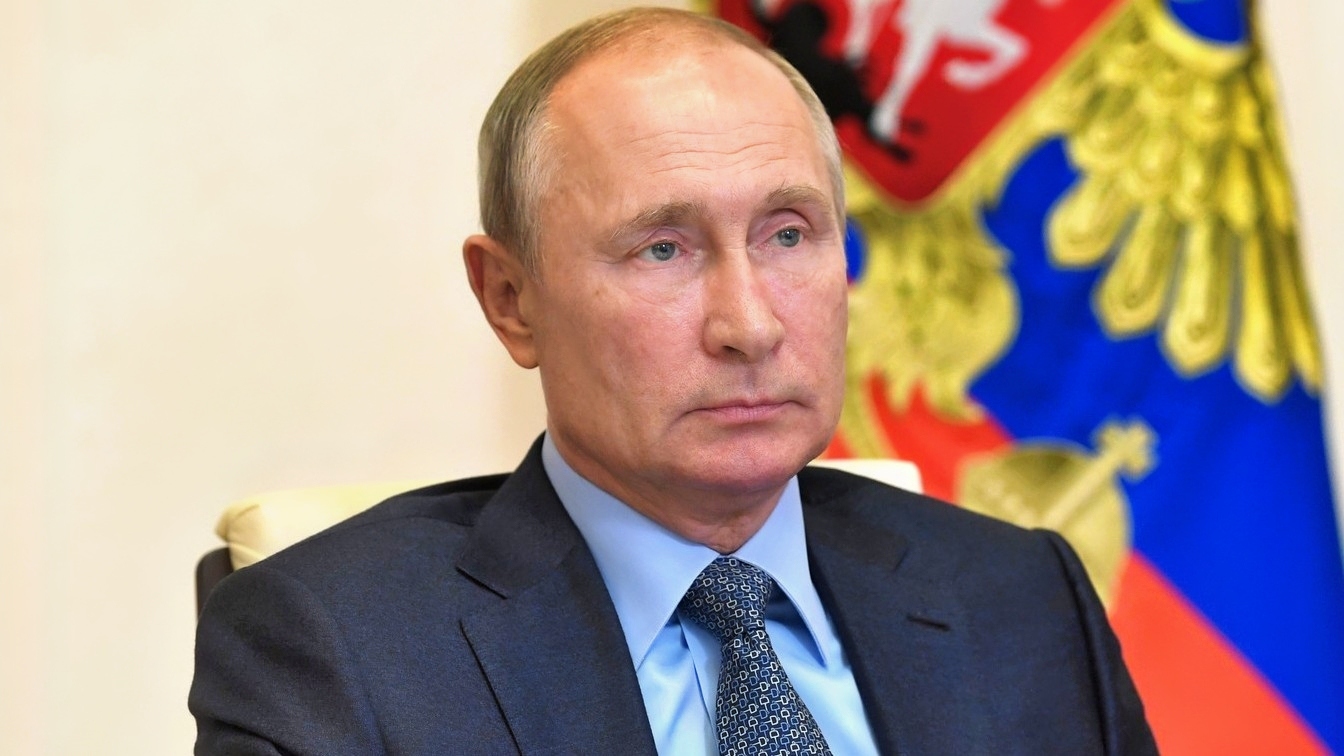
Ukrainian drones struck another major Russian refinery, while President Vladimir Putin is now publicly admitting that Russia is experiencing a fuel shortage—the clearest proof yet that Ukraine’s attacks are affecting Russia’s domestic economy.

Sukhoi Su-34 Heading Into the Sky. Image Credit: Creative Commons.
While Moscow maintains that the strikes are not affecting battlefield operations, the Kremlin is promising to repair refineries and improve air defenses—even as it rations fuel in certain regions. These adjustments highlight the growing strategic importance of Ukraine’s deep-strike campaign against Russian refineries.
What Happened?
Overnight, Ukrainian drones struck the Slavyansk-na-Kubani refinery in Krasnodar. The facility processes roughly 4 million tons of crude annually and serves as an important exporter of fuel oil, marine oil, and naphtha.
Increasingly, Kyiv is referring to these strikes as “long-range sanctions.”
Rather than attempting a decisive battlefield breakthrough alone, Ukraine is also trying to reduce Russian oil revenues, complicate Russian military logistics, force Russia to build expensive infrastructure defenses, create domestic economic pressure, and raise the long-term cost of continuing the war.
Zelenskyy explicitly framed the refinery strikes as an effort to reduce the resources Russia relies on for the fuel in its war.
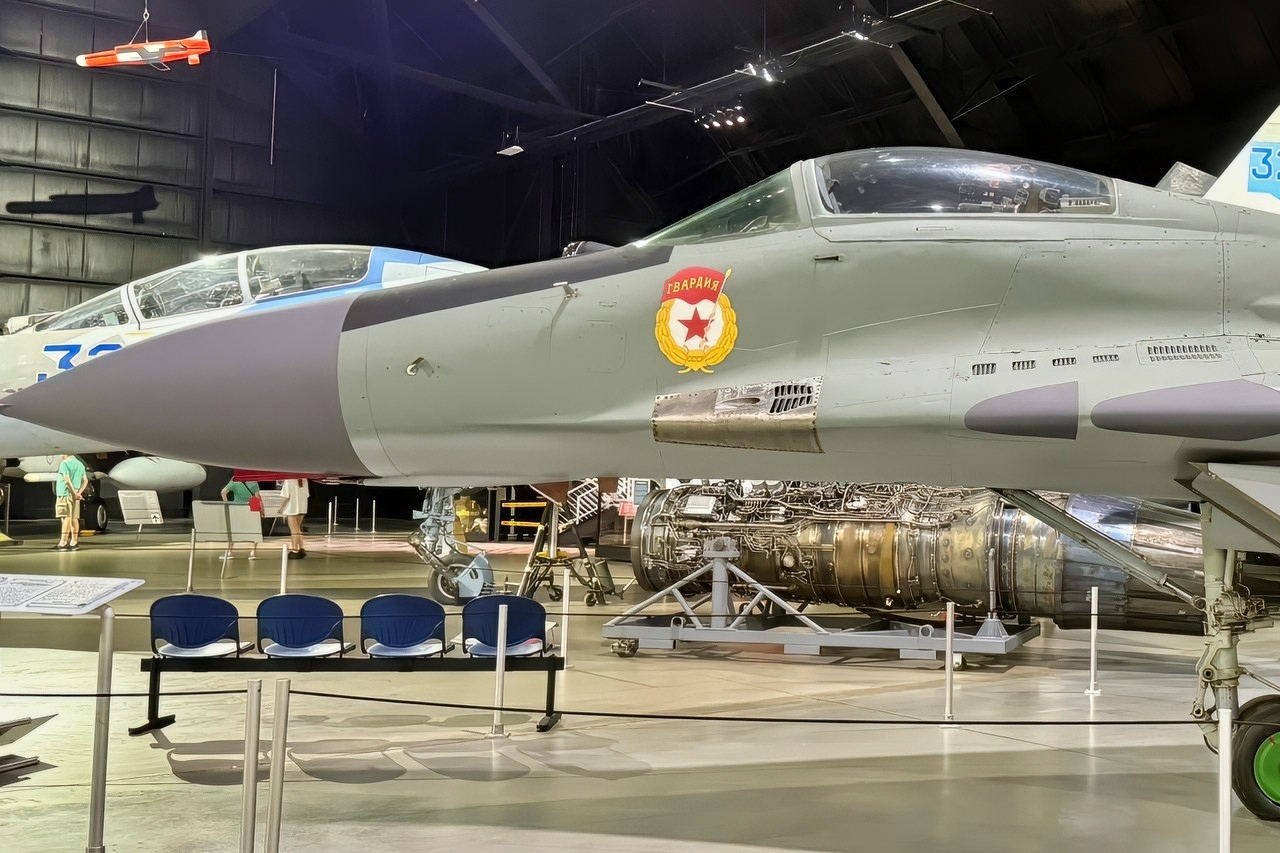
MiG-29 National Security Journal Photo Taken in July, 2025.
Putin’s Admission
Putin has spent the last four years projecting confidence and assuredness. His admission that Russia faces a fuel deficit marks a uniquely honest moment of vulnerability.
Putin promised to strengthen refinery protection, accelerate repairs, increase production, import additional fuel, and prioritize deliveries to Crimea.
These are all notable acknowledgments and remedies. Moscow has generally sought to minimize the impact of Ukrainian strikes, yet these comments confirm that the Kremlin views the nation’s fuel supply as a serious issue requiring Putin’s attention.
Indeed, the problem is becoming pronounced. Fuel shortages are already spreading. Multiple regions are introducing fuel rationing.
Examples include Irkutsk, where purchases are limited to 50 liters per vehicle at state-run stations. Deputy Prime Minister Alexander Novak is reviewing fuel export arrangements to protect domestic supply.
Even temporary refinery outages force Russia to redirect fuel internally rather than export it.
Targeting Refineries
Ukraine is smart to target Russian refineries—they are difficult to harden, expensive to repair, economically valuable, and operationally important.
Every damaged refinery reduces the refined fuel available for military logistics, civilian transportation, and export revenue.
Russia can continue producing crude oil, but refining capacity becomes a bottleneck.
The Kremlin keeps insisting that the refinery attacks have no impact on front-line operations. Putin argues that Ukraine is aiming to divide Russian society and create political pressure and force negotiations.
Putin has also pledged rapid expansion of air-defense production to protect energy infrastructure. This illustrates the growing defensive burden created by relatively inexpensive Ukrainian drones.
Strategic Implications
From a strategic perspective, the attacks mark.
Shift towards economic warfare. Ukraine is increasingly attacking infrastructure rather than solely military formations.
The objective is to degrade Russia’s ability to sustain a prolonged war. And the pressure creates a defense allocation dilemma.
Every refinery, fuel depot, and logistics hub requires protection. But Russia cannot defend every critical site equally.
This forces difficult choices about allocating scarce air-defense assets between cities, military bases, industrial infrastructure, and front-line forces.
These attacks also highlight the growing effectiveness of Ukrainian drones. Russia reportedly intercepted hundreds of drones—yet significant infrastructure was still damaged.
This demonstrates that saturation attacks can still produce operational effects even against layered defenses.
By continuing to apply pressure on Russia’s energy sector, Kyiv could strengthen its bargaining position.
Conversely, Moscow may seek accelerated air-defense production and infrastructure dispersal to reduce their vulnerability to future drone attacks.
In sum, Ukraine’s drone campaign is evolving from symbolic strikes into a sustained effort to pressure Russia’s war economy.
That Putin publicly acknowledged fuel shortages suggests that the attacks are becoming hard to dismiss. And while the Kremlin maintains that the attacks have not caused Russia to modify its battlefield approach, the strikes seem to have affected decision-making to some extent.
Regardless, the attacks are clearly imposing new economic costs and forcing Moscow to make difficult defensive decisions.
About the Author: Harrison Kass
Harrison Kass is a writer and attorney focused on national security, technology, and political culture. His work has appeared in Tablet, City Journal, The Hill, The Spectator, and The Cipher Brief. He holds a JD from the University of Oregon and a master’s in Global & Joint Program Studies from NYU. More at harrisonkass.com.


