

Oil crisis coming soon?: It was bad news for the global economy last weekend when commercial shipping through the Strait of Hormuz once again slowed after fresh attacks on merchant vessels and new U.S. strikes on Iran. The exchange of fire, which risks the fragile memorandum of understanding (MOU) ceasefire, has once again rattled global markets and left commercial shipping companies concerned about the strait’s safety.
According to ship-tracking data from Kpler, commodity vessel traffic fell dramatically after reaching its highest level since the June 17 MOU between Washington and Tehran. Saturday reportedly saw only 29 commodity vessels transit the strait, followed by just 12 on Sunday. Other shipping data indicated a total of 22 crossings on Sunday, and all data show a significant decline from the 70 crossings recorded last Wednesday, as confidence briefly returned following the announcement of the ceasefire.
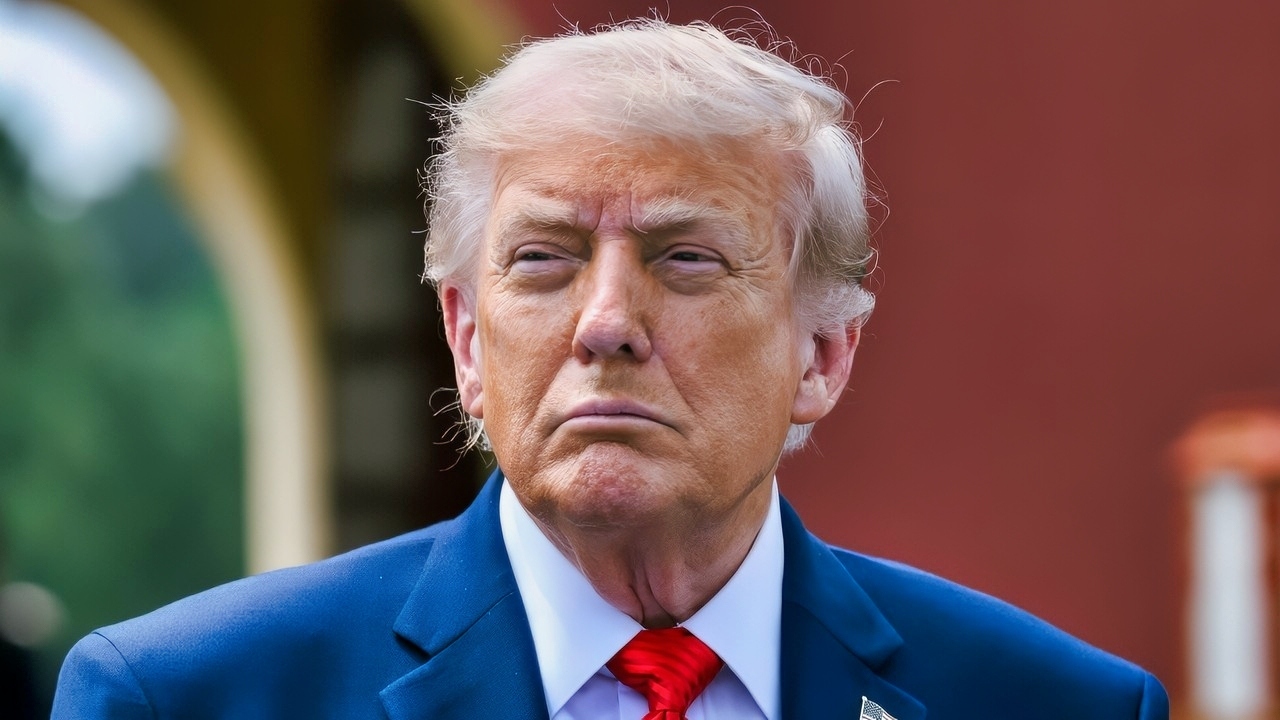
President Donald J. Trump tours the Hall of Prayer of Good Harvest with President Xi Jinping of the People’s Republic of China, Thursday, May 14, 2026, at the Temple of Heaven in Beijing. (Official White House Photo by Daniel Torok)
The Incident That Caused It
That slowdown came after the Singapore-flagged merchant vessel Ever Lovely was attacked last week. Panama-flagged tanker Kiku was then struck, marking the second attack of its kind since the 60-day ceasefire agreement was signed.
Kiku was carrying more than two million barrels of crude oil when it was struck while transiting the Strait of Hormuz on Saturday. Neither incident caused damage to facilities, and both vessels continued on their voyages, but the attacks sparked concerns among shipowners and insurers – and even risked the MOU coming undone entirely.
The news also came as shipping data began to show signs of recovery, with traffic slowly returning after months of conflict that saw it drop by as much as 95%.
Shipowners Pull Back
The attacks immediately changed the behavior of commercial operators who had previously been encouraged by the White House to resume transit through the Strait of Hormuz as usual. According to shipping data analyzed by Bloomberg, several vessels that had previously planned to transit the Strait of Hormuz abandoned or postponed their crossings following the latest round of violence.
MarineTraffic data also showed ships initially continued to use a southern corridor through Omani waters after Saturday’s attack – despite Iran’s warnings to avoid alternative routes outside of its waters – before traffic began to slow overall later in the day.
Several tankers entering the Gulf were also escorted by U.S. Navy vessels, although no ships used the same corridor to depart on Sunday.
The Joint Maritime Information Center also raised its regional threat assessment after the attacks, moving its ranking from “moderate” to “substantial”.
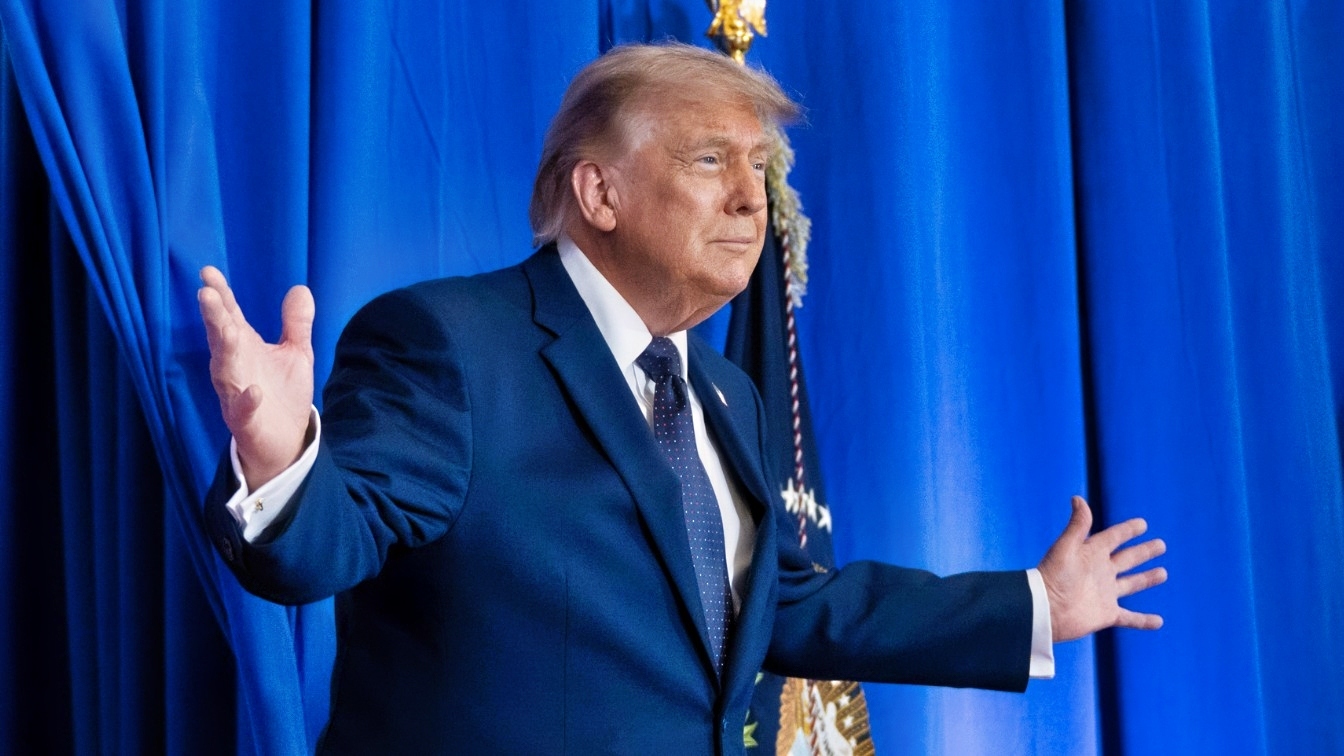
President Donald J. Trump delivers remarks on the economy at Rockland Community College in Suffern, New York on Friday, May 22, 2026.(Official White House Photo by Joyce N. Boghosian)
Why Another Slowdown Is Dangerous
The latest slowdown in traffic is bad news for the world as we approach a deadline that President Donald Trump himself acknowledged during a recent speech at the Group of Seven summit in Evian. Following the announcement of the U.S.-Iran MOU, Trump argued that the world was only weeks away from a genuine supply emergency if the Strait of Hormuz failed to reopen.
“We run out of reserves at about four weeks. You know, there are reserves all over the world, and we would really run out, and there’ll be a time when you won’t be able to get it. It would be bedlam,” Trump said.
The president was not suggesting that the world would physically run out of oil within four weeks, but that governments and refiners could only rely on strategic reserves for so long – not to mention the commercial inventories and crude that are already stored aboard tankers waiting to depart the Strait.
All of those inventories are finite, and during the months-long disruption in the Gulf, producers across the region have been shutting down and winding down operations, too.
With inventories serving as a cushion, the world needs to see movement in Hormuz or alternative routes opening up quickly – and while alternative pipelines and land routes have helped ease the pressure, they can presently only do so much.
Iran Seeks to Maintain Control
While Tehran did, in theory, agree to open up the Strait of Hormuz as part of the MOU, its behavior in recent days indicates that the regime is seeking to maintain as much control as it can – likely for the sake of leverage.
Controlling Hormuz, or maintaining a level of uncertainty, is effectively a point of leverage for the regime, pushing Washington to accept less favorable terms simply to ensure the Strait remains open.
Throughout the conflict, Iranian negotiators frequently took days to respond to U.S. communications. For months, those delays prolonged discussions and prolonged the conflict beyond what the White House preferred.
Now, Iran seems to be causing chaos right as the global oil supplies are on the brink. And on June 29, breaking reports described how Tehran warned France, Oman, and the United States against clearing mines in the Strait.
Iran’s Deputy Foreign Minister Kazem Gharibabadi stated on social media that “mine clearance is carried out solely by Iran and not by any other country.”
About the Author: Jack Buckby
Jack Buckby is a British researcher and analyst specializing in defense and national security, based in New York. His work focuses on military capability, procurement, and strategic competition, producing and editing analysis for policy and defense audiences. He brings extensive editorial experience, with a career output spanning over 1,000 articles at 19FortyFive and National Security Journal, and has previously authored books and papers on extremism and deradicalization.


Hector garza
June 29, 2026 at 5:46 pm
What happened to drill baby drill?
Dr. Hujjatullah M.H.B. Sahib
June 30, 2026 at 5:34 am
Gharibabadi’s anti-mine clearing statement makes it abundantly clear that I.R. Iran wants to establish effective leverage via the Hormuz. Since Trump’s MOU concedes that obligation to Tehran, the maritime transit community has little choice but to comply, if an imminent global crisis is to be managed and tempered down !