


Russia is fighting this war badly. That is not the same as losing it; the difference is the whole argument.
The latest CSIS assessment hands Washington the numbers it has wanted to hear for three years. Roughly 1.4 million Russian casualties since February 2022.
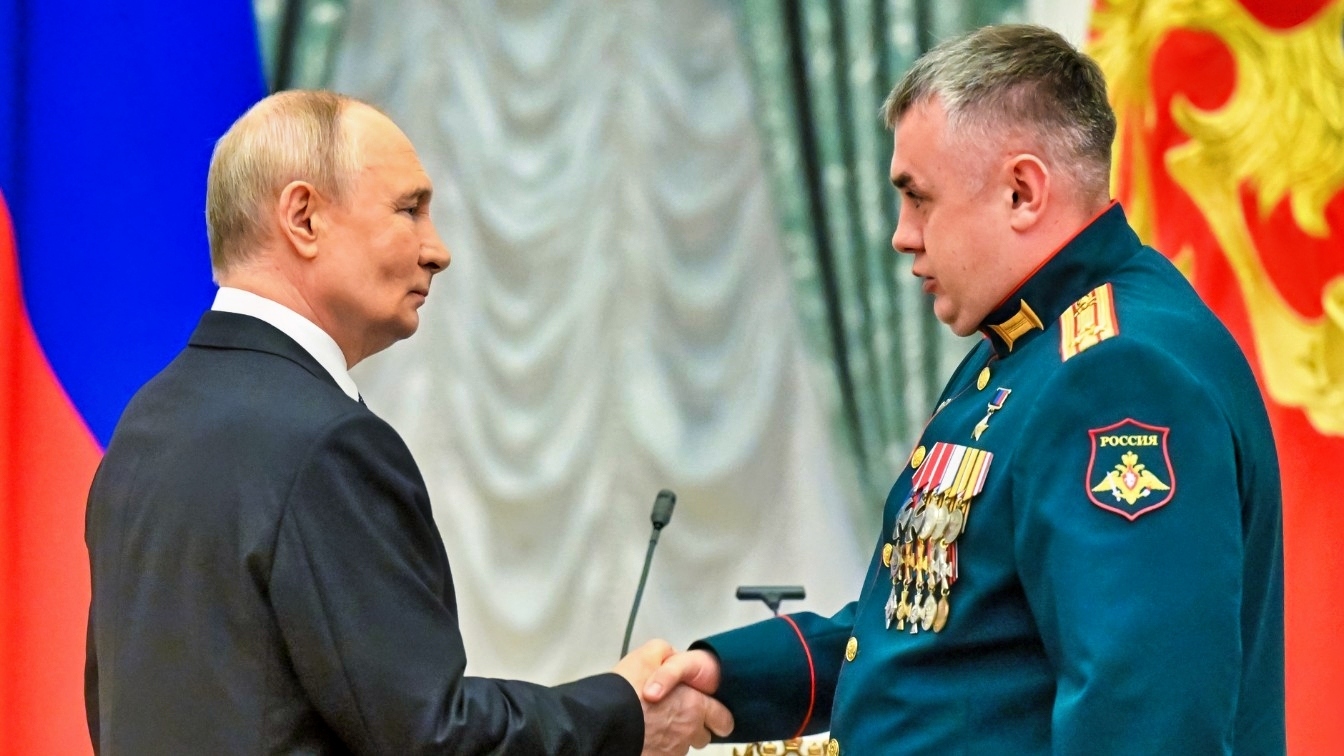
Putin and Russian Military Creative Commons Image
Somewhere between 400,000 and 450,000 dead. Advances in some sectors are measured not in miles but in tens of meters a day.
A monthly loss rate that may now be running ahead of the pace at which Moscow can put fresh men into uniform.
Put all of that together, and the conclusion writes itself: if Russia is paying this much for this little, Putin must be failing.
The pull of that reading is obvious. It is also not to be trusted.
War is not an efficiency contest, and treating it as one is a habit Western analysts fall into because efficiency is what our own force planning optimizes.
Russia has never fought that way, not in this war and not in most of the ones before it.
The relevant question is not whether the Kremlin is spending too much by the standards of a Western general staff. Of course it is.
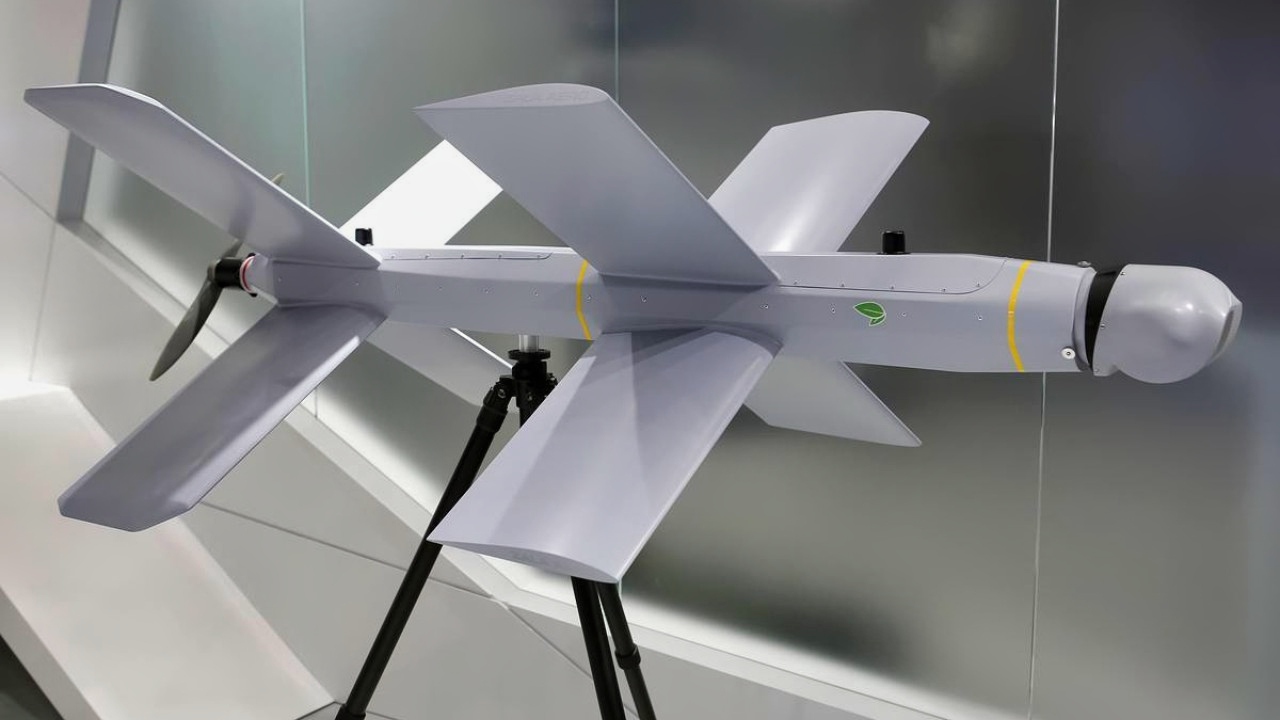
Lancet Drone. Image Credit: Russian State Media.
The question is whether it can keep spending at that rate longer than Ukraine can hold a line and longer than Ukraine’s backers can hold their nerve.
Those are different questions, and only the second one decides the war.
The Numbers Are Real. They Don’t Interpret Themselves
Start with what the CSIS figures actually establish, which is less than the headlines suggest.
They establish that Russia is absorbing punishment on a scale that would have shattered most modern states. They do not establish that this particular state is close to breaking.
That distinction matters because the two are constantly conflated. A casualty total is an input. Strategic failure is an output.
Getting from one to the other requires a chain of assumptions — that losses degrade combat power faster than replacements arrive, that the home front cracks, that the political system loses its grip — and every link in that chain is contestable in the Russian case.
The recruitment math is the softest number in the whole assessment.
Even if monthly losses are outrunning monthly enlistment right now, Moscow has levers it has not yet pulled, and a tolerance for pulling them that Western governments consistently underestimate.
The Uncomfortable Precedent Nobody Wants to Raise
Here, the comparison to the Second World War becomes unavoidable, and it has to be drawn carefully, because it is easy to draw badly.
The Soviet Union lost somewhere between 8 and 11 million soldiers fighting Nazi Germany, and total Soviet deaths ran to something like 24 million. It ended the war in Berlin.
Those losses would have ended the political life of almost any government that suffered them. They did not end Stalin’s.
Now the disanalogy, because it is the more important half. Today’s Russia is not the Soviet Union. Putin’s war is a war of choice and aggression, not a war of national survival against an enemy bent on extermination.
The moral distance between the two is total, and anyone who collapses it is not doing analysis but propaganda. What carries over is narrow and structural.
A state can bleed on a historic scale and still prevail, provided it has the coercive depth, the industrial base, and the political control to keep fighting past the point where its opponent assumed it would quit. The Soviet case proves that the point exists.
It says nothing about where today’s Russia sits on that curve. It only warns against assuming Russia sits near the breaking end of it because the casualty figures are large.
Putin Already Lost One War. He’s Fighting a Different One Now.
The war Russia launched in 2022 — the three-day dash to Kyiv, the puppet government, the fracturing of the Ukrainian state — is gone.
It failed early and badly, and nothing since has resurrected it. That is worth saying plainly, because the analysts who insist Russia is losing are usually, without noticing, describing the defeat of that first war.
The war Putin is fighting now was designed around the wreckage of the first. It is a war of exhaustion, and exhaustion is a strategy that looks like failure right up until it works.
Russia is not trying to take Ukraine in a clean operational stroke. It is trying to make Ukraine’s continued existence more expensive every single month: trading men for pressure, missiles for the ruin of the power grid, glide bombs for emptied towns, and above all, trading time for the slow erosion of Western attention.
The strikes on Ukrainian cities this spring, the steady grinding at the air-defense stockpile, the deliberate targeting of anything that might one day be rebuilt — none of it is aimed at a breakthrough. It is aimed at the calendar.
And this is the part that should worry Washington. What Russia may be winning is not ground. It is time.
The Category Error in the Policy Debate
Moscow does not need to look impressive to shift the political balance. It needs Kyiv to burn through interceptors faster than allies replace them. It needs reconstruction to stay impossible.
It needs Western capitals to start quietly redefining “as long as it takes” into something with a shorter horizon and a smaller bill.
None of that requires a competent army. It requires a state willing to spend lives cheaply and opponents who mistake the spending for a countdown.
That is the error running through so much of the commentary. Western analysts are measuring Russian efficiency while Putin is measuring Western endurance.
They are asking whether Russia is gaining ground fast enough to matter. He is asking whether Ukraine can keep enough trained men, enough electricity, enough air defense, and enough foreign patience to still be standing next winter.
Those are not the same test, and Moscow is the one taking the test that counts.
So the real question isn’t whether Russia is bleeding.
The question is whether the bleeding forces a change in Moscow’s calculations before Kyiv runs out of soldiers or Washington runs out of interest. Putin has bet it won’t.
Nothing in the CSIS numbers tells us he’s wrong — and a war of attrition is precisely the kind of war that rewards the side willing to be wrong about its own losses for longer.
About the Author: Dr. Andrew Latham
Andrew Latham is a professor of international relations and political theory at Macalester College in Saint Paul, MN. You can follow him on X: @aakatham.


