

In yet another devastating attack by Ukrainian drones on Russian-occupied territories, Kyiv knocked out power to 13 different power stations in Crimea, Luhansk, and the Donetsk regions during a 48-hour period.
The strikes severely impacted the energy grid in those occupied territories as the Ukrainian military continues its campaign targeting the energy architecture supporting the Russian military.

Su-57 Felon Fighter from Russia. Creative Commons Image.
These drone strikes followed another deep-penetration drone strike, in what Ukrainian President Zelenskyy characterizes as “long-range sanctions” on Thursday night, which targeted and set fire to an oil refinery in Kstovo, Nizhny Novgorod region, approximately 800 kilometers (about 500 miles) from the Ukrainian border.
“What a Moonlit, Starry, Clear Night… Moscow Will Fall”
That was the quote from Ukrainian Unmanned Systems Forces (USF) Commander, Robert Brovdi after the attack.
Ukraine’s most recent drone operation is designed targeting Russian logistics and energy infrastructure in occupied Crimea — a campaign intended to isolate the peninsula from mainland Russia and cut off crucial military supply routes.
“I think this is connected with a new technological stage of the war and with the ability of Ukrainian drones to use technologies that allow us to carry out these kinds of operations,” Defense Minister Mykhailo Fedorov said during a press conference with Swedish Defense Minister Pal Jonson in Kyiv on July 1.
“Crimea has essentially turned into a military base for the Russians, allowing them to continue occupying the south of our country and transfer forces to the east,” he added. “Therefore, from both a military and logistical perspective, it is an important target for us.”

Su-57 Felon Fighter Stealth. Image Credit: Creative Commons.
Prior to Russia’s annexation and occupation of Crimea in 2014, the peninsula relied on mainland Ukraine for over 80 percent of its electricity. The Russians constructed power plants to enable Crimean energy independence. However, these facilities have become targets of Ukrainian drones.
Ukraine Strikes Were Mainly Centered On Crimea
The majority of the drone strikes were carried out in Russian-occupied Crimea, where Ukrainian USF forces said they hit high-voltage substations near Feodosia, Donuzlav, Rodnykove, Karierne, Mytiaieve, Shyroke, and other locations.
The targets, according to United 24 media, included:
-The Ozernenska electrical substation in Karyerne, Crimea,
-The Rodnykove electrical substation in Arkadiivka, Crimea
-The Vypasne electrical substation in Vypasne, Crimea
-The Donuzlav electrical substation in Krylovka, Crimea
-The Karyerne electrical substation in Karyerne, Crimea
-The Mytyayeve electrical substation in Mytyayeve, Crimea
-The Feodosiiska electrical substation in Feodosia, Crimea
-The electrical substation at the Starobesheve Thermal Power Plant in Novyi Svit, Donetsk region
-The electrical substation in Shyroke, Crimea
-The Zakhidno-Krymska electrical substation in Karyerne, Crimea
-The fuel and lubricants depot in Melitopol, Zaporizhzhia
-The gas distribution station in Aidar, Luhansk region
-The electrical substation in Tymonove, Luhansk region
Russia’s Oil And Gas Refinery In Belogorod Set On Fire
A Ukrainian drone strike hit and set on fire the Energomash Belgorod plant — a key manufacturer in Russia’s energy supply chain.
The plant produces equipment for Russia’s power plants and oil and gas sector, among other materials.
The plant, within the oft-targeted city of Belgorod lies only 43 miles from the Ukrainian city of Kharkiv.
The attack ignited fires and sent thick black smoke over the city, causing major power and water outages. Russian authorities reported two civilians were killed and infrastructure was severely damaged.
Belgorod Mayor Valentin Demidov said a woman had been killed in a car after being wounded by shrapnel.
Putin Claims Energy Shortage, “Not Of A Critical Nature”
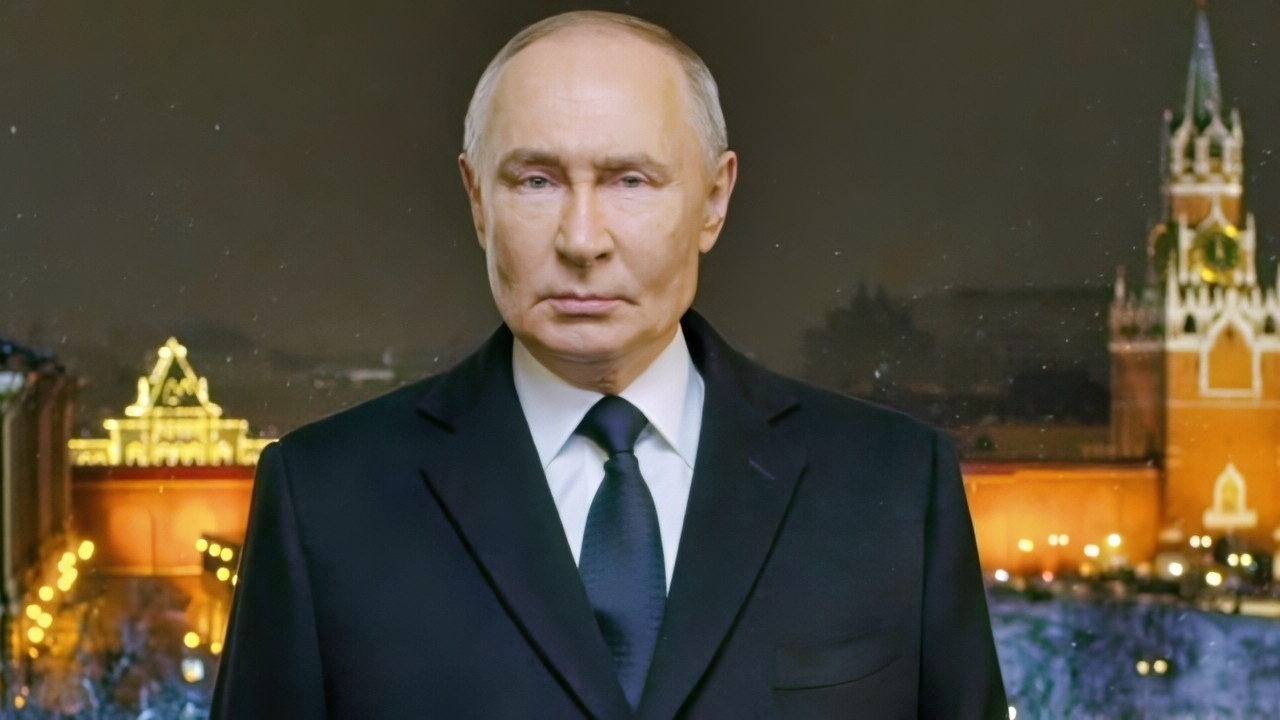
Russian President Putin, however, continues to insist that while the drone strikes have caused problems for Moscow, there aren’t any long-term issues.
Speaking on Russian state television late on Sunday, Putin acknowledged for the first time that Ukrainian attacks on energy infrastructure were the cause of domestic fuel shortages.
“Of course, they create problems; that’s obvious,” Putin said. “Right now we’re observing a certain shortage, but the problems that have arisen are not of a critical nature.”
This television appearance came after a meeting between Putin and members of the energy ministry, during which he discussed the fuel distribution situation and said that a ban on diesel exports was under consideration.
Putin said that to ease the shortages, Russia would boost foreign fuel imports, which are now coming to Russia via the Indian Nayara refineries, while redoubling efforts to protect refineries from Ukrainian drone strikes and restore damaged infrastructure as quickly as possible.
Due to the increased drone attacks by Ukraine, which are growing in both intensity and success, Russia is redeploying air defense systems from frontline units to protect Moscow and its oil and gas refineries.
More than 56 of Russia’s 83 regions are reporting severe fuel shortages and have imposed restrictions on fuel sales, with many Russians taking to social media to report hours-long wait times to refuel at service stations.
In at least 18 of these regions, local authorities have implemented mandatory rationing—capping sales at 30 liters per vehicle and banning sales into spare gas cans. Only a handful of regions, such as sparsely populated Chukotka and Kalmykia, remain largely unaffected.
Since June 21, a complete ban on fuel sales has been in effect at gas stations in Crimea and Sevastopol. Only emergency services, the police, public transport, and municipal workers are allowed to refuel during the government-announced state of emergency.
About the Author: Steve Balestrieri
Steve Balestrieri is a National Security Columnist. He served as a US Army Special Forces NCO and Warrant Officer. In addition to writing on defense, he covers the NFL for PatsFans.com and is a member of the Pro Football Writers of America (PFWA). His work was regularly featured in many military publications.


Glowboys
July 3, 2026 at 2:37 pm
but will it.
what happens when you have nothing else left to lose, so you let loose a nuke or to to even out the odds.. what do they have to lose by doing so?
careful what you wish for