
NATO Wants Ukraine’s Drones – and Ukraine: When Russia launched its invasion of Ukraine in February 2022, Ukraine had little in the way of a dedicated military drone industry – and nor was it preparing to build one. Soldiers and volunteers responded to the invasion by using any tool they could find and quickly engaged in asymmetric warfare using Chinese-made DJI Mavic and DJI Phantom drones. The drones were jerry-rigged and modified with improvised grenade-release mechanisms that were capable of destroying Russian tanks through their open hatches.
During the early days of the war, videos would frequently go viral on social media showing those tanks exploding after cheap drones simply dropped ammunition inside of them.
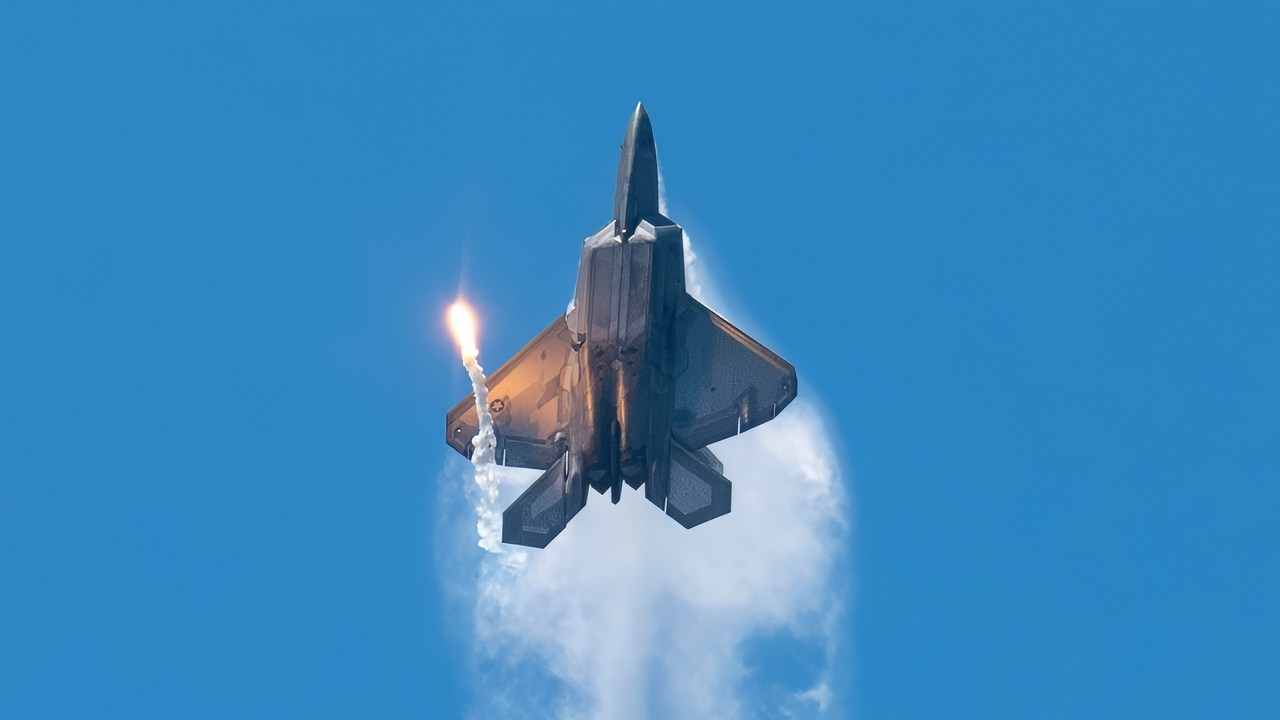
U.S. Air Force Capt. Nick “Laz” Le Tourneau, F-22 Raptor Aerial Demonstration Team pilot and commander, practices at Joint Base Langley-Eustis, VA, November 12th, 2025. The F-22 Raptor Aerial Demonstration showcases the unmatched maneuverability of the airframe by executing a series of combat maneuvers to inspire Americans and their allies, and deter foreign adversaries. (U.S. Air Force video by Staff Sgt. Michael Bowman)

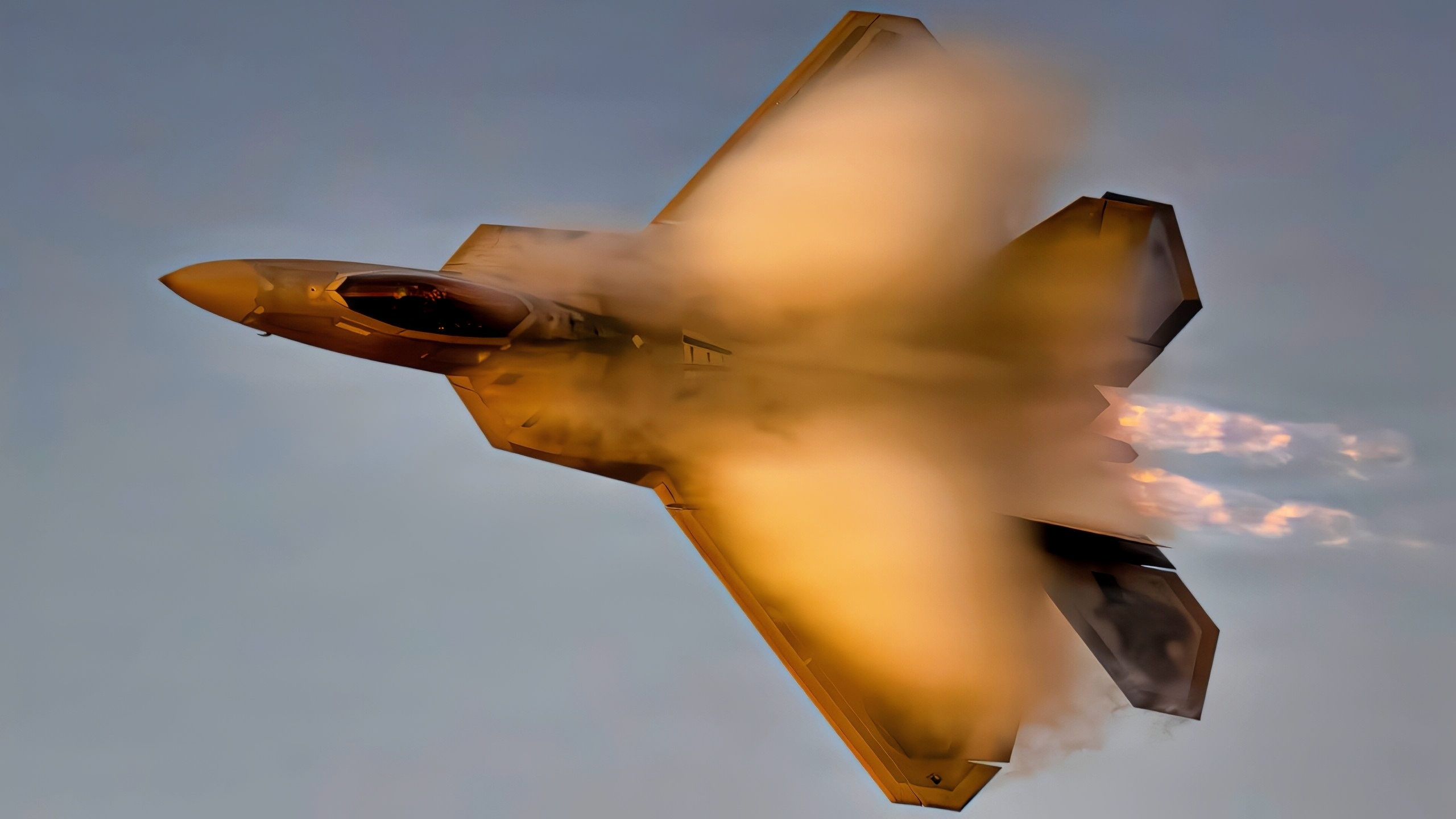
An Air Force F-22 Raptor executes a supersonic fly by over the flight deck of the aircraft carrier USS John C. Stennis. John C. Stennis is participating in Northern Edge 2009, a joint exercise focusing on detecting and tracking units at sea, in the air and on land.
But now, some four years later, Ukraine is striking targets more than 2,500 kilometers – or over 1,500 miles – inside Russia. Kyiv’s army is doing it with far more sophisticated drones built by its own burgeoning drone industry – and the world is watching and learning from it.
Recent Strikes
Overnight into July 6, Ukrainian drones successfully hit the Gazprom Neft-owned Omsk Oil Refinery located in Siberia, Russia. It is one of Russia’s largest refineries with an annual capacity of 22 million metric tons of crude oil. The strike meant that Ukraine had finally hit all 11 of the country’s largest oil refineries, and the attacks keep coming.
The economic consequences have been dire, too. On July 8, Russian President Vladimir Putin announced during a televised government meeting that there would be a nationwide ban on diesel exports through July 31. Alongside Deputy Prime Minister Alexander Novak, the Russian officials confirmed that the country would also begin importing fuel during July – an extraordinary development for one of the world’s biggest energy producers. And it’s all thanks to Ukrainian drones and missiles.
In the space of less than half a decade, Ukraine has gone from modifying commercial drones to building its own drone empire that is reshaping how wars are fought and taking on one of the world’s strongest militaries.
A Drone Industry Built In Wartime
Ukraine’s drone empire was not built overnight. It was gradually established under extreme circumstances, with Russian strikes repeatedly targeting drone and weapons manufacturing facilities.
During the first year of the invasion, volunteer organizations like Aerorozvidka helped introduce the military to commercial drones and quadcopters, while crowdfunding campaigns supplied frontline units with thousands of drones purchased from civilian stockists. Small workshops set about producing homemade components for these drones using 3D printers, too, and engineers kept refining designs based on soldiers’ experiences on the battlefield.
The Ukrainian government saw the use case for these drones and formalized the efforts in time. The Ministry of Digital Transformation, a government body established before the war to modernize state services, launched the Army of Drones initiative in July 2022. Working alongside the fundraising platform United24, the initiative aimed to quickly procure drones and train operators to operate unmanned systems. The effort was expanded again in April 2023 with the launch of Brave1, a government-backed defense technology platform designed to connect the military with private companies and engineers to procure new military technologies. And over time, under the leadership of Digital Transformation Minister Mykhailo Fedorov, Ukraine began to rely less on importing drones and instead started building them.
By 2025, Ukrainian companies were producing everything from reconnaissance drones and FPV attack drones to electronic warfare systems and long-range strike platforms. Russian electronic warfare also forced Ukrainian engineers to keep innovating, implementing systems like machine vision (advanced image recognition) and autonomous targeting – among other features.
Today, those systems have acted as an equalizer for the Ukrainian military as it faces down a technically larger threat.
NATO (and the World) Is Learning from Ukraine
Ukraine’s successes have not gone unnoticed. Even U.S. President Donald Trump appears to have changed his tune and is backing Ukraine to pile on the pressure against Vladimir Putin after initially telling Zelenskyy he “doesn’t have the cards” to win.
Speaking at the NATO summit in Ankara this week, NATO Secretary General Mark Rutte said drones have “fundamentally altered” modern warfare and announced the alliance’s new Drone Edge initiative. Under the plan, NATO members will invest more than $40 billion over the next five years in new counter-drone technologies and electronic warfare capabilities. The initiative will also focus on building new autonomous systems and capabilities, all shaped by lessons from Ukraine.
And not only is NATO learning from Ukraine – its leaders are arguably more enthusiastic about the country joining the alliance than they were previously. Finnish President Alexander Stubb argued only this week that Ukraine has already “won” against Russia and that NATO can learn a lot from Kyiv.
“Look at things from a Moscow perspective: In the past four years, during the active war, they have advanced 60 kilometers. In World War II, they went from Moscow to Berlin, that’s 1,400 kilometers. You have to ask yourself: ‘Who has won, who has lost?’ I say Ukraine has won,” Stubb said during the Ankara NATO summit.
“My message is that yes, Europe needs to ramp up, but you know what, Ukraine needs NATO, but NATO needs Ukraine as much as the other way around,” he continued.
MORE – NATO Has a Putin Problem
About the Author: Jack Buckby
Jack Buckby is a British researcher and analyst specializing in defense and national security, based in New York. His work focuses on military capability, procurement, and strategic competition, producing and editing analysis for policy and defense audiences. He brings extensive editorial experience, with a career output spanning over 1,000 articles at 19FortyFive and National Security Journal, and has previously authored books and papers on extremism and deradicalization.


Joe Snow
July 10, 2026 at 4:41 am
They are wasting their money because Ukraine will be a part of the Russian Federation a year from now.