

Ukraine’s Drone Assault Is Making Targets Russia Can’t Defend: Ukraine keeps on expanding its long-range drone and missile campaign, graduating from occasional successful raids that served as a proof of concept into a full-scale, constant barrage of drones and missiles inside Russian territory. Russia is now feeling the pressure with its fuel distribution logistics and refineries under constant assault, leaving Moscow to defend a growing number of targets stretching from Siberia to the Sea of Azov. And as it stands, Moscow is failing to sufficiently protect every site Ukraine has targeted in recent weeks.
The latest wave of attacks reached Moscow overnight into Monday, July 13, as strikes also hit southern Russia. Moscow Oblast Governor Andrei Vorobyov said that three people were killed and five wounded in the strikes, while Stavropol Krai Governor Vladimir Vladimirov reported a fire in an industrial area in the Shpakovsky district. According to the Russian Ministry of Defense, its forces destroyed 926 Ukrainian drones over 24 hours, including around 350 that targeted Moscow.
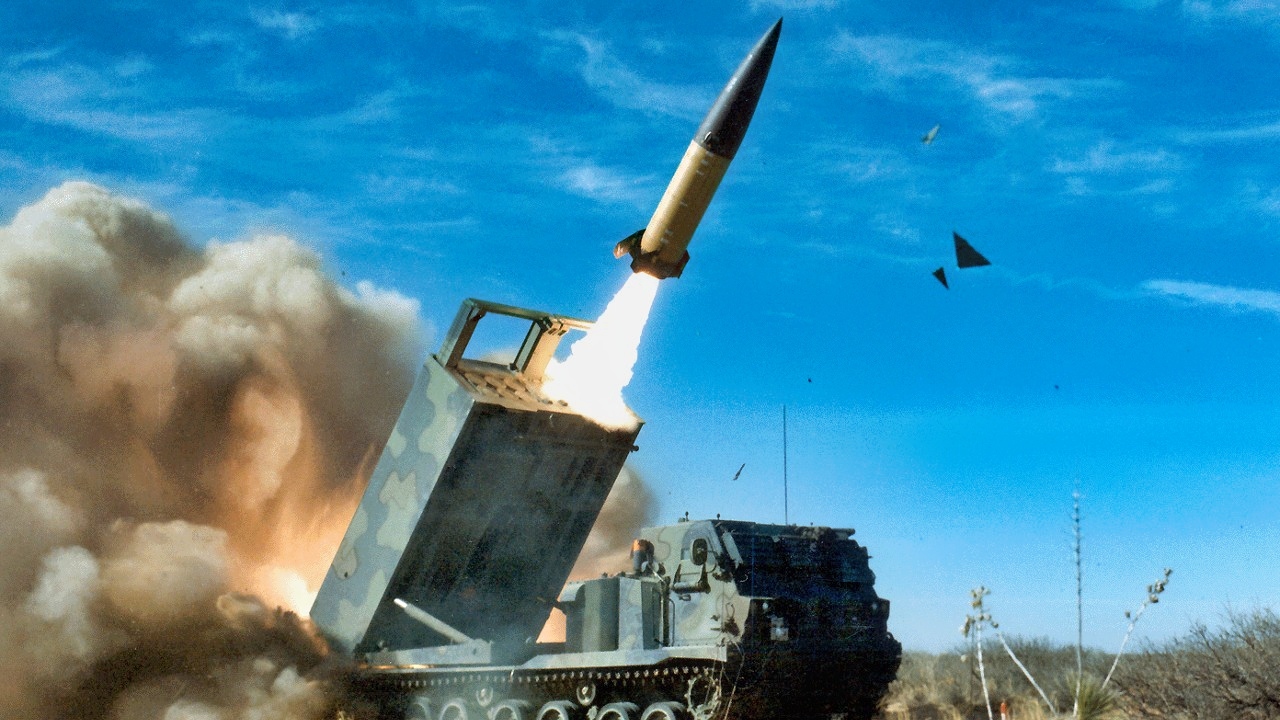
An ATACMS missile being launched from an M270 MLRS.
What started as occasional strikes that hit international headlines and showed how Ukraine could punch above its weight despite facing down a much larger military has now become a daily reminder for Russia that all it takes are some drones and homemade cruise missiles to take down its most valuable assets.
The Latest Strikes Hit Russian Fuel Infrastructure
The July 13 overnight strikes followed another attack on the Syzran oil refinery located in Samara Oblast during the early hours of Sunday, July 12. Residents reported explosions shortly after 5 am, and online video footage showed a large fire and plumes of black smoke rising from the complex. Syzran is more than 800 kilometers from Ukraine, making it one of the longer-range strikes over the last several months, but by no means the longest. The refinery is owned by Rosneft and can process approximately 8.9 million metric tons of crude oil annually. The facility produces aviation fuel, fuel oil, diesel, and gasoline.
It wasn’t the first time the refinery was struck, either. It was previously hit on May 21, when drones damaged its main crude-processing unit that was responsible for more than 70% of the plant’s capacity. The strike forced the plant to temporarily halt operations.
Since then, Ukraine has successfully targeted all of Russia’s top 10 oil refineries, with more than one quarter of the country’s refining capacity now knocked offline. By late June, the strikes had resulted in fuel rationing in 56 Russian regions.
Russia’s Tanker Fleet Is Being Hunted
Not only is Ukraine proving it can wipe out high-value infrastructure targets across Russian territory, but its forces are also successfully targeting Russia’s attempts to work around the damage those strikes are causing. Ukrainian drones and missiles are now targeting the vessels being used to transport military supplies and sanctioned oil exports. Those vessels were already in operation, but in some cases, are being used to move supplies that would have otherwise been transported via land through Russian-occupied territories like Crimea.
Vladimir Putin in Syria. Image Credit: Creative Commons.
Robert Brovdi, the commander of Ukraine’s Unmanned Systems Forces, said that Ukrainian drones successfully hit 28 vessels overnight into July 11, comprising 21 tankers, four tugboats, two dry cargo vessels and one specialized ship. According to Brovdi, Ukrainian forces recorded 73 successful strikes during that operation, but stopped short of saying that every vessel had been sunk or destroyed.
“Russia’s shadow oil fleet is noticeably shrinking. A week of default continues. It appears that traffic through the Kerch Strait has been halted,” Brovdi said in an update published on Telegram.
“Overall, during the night, 53 legitimate military targets were engaged in the enemy’s operational rear across Crimea and the southern temporarily occupied territories (TOT), including naval assets and energy infrastructure. Operation “Crimean Switch Off” is open-ended,” he continued.
Why the Vessels Are Under Attack
In an update issued on July 11, Ukraine’s General Staff said that the operation had targeted ships that formed Russia’s so-called “shadow fleet” – a network of aging tankers used to export Russian petroleum products outside of Western sanctions. According to the General Staff, the vessels are a critical source of income for Russia, particularly during wartime. The strikes are therefore hindering Russia’s ability to generate income not just from exporting oil in violation of existing sanctions, but also by destroying the refineries that create the product Russia sells.
The strikes are already having an impact, too, with Russia temporarily suspending shipping through the Don-Azov canal – a key route that links the Don River with the Sea of Azov. There have also been reported disruptions in the Kerch Strait affecting commercial traffic.
By causing chaos at every level of Russia’s fuel export business, Ukraine is raising the cost of war and piling the pressure on Moscow – and so far, Moscow hasn’t proven to be capable of fully defending itself against the assaults.
About the Author: Jack Buckby
Jack Buckby is a British researcher and analyst specializing in defense and national security, based in New York. His work focuses on military capability, procurement, and strategic competition, producing and editing analysis for policy and defense audiences. He brings extensive editorial experience, with a career output spanning over 1,000 articles at 19FortyFive and National Security Journal, and has previously authored books and papers on extremism and deradicalization.


