
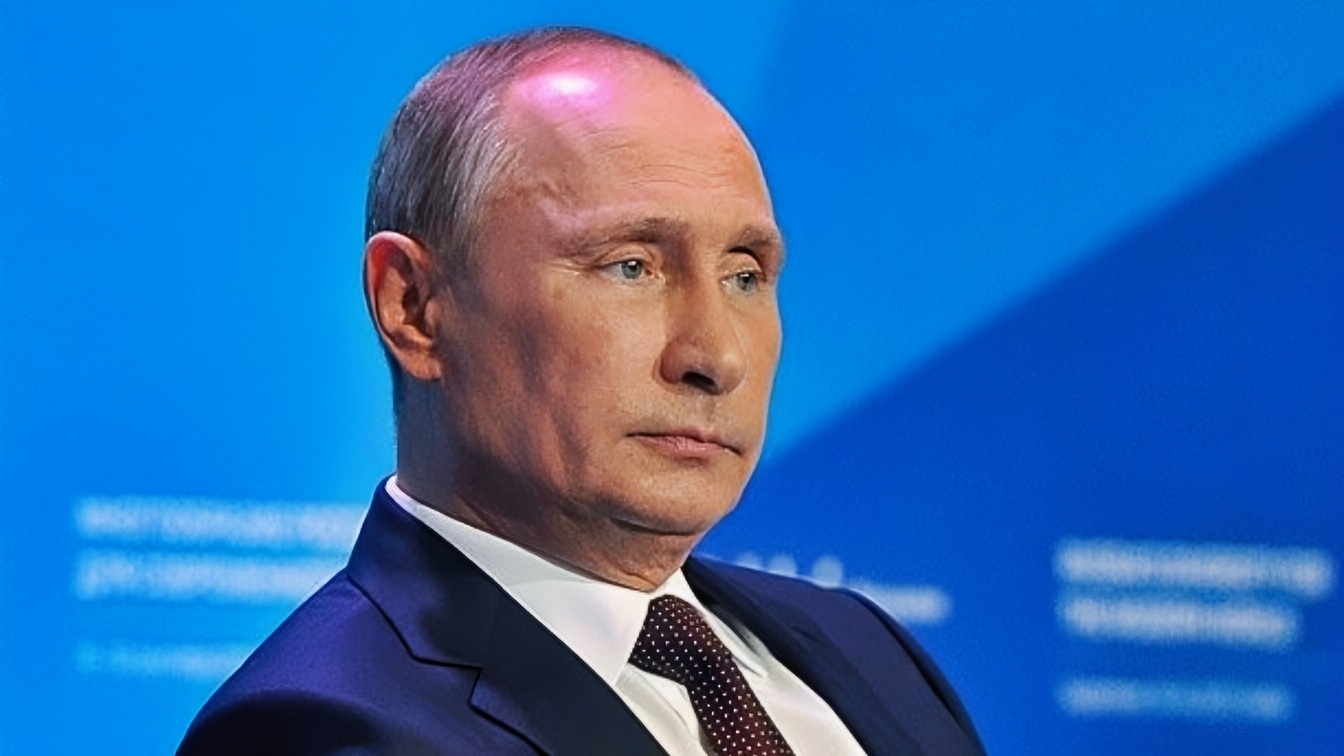
A European intelligence assessment that is circulating among European Union policymakers has warned that Russia’s banking system is at risk.
The two-page report, which was prepared in June and seen by Reuters, describes the vulnerability of Russia’s banking system after more than four years of economic strain caused by the invasion of Ukraine.
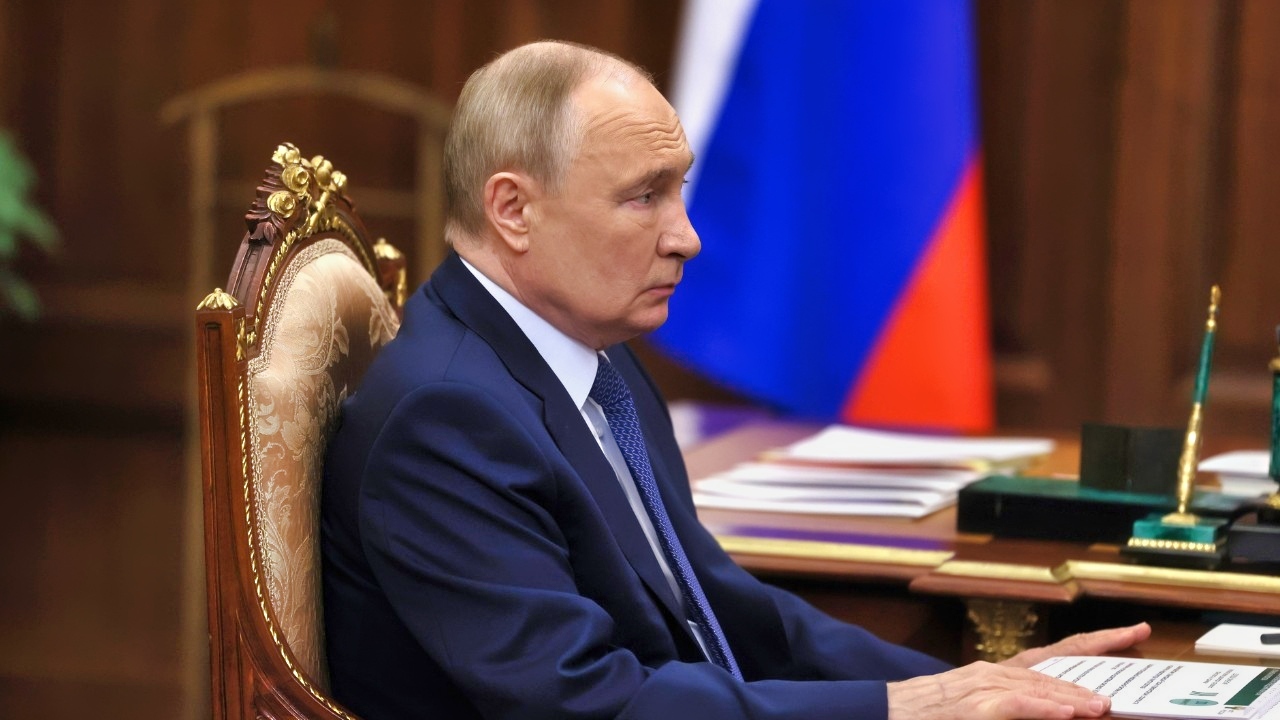
Putin in October 2024 Kremlin. Image Credit: Russian Government.

Putin Back in 2023. Image Credit: Kremlin.
News of the report comes as European Union governments move forward with a planned 21st sanctions package that would expand on existing sanctions against Russian banks, cryptocurrency networks, its oil industry and refiners, and other companies supporting Moscow’s defense industry.
It also comes as Russia’s economy is pushed to the brink, with slow growth and high interest rates already causing trouble before Ukrainian President Volodymyr Zelenskyy announced his 40-day, long-range strike campaign.
Russian President Vladimir Putin may continue to insist that the country’s financial system is stable and resilient, but according to the intelligence assessment circulating in Europe, years of state-directed lending have concealed major weaknesses that will soon be impossible to ignore.
What We Know
The intelligence report, titled Note on the Probability of a Banking Crisis in Russia in 2026, argues that the Kremlin has relied on banks to finance economic activity as government resources have been strained by the cost of the war in Ukraine.
According to a Reuters report published this week, the assessment was prepared for European officials as they consider additional sanctions against Russia.
Rather than allowing commercial lenders to allocate credit based on market demand, the report says that Russian banks have been pressured to provide subsidized loans to defense manufacturers, state-backed regional projects, and even mortgage borrowers.
A combination of loan restructurings and preferential credit programs is said to have helped keep the system functioning while also obscuring the true extent of Russia’s financial crisis.
“The situation creates the illusion of a dynamic economy that, in reality, conceals an explosive situation which an economic shock, such as an ambitious package of sanctions against banks … could trigger,” the report reads.
The document also offers a look at the broader economic picture for Russia, noting that the Economy Ministry recently reduced its forecast for gross domestic product growth to 0.4% in 2026, down from 1.3%, while its 2027 projection was slashed from 2.8% to 1.4%.
Rising Debt
The report also outlines the impact of rising debt in Russia, noting that approximately 10% of corporate loans are now considered doubtful – a significant increase from 2024.
It also revealed that more than 500,000 Russians declared bankruptcy in 2025, about one-third more than the year before.
There has also been rapid growth in household borrowing across the country, with state-backed lending programs encouraging more than 13 million Russians to take out at least three loans simultaneously, leaving many households vulnerable as borrowing costs remain high.
Between high inflation and interest rates, debt repayment is becoming more difficult for the average Russian, even as wartime spending has temporarily boosted wages in some parts of the economy.
The problem is getting so bad that the Kremlin is facing growing domestic pressure.
Not only are Russian citizens experiencing rising costs and long lines for fuel at the pump, but organizations and industrial groups are publicly warning that businesses are struggling.
The Russian Union of Industrialists and Entrepreneurs warned last month that many businesses are now approaching a “pre-default” position.
The state-backed Center for Macroeconomic Analysis and Short-Term Forecasting had also previously warned that a banking crisis could arrive by the end of the year if loan quality continues deteriorating.
Ukraine’s Strike Campaign Adds to the Pressure
The warning comes as Ukraine’s long-range strike campaign worsens existing pressure, cutting off one of the Kremlin’s most important sources of revenue: the oil and gas sector.
Energy taxes and export duties usually account for around one-third of Russia’s federal budget revenues, making this industry critical for both financing the government and the war in Ukraine – and that’s exactly why Zelenskyy is striking energy infrastructure on a daily basis.
After months of Ukrainian drone and missile strikes against oil depots, storage facilities, tankers, logistics hubs, refineries, and more, Russia is now feeling the heat.
Refineries are shutting down, fuel transport routes have closed, repair costs are spiraling, and facilities undergoing repair remain at risk of attack. And the financial consequences are becoming visible to most people.
Russia’s federal budget deficit reached approximately 6 million rubles by the end of May, well above the government’s original target for the year.
And with increased domestic borrowing, the country’s sovereign wealth is struggling to cover the shortfall.
With the European Union preparing another round of sanctions, this time aimed directly at Russia’s banks and energy sector, it’s clear that the pressure is mounting on multiple fronts – and it might not be too long before Putin is forced to come back to the negotiating table and make concessions.
About the Author: Jack Buckby
Jack Buckby is a British researcher and analyst specializing in defense and national security, based in New York. His work focuses on military capability, procurement, and strategic competition, producing and editing analysis for policy and defense audiences. He brings extensive editorial experience, with a career output spanning over 1,000 articles at 19FortyFive and National Security Journal, and has previously authored books and papers on extremism and deradicalization.


