

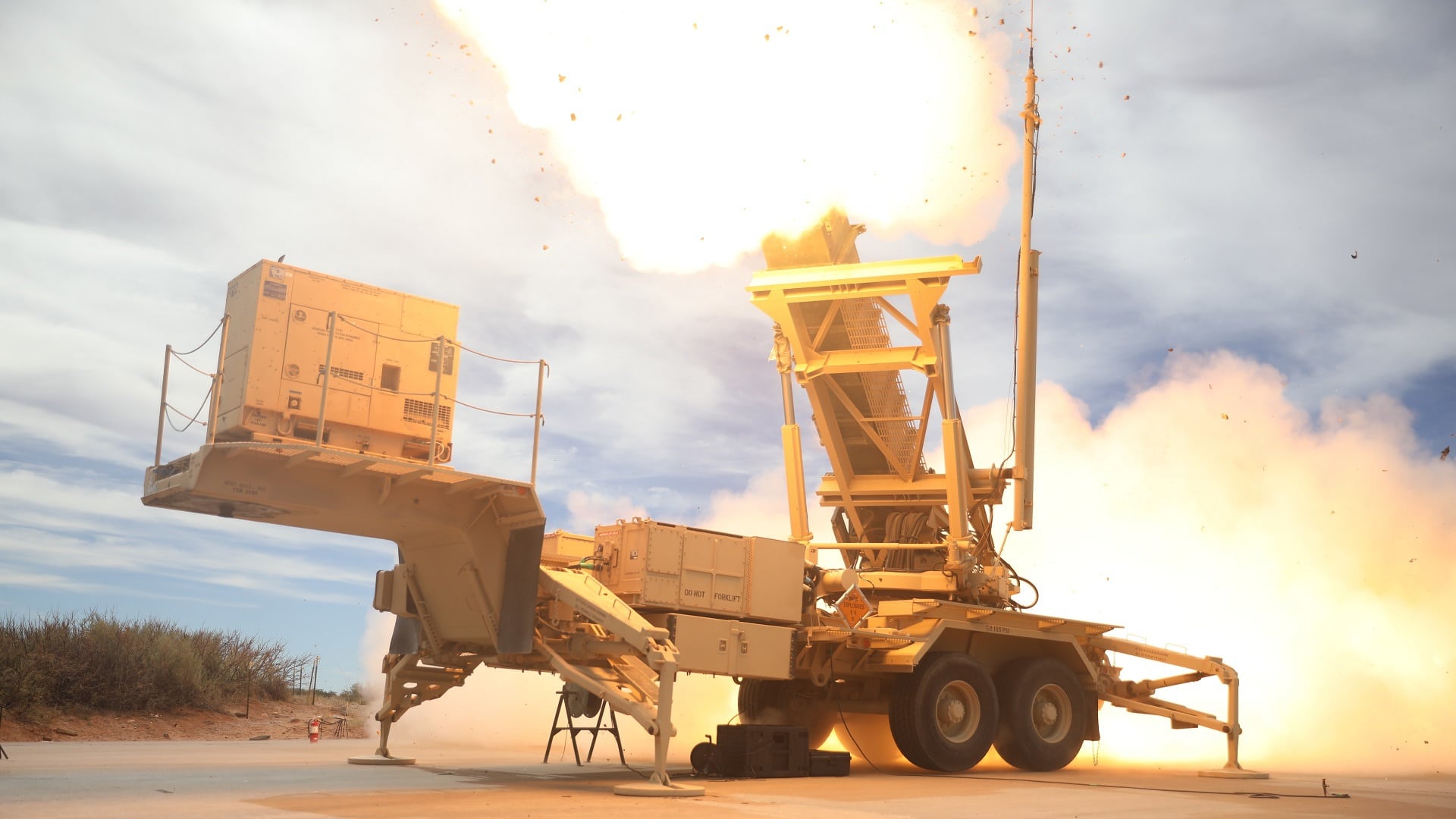
Ukraine continues Sea of Azov attacks: Starting earlier this week, Ukraine’s drone strikes forced Russia to suspend shipping in the Sea of Azov, a major corridor between Russia and Eastern Europe, as 90 vessels were targeted within a week.
“The technological humiliation of the [Russian] empire continues. It will fall because of Crimea,” Ukraine’s drone forces chief, Robert Brovdi, said in a social media post this week.

The Soviet-designed Su-27 all-weather fighter-interceptor was created to counter the American McDonnell Douglas F-15 Eagle. This two-seat trainer version, designated Su-27UB, entered USSR service in 1986 and still flies with Russian forces and other nations. Its NATO name is Flanker-C. Image Credit: U.S. Air Force.
The strikes are aimed at Russia’s “shadow fleet,” its ships that are meant to evade the sanctions on Russia, and indications are that they’ve been successful.
According to Le Monde, Ukraine has now expanded its attacks in that Sea. A DW.com report on Tuesday stated that Ukraine had targeted an additional 11 ships in the Sea of Azov, bringing the total to 116 ships in nine days.
“Highly sophisticated naval battle footage has spread widely across Ukrainian social media: oil tankers, tugboats and ferries are tracked, hit and sunk, reminiscent of military simulation video games,” the Le Monde report said.
“The Sea of Azov, a gulf north of the Black Sea, has recently become the scene of unprecedented strikes. Kyiv has continued to expand its offensive, now targeting this vital waterway through which Moscow ships oil, steel and grain to international markets.”
Russia Responds
The DW.com report also stated that Russia’s Agriculture Ministry says it is rerouting grain shipments from the Sea of Azov.
“Alternative shipping routes are currently being worked out in collaboration with relevant agencies and the business community,” the ministry said in a statement this week.
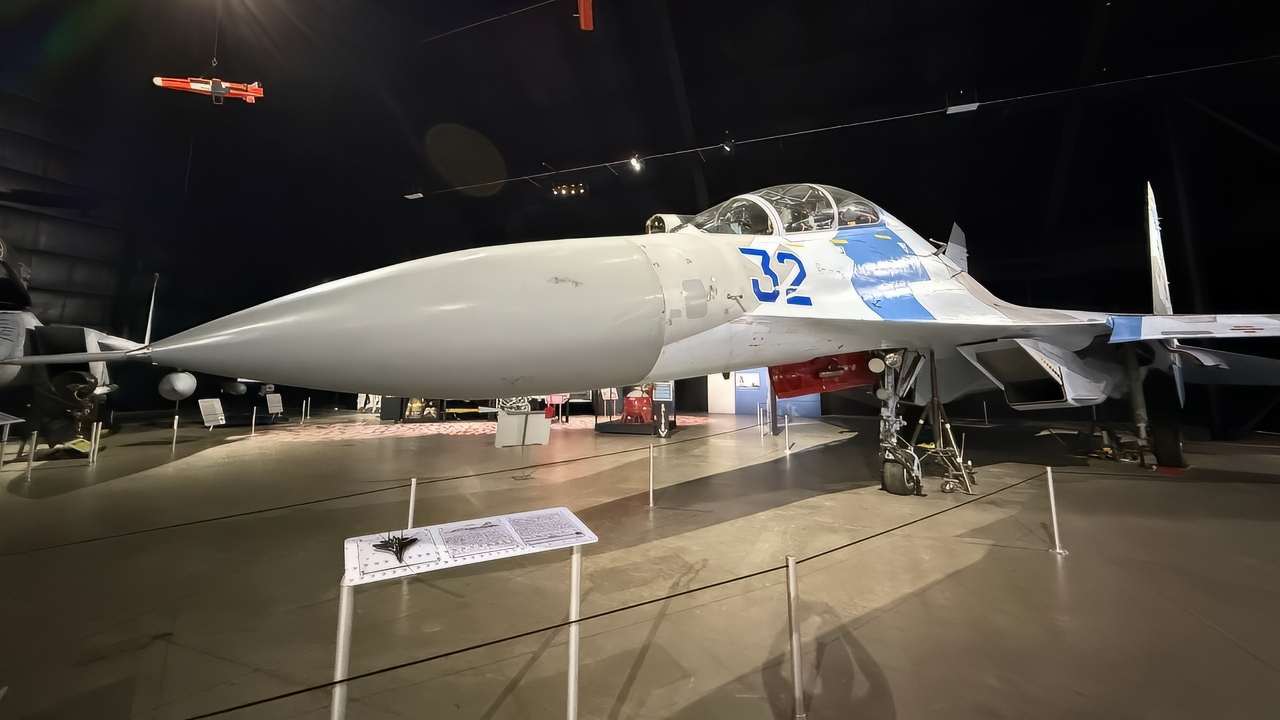
Su-27 Flanker Up Close. Image Credit: National Security Journal Taken on July 19, 2025.
“The situation in the Azov Sea will not affect the domestic market’s food supply or our country’s export capabilities.”
“Given Russia’s significant capacity for transshipping agricultural cargo in various regions, supply logistics will be redirected if necessary,” the ministry added.
About the Shadow Fleet
What is the “shadow fleet” and what led Russia to create it?
In early 2025, the Brookings Institution looked at the phenomenon. The think tank traced it back to 2022, when, a few months after the initial Russian invasion of Ukraine, the G7 and Australia placed a price cap on Russian oil. Many more sanctions from various bodies have since followed, including from the United States.
“The sanctioning coalition enforced this cap by requiring Western companies providing key oil trade services—including shipping, insurance, financing, and flagging—to verify that the trades in question complied with various caps on oil exports,” the Brookings analysis said, of why Russia amassed the shadow fleet of oil tankers.
“A focal point of the shadow fleet strategy is to obscure the ownership of the fleets’ tankers and to mask the origin of the Russian oil those ships carry. To do this, Russia employs a host of deceptive maneuvers, such as repeated ship-to-ship transfers of liquid cargo, blending oil from multiple countries, spoofing ships’ location data, and automatic identification system blackouts,” Brookings’ Robin Brooks and Ben Harris wrote.
Cutting Off Crimea
Key to the Ukrainian campaign in the Sea of Azov is the idea of cutting off Crimea, the territory that has been occupied by Russia since 2014.
“These drones have been the backbone of weeks of attacks against Crimea as Ukraine tries to expose Russia’s president, Vladimir V. Putin, as unable to defend the peninsula, which Russia illegally annexed in 2014,” the New York Times reported about the current campaign. “Ukraine has struck power stations, military infrastructure and fuel facilities, as well as roads and railways leading into Crimea.”
The Times added that it couldn’t verify that Ukraine had struck as many vessels as it claimed it had, and also that “it was not clear what the vessels in the Sea of Azov were transporting.”
Ukraine has begun to use “Moscow Will Fall Because of Crimea” (or “Moscow Will Fall Through Crimea”) as a slogan in the current phase of the war. And a new phase of the attacks, which has expanded to the Black Sea, is known as ‘MoLoChKa’, which translates as the “Moscow Will Fall Through Crimea” phrase.
“The next phase of the SBS operation ‘MoLoChKa’ was launched in time for Ukrainian Statehood Day,” Brovda, the drone chief, said this week, per Liga.net.
About the Author: Stephen Silver
Stephen Silver is an award-winning journalist, essayist, and film critic, and contributor to the Philadelphia Inquirer, the Jewish Telegraphic Agency, Broad Street Review, and Splice Today. The co-founder of the Philadelphia Film Critics Circle, Stephen lives in suburban Philadelphia with his wife and two sons. For over a decade, Stephen has authored thousands of articles that focus on politics, national security, technology, and the economy. Follow him on X (formerly Twitter) at @StephenSilver, and subscribe to his Substack newsletter.


