

According to recent reports, the Kremlin is repositioning air defense installations from remote regions of Moscow to better protect valuable positions from Ukrainian drone attacks. The information comes as Ukraine has been ramping up its strikes against oil refineries and other critical infrastructure across the country, causing the Kremlin to rethink its defense strategy. The war in Ukraine has exposed many critical shortcomings in Russia’s air defense structure. Despite fielding a largely well-integrated network of radars and missile systems, Russia possesses a vast airspace spanning multiple thousands of kilometers. This vast territory is nearly impossible to control, leading the Russians to make compromises on where to protect and where to leave undefended.
Relocating Air Defenses From the Far North

Su-25. Image Credit: Creative Commons.
Recent satellite footage from Radio Free Euroe/Radio Liberty shows that Russia is quietly moving air defense systems from its northern installations to other, more valuable locations around the country. One missile base near Rogachevo air base in the Novaya Zemlya archipelago was reportedly stripped of the majority of its air defense installations as Ukraine continues its attacks against the Russian heartland.
For those unaware of Russian geography, Novaya Zemlya is a large island in Northern Russia in the Arctic Ocean. Rogachevo served as a strategic aviation staging base during the Cold War and currently houses MiG-31 interceptors. As Russia seeks to expand its presence in the Arctic, the airfield has been an important staging area for the military and was recently expanded to accommodate larger aircraft.
Recently, however, the Russian Ministry of Defense appears to have decided to relocate some of the base’s air defense equipment to other regions that need it more urgently.
According to Katarzyna Zysk, a professor with the Norwegian Institute for Defense Studies, the transfer indicates “a growing mismatch between the targets Russia must protect and its available launchers, interceptors, and trained personnel.”
She notes, however, that many sites recently stripped of air defense equipment are not left completely defenseless. Rather, it suggests that Russia does not anticipate an imminent large-scale attack in the [far north] region and judges that it can reduce protection there without incurring unacceptable risk.”

Buk-M2E Air Defense from Russia. Image Credit: Creative Commons.
Protecting More Immediate Interests
Rogachevo is not the only installation whose defenses have been scaled down. According to other satellite footage and OSINT information, around 60% of Russia’s S-300 and S-400 installations have been repositioned since the initial invasion in 2022. In the city of Severodvinsk, where nuclear submarines are built and repaired, around two dozen S-300 and S-400 air defense systems have been moved from their positions.
Meanwhile, air defense locations around strategically vital positions, such as nuclear missile silos and airfields housing strategic nuclear aircraft.
So, where are these air defense systems going? While it is nearly impossible to track all of them, satellite imagery shows that some of these systems have ended up in positions where Ukrainian drones are more likely to attack.
In the Southwestern region of Saratov, additional S-400 batteries were spotted near the Saratov oil refinery, which has been hit multiple times by drone attacks since 2025.
Other air defense batteries have been spotted in other regions of Russia, often situated in city parks. It is important to note that the S-400 is primarily intended to defend against ballistic and cruise missiles, as well as larger manned aircraft such as fighter jets and helicopters. Defense against drones is typically relegated to systems like the Tor, the Pantsir-S1, or aircraft equipped with air-to-air missiles.
Rethinking Russia’s Air Defense Strategy
Since the days of the USSR, the Russians have been building up their air defense capabilities in response to NATO, particularly American air power. The Russians, however, did not expect the current drone-centered environment where small, slow-moving unmanned aerial systems could easily slip under radar coverage and strike valuable infrastructure. Ironically, the Russians were the first to field such capabilities against Ukraine when Iran provided the Shahed-136 drone to Moscow. Now the Kremlin is getting a taste of its own medicine, and the Russians are struggling to defend key sites.
After several Ukrainian attacks struck oil refineries around Russia, Putin stated in an address that increasing Russia’s air defense capabilities was the country’s top priority.
Russia’s strategy has been starting to show some returns as of late. Recently, Ukraine’s massive drone attacks against Moscow have been growing less successful. According to some sources, Ukraine launched several massive attacks against the Moscow region, utilizing several hundred attack drones, with most being intercepted before arrival.
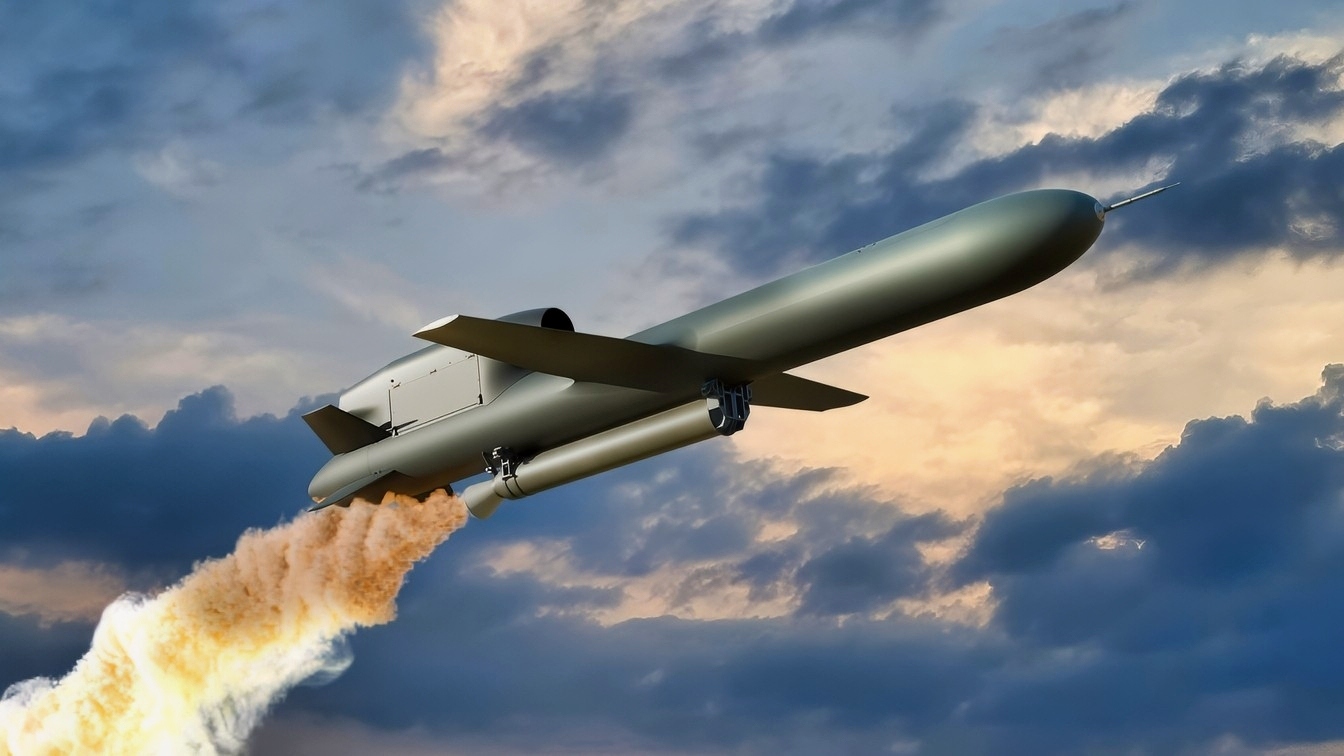
Likewise, Ukraine has attempted to strike Russia with FP-5 Flamingo cruise missiles, all of which have been intercepted by air defenses. Despite many slip-ups by Russia’s air defense forces, the military has slowly, albeit clumsily, adjusted to its new circumstances. There is a reason that drone attacks have been constrained to oil refineries and other fuel infrastructure as opposed to military installations or air bases.
That being said, Russia’s defenses still have a lot of catching up to do. Static sites and missile systems like the S-400 are susceptible to drones and saturation attacks. Additionally, Ukrainian irregular tactics in the past have allowed Kyiv to strike strategically vital targets, despite the presence of advanced air defense systems. Defense against UAVs is difficult, a fact that the American military is now learning against Iran. As long as the conflict continues, Russia’s air defense forces have to constantly remain on their toes, in anticipation of an attack that could come from literally anywhere.
About the Author: Isaac Seitz
Isaac Seitz, a Defense Columnist, graduated from Patrick Henry College’s Strategic Intelligence and National Security program. He has also studied Russian at Middlebury Language Schools and has worked as an intelligence Analyst in the private sector.


