

Key Points and Summary – The piece contrasts Vladimir Putin’s 2007 trip to India—when “Putin” jokingly stood for planes, uranium, tanks, infrastructure, and nuclear power—with his far weaker position in 2025 thanks to the Ukraine war.
-Once a dominant supplier to India’s air and defense sectors, Russia is now constrained by sanctions, a war-driven production crunch and failing supply chains.

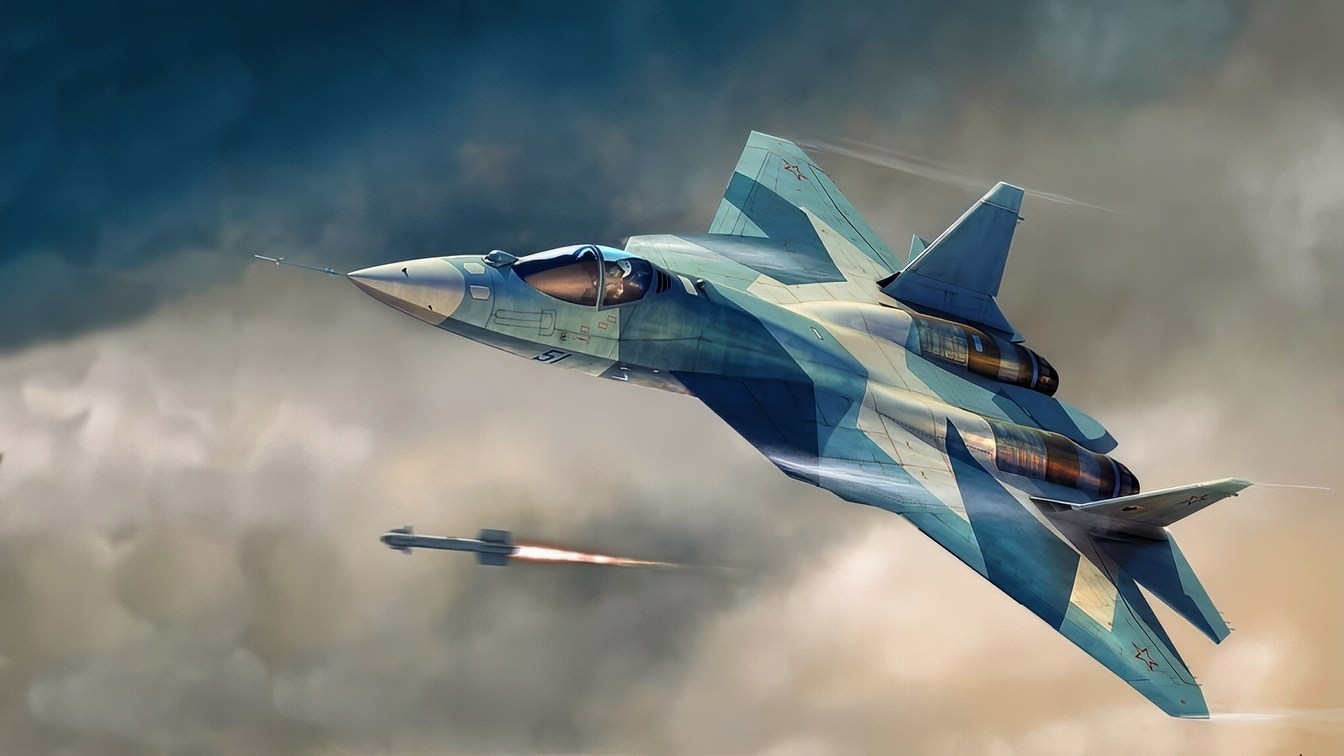
Su-57 Felon Stealth Fighter. Image Credit: Russian Air Force.
-Moscow cannot deliver the remaining S-400 batteries on time and keeps dangling Su-57s and Tu-160s. India knows Russia can’t reliably produce.
-Dragging his defense minister to New Delhi, Putin looks less like a strategic partner and more like a lobbyist fighting to preserve a shrinking, increasingly hollow arms market.
Putin Goes to India Like a Desperate Arms Salesman
Fort Lauderdale, Florida – Russian President Vladimir Putin arrived in India today, 4 December, for a two-day visit and to engage in negotiations and discussions with his fellow BRICS-member head of state, Prime Minister Narendra Modi.
For former KGB Lt. Col. Putin, this is his first visit to the subcontinent since Russia’s full-scale invasion of Ukraine in February 2022.
In 2007, and before he had begun to alienate the West by invading his neighbours one by one, the Russian president was on another visit to the country’s capital.
He has some of the same items on his agenda as he does today.
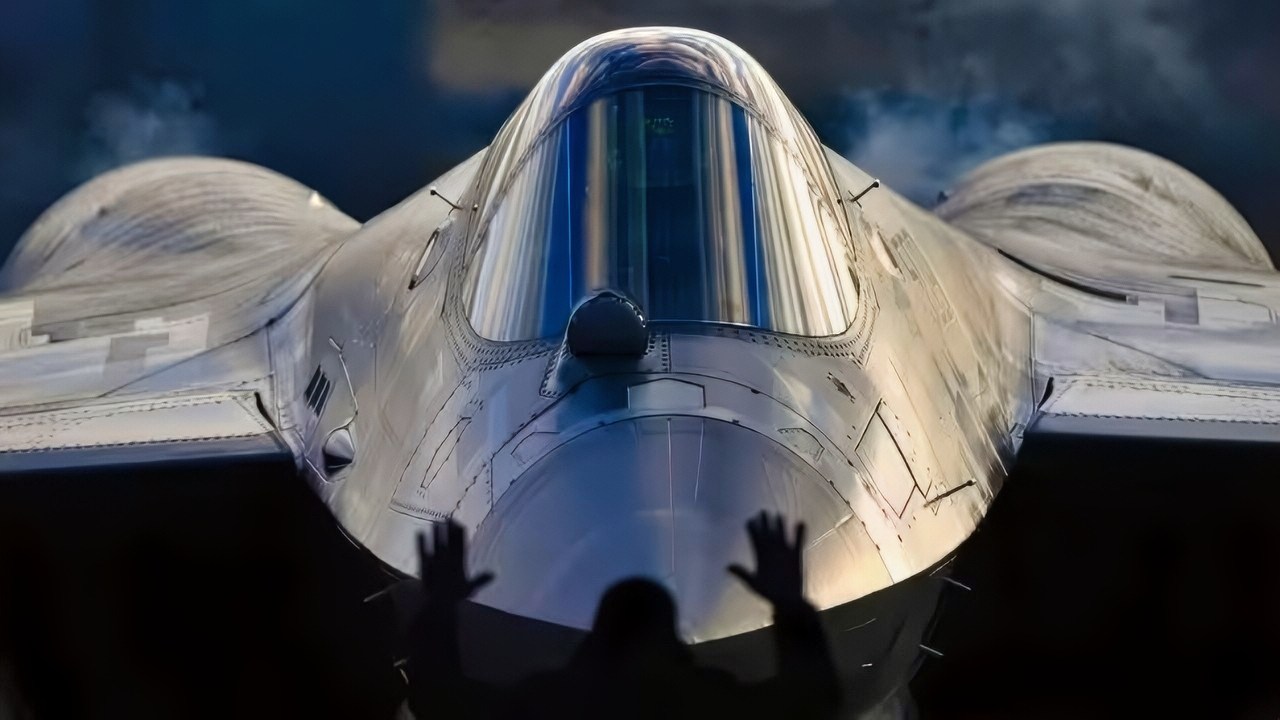
Su-57 Felon Fighter. Image Credit: X Screenshot.
But the difference between now and 18 years ago is that Moscow now has a much less secure position in its trade with India.
All those years ago, Russia was doing a brisk business across India’s major strategic industrial sectors, particularly defense and aerospace.
The level of trade was so pronounced that a New Delhi columnist wrote at the time that the letters “Putin” were more than just the Russian president’s surname.
It is an acronym, he says, that stands for “Planes, Uranium, Tanks, Infrastructure and Nuclear power.”
It was a joke prompted by the many primary weapons programs that Moscow was exporting to India at the time, making India second only to the People’s Republic of China (PRC) on Russia’s list of most essential weapons buyers.
Hundreds of Fighters
In the industrial city of Nasik stands one of the major manufacturing facilities of the state-run Hindustan Aeronautics Ltd (HAL) conglomerate.
For more than two decades, the site has seen the production of some 270 of the Russian Irkut-designed but locally-assembled Sukhoi Su-30MKI two-seat fighter aircraft.
India began producing the Su-30MKI models under license in the early 2000s.
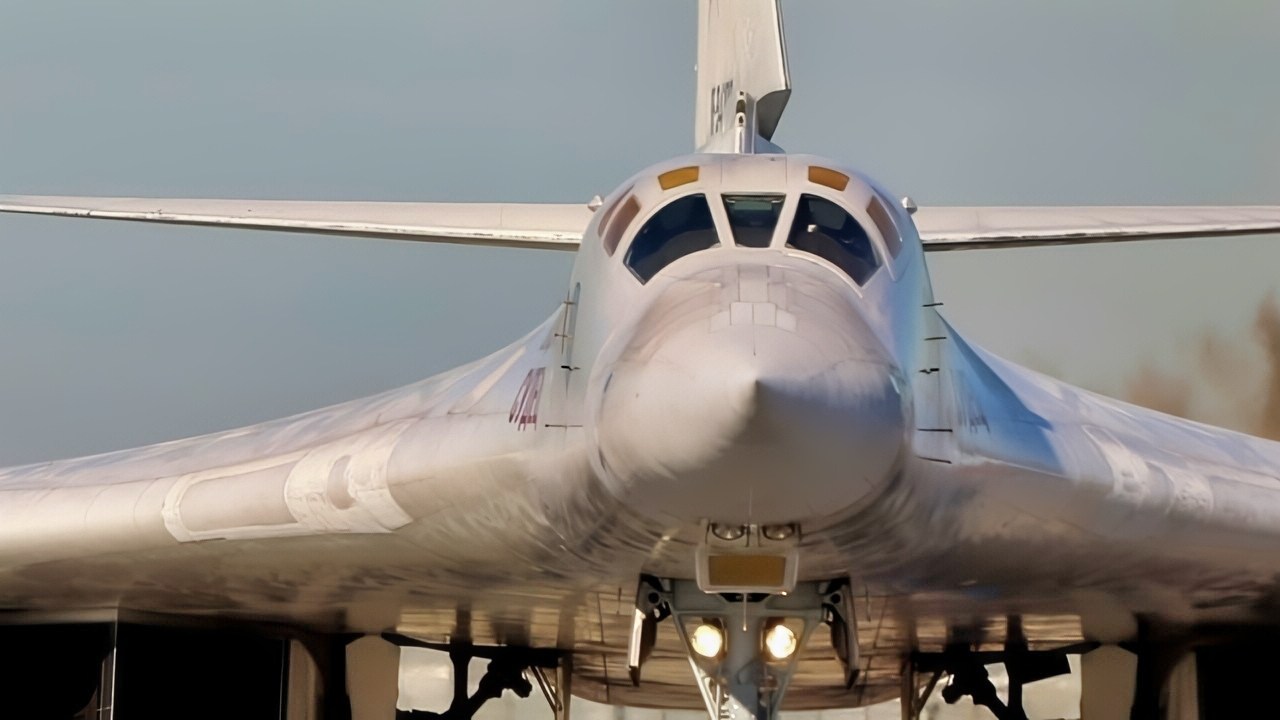
Tu-160 Up Close. Image Credit: Creative Commons.
India continues to build them mainly because the Indian Air Force (IAF) needed a hedge in air power against the PRC’s growing and modernizing People’s Liberation Army Air Force (PLAAF).
But, in the intervening years, the business with India has fallen off.
“Whereas in the early 2000s ministries in New Delhi were lining up to talk to the diminutive Russia President and feting him everywhere he went, now Putin is almost like a lobbyist or door-to-door salesman trying to not to hang on to his market share,” said an Indian defense sector expert who has been covering Russia’s business in his country for years.
Putin’s problems in continuing to court trade with India, which he needs badly now, are twofold. One is that, under the current sanctions regime, Modi’s India is one of the few places he can turn to for major export deals that bring in desperately needed revenue.
As Australia’s ABC network explains, Putin “wants new deals on Russian oil, missiles, jets but he also wants broader business links that go beyond energy and defense equipment.”
Those broader business links may be hard to create under the current sanctions regime.
A Declining Russian Defense Sector
As evidence of just how much Putin wants to hold on to the market that India represents for his weapons makers, he is accompanied by a delegation that includes the Russian Defense Minister Andrei Belousov.
Indian media outlets are reporting that the two sides are expected to discuss, among other subjects, a long-standing set of issues regarding the sale of the Sukhoi Su-57 to India.
But, as the same Indian defense expert explained, Russia’s defense sector is no longer able to deliver to India as it once did.
The Kremlin spokesman Dmitry Peskov said today that Russia’s deliveries of the Almaz-Antei S-400 air defense system to India would be “an important” topic of discussion.
India has received three of the five units it ordered in 2018. Still, the remaining batteries have never been delivered, say Russian sources, due to Western sanctions and supply-chain issues stemming from the war in Ukraine.

Su-57 Felon Artist Image> Image Credit: Screenshot.
“If Russia could produce those S-400s without any delays they would be sending them to fight the war in Ukraine and not to India,” said a retired Russian defense industry engineer who spoke to National Security Journal. “The truth is that those production lines have increasing difficulty in manufacturing them.”
“These ‘offers’ from Russia this week and in previous months, like those calling for India to acquire the Tupolev Tu-160 strategic bomber, attempting to again convince New Delhi to get involved in the Su-57. These are distractions designed to make India look at some ‘shiny object’ and to forget that Moscow cannot deliver on weapons contracts that it has been behind on for years.”
“Like everything else that Putin presents to export clients, to the Russian public, etc. When he talks about new these weapons programs for India he is presenting the biggest of fairy tales. The truth is he is grinding his defense companies into the ground with this Ukraine war and soon nothing will be left of them.”
About the Author: Reuben F. Johnson
Reuben F. Johnson has thirty-six years of experience analyzing and reporting on foreign weapons systems, defense technologies, and international arms export policy. Johnson is the Director of Research at the Casimir Pulaski Foundation. He is also a survivor of the Russian invasion of Ukraine in February 2022. He worked for years in the American defense industry as a foreign technology analyst and later as a consultant for the U.S. Department of Defense, the Departments of the Navy and Air Force, and the governments of the United Kingdom and Australia. In 2022-2023, he won two awards in a row for his defense reporting. He holds a bachelor’s degree from DePauw University and a master’s degree from Miami University in Ohio, specializing in Soviet and Russian studies. He lives in Warsaw.


