

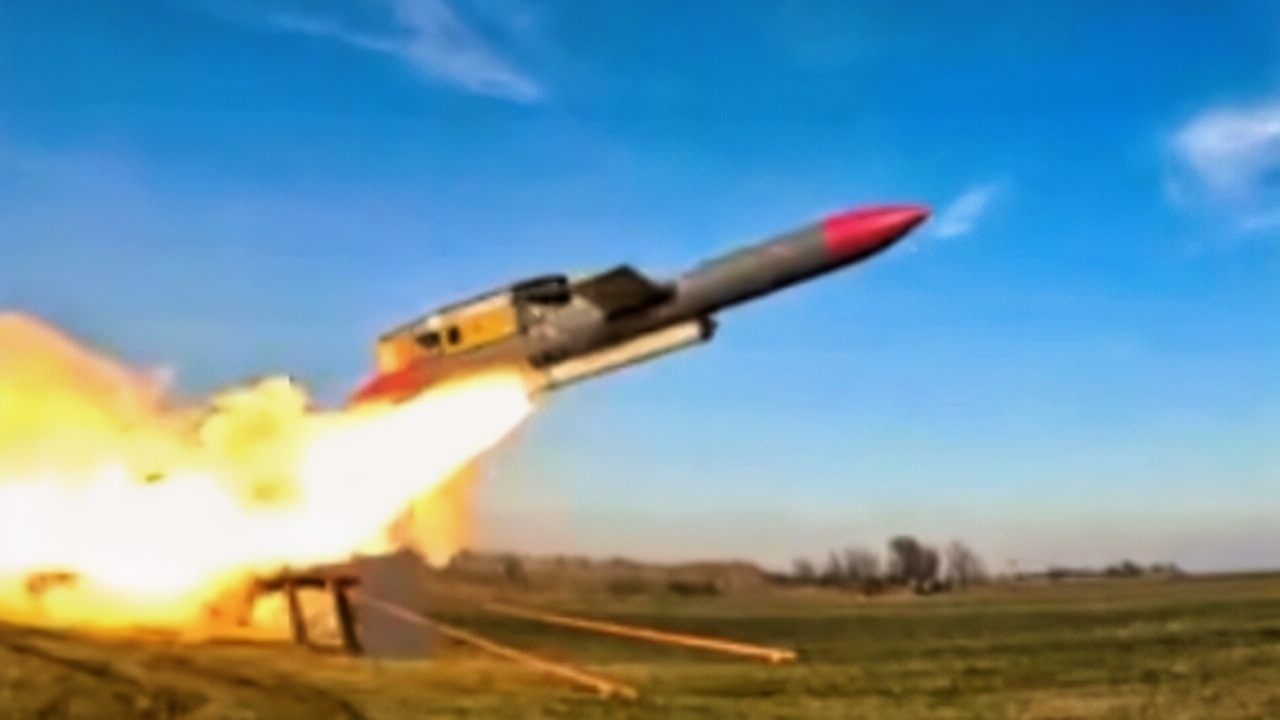
Ukraine Struck Four Wildberries Warehouses in Five Days, Disrupting Russia’s Online Economy: Ukraine struck two more warehouses operated by Wildberries, Russia’s largest online retailer, on July 22, extending a deep-strike campaign that has hit four of the company’s logistics sites in five days. Reporting on the latest fires highlighted the enormous smoke columns rising above the sites in southern Russia.
Wildberries chief executive Tatyana Kim said facilities in Krasnodar and Nevinnomyssk were attacked. Verified video from Krasnodar showed a large plume over the site. Regional authorities said 10 people were wounded at a storage complex, while a helicopter and more than 100 firefighters were deployed.
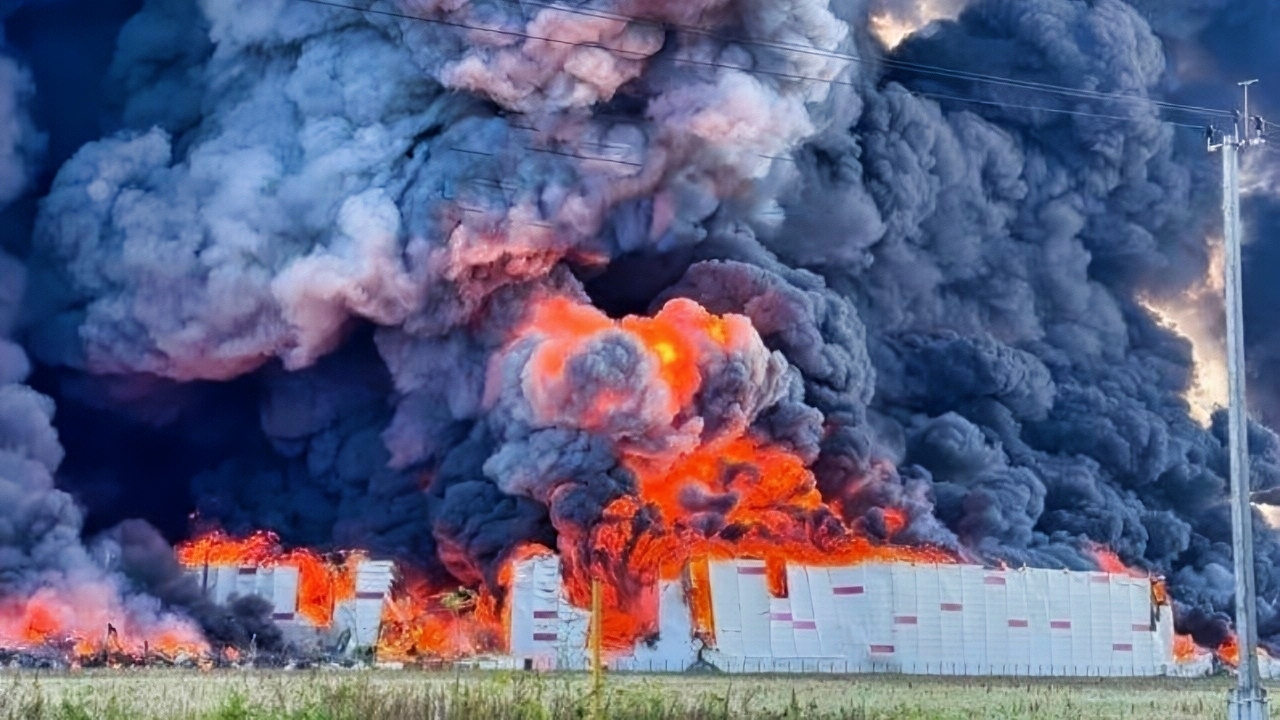
Moscow Warehouse Fire X Screenshot
The new attacks followed the July 18 strikes on Wildberries hubs in Kotovsk and Elektrostal. Those fires killed eight company employees and injured dozens. A separate account of the wider wave reported nine deaths and more than 80 injuries across several Russian regions.
President Volodymyr Zelensky said the latest targets were logistics hubs involved in supplying Russian forces with drone components and other equipment. The Kremlin denies that Wildberries handles military supplies. Public evidence has not established the contents of the damaged warehouses or shown that every part of the facilities served a military function.
Ukraine Is Expanding Its Target Set From Refineries to Warehouses
The attacks broaden Ukraine’s campaign from air bases, refineries, fuel depots, and weapons plants into the commercial networks that move goods across Russia. The earlier strikes on Wildberries hubs in the Moscow and Tambov regions showed that Kyiv now treats large distribution centers as part of the logistics system sustaining the war.
Wildberries sells military and dual-use products through third-party vendors, including body armor, radios, fiber-optic cable, and electronic equipment. A review of the marketplace found that such goods also support volunteer networks supplying Russian units. Their sale through the platform does not prove the damaged buildings were dedicated military depots.
Ukraine’s wider economic campaign has already sent long-range drones as far as Siberian refineries. The warehouse strikes apply similar pressure to storage, transport, inventory, and order fulfillment.
Wildberries Is Central to Russia’s Consumer Economy
Wildberries can process more than 20 million orders per day and has more than 1 million sellers, according to reporting on the earlier damage. Russian online sales grew 28 percent in 2025 to 11.5 trillion rubles, or about $147 billion. The government says goods and services sold through digital platforms are equivalent to roughly 8.5 percent of gross domestic product.
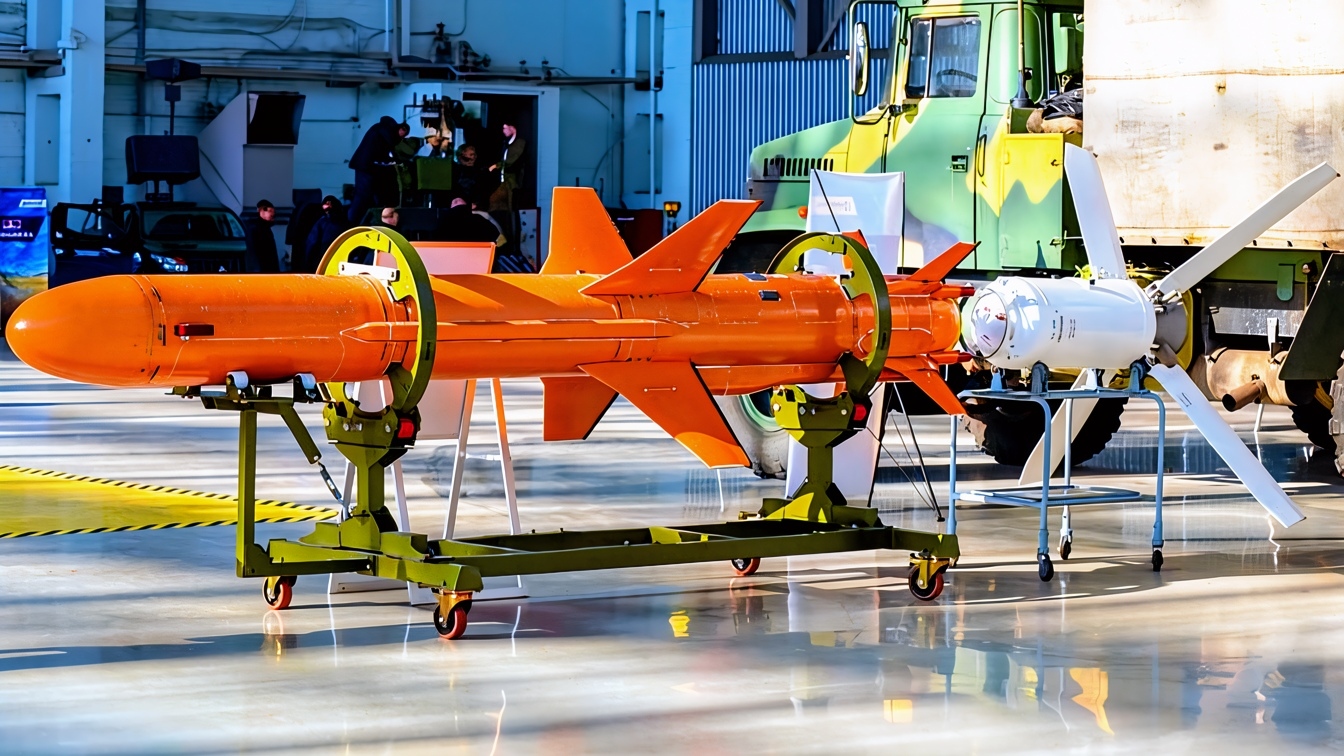
Neptune Cruise Missile Ukraine Government Photo
The fires affect merchants, workers, and customers across Russia. The e-commerce association AUREK asked Moscow to grant six-month tax deferrals to businesses hurt by the attacks. Shares in rival retailer Ozon fell 4 percent on July 22 as investors considered whether other distribution networks could become targets.
That spillover is part of Ukraine’s effort to impose costs on the economy surrounding Russia’s military campaign. Wildberries can reroute some orders and keep much of its network operating. Repeated losses still create repair, compensation, security, and tax costs that did not exist before the strikes.
Russia Cannot Defend Every Logistics Complex
Large warehouses are fixed, visible, and difficult to harden. They need broad roofs, loading areas, road access, power, communications, and large workforces. Russia also has to protect military bases, refineries, power plants, cities, ports, and transportation corridors across an enormous territory.
High Russian interception claims have repeatedly coexisted with major fires and smoke plumes on the ground. A small fraction of a large drone wave can still damage a warehouse or force an evacuation. Intercepted aircraft and falling debris can also cause damage.
Ukraine has used the same geographic problem against Russia’s energy system. A July strike forced major refining units at Omsk offline. Moscow later redirected fuel from Siberia and increased imports to protect the capital, according to a review of the fuel response.
Ukraine’s Warehouse Strategy Carries Political Risks
The deaths and injuries at Wildberries facilities complicate Kyiv’s argument. Warehouses employ civilian workers and hold goods belonging to thousands of merchants. Ukraine needs credible evidence when it describes a commercial site as part of Russia’s military supply chain, particularly when a strike causes mass casualties.
Russia has repeatedly attacked Ukrainian postal terminals, warehouses, ports, and power infrastructure while claiming military or logistics functions. Ukraine’s operations are creating a similar dispute over dual-use sites inside Russia. Civilian harm could also strengthen Moscow’s case for retaliation against Ukrainian commercial infrastructure.
Wildberries Now Has to Absorb Another Round of Damage
The extent of the damage in Krasnodar and Nevinnomyssk remained unclear on July 22. Wildberries said the previously hit Kotovsk site would resume accepting deliveries on July 23, while the reopening date for Elektrostal was still uncertain. The next indicators will be warehouse closures, seller compensation, order delays, repair estimates, and any movement of additional Russian air defenses toward logistics centers.
Four Wildberries warehouses have now been struck in five days. Each fire adds damaged stock, injured workers, disrupted merchants, and another fixed site Moscow has to consider protecting.
About the Author: Harry J. Kazianis
Harry J. Kazianis (@Grecianformula) was the former Senior Director of National Security Affairs at the Center for the National Interest (CFTNI), a foreign policy think tank founded by Richard Nixon based in Washington, DC. Harry has over a decade of experience in think tanks and national security publishing. His ideas have been published in the NY Times, The Washington Post, The Wall Street Journal, CNN, and many other outlets worldwide. He has held positions at CSIS, the Heritage Foundation, the University of Nottingham, and several other institutions related to national security research and studies. He is the former Executive Editor of the National Interest and the Diplomat. He holds a Master’s degree focusing on international affairs from Harvard University.


