

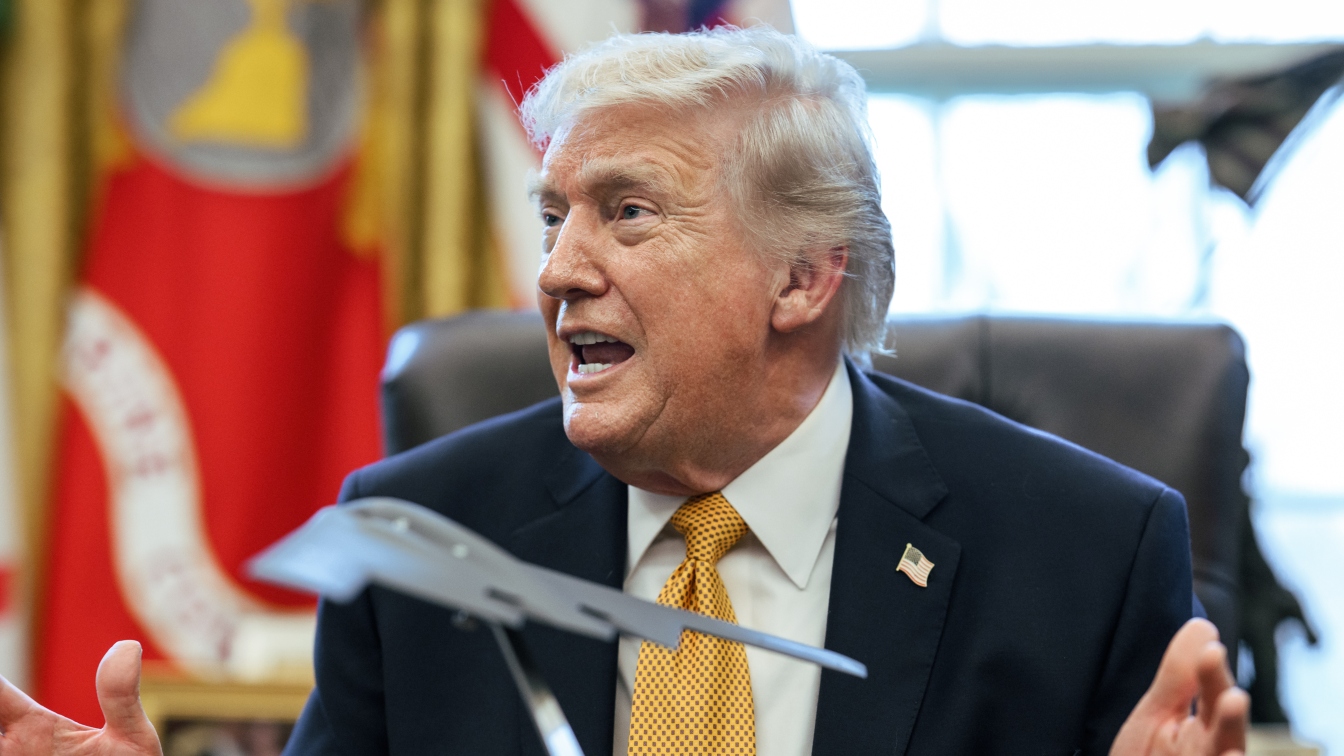
US President Donald J. Trump has ordered 12 consecutive nights of renewed strikes against Iran while more than 50,000 American service members support the campaign across the Middle East. U.S. aircraft continue hitting missile sites, drone facilities, coastal surveillance systems, command centers, and maritime forces. The United States retains overwhelming tactical advantages, but the war is weakening the military, financial, and economic foundations needed to sustain it.
Trump’s Iran Crisis Is Getting Worse
American forces retain enough weapons to continue plausible operations against Iran. The immediate danger concerns specialized interceptors and long-range missiles that would also be needed against China or another heavily armed state. A CSIS assessment of seven critical munitions concluded that four may have lost more than half their prewar inventories during the first 39 days. Rebuilding them could take one to four years.
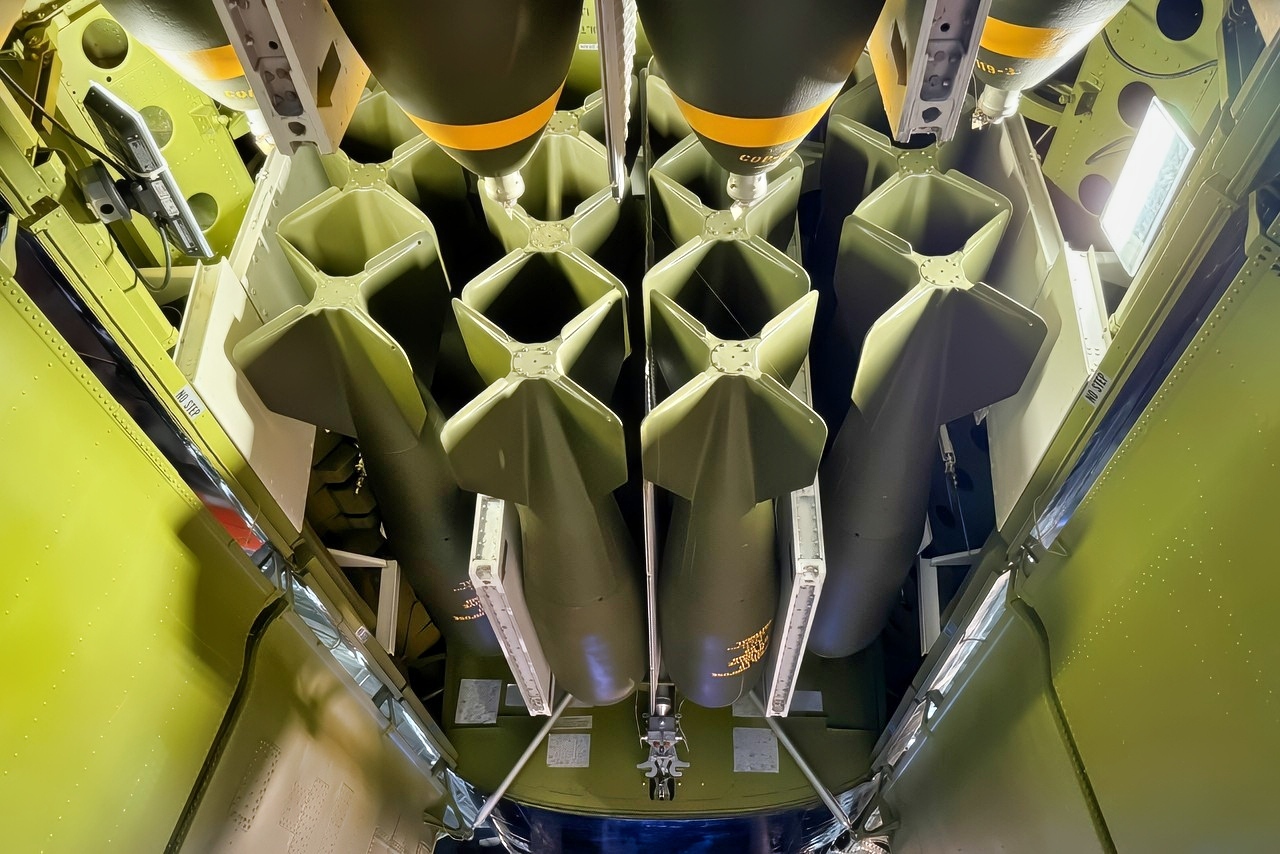
Bombs Inside the B-52 Bomber. Photo taken by Harry J. Kazianis/National Security Journal.
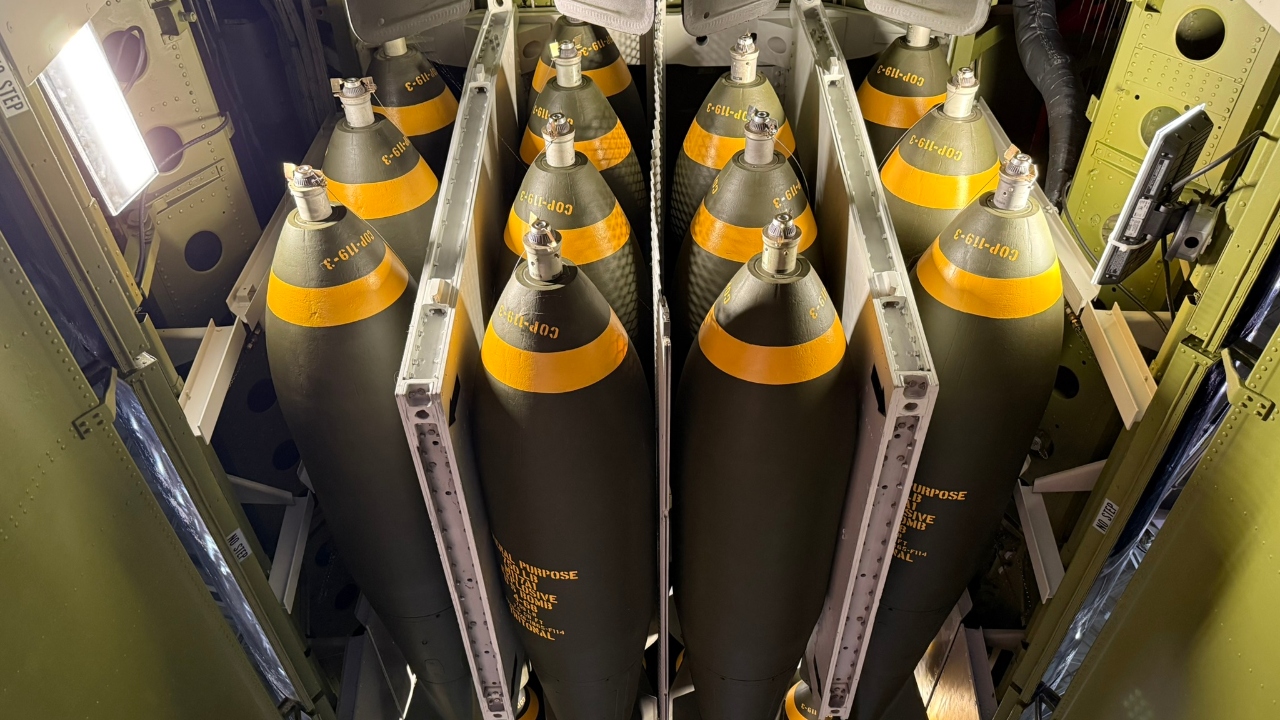
B-52 Bomber Bombs. Image Credit: National Security Journal.
The financial position is also tightening. Defense Secretary Pete Hegseth told Congress that the war had cost $37.5 billion, including some anticipated expenses through Sept. 30, while the White House requested nearly $90 billion in supplemental funding. A Reuters account of the request described growing frustration among lawmakers who still lack a clear estimate of how long the conflict will last.
The economic pressure is now reaching American households. Only three commodity vessels crossed the Strait of Hormuz on July 21, with no visible very large crude carriers or liquefied natural gas tankers, according to shipping data reported by Reuters. Houthi attacks on Saudi tankers then threatened the Red Sea route around Hormuz, pushing Brent crude above $100 per barrel and the U.S. gasoline average to roughly $4.09.
The Pentagon Can Keep Bombing Iran, but the Missile Bill Comes Due Elsewhere
American aircraft continue reaching Iranian targets, and many commonly used weapons remain available. Several specialized systems cannot be replaced quickly after heavy expenditure. The war has already created a multiyear replacement problem for several critical missiles.
THAAD, Patriot, Standard Missile, Tomahawk, and other inventories serve more than one theater. They defend American bases and allies, support Ukraine, and form part of the force Washington would need in the Western Pacific. Every missile used in the Middle East reduces flexibility elsewhere, which is why the Iran campaign has direct consequences for deterrence against China.
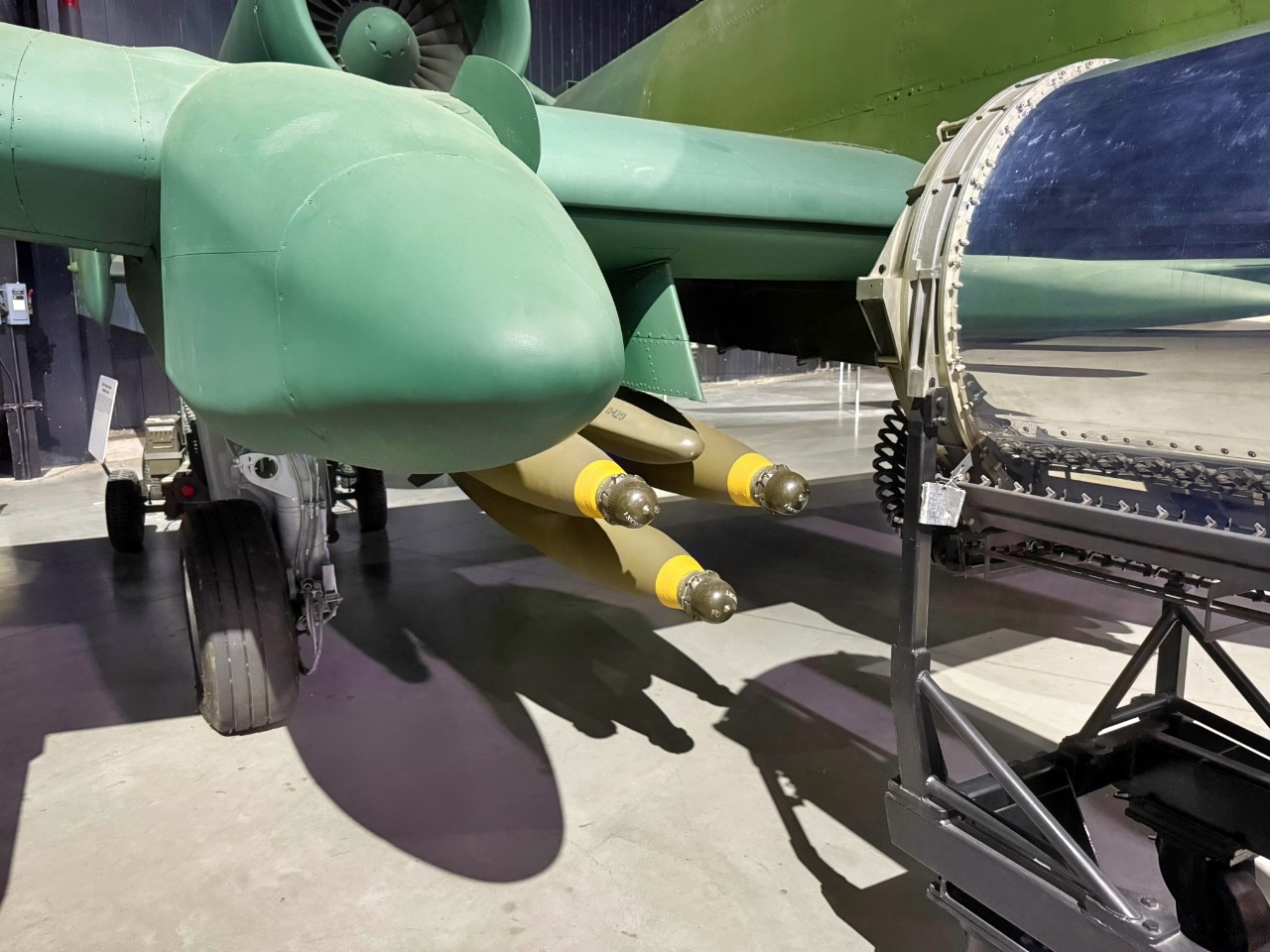
A-10 Warthog Bombs. Image Credit: National Security Journal.

B-2 Bomber Attacking with Bombs. Image Credit: Creative Commons.
The industrial base is responding. Lockheed Martin has increased PAC-3 and Precision Strike Missile output and received a major agreement intended to expand THAAD production. Those investments matter, but current delivery schedules still require years to rebuild some depleted inventories. The Pentagon has placed parts of the missile industrial base on a wartime path, but the large production increases will arrive after today’s decisions have been made.
Trump’s Iran War Is Starting to Consume Pentagon Readiness
The Pentagon’s overall budget is enormous, and congressional critics note that the department still has tens of billions of dollars in previously approved but unspent funding. The immediate problem concerns the accounts used to operate the current force. Some Navy and Air Force operating funds were on track to run out within weeks, forcing the department to move money from training, maintenance, and weapons purchases.
The immediate strain is concentrated in the accounts that keep aircraft flying, ships deployed, equipment repaired, and units trained. Officials warned that exercises and maintenance could be reduced without additional funding. The department also asked Congress for authority to redirect $4.3 billion toward more urgent requirements.
Trump requested $67.1 billion in additional Pentagon funding as part of a larger supplemental package. More than $18 billion involves munitions also included in the fiscal 2027 budget proposal, according to the Senate debate over the request. Congress can provide money, but appropriations cannot immediately create missiles, rocket motors, skilled workers, or production lines.
The political coalition is weakening as well. The House advanced a separate $95 billion budget package that included war funding and other administration priorities, then passed a war-powers resolution directing Trump to end unauthorized hostilities. Four Republicans joined Democrats in the 214-208 vote.
Public opinion gives the administration little room for a prolonged campaign. A Washington Post-Ipsos poll found that 68 percent of Americans believed the war was not worth fighting, compared with 28 percent who said it was. Higher fuel prices and additional funding requests now arrive inside that political environment.
Iran and the Houthis Have Turned Oil Into the Political Pressure Point
Trump’s original calculation assumed that Iran would suffer more from interrupted oil exports than the United States would suffer from higher global prices. Iran has lost much of its export income, but Tehran has also shown that it can reduce Hormuz traffic without enforcing an airtight blockade. The conflict has become a contest between Iranian economic pain and American military endurance.
The pressure widened when the Houthis attacked Saudi tankers in the Red Sea. Saudi Arabia had increased shipments from Yanbu to bypass Hormuz, but Asia-bound cargoes still approach Bab el-Mandeb. The attacks pushed Brent above $100 on July 23, while Goldman Sachs warned that prices could exceed $120 if both routes remain disrupted. Gulf loading activity had already fallen sharply.
The danger extends beyond crude oil. QatarEnergy, which accounts for about one-fifth of global LNG trade, has shut liquefaction operations, suspended exports, and extended force majeure notices to buyers in South Korea, India, and Bangladesh. A prolonged Qatari disruption would force importers into more expensive spot markets and increase the risk of shortages before winter.
American drivers are already seeing the political consequences. Gasoline has moved above $4 per gallon, and refined-fuel markets remain tight. The previous ceasefire produced a month of lower prices, while the return of fighting reversed much of that relief. The Red Sea crisis means the next increase may come from Bab el-Mandeb as well as Hormuz.
Trump’s Military Success Has Not Produced a Strategic Exit
The United States has damaged Iran’s military infrastructure and imposed major costs on Tehran. Those tactical achievements have not produced the settlement Trump needs. Iran still contests Hormuz, the Houthis threaten Saudi shipping, Congress is fighting over additional money, and several important American munitions will take years to restore.
The administration’s answer has been further escalation. Hegseth said the blockade would continue for as long as necessary and warned that Iran could face attacks on infrastructure, power, and energy. More targets can be destroyed. Each additional round also consumes money and weapons, invites retaliation, and gives commercial shipping another reason to avoid the region.
A viable end state requires enforceable rules for Hormuz, verified mine clearance, an end to Iranian and Houthi attacks, and clear conditions for ending American strikes and the blockade. Without those terms, Iran can absorb military damage while exporting economic pain. The possibility that Tehran could retain leverage over global energy after losing military assets is now central to the conflict.
As of July 23, Trump had ordered 12 consecutive nights of renewed strikes. Only three commodity vessels crossed Hormuz on the latest reported day. Brent crude was above $100, Qatar’s LNG exports remained suspended, the Pentagon was seeking nearly $90 billion, and several key missile inventories faced multiyear replacement timelines. No durable ceasefire or shipping agreement was in place.
About the Author: Harry J. Kazianis
Harry J. Kazianis (@Grecianformula) was the former Senior Director of National Security Affairs at the Center for the National Interest (CFTNI), a foreign policy think tank founded by Richard Nixon based in Washington, DC. Harry has over a decade of experience in think tanks and national security publishing. His ideas have been published in the NY Times, The Washington Post, The Wall Street Journal, CNN, and many other outlets worldwide. He has held positions at CSIS, the Heritage Foundation, the University of Nottingham, and several other institutions related to national security research and studies. He is the former Executive Editor of the National Interest and the Diplomat. He holds a Master’s degree focusing on international affairs from Harvard University.


