

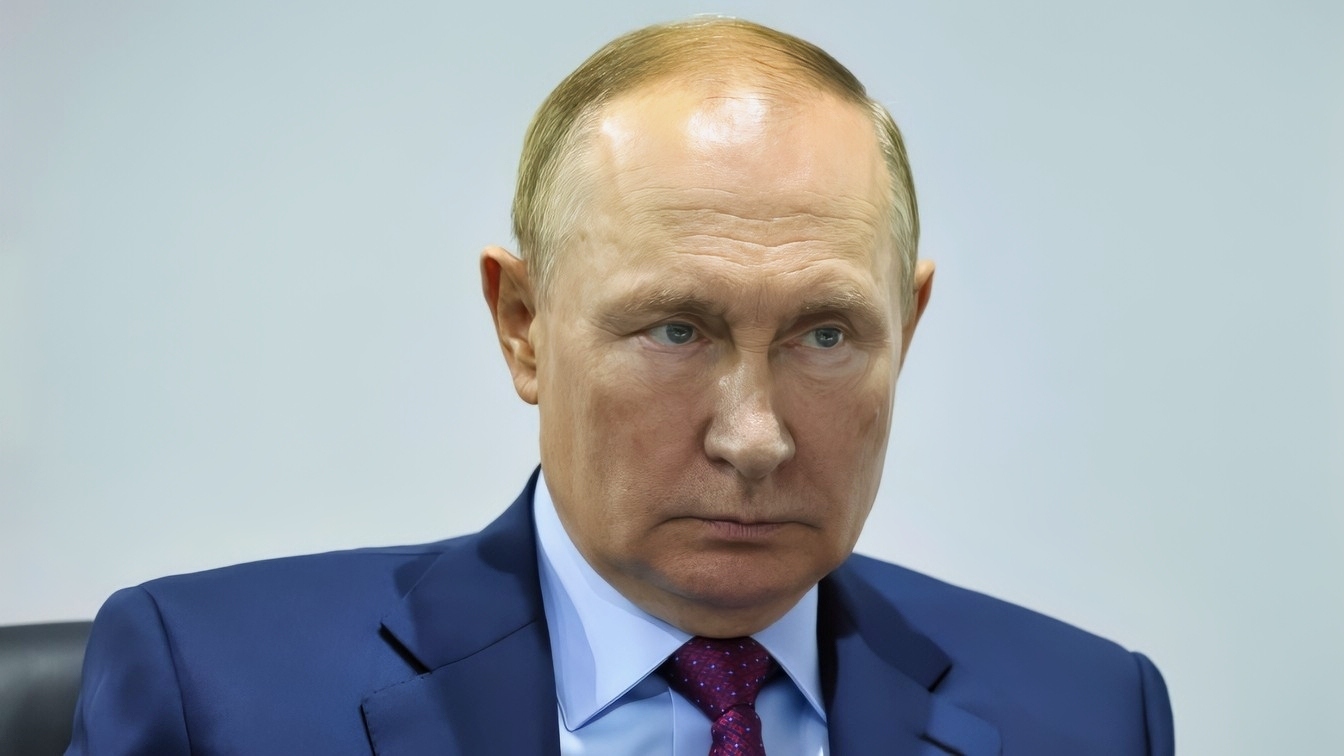
Russia Is Raising Taxes and Seizing Assets to Keep the Ukraine War Funded: Russia can still finance its war in Ukraine, but the Kremlin is relying on increasingly costly ways to find the money. Moscow is raising taxes, cutting civilian investment, borrowing from domestic banks and taking control of private property as military spending exceeds earlier plans.
A Foreign Policy examination of Russia’s wartime finances describes a government with resources left to use, but fewer painless options. The question is no longer whether Vladimir Putin can pay for another year of war. It is how much damage the financing method does to the civilian economy.

Tim Murry, a foreign threats compound contractor, drives a T-72 battle tank into position to serve as adversary targets for a joint service exercise, Emerald Flag, at Eglin Air Force Base, Fla., Nov. 30. Emerald Flag is a multi-service exercise aimed to unify information sharing across joint domain platforms. (U.S. Air Force photo/1st Lt Karissa Rodriguez)
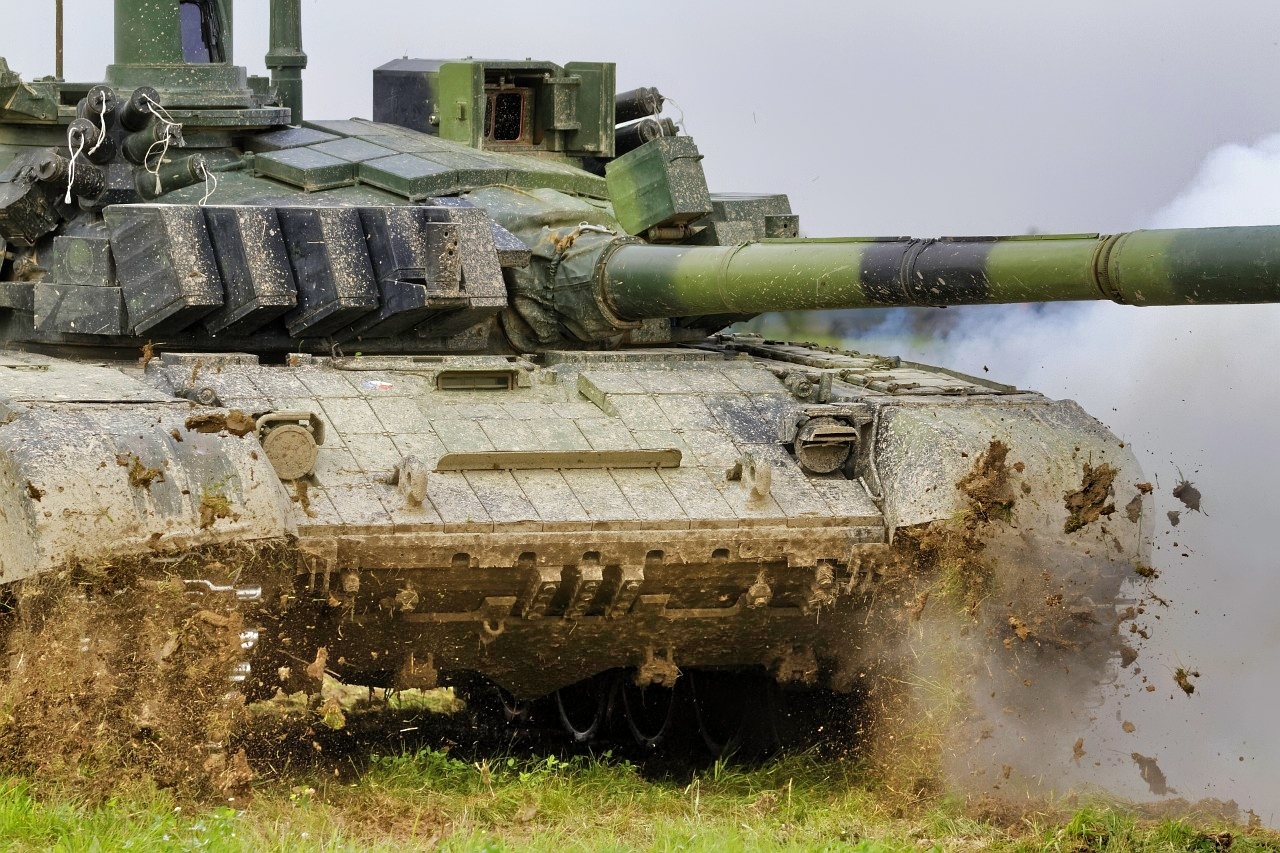
T-72 Tank. Image Credit: Creative Commons.
Russia’s 2026 budget allocated about 16.8 trillion rubles to defense and internal security, close to 38 percent of federal spending. The plan assumed military costs would decline slightly. Instead, first-quarter military expenditure rose 30 percent from a year earlier and reached the equivalent of roughly 12 percent of economic output.
The economy is losing the growth that once made those costs easier to absorb. Russia contracted during the first quarter, and the government cut its 2026 growth forecast to 0.4 percent. The central bank reduced its key rate to 14 percent on July 24, but inflation remained close to 6 percent and businesses continued warning about expensive credit and weak demand.
Russia Is Moving the War Bill Onto Taxpayers
The standard value-added tax rose from 20 percent to 22 percent in January after Moscow said the change would support defense and the federal budget. The government expected roughly 1 trillion rubles in additional revenue, while more small companies were brought into the tax system. The result is a wartime economy that is becoming harder to unwind without cutting military production, recruitment payments or veteran benefits.
Moscow is also preparing reductions outside protected programs. Officials have discussed a 10 percent cut to “non-sensitive” spending, while the capital reduced planned investment and municipal staffing. Those choices reflect the pressure created when military programs outrun the original budget.
Asset Seizures Have Become Another Source of State Money
Russian authorities confiscated assets worth about $50 billion during the first three years of the full-scale war, according to research reported by Reuters. The targets included foreign companies, domestic owners and strategic properties later transferred or sold by the state.
Seizures provide cash and place valuable companies under politically reliable control. They also weaken property rights and discourage investment. The same government that needs businesses to expand production is showing owners that successful assets can be taken through court actions with limited avenues for challenge.
Oil Revenue Provides Relief Without Solving the Deficit
Higher global prices are giving Moscow a temporary lift. Russian oil and gas revenue was expected to rise about 60 percent in July from a year earlier. Yet revenue for January through July was still projected to fall 11 percent from the same period in 2025.
That dependence leaves the budget exposed to sanctions, discounts and attacks on energy infrastructure. Europe’s latest restrictions target banks, refineries and the shadow fleet, tightening the financial channels supporting Russian exports. Ukraine is also raising the cost of moving oil through attacks on sanctions-dodging tankers.
Russia Still Has Money, but Fewer Comfortable Choices
Russia’s public debt remains comparatively low, allowing the government to sell more bonds to domestic banks. Its liquid National Wealth Fund has fallen from roughly $130 billion before the invasion to about $50 billion, leaving less reserve money for deficits and state companies. The system is now more dependent on domestic borrowing and shrinking fiscal buffers.
Putin does not face immediate bankruptcy. By autumn, when Moscow must present its next budget, the Kremlin will have to decide whether to raise taxes again, borrow more heavily from Russian banks or seize and sell additional property.
About the Author: Harry J. Kazianis
Harry J. Kazianis (@Grecianformula) was the former Senior Director of National Security Affairs at the Center for the National Interest (CFTNI), a foreign policy think tank founded by Richard Nixon based in Washington, DC. Harry has over a decade of experience in think tanks and national security publishing. His ideas have been published in the NY Times, The Washington Post, The Wall Street Journal, CNN, and many other outlets worldwide. He has held positions at CSIS, the Heritage Foundation, the University of Nottingham, and several other institutions related to national security research and studies. He is the former Executive Editor of the National Interest and the Diplomat. He holds a Master’s degree focusing on international affairs from Harvard University.


