


Russia Launched 74 Missiles and 284 Drones Across Ukraine: Russia launched 358 missiles and drones across Ukraine overnight into July 30, striking Kyiv, Lviv, and several other regions in one of the largest combined attacks of the summer.
A New York Times account of the barrage described explosions across the country as air defenses worked against weapons arriving from several directions.
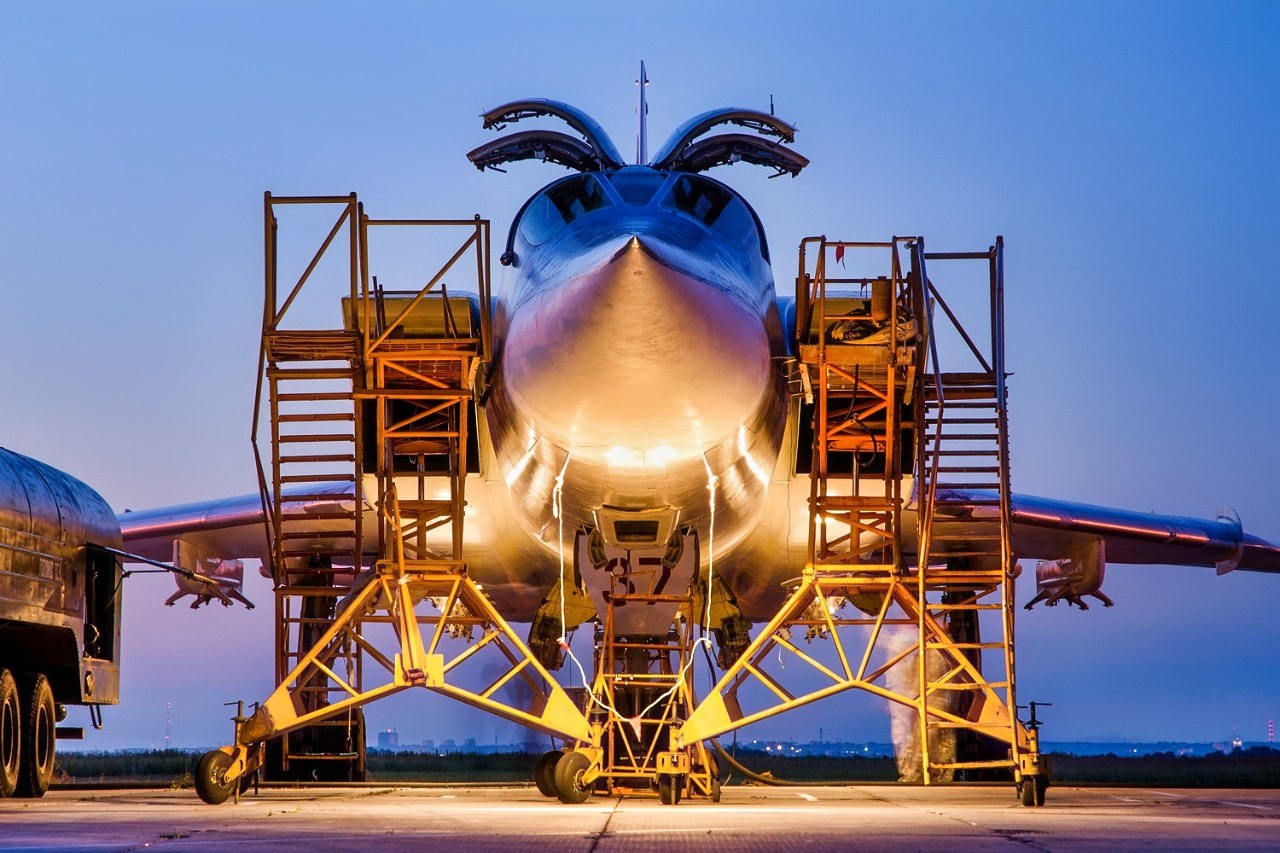
Tu-22M Bomber from Russia. Image Credit: Creative Commons.
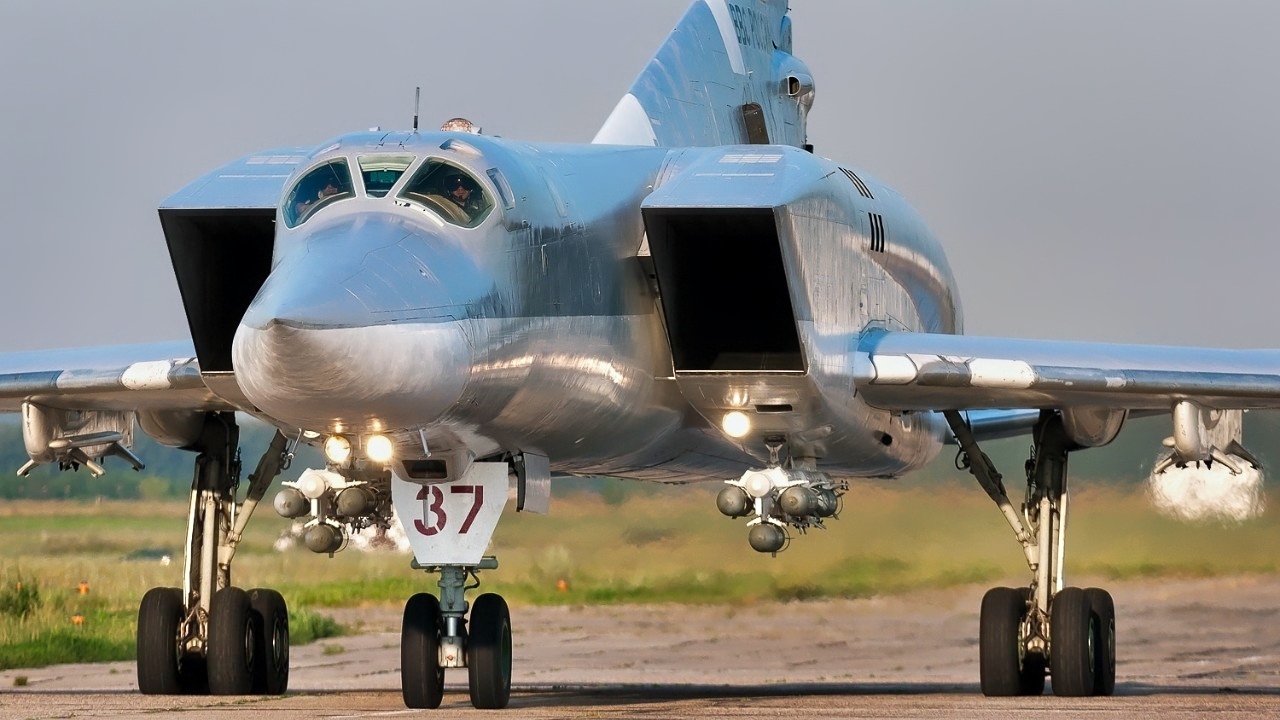
Russia Tu-22M Bomber. Image Credit: Creative Commons.
Ukraine’s Air Force counted 284 Shahed, Gerbera, and Italmas drones, along with Parodiya decoys.
The missile force included four Zircon or Onyx anti-ship missiles, nine Iskander-M, S-400, or North Korean KN-23 ballistic missiles, and 61 Kh-101 or Kalibr cruise missiles, according to the official after-action report.
Ukrainian forces said they shot down or suppressed 320 targets: 265 drones, 54 cruise missiles, and one ballistic missile.
Three anti-ship missiles, six ballistic missiles, two cruise missiles, and 17 attack drones reached 20 locations.
Debris fell at 13 more sites, while the status of eight missiles was still being checked, according to Ukrainska Pravda’s report on the Air Force data.
The later casualty count reached at least 10 dead and more than 50 injured.
The Associated Press reported deaths in the Dnipropetrovsk, Kyiv, Lviv, Poltava, and Kherson regions.
Russia said it attacked military factories, air bases, logistics sites, and three cargo ships. Those Russian claims were not independently verified.
Russia’s Missile Strike Killed a Family Near Kryvyi Rih
The heaviest loss was reported in Radushne, near Kryvyi Rih.
A missile destroyed a family home and killed six people, including a six-year-old girl and two boys aged 11 and 17. Their parents were also killed, while rescuers pulled two other children alive from the rubble.
President Volodymyr Zelensky said preliminary evidence pointed to a North Korean missile, the first such use confirmed by Ukraine in almost a year.
Reuters reported that Ukrainian radar detected flight paths associated with the KN-23 or KN-24. Fragment analysis was still underway.
In Kyiv, a ballistic missile killed a 31-year-old man and injured two people.
Fires broke out at an antiques market, a garage cooperative, and a nonresidential building.
More than 56,000 people sheltered in the capital’s subway stations. In Lviv, a cruise missile killed one person and injured more than 30, including children, while damaging an apartment building, according to Ukrainian reporting on the regional damage.
Ukraine Stopped Most Cruise Missiles but Only One Ballistic Missile
The interception figures exposed the hardest part of the attack. Ukraine neutralized 54 of 61 cruise missiles but only one of nine ballistic weapons.
Earlier barrages had already revealed a serious shortage of interceptors able to stop ballistic missiles.
Some ballistic weapons reach Kyiv within two to four minutes. Russia has also introduced terminal maneuvers intended to complicate interception. Patriot batteries remain Ukraine’s strongest defense against that threat, but launcher coverage and missile supplies are limited.
The defensive effort also cost Ukraine another F-16. The Air Force lost contact with the fighter on July 29 after an onboard emergency developed while the pilot was intercepting Russian aerial targets.
The pilot ejected and was recovered safely, according to Reuters. The crash was under investigation and was not reported as an enemy shootdown.
The July 30 attack added to a year in which verified civilian casualties rose 37 percent during the first six months.
Ukraine is seeking more Patriot rounds while supporting longer-term domestic air-defense production.
About the Author: Harry J. Kazianis
Harry J. Kazianis (@Grecianformula) was the former Senior Director of National Security Affairs at the Center for the National Interest, a foreign policy think tank founded by Richard Nixon in Washington, D.C. Harry has more than a decade of experience in think tanks and national security publishing. His ideas have been published in The New York Times, The Washington Post, The Wall Street Journal, CNN and many other outlets worldwide. He has held positions at CSIS, the Heritage Foundation, the University of Nottingham and several other institutions related to national security research and studies. He is the former Executive Editor of The National Interest and The Diplomat. He holds a master’s degree focusing on international affairs from Harvard University.


