

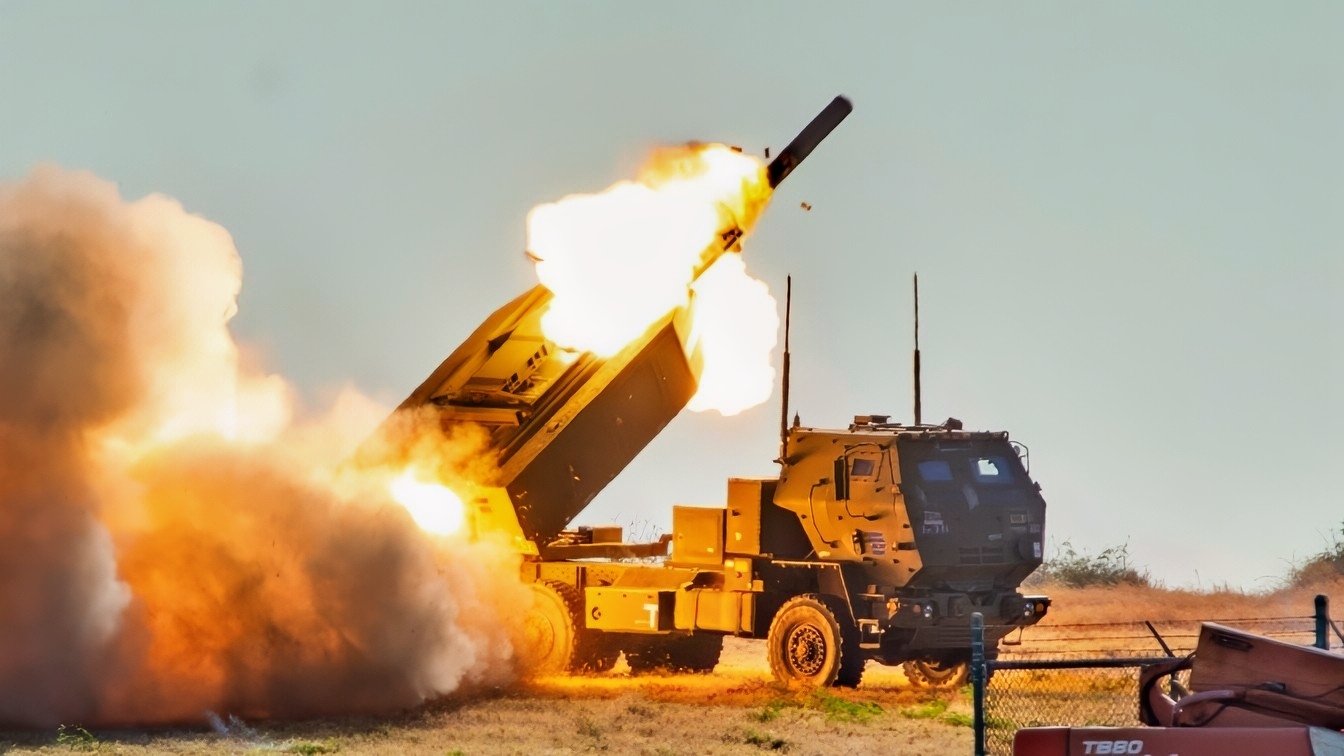
Ukraine on Wednesday launched what was described as a massive drone attack on Novorossiysk, a Russian port city on the Black Sea.
According to Al Jazeera, the strike killed three people, including what the regional governor described as a child, while also knocking two grain terminals offline. The latter blow, the report said, risks raising “fears in global markets of a disruption to supplies,” as Russia is the world’s largest exporter of wheat.
Putin Meeting with Staff Russian Federation Creation Commons Photo
Putin Back in 2023 Creative Common Image
The report cited Ukraine’s SBU security service as stating that the attack had “strategic significance.”
CNBC, in its report about the attack, called it a “heavy assault” on both grain terminals and warships in the Black Sea.
According to the BBC, most of Russia’s Black Sea fleet is based in Novorossiysk. That fleet was at one point based in Sevastopol, in occupied Crimea, but vacated that area because it was “too exposed to Ukrainian attacks.”
Satellite images soon emerged of the aftermath of the attack.
Zelensky’s View
In a social media post, Ukrainian President Volodymyr Zelensky described the attack on Novorossiysk as “a combined use of long-range sanctions with our weapons” and “a successful operation.” CNBC noted that Zelensky’s statement mentioned the ships but not the grain terminals.
The Ukrainian leader named the Admiral Essen and Admiral Makarov frigates among the Russian vessels hit in the Black Sea in the attack.
“Other Russian facilities that were helping finance the war were also struck. It is entirely fair that Ukraine responds to Russia’s war, and it is Russia that can and must end its war.”
Russia Responds
According to a BBC report, two major Russian trading companies have confirmed they were hit in the overnight attack.
In addition, the Russian agriculture ministry said it would redirect cargo flows to ports on the Baltic and Caspian Seas, as well as to land routes.
The ministry, the BBC said, was “taking into account current logistical constraints.”
In a commentary published Thursday, Tass, the Russian news agency, attacked Ukraine for what it called a “military campaign to provoke chaos on food markets,” as Russian Foreign Ministry Spokeswoman Maria Zakharova accused Kyiv of doing the bidding of Western countries by attacking Russian agriculture.
That campaign, Zakharova wrote, “serves the interests of a number of Western countries, given that Ukraine’s share of global food production is very small, no matter how hard the Kyiv regime tries to prove otherwise.”
The commentary went on to accuse Ukraine of contributing to shortages, driving prices up, and hurting those in the “Global South and East.”
A Hit to Exports
Even before the attack, Russia’s grain exports had already suffered a hit.
According to agricultural consultancy SovEcon, as cited by CNBC, Russia, as of earlier this week, “appeared to be on track to export between 3 million and 3.4 million metric tons of wheat this month,” down from the five-year average of 5 million for the month of August. That’s the lowest number for August in nearly a decade.
According to Reuters, Ukraine’s grain shipments have also tumbled as a result of attacks on ships in the Black Sea, with Ukraine’s shipments reportedly dropping 76 percent in the first two weeks of August, compared to the previous year.
Ukraine agreed this week to a deal with Moldova to route its grain shipments via rail.
A Request from the Veep
Also this week, the Financial Times reported that Ukraine recently received a unique request from Washington, also involving attacks on Novorossiysk.
Vice President JD Vance, in July, had specifically asked Ukraine to halt its “intense campaign of drone strikes on oil tankers” at the Novorossiysk port, out of concern that those attacks were disrupting global oil markets. Vance had made the request to Zelensky in a call on July 31, FT reported.
Ukraine heeded the request and has stopped such attacks, although this week’s attack targeted grain rather than oil infrastructure.
Ukraine also agreed not to attack tankers near the Caspian Pipeline Consortium or non-Russian vessels, provided those vessels are not subject to sanctions.
“We very carefully listen to our American partners,” a senior U.S. official said, per FT. This week’s attack, the report said, avoided CPC facilities.
About the Author: Stephen Silver
Stephen Silver is an award-winning journalist, essayist, and film critic, and contributor to the Philadelphia Inquirer, the Jewish Telegraphic Agency, Broad Street Review, and Splice Today. The co-founder of the Philadelphia Film Critics Circle, Stephen lives in suburban Philadelphia with his wife and two sons. For over a decade, Stephen has authored thousands of articles that focus on politics, national security, technology, and the economy. Follow him on X (formerly Twitter) at @StephenSilver, and subscribe to his Substack newsletter.


