

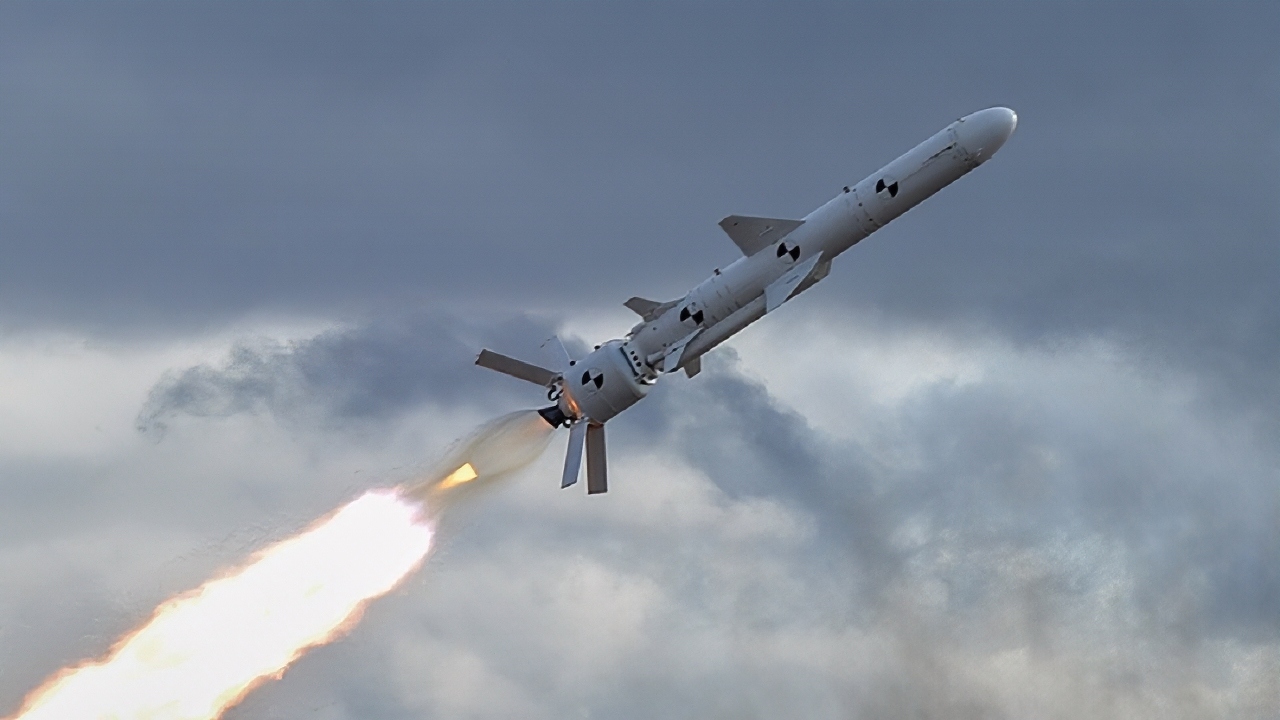
Ukrainian drones struck a major oil refinery and warehouse in central Russia on Thursday. Radiy Khabirov, head of the Bashkortostan republic, said two people had been injured in the attack.
A blaze erupted at the Gazprom Neftekhim Salavat plant in Russia’s Republic of Bashkortostan, some 1,200 kilometers (750 miles) east of the capital Moscow, Ukraine’s General Staff announced via Telegram on the morning of August 13.
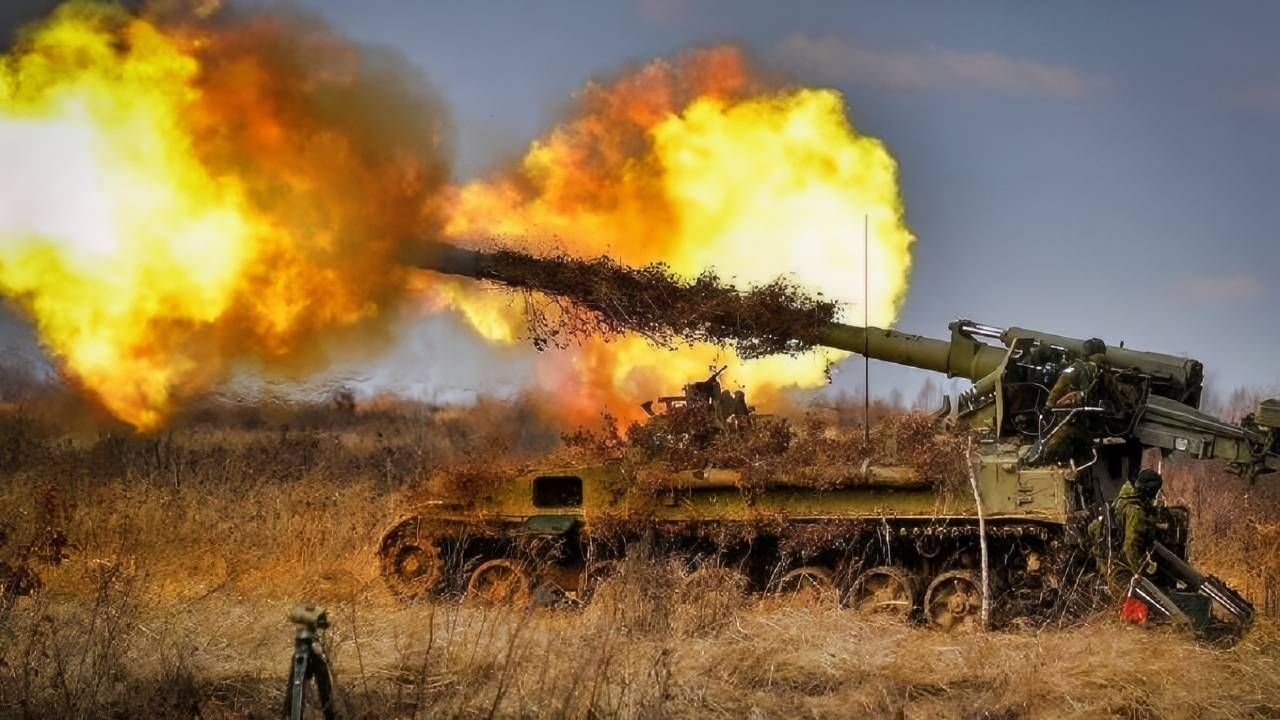
Russian Artillery Creative Commons Image
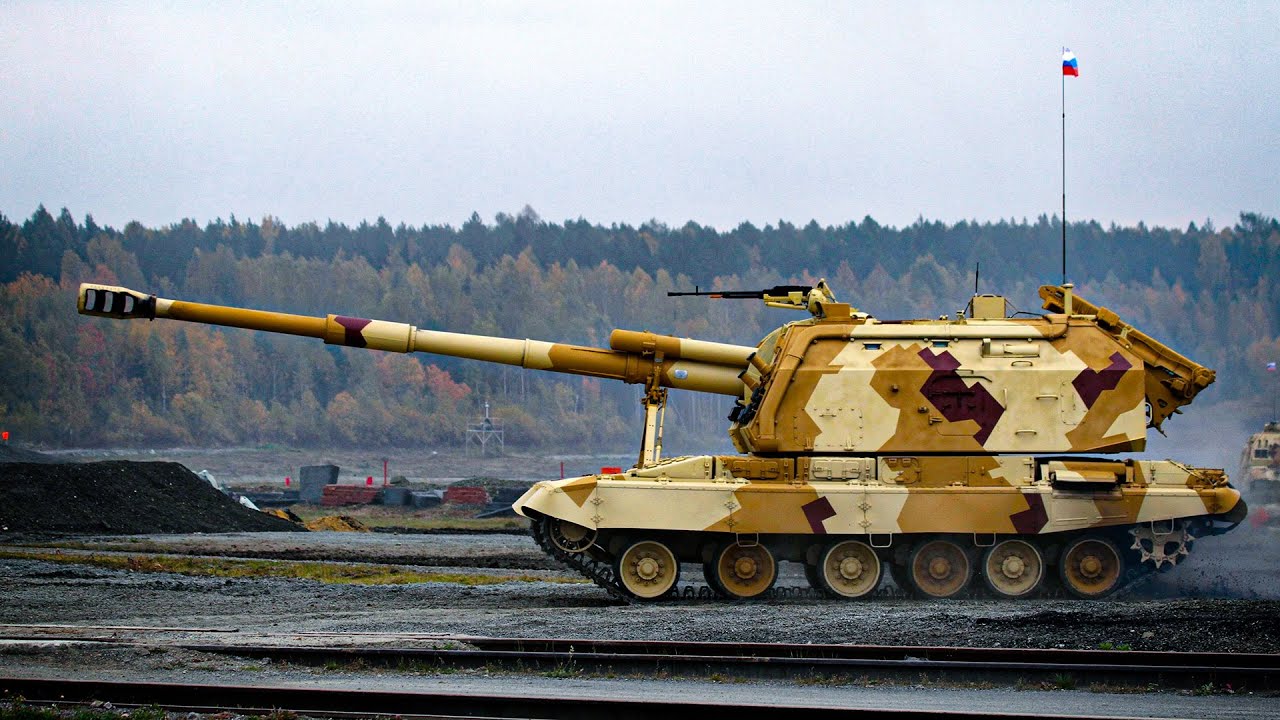
MSTA Russian Artillery Creative Commons Image
Gazprom’s Neftekhim Salavat Oil Refinery has an oil-processing capacity of 200,000 barrels a day.
Ukraine last hit the site on July 14, forcing it to suspend operations.
“There were 21 drones in total, 16 of which were shot down in Salavat. The rest targeted a logistics center in the Chishminsky district. Firefighters are currently extinguishing a fire there, including our Ka-32 fire and rescue helicopter,” he detailed.
‘Russian Amazon’ Hub Hit
A logistics hub belonging to the Wildberries firm, dubbed “Russia’s Amazon” in Bashkortostan’s Chishminsky District, was also hit. The company is accused of aiding Russia’s invasion of Ukraine by supplying sanctioned components that can be used in drones, an allegation it denies.
The approximately 186,800-square-meter logistics center is currently being built, although parts are already in use. Wildberries confirmed that the fire had taken place on its premises, but said no goods had been on the site at the time.
A further drone attack reportedly took place to the south of Bashkortostan, in Orsk, a city in Russia’s Orenburg Region.
Governor Yevgeny Solntsev said on Telegram that “air defenses are operational. Furthermore, the city’s Leninsky and Oktyabrsky districts have been reinforced with mobile fire teams. Heavy machine guns are in use.”
Fuel Shortages Deepen
The news comes just a few short days after an August 11 drone attack damaged the Orsknefteorgsintez oil refinery, prompting the introduction of limits on gasoline sales in the region.
Solntsev has said the strike took out key infrastructure elements that cannot yet be fixed. “The equipment is imported, and given the sanctions, repairs will take up to six months. The refinery has been completely shut down. We are preparing for the worst-case scenario,” he explained.
The Moscow Times reports that: “Under the new restrictions, drivers with license plates ending in even numbers are limited to fuel purchases on even days, while those with license plates ending in odd numbers are limited to fuel purchases on odd days.”
For Russia, this is now a long-running problem, with Orenburg the 16th region to reportedly grapple with fuel disruptions after a brief respite at the end of July.
On Monday, Ukraine struck other key fuel infrastructure in Nizhnekamsk, Tatarstan, as well as a petrochemical plant in western Siberia.
Lukoil’s Volgograd facility, which processes some 15 million metric tons of crude oil annually, also came under fire this month.
It comes after Ukraine’s recent move away from targeting Russia-linked tankers and intensification of strikes on critical sites well into Russian territory.
Sevastopol Goes Dark
A drone attack was also reported by Rostov Oblast authorities, who said one woman had been hospitalized with injuries.
Rostov Governor Yury Slyusar said some 90 unmanned aerial vehicles (UAVs) were destroyed over the region in eight districts: Millerovsky, Azovsky, Belokalitvinsky, Kamensky, Krasnosulinsky, Myasnikovsky, Tarasovsky, and Chertkovsky.
Sevastopol, Russia’s strategic naval base in occupied Crimea, went dark due to a disruption in its electricity supply.
Russian authorities there officially announced wide-scale power outages in the wake of the drone barrage.
“A special regime has been introduced at the facilities; specialists are assessing the extent of the damage and doing everything possible to restore power,” said Russian-appointed governor Mikhail Razvozhaev.
Russia Says it Shot Down 360+ Ukrainian Drones Deep Inside its Borders
The Russian Ministry of Defense said that some 362 Ukrainian drones were intercepted overnight in the Belgorod, Bryansk, Voronezh, Kaluga, Kursk, Orenburg, Oryol, Penza, Rostov, Ryazan, Samara, Tula, Ulyanovsk, Moscow, Bashkortostan, Tatarstan, and Krasnodar Krai regions, as well as over annexed Crimea and the Azov and Black Seas, respectively.
Ukraine also carried out a significant attack on Russia’s Black Sea stronghold at Novorossiysk this week, hitting port infrastructure and disrupting its grain terminals.
The port is where most of Russia’s naval power in the region is based after being forced to pivot away from Sevastopol due to successive Ukrainian drone attacks.
Russia also continues to pummel Ukrainian cities and infrastructure with nearly-nightly drone and missile attacks.
About the Author: Georgia Gilholy
Georgia Gilholy is a journalist based in the United Kingdom who has been published in Newsweek, The Times of Israel, and the Spectator. Gilholy writes about international politics, culture, and education.


