

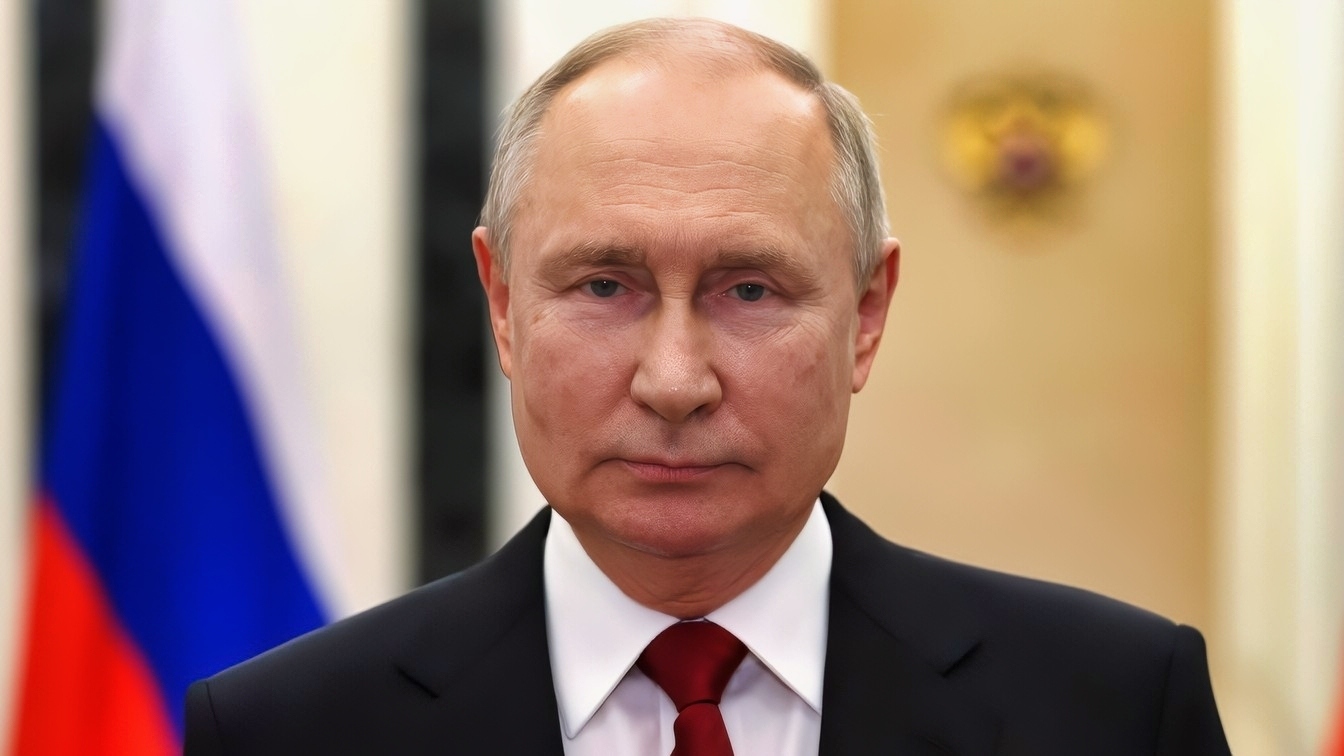
Moscow Gas Stations Forced to Ration – Russia’s fuel crisis is worsening, and now it is hitting consumers at the pump in the capital.
This week, major gas station chains in Moscow reimposed purchase limits as Ukrainian strikes continue to disrupt the country’s refining industry.
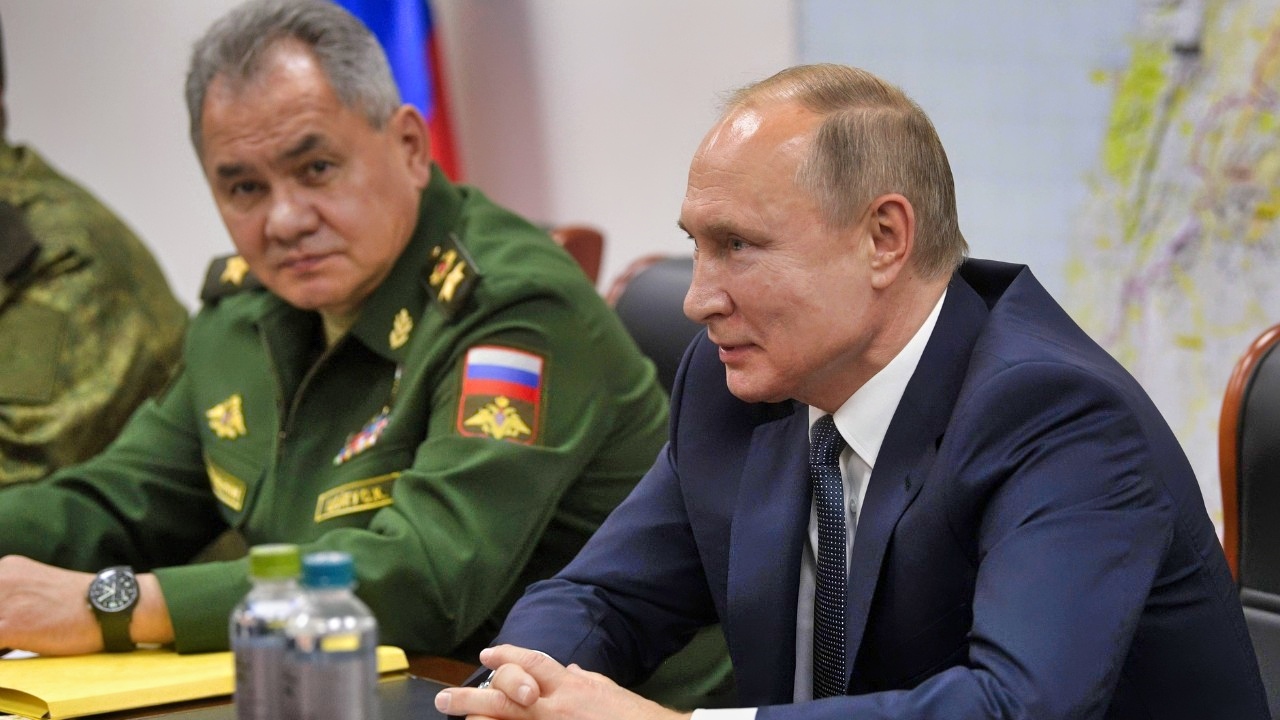
Vladimir Putin in Syria. Image Credit: Creative Commons.

Putin in Briefing. Image Credit: Russian Government.
50 Million Russians Affected
Ukraine’s growing drone production capabilities are plunging Russia into more chaos than its 2025 attacks did.
In July, the Financial Times estimated that the fuel crisis was already directly affecting about 50 million people – roughly 35% of the Russian population.
Witnesses reported long lines at filling stations in Moscow and the surrounding region on Wednesday. Gazprom Neft has capped gasoline and diesel purchases at its automated Moscow stations at 40 liters per customer. At its other stations, gasoline is limited to 60 liters per vehicle, although diesel remains unrestricted.
Rosneft meanwhile has limited purchases to 30 liters per vehicle. Tatneft is enforcing a strict 50-liter gasoline cap. Lukoil has rolled out its own restrictions in the Moscow region due to “elevated demand, unscheduled refinery maintenance.”
Moscow’s return to fuel rationing comes after a period of relaxed rules following a previous improvement in supplies.
Writing for the Jamestown Foundation think tank, Mamie Powers said that Russian officials “are beginning discussions with other countries, including India, about importing oil and claim that the fuel shortages at gas stations are due to Ukrainian strikes, which have led to excessive demand and caused logistical problems.”
Russian Media Admits Sharpening Fuel Squeeze
Data cited by Russian newspaper Izvestia suggests the squeeze has intensified sharply over the past week.
According to GdeBENZ, a crowdsourced service on which motorists report fuel availability, lines, and restrictions, gasoline or diesel was available at just 28.1% of Russian filling stations tracked by the service on Aug. 16, down from 41% a week earlier.
Izvestia checked 21 filling stations in Moscow and the surrounding region on Aug. 17. AI-92 gasoline was available at seven, AI-95 at six, and AI-98 at five. A source who recently drove out of northeastern Moscow told The Insider that he “did not come across a single gas station with gasoline available.”
The shortage has also brought back rationing measures outside Moscow. From Aug. 10 to Aug. 15, at least six Russian regions reinstated or tightened restrictions. “Odd-even” systems have been introduced in several regions, meaning motorists are only allowed to refuel their vehicles on alternating days, depending on whether their license plate number is odd or even.
Putin State Media Photo
Last month, Deputy Prime Minister Alexander Novak publicly assured Russians that the country’s fuel balance was “stabilizing.”
This was obviously an overly ambitious claim, as Ukraine’s ongoing campaign against Russian refineries exacerbated Russia’s fuel shortages.
A Ukrainian drone strike on the Orsk refinery earlier this month forced the site to suspend operations totally, with authorities claiming repairs could take up to half a year to complete.
Throughout this year, some 16 Russian refineries have halted processing to some degree, following Ukrainian attacks.
On July 10, Reuters revealed that Russian gasoline production was only fulfilling around 65% of seasonal fuel demand.
Russian Exports Also Under Threat
There was previously concern that Ukrainian strikes on refineries could ramp up Russian exports and further fortify Moscow’s war chest.
However, the pressure of Ukraine’s counterstrikes is now damaging numerous elements of the supply chain from refineries to export facilities and shipping.
Just last week, Ukraine set Ust-Luga, Russia’s most important port for oil and petroleum exports via the Baltic Sea, ablaze.
Still, Russia’s seaborne exports are close to their 2026 average and remain above the annual averages recorded in every year since the invasion began.
But Ukraine is increasingly hitting the infrastructure used to move that crude abroad. Reuters reported Wednesday that exports from Russia’s western ports fell to around 2.3 million barrels per day in the first half of August, 15% below Moscow’s initial loading plan, largely because of the disruption at Novorossiysk.
Russian attacks on Ukraine’s shipping and port infrastructure are also making it much more difficult and pricier for Kyiv to export its own goods.
The Belarus Factor
Belarusian fuel has previously provided Russia with some respite amid fuel supply issues, but scheduled maintenance meant supplies from Minsk began to decline earlier this month.
“The decline in fuel shipments from Belarus in August may be partly offset by seaborne supplies from India,” Russian business outlet Kommersant said. “But that fuel will most likely go to gas stations operated by vertically integrated oil companies, bypassing the exchange market.”
Russia also imports significant amounts of gas from India, Kazakhstan, and Morocco.
About the Author: Georgia Gilholy
Georgia Gilholy is a journalist based in the United Kingdom who has been published in Newsweek, The Times of Israel, and the Spectator. Gilholy writes about international politics, culture, and education.


