

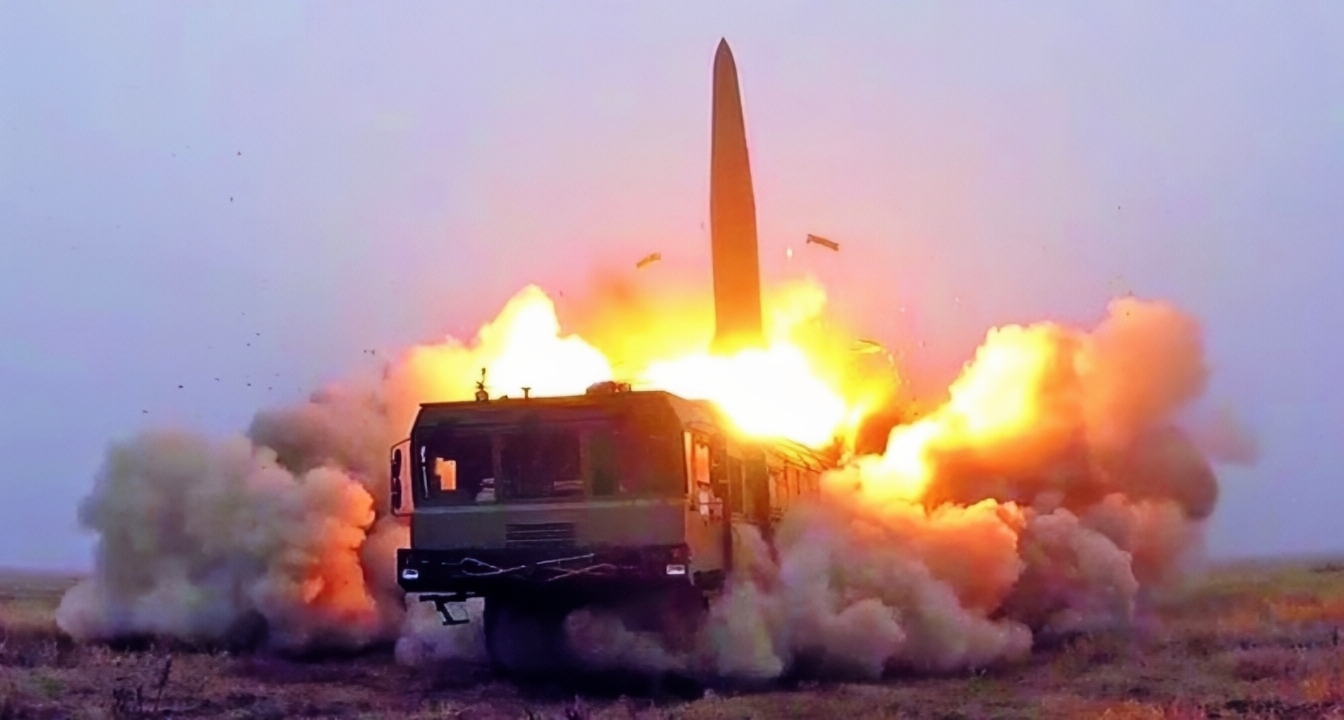
Ukraine’s recent strategy of striking Russia’s oil infrastructure seems to have succeeded in creating an oil crisis in Russia.
As Euronews reported, on one day last week, fuel was available at fewer than three in ten of Russia’s petrol stations, forcing Russia to impose fueling restrictions and even bring back low-grade fuel that had previously been banned.
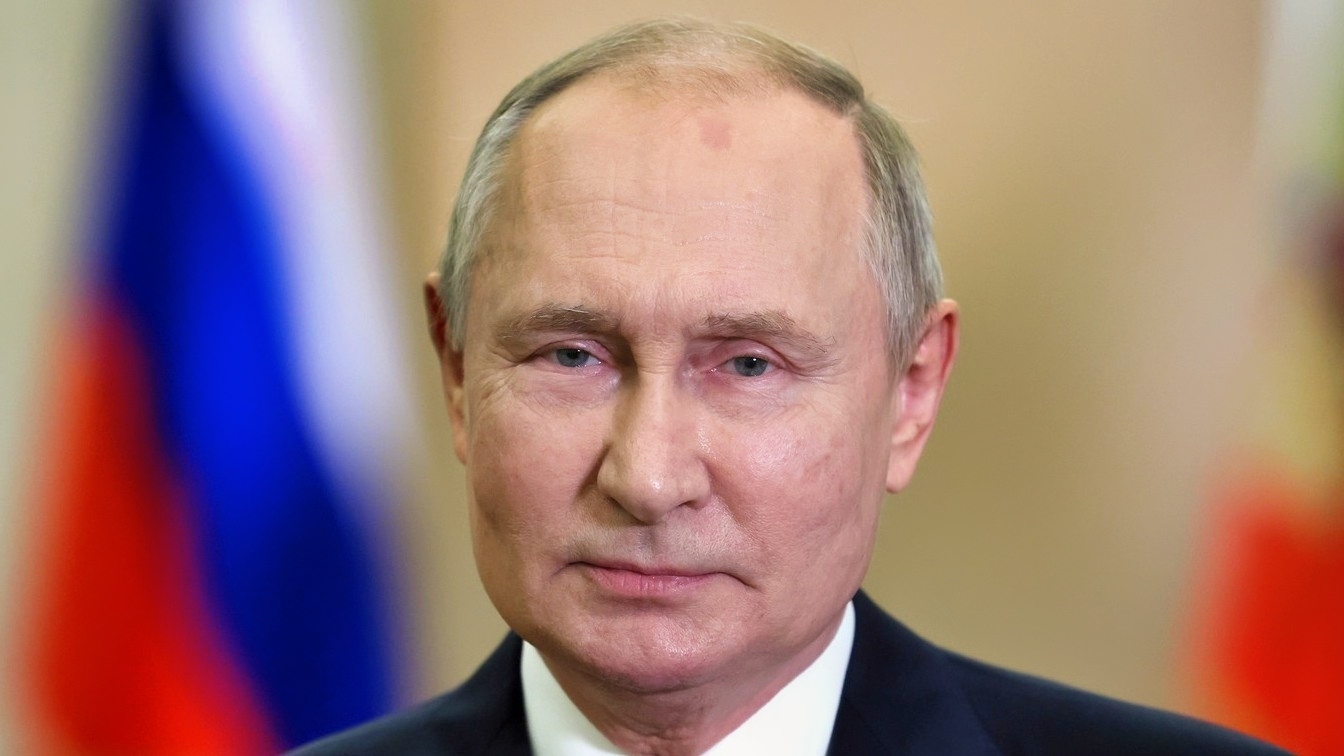
Putin Back in 2023 Creative Common Image
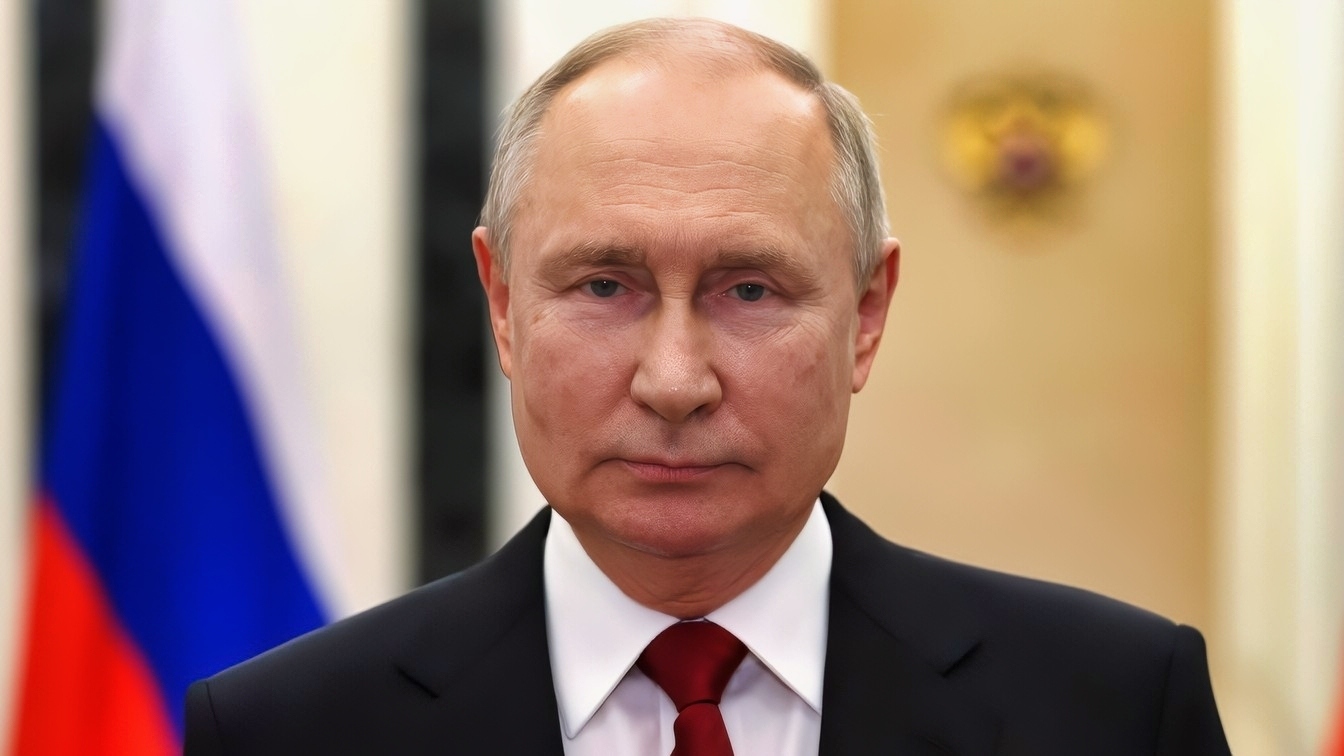
Putin on June 24 2023 Russian Federation Photo
Russian President Vladimir Putin admitted last week to a shortage but denied it was “critical.”
“There are no critical consequences from such attacks, there have been none, and there cannot be any. But they do, of course, cause us damage; that is obvious, we understand it, we see it, and we know it,” the Russian president said, per Euronews.
Meanwhile, Al Jazeera reported Monday that frequent lines for fuel at stations throughout Russia have led to “occasional shouting and fist fights.” Ripple effects have also been felt in neighboring Central Asian countries, such as Kazakhstan, Kyrgyzstan, and Tajikistan, which depend on Russia’s oil.
The Carnegie Endowment’s Russia Eurasia Center, in early August, had noted that Russia was “exporting” its fuel crisis to Central Asia. In the weeks since, that crisis has only gotten worse.
“While those countries have their own oil production and refining capacity, for decades it has been both easier and cheaper for them to purchase processed fuel from Russia,” Carnegie’s Galiya Ibragimova wrote.
“Now that the old model is no longer working, the clock is ticking to solve the problem before a full-scale fuel shortage occurs.”
Most recently, per Bloomberg News, Ukraine’s drones struck Rosneft PJSC’s Novokuybyshevsk oil refinery in Russia’s Samara region, far beyond Ukraine’s borders.
Ukraine had also struck a logistics center in the same region. The day before, Ukraine had hit Russia’s Perm oil refinery, also about 1,500 kilometers away from Ukraine’s borders, the Kyiv Independent reported.
“We continue to use our long-range sanctions to return the consequences of the war to where it came from,” Ukrainian President Volodymyr Zelensky said on Telegram.
A Growing Crisis
Could the ongoing fuel crisis lead Russia to sue for peace with Ukraine?
An analysis published Monday on DW.com examined the question.
The analysis noted that this shortage, unlike the previous one between May and July, has affected the Moscow region.
Some dissident and exiled Russian journalists and economists told DW.com that Russia’s fuel situation is dire.
“You can’t say there isn’t any fuel. But it’s obvious there’s a crisis,” Oleg Grigorenko, editor-in-chief of the Russian media outlet 7×7, told DW. “It’s not just a personal problem if you leave the city and don’t know whether you can get back again, for example. It’s also an economic problem,” he added.
And the fuel shortages aren’t just affecting ordinary Russians driving their cars- it has affected taxi drivers and other commercial businesses as well.
The tourism business has also been hard hit, beyond concerns about drones striking destinations like Crimea and Sochi.
Igor Ananskikh, first deputy chairman of the energy committee in the Russian parliament, said on television this week that the situation will stabilize within weeks.
“The car won’t start and has to go to the garage.
The same people are telling me garages have waitlists of several months, even in Moscow,” Korzhenevsky said, per DW.com.
“And then you have to wait again for months for replacement parts. Obviously, some vehicles can’t handle the gasoline that’s being put in their tanks.”
Another dissident Russian economist, Igor Lipsits, compared the current crisis to the conditions around the fall of the Soviet Union.
“There were special supply systems for the elite, their own shops and warehouses where they could buy everything they wanted without much difficulty, without waiting in line, and at relatively low prices,” Lipsits said. “That made Russians very angry.”
Is This How the War Ends?
The big question, however, is whether this all leads to Russia agreeing to end the war.
Vyacheslav Shiryaev, a journalist living abroad, told DW.com that if the West “supported Ukraine in doubling or tripling the intensity of its attacks,” the war could end within weeks, and that the oil attacks could also undermine Putin’s rule itself.
“If Ukraine destroys the whole oil refining infrastructure, Putin will find that, when he gives an order, it isn’t implemented,” Shiryaev told the outlet.
About the Author: Stephen Silver
Stephen Silver is an award-winning journalist, essayist, and film critic, and contributor to the Philadelphia Inquirer, the Jewish Telegraphic Agency, Broad Street Review, and Splice Today. The co-founder of the Philadelphia Film Critics Circle, Stephen lives in suburban Philadelphia with his wife and two sons. For over a decade, Stephen has authored thousands of articles that focus on politics, national security, technology, and the economy. Follow him on X (formerly Twitter) at @StephenSilver, and subscribe to his Substack newsletter.


