

As Ukraine celebrates its 35th year since being restored to independent status, leaders and representatives of the Coalition of the Willing met in person and via video conference in the capital, Kyiv.
UK Prime Minister Andy Burnham, French President Emmanuel Macron, and German Chancellor Friedrich Merz chaired the meeting alongside Ukrainian President Volodymyr Zelenskiy.
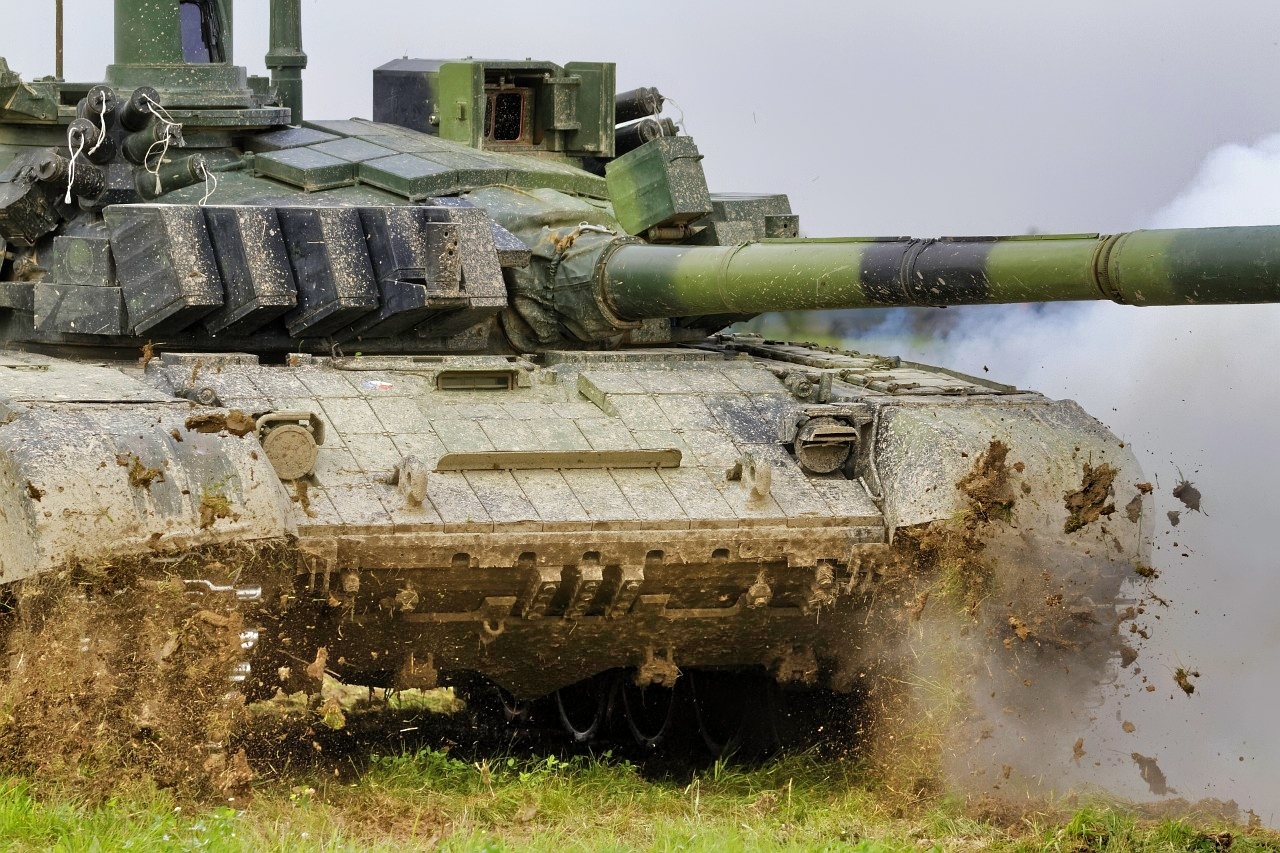
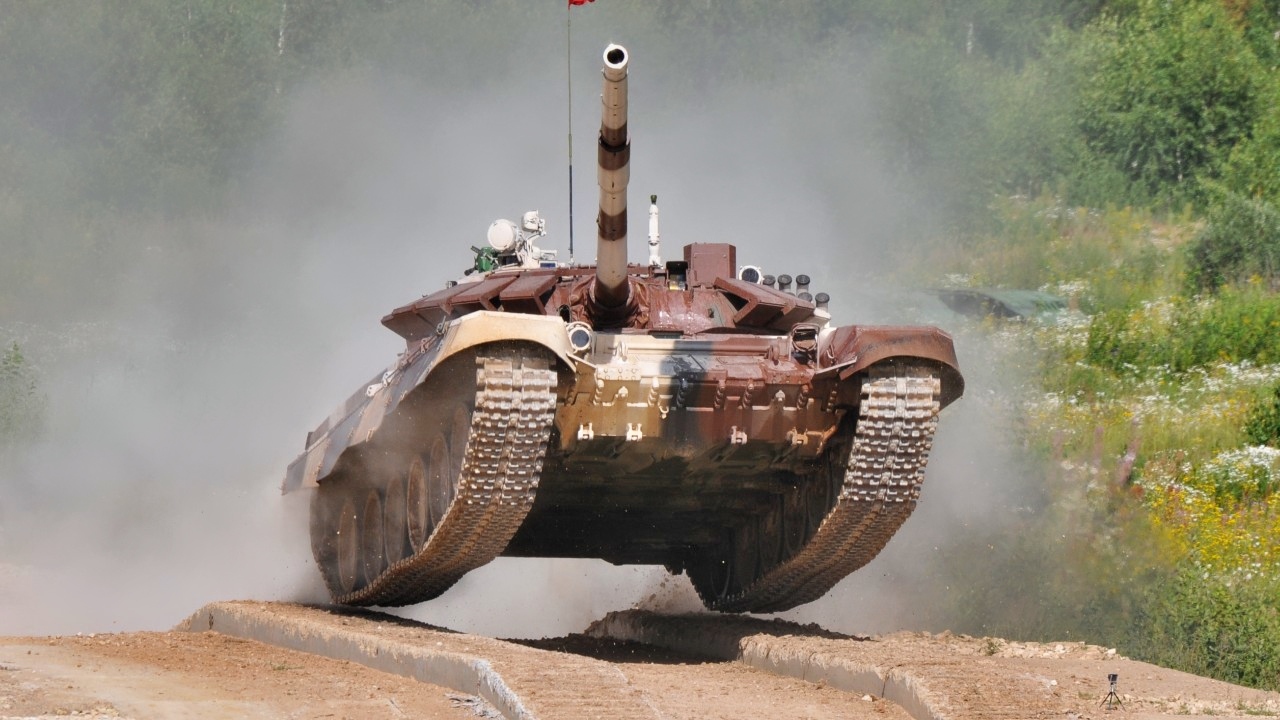
T-72 Tank. Image Credit: Creative Commons.
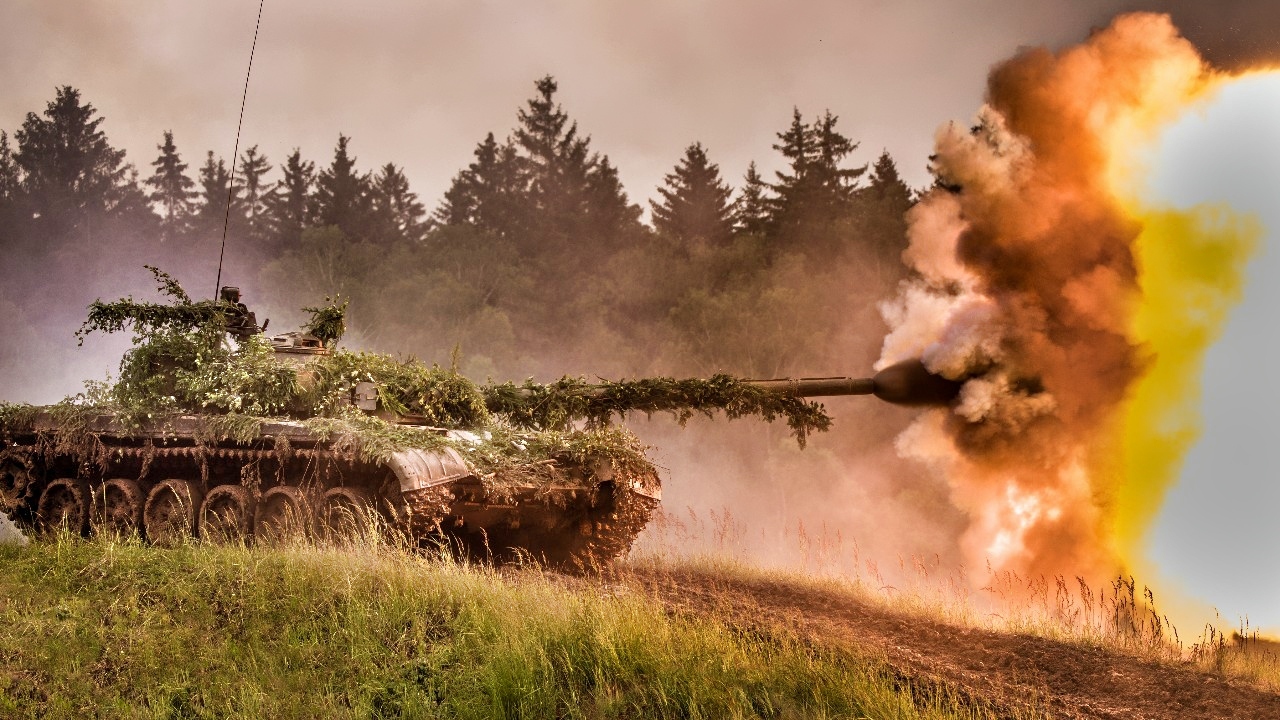
T-72 Like Those Fighting in Ukraine.
The gathering also took place one day after Ukraine had commemorated the 23 August National Flag Day.
Leaders of Nordic and Baltic nations met with Zelenskiy in Kyiv to reiterate their support for Ukraine in its existential war against Russia.
Monday’s meeting touched on several critical issues Ukraine is facing in the coming months.
One was that Russia has begun its by-now annual campaign of missile and drone strikes on Ukraine’s energy infrastructure.
Moscow’s goal is to leave city residents without electricity and heat during the subzero winter months.
The assembled leaders reportedly agreed on the urgency of providing immediate assistance for Ukraine’s energy sector through the Ukraine Energy Support Fund.
They also emphasized the need to maintain the sanctions regime against Russia and curtail actions of the Shadow Fleet’s actions.
They also committed to strengthening sanctions on Russia’s defense industrial complex and on nations providing Moscow with the production inputs those enterprises require.
Military Measures
On the military front, the Coalition committed to continuing to prepare a post-war Multinational Force. This would be a “reassurance” formation to deploy into Ukraine “once a credible cessation of hostilities was in place, as part of a wider set of robust politically and legally binding security guarantees.”
The centerpiece of discussions on defense industrial and military affairs was a reaffirmation of increasing support in the form of weapon systems and munitions for Ukraine. Specific emphasis was placed on developing means to enhance Kyiv’s air defense capacity and making it a matter of the highest priority.
In addition to providing hardware, including air defense batteries and the interceptor missiles they fire to intercept Russia’s ballistic missiles, the leaders also emphasized the need to increase cooperation with the defense industrial sector.
This will involve the sharing of design and production technologies, including working in conjunction with the Anti-Ballistic Missile Coalition.
The Ukrainian president also called for Coalition of the Willing summits to be held “without breaks.
At such a time, a time of challenges, there should not be long breaks between Coalition of the Willing meetings, and we strongly requested a meeting in September,” Zelensky said.
Kyiv is now expected to continue lobbying other allied nations that are Patriot system customers to provide it with additional interceptor missiles.
Russia has been maintaining a steady tempo of missile and drone attacks, with the lack of any interceptors that could take down Moscow’s ballistic missiles now driving record numbers of the capital city’s residents to seek cover in metro stations and basement air raid shelters.
Future Alliance Plans
Swedish Foreign Minister Maria Malmer Stenergard also raised the importance of Ukraine’s future integration with Europe and NATO.
“We really need Ukraine on our side,” she said. “Because Ukraine is not only providing security for themselves, but also for the whole of Europe.
EU membership is the best security guarantee there is, but so is NATO membership—it would mean security for the rest of NATO and a significant deterrent of Russia.
Sweden will continue to make sure that all of this happens.”
In addition, Ukraine’s partners announced several important defense initiatives. These include preparing Sweden’s JAS-39 Gripen fighter jets for the transfer of SCALP missile technology to Ukraine, as well as new agreements on joint drone production.
The Gripen will be a welcome addition to the Ukraine Air Force (PSU).
Its operational concept of being capable of dispersing from regular, fixed airbases and conducting combat missions from highway airstrips is an almost complete copy of how the PSU operates its own Russian-made Mikoyan MiG-29 and Sukhoi Su-24, Su-25 and Su-27 aircraft.
The Gripen, as Saab spokesmen point out, also has the advantage of being able of fire almost any US- or European-made air-launched weapons.
About the Author: Reuben F. Johnson
Reuben F. Johnson has thirty-six years of experience analyzing and reporting on foreign weapons systems, defense technologies, and international arms export policy. Johnson is the Director of Research at the Casimir Pulaski Foundation. He is also a survivor of the Russian invasion of Ukraine in February 2022. He worked for years in the American defense industry as a foreign technology analyst and later as a consultant for the U.S. Department of Defense, the Departments of the Navy and Air Force, and the governments of the United Kingdom and Australia. In 2022-2023, he won two awards in a row for his defense reporting. He holds a bachelor’s degree from DePauw University and a master’s degree from Miami University in Ohio, with a specialization in Soviet and Russian studies. He lives in Warsaw.


