

Russia Strikes Kyiv for Sixth Day in a Row as NATO Spillover Concerns Grow – Russia has struck Kyiv for the sixth consecutive day, killing a dozen people.
Moscow has bombarded Ukraine’s capital over the past week, with more than 2,000 drones fired westwards.
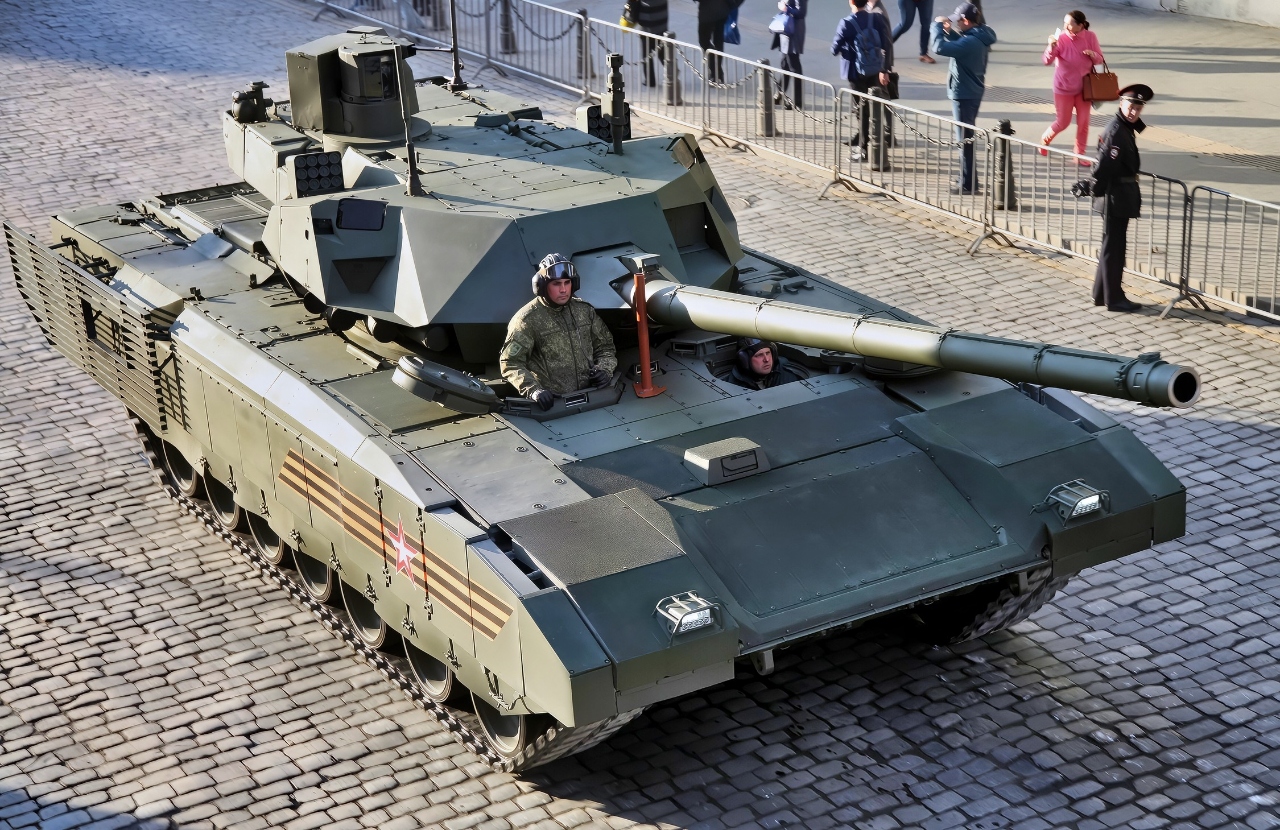
T-14 Armata Tank Russia. Image Credit: Creative Commons.
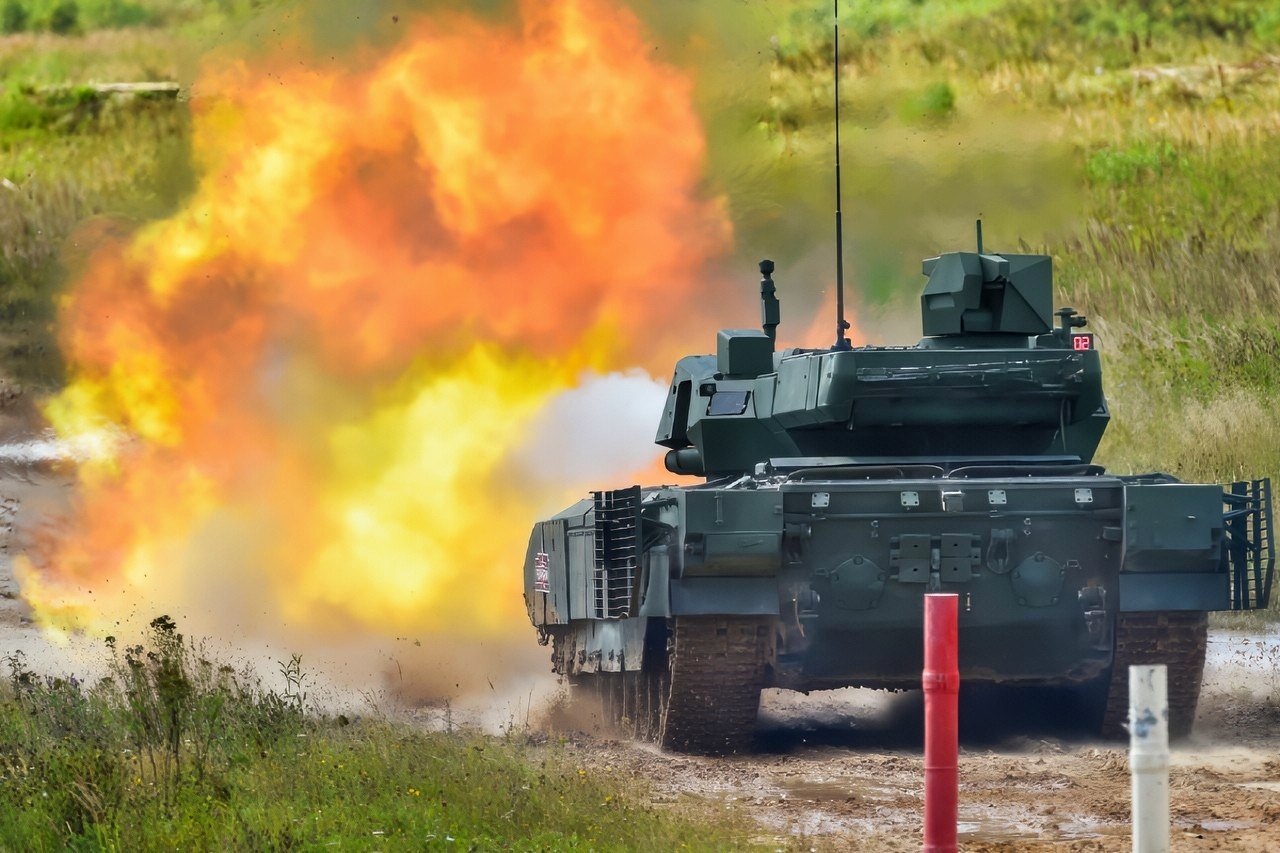
T-14 Armata Tank Russian Army. Image Credit: Creative Commons.
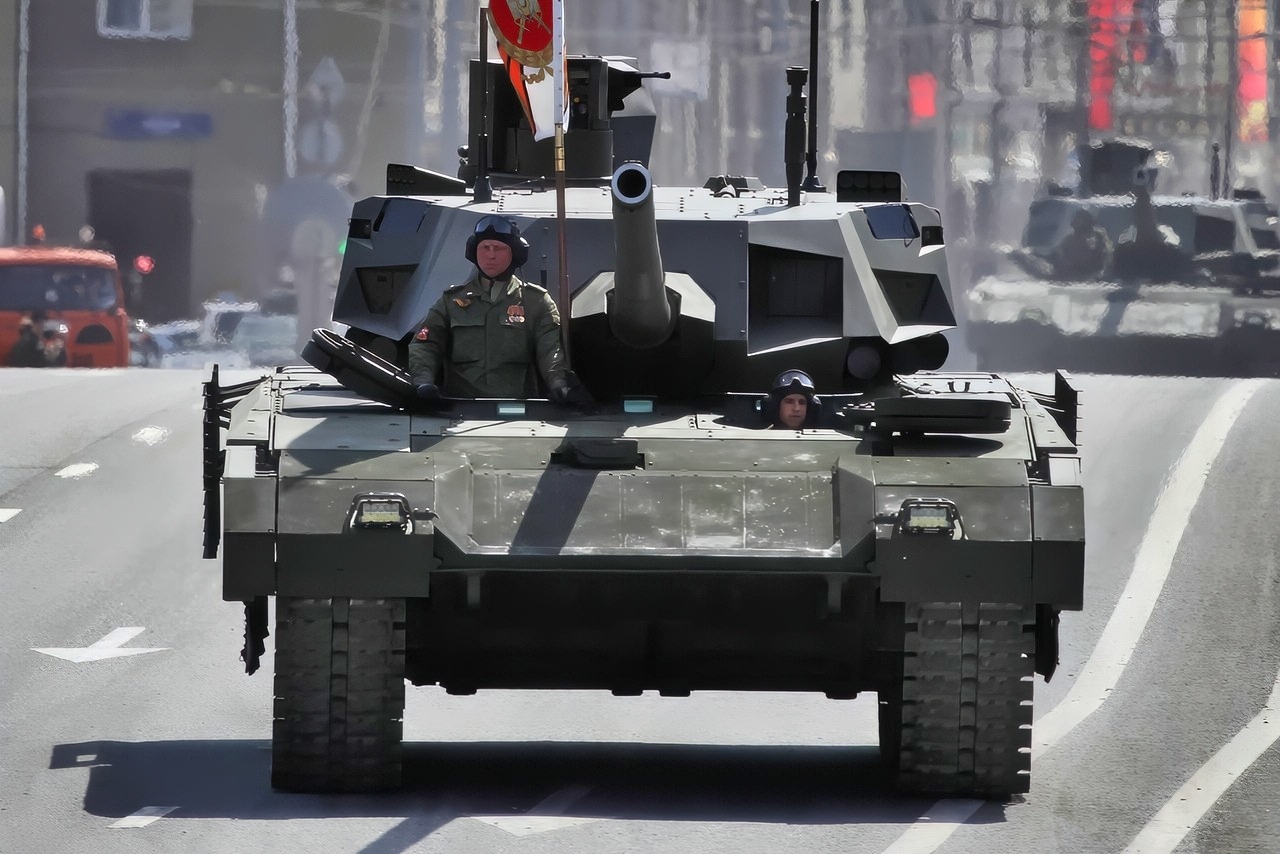
T-14 Armata Tank from Russia. Image Credit: Creative Commons.
The attacks form part of an ongoing campaign by Russia to strike the heart of Ukraine in the four-and-a-half-year war.
A Dozen Killed, More Injured
Eight people were killed in the country’s capital in the strikes on Monday, 31st August. Five more, including three children, were also wounded, with fires breaking out across Kyiv.
On the outskirts of Kyiv in Boryspil, four more were killed and a further 13 injured following an attack which struck a residential building.
On Monday, air raid alerts covered much of Ukraine, including 12 in the country’s capital. Each alert in Kyiv ranged from as short as five minutes up to almost three hours, forming part of a new strategy by Moscow to ensure Ukrainian life is persistently interrupted by air raid alerts.
Moscow’s New Method
Previously, Russia would attack Ukraine overnight, forcing millions out of bed to seek shelter. A singular, large-scale aerial assault could last for hours at a time, with civilians forced into underground bunkers or metro stations.
Russia’s new strategy, however, is to attack more frequently with less intensity, prolonging the time Ukrainians have spent under air raid alert. The previous 24-hour record for the number of individual air raid alerts in Kyiv, set in the first week of the war, has been surpassed in the past week, with daily figures reaching similar levels.
Ukrainian President Volodymyr Zelensky said on Sunday, 30th August: “These days, there have also been many air raid alerts in Kyiv and other regions because of Russian jet-powered drones. Unfortunately, some of them have struck ordinary residential buildings and civilian infrastructure.”
Russian jet-powered drones continue to test Ukrainian air defense systems. While the country is developing new interceptors to tackle jet-powered drones, which are three times as fast as traditional propeller-driven drones, Zelensky has repeatedly called for Western equipment amid a worldwide shortage of Patriot missile systems.
NATO-Russia War Fears Mount?
Russia has continued attacks across the rest of Ukraine, targeting energy infrastructure and logistics facilities across the country. In addition to attacks on military targets, hampering Ukraine’s war effort and supply lines, Moscow has sought to reduce Ukrainian morale through strikes that disrupt day-to-day lives.
It’s not just central Ukraine or the frontline that has been subject to military action. Russia has increased its attacks on border regions, with an aerial assault at Orlivka on the Danube River close to the border with Romania – a European Union and NATO member – on Tuesday.
Concerns are growing among NATO members about a possible spillover into the alliance’s territory.
Last week, five drones were reported to have entered Moldovan airspace. The country’s defense ministry said: “The unauthorized flights over our country’s airspace occurred as a result of the Russian Federation’s aerial attacks on Ukraine. The national authorities, together with partners, continue to monitor the airspace to ensure the safety of the population.”
On Tuesday, Germany confirmed that Russia was responsible for a drone incident at Leipzig’s airport in early August. Three drones were found by the airport over a period of ten days, reportedly targeting Ukrainian cargo planes.
Interior Minister Alexander Dobrindt said the incident followed a “well-established pattern of Russian hybrid operations in Europe”. German Foreign Minister Johann Wadephul, who stood alongside Dobrindt at a press conference, announced the closure of the Russian consulate in Bonn and the termination of the contract for the Russian House in Berlin. Russia denies any involvement.
Ukraine Attacks Back
Although its air defense system remains under strain, Ukraine has sought to bring the war closer to home for everyday Russians through drone attacks of its own.
In the early hours of Tuesday morning, a drone attack caused a fire in the port of Ust-Liga in Russia’s northwest, while civilian facilities, according to the regional governor, were damaged in the Samara region some 500 miles southeast of Moscow.
Samara is home to some of Russia’s largest oil refineries – mirroring recent attacks by Ukraine on Russian energy infrastructure. Escalating in 2026, Ukraine has attacked energy and logistics hubs across Russia, causing disruption to military supplies and inflicting damage on Russia’s economy. A small number of nations continue to trade with Russia in exchange for cheap oil and gas, indirectly supporting the Russian war effort.
About the Author: Shay Bottomley
Shay Bottomley is a British journalist. He has written for the Western Standard, Business Insider, Maidenhead Advertiser, Slough Express, Windsor Express, Berkshire Live and Southend Echo.