
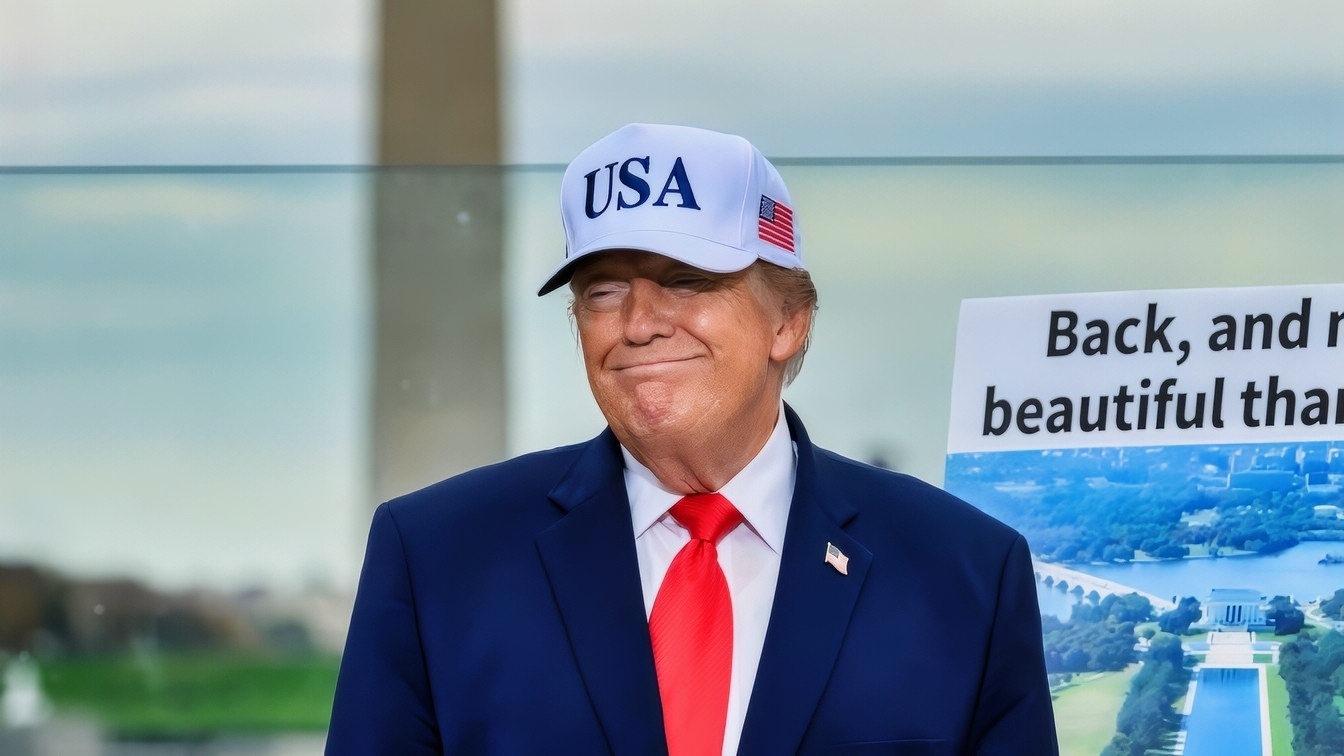
President Donald Trump acknowledged that the war with Iran contributed to Republican losses in Tuesday’s midterm elections.
“Iran was a piece of it,” he told the Wall Street Journal as results pointed toward an overwhelming victory for the Democratic Party.
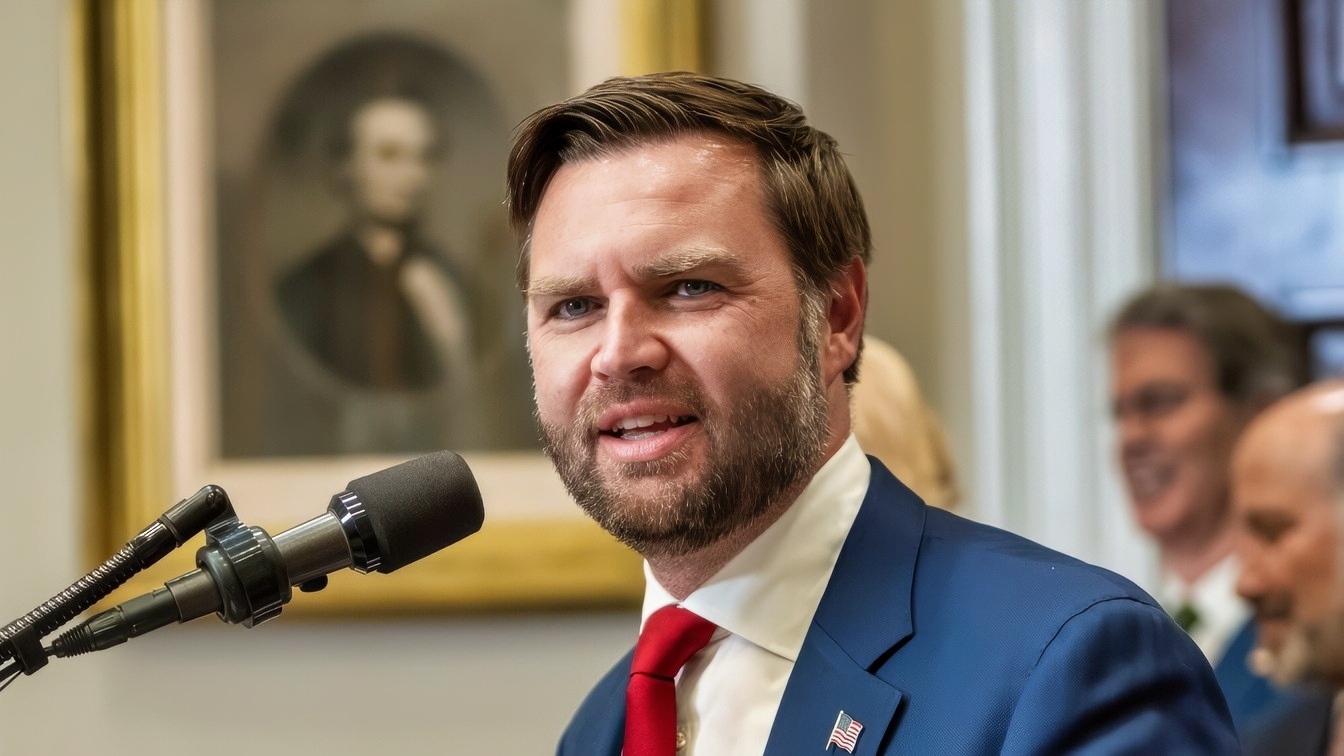
Vice President JD Vance gives remarks at a Sports Council announcement, Thursday, July 31, 2025, in the Roosevelt Room of the White House. (White House Intern Photo by Julian Casciano)
Nevertheless, he stood by his decision to go to war with Iran, adding: “I did the right thing. I would have done it again.”
Defending the Decision
Trump told the Journal that he didn’t have second thoughts about the war. “I don’t think about it,” he said to the publication.
The president also backed Defense Secretary Pete Hegseth, who has led U.S. operations in Iran from Washington. “I think he’s terrific, actually,” Trump said when pressed on personnel changes in his administration.
Trump’s admission that the conflict could have cost his party control of Congress came as the Democratic Party won control of both the House and Senate.
The conflict’s economic consequences featured prominently in Democratic campaigns across the country.
Gasoline Costs
President Trump told the Journal that oil prices, rather than the war itself, were the biggest political setback.
Since the conflict began at the end of February, oil prices have remained well above pre-war levels, subsequently impacting the cost of gasoline and diesel across the United States.
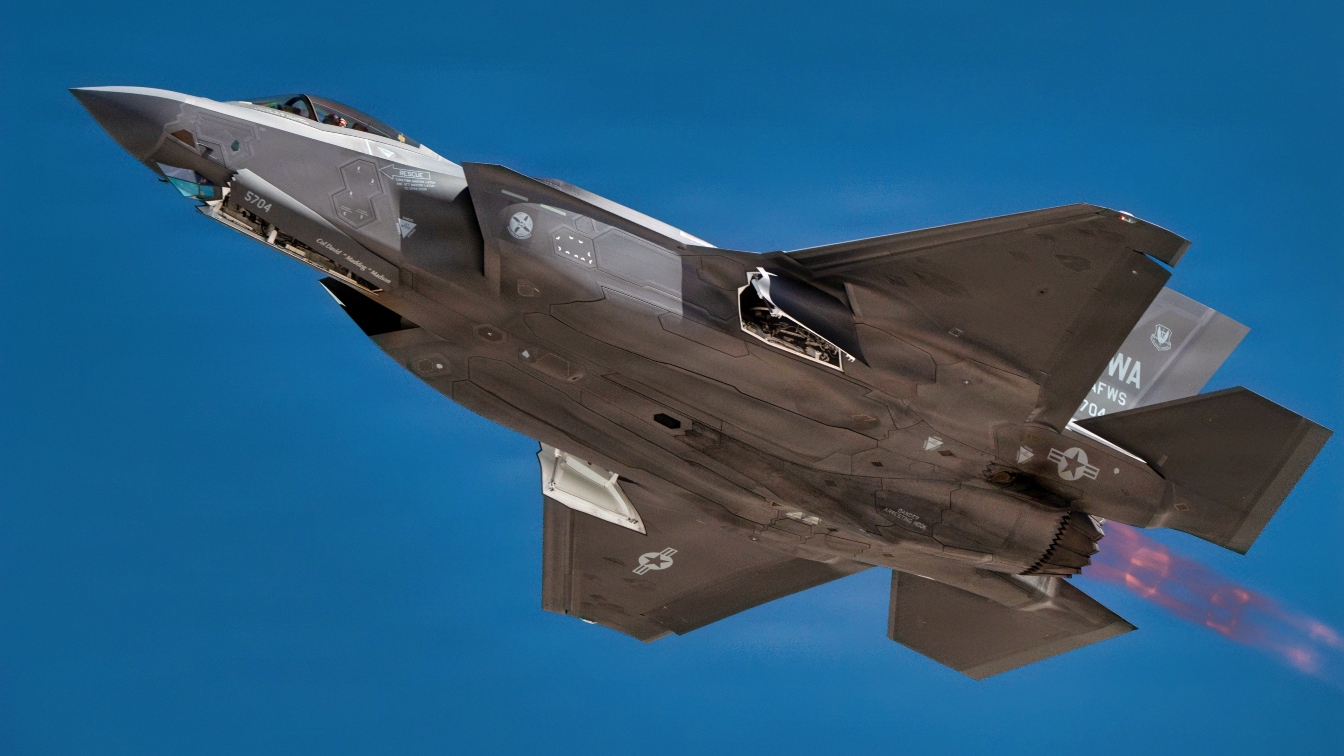
A U.S. Air Force F-22 Raptor aircraft assigned to the 433rd Weapons Squadron takes off during the U.S. Air Force Weapons School Integration at Nellis Air Force Base, Nevada, June 9, 2026. WSINT is a graduate-level training event that integrates multi-domain assets in large-force scenarios, enabling U.S. Air Force and joint service members to refine tactical expertise and employ advanced capabilities in a dynamic threat environment. (U.S. Air Force photo by Airman 1st Class Bella Swarr)
In a separate telephone interview with Fox News, Trump linked the Republican setback to the financial burden of higher gasoline prices.
“I don’t think it’s the war, I think it’s the gas prices,” Trump said on a phone call with Fox News as the results came in. “People agree with what I’m doing in Iran, but they really probably weren’t willing to do the short-term consequence of paying more for gasoline.”
He continued: “And, you know, I understand that. I don’t agree with it, and I would say to people, you know: ‘It’s a short-term problem but for a long-term gain.’”
Gasoline remains above $4 per gallon on average nationwide.
This time last year, drivers paid an average of $3.05 per gallon to fill up.
Trump’s claim of public support for the military campaign contrasts with polling conducted before the election.
An AP-NORC survey in September found that 71% of adults disapproved of his handling of Iran, while 69% believed the war had not been worth fighting.
The same survey found that 65% blamed Trump’s policies for higher-than-usual prices.
War Continues
Trump’s acknowledgment of the political repercussions of Iran did not include a change in his policy toward the war, which is now in its ninth month.
During the election campaign, Trump alternated between threatening further military action and suggesting an agreement could end the conflict.
American officials reported limited strikes on Iran’s Qeshm Island on Monday.
They described the operation as a defensive response to Iranian surface-to-air missile activity against U.S. assets, rather than a resumption of major combat operations.
Diplomatic efforts also continued.
Qatar said Tuesday that Washington and Tehran were reviewing proposals, although a senior Iranian official told Reuters the sides remained far apart.
Tehran’s conditions to reopen the Strait of Hormuz include sanctions relief and an end to the American naval blockade of Iranian ports.
Democrats Gain Leverage
While Trump, who did not challenge the election results in his interview with the Journal, said he looked forward to working with the Democrats, he maintained that he would use his veto power if required.
“I think we’ll work with the Democrats, and we’ll get along very well with them. If we don’t, we’ll be very tough on them; they’ll be very tough on us,” Trump said.
Trump’s veto allows him to block Democratic legislation that he opposes.
A congressional majority in both the Senate and the House does not automatically overcome that power.
Overriding a presidential veto requires of two-thirds vote in each chamber, with a quorum present.
Nevertheless, Trump’s final two years in office will take place in a markedly different political environment.
Once the new Congress takes office in January, Democrats will control the committees able to investigate his administration and challenge its legislative agenda.
Senate control will also allow them to block presidential nominees.
“It’s just the way the ball bounces sometimes,” Trump said of last night’s results.
About the Author: Shay Bottomley
Shay Bottomley is a British journalist. He has written for the Western Standard, Business Insider, Maidenhead Advertiser, Slough Express, Windsor Express, Berkshire Live and Southend Echo.