

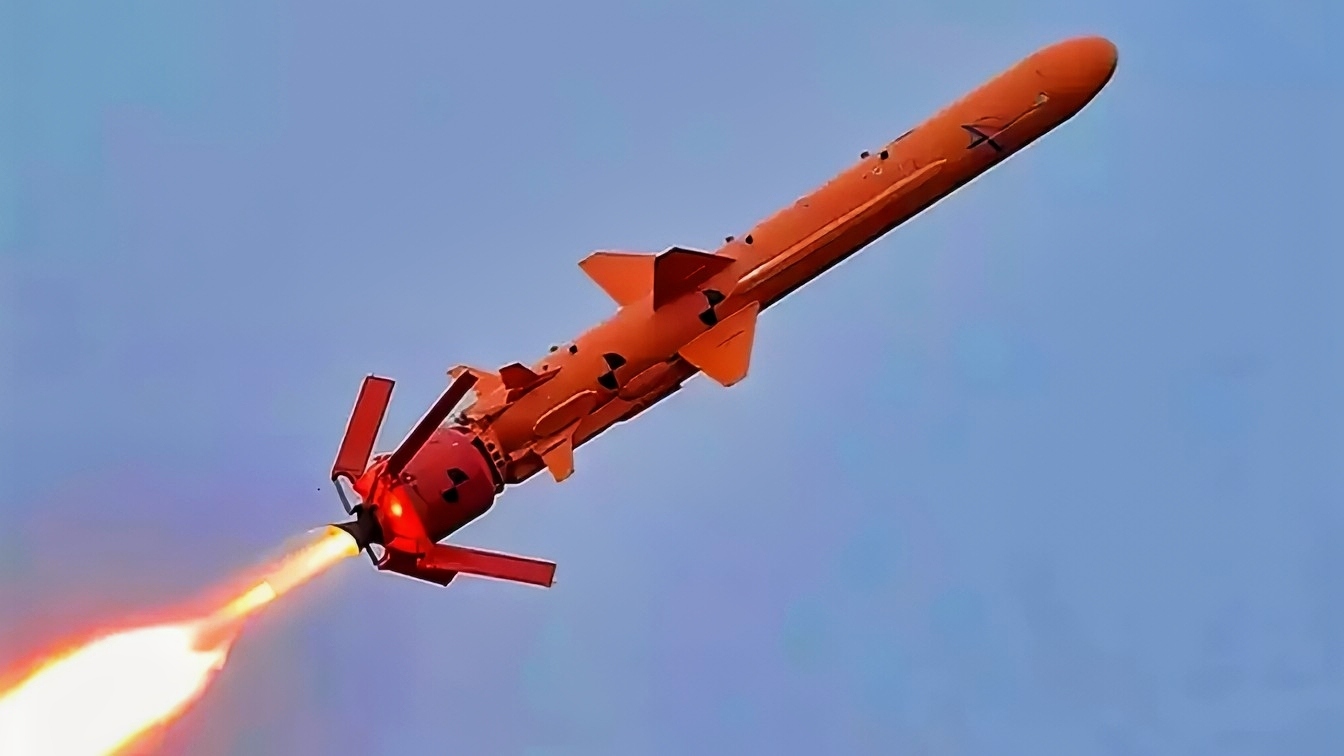
On the morning of November 23, Ukraine launched a large-scale long-range drone attack against Russia. As usual, the target of the attacks was oil infrastructure.
According to initial reports, Ukrainian drones struck the Novoshakhtinsk Oil Refinery in Rostov Oblast, the Kalyekino Pumping Station in the Republic of Tatarstan, and the Perm Oil Refinery.

Putin in 2021 Creative Commons Photo
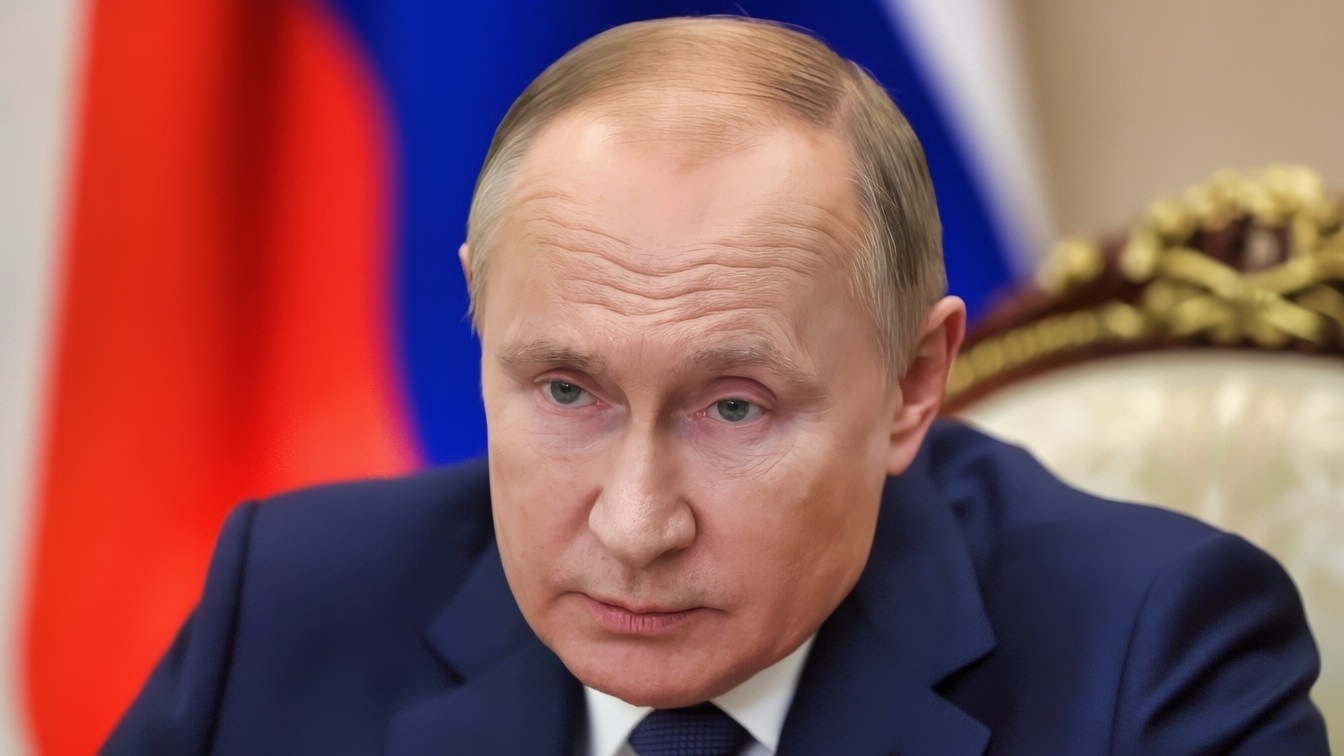
Putin Back in 2021 Creative Commons Image
The attacks occurred following numerous other Ukrainian attacks, including a strike on a Russian cargo ship in the Gulf of Finland, an attack on Russia’s Baltic Sea Fleet in Kaliningrad, and an attack on a Russian corvette and cargo ship in Benghazi.
The attacks also occurred shortly after the trilateral meeting between Donald Trump, Vladimir Putin, and Xi Jinping in China.
Another Attack on Russian Refineries
According to Dmitry Makhonin, Governor of Russia’s Perm Krai, air defenses in the region intercepted 56 Ukrainian UAVs throughout the night.
However, the governor acknowledged that “an industrial zone” had been hit during the attack and that local emergency response teams were working at the scene.
One person was reportedly killed in the strike.
Monitoring channels confirmed that the attack had targeted the Perm Oil Refinery, Lukoil-Permnefteorgsintez.
The facility is one of the most technologically complex facilities in Russia. It processes more than 13 million tons of crude oil every year and produces gasoline, diesel, and aviation fuel.
Footage in the aftermath of the attack reveals that the facility was struck by at least two, though likely more, UAVs. The extent of the damage to the facility is still unknown.
Other attacks occurred at the Novoshakhtinsk Oil Refinery in Rostov Oblast, resulting in a large fire and massive plumes of smoke billowing from the facility.
Ukrainian attacks had also hit the facility in Rostov in September, when it temporarily ceased production for repairs.
At some point, the refinery returned to full, or at least partial, operations after the summer and has now been hit again.
Regional Governor Yury Slyusar reported that around 80 UAVs were intercepted in Rostov Oblast and confirmed that the refinery had been damaged and was being evaluated. Meanwhile, the Kaleykino Oil Pumping Station in the Republic of Tatarstan was struck for the second night in a row. The Kaleykino facility is a key hub in Russia’s oil infrastructure and is responsible for blending and transporting oil for multiple refineries across the country.
Kyiv on the Offensive
The recent attacks have been largely overshadowed by the recent attack on the Russian Steregushchiy-class corvette Mercury off the coast of Benghazi.
Over the past few days, Ukraine has increased the scope of the war far beyond the current front lines.
Over the weekend, Kyiv launched its first-ever drone attack on Russia’s Kaliningrad region along the Baltic Sea.
A Russian oil tanker was also attacked while operating in the Gulf of Finland, near NATO territory.
These irregular attacks pose a new and difficult threat to Moscow, as Russia has no reliable way of preventing them.
Russian forces cannot bomb irregular Ukrainian groups without causing a major international incident.
At the same time, the Russians cannot attack NATO, which aids and supports Kyiv, meaning that Moscow has little choice but to endure these attacks and issue empty threats.
Kyiv’s attacks on Russia’s refineries and international assets follow the historic meeting between Trump, Putin, and Xi Jinping.
Since resuming the presidency in 2025, Trump has been attempting to negotiate an end to the war in Ukraine.
However, the President’s relationship with Putin has caused something of a rift between Washington and Kyiv. During the trilateral meeting in China, the three world leaders discussed numerous topics, including the war in Ukraine and measures for bringing the conflict to a peaceful end.
On the sidelines, however, Putin threatened harsh retaliation for Ukraine’s attack on the Crimean Bridge, which partially collapsed last week.
While Trump hopes to present a comprehensive peace proposal to both sides by January, recent escalatory attacks by Russia and Ukraine hinder the prospects of the war ending peacefully in the near future.
Escalating the Air War
Ukraine’s attacks follow a few days after Russia’s massive missile and drone attacks targeting energy and transport infrastructure across Ukraine.
While Kyiv’s recent operations are impressive and noteworthy, in the midst of these reports, it is easy to forget that Ukraine suffers from Russian attacks every day.
Russian attacks using Geran-4 and Geran-5 UAVs occur daily in Ukraine, targeting various warehouses and electrical infrastructure across the country.
One often-underreported trend in Russia’s recent attacks is its campaign against Ukraine’s locomotives. For the past few months, Russia has targeted locomotives and train depots across the country to disrupt Ukraine’s rear-area logistics.
These attacks are much less flashy than Ukraine’s more daring operations, but they affect Kyiv’s war effort and economy, much as Ukraine’s attacks affect Moscow.
Both Russia and Ukraine have intensified their long-range attacks against each other in 2026.
Despite Russia’s efforts to destroy Kyiv’s defense industry, Ukrainian drones continue to fly into Russian airspace. As these attacks escalate, the possibility of reaching a peace settlement in the near future decreases, and civilians find themselves caught in the crossfire of a war that shows no signs of stopping.
About the Author: Isaac Seitz
Isaac Seitz, a Defense Columnist, graduated from Patrick Henry College’s Strategic Intelligence and National Security program. He has also studied Russian at Middlebury Language Schools and has worked as an intelligence Analyst in the private sector.


