

US, Saudi Strikes Hit Iran-Backed Militias in Iraq: American and Saudi military forces have launched retaliatory strikes against Iran-backed militias in Iraq. CENTCOM stated that these US-Saudi airstrikes were in response to recent Iranian-backed militias in Iraq striking American bases and Saudi energy infrastructure.
Many experts assess that the war is just getting started, while many assumed that peace might be at hand as a lull in the fighting had appeared to take hold.

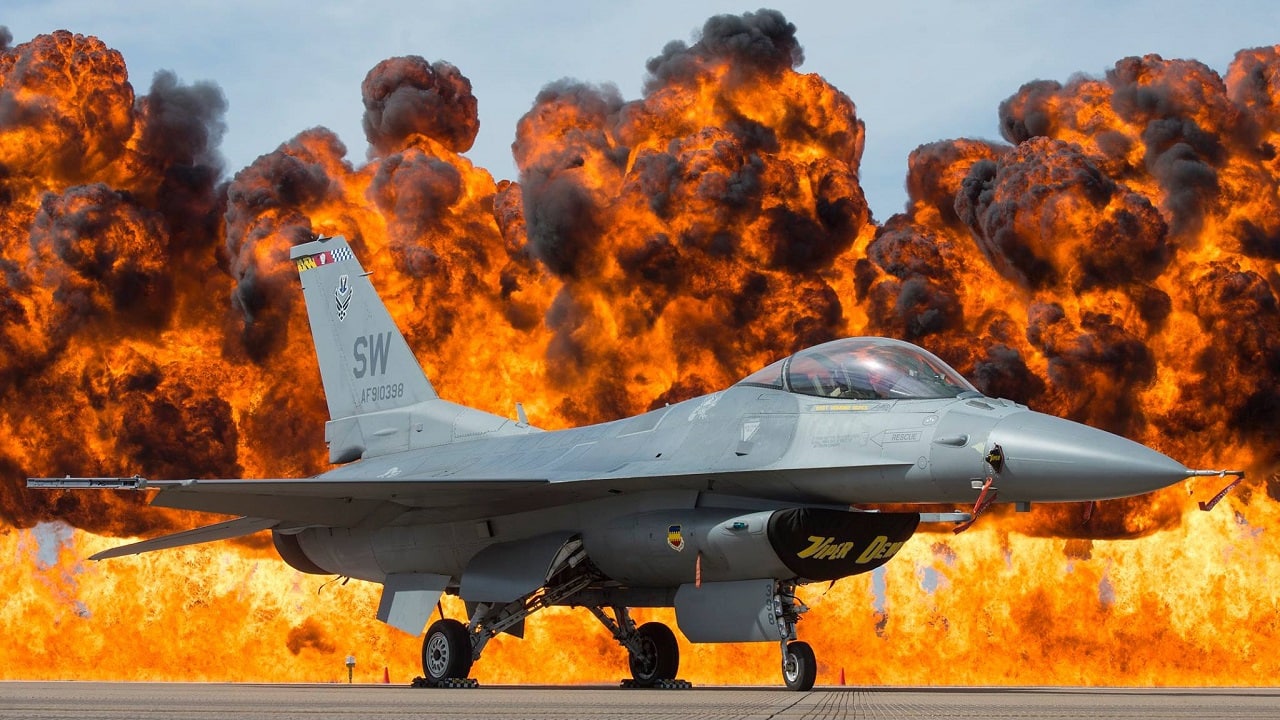
U.S. Air Force Staff Sgt. Jason Lewey from the 8th Aircraft Maintenance Squadron marshals an F-16 Fighting Falcon from the 35th Fighter Squadron at Kunsan Air Base, South Korea, after returning from a training mission during RED FLAG-Alaska 09-2 at Eielson Air Force Base, Alaska, on April 20, 2009. RED FLAG-Alaska provides training for deployed maintenance and support personnel in sustainment of a large-force deployed air operation. (DoD photo by Senior Airman Jonathan Snyder, U.S. Air Force. (Released))
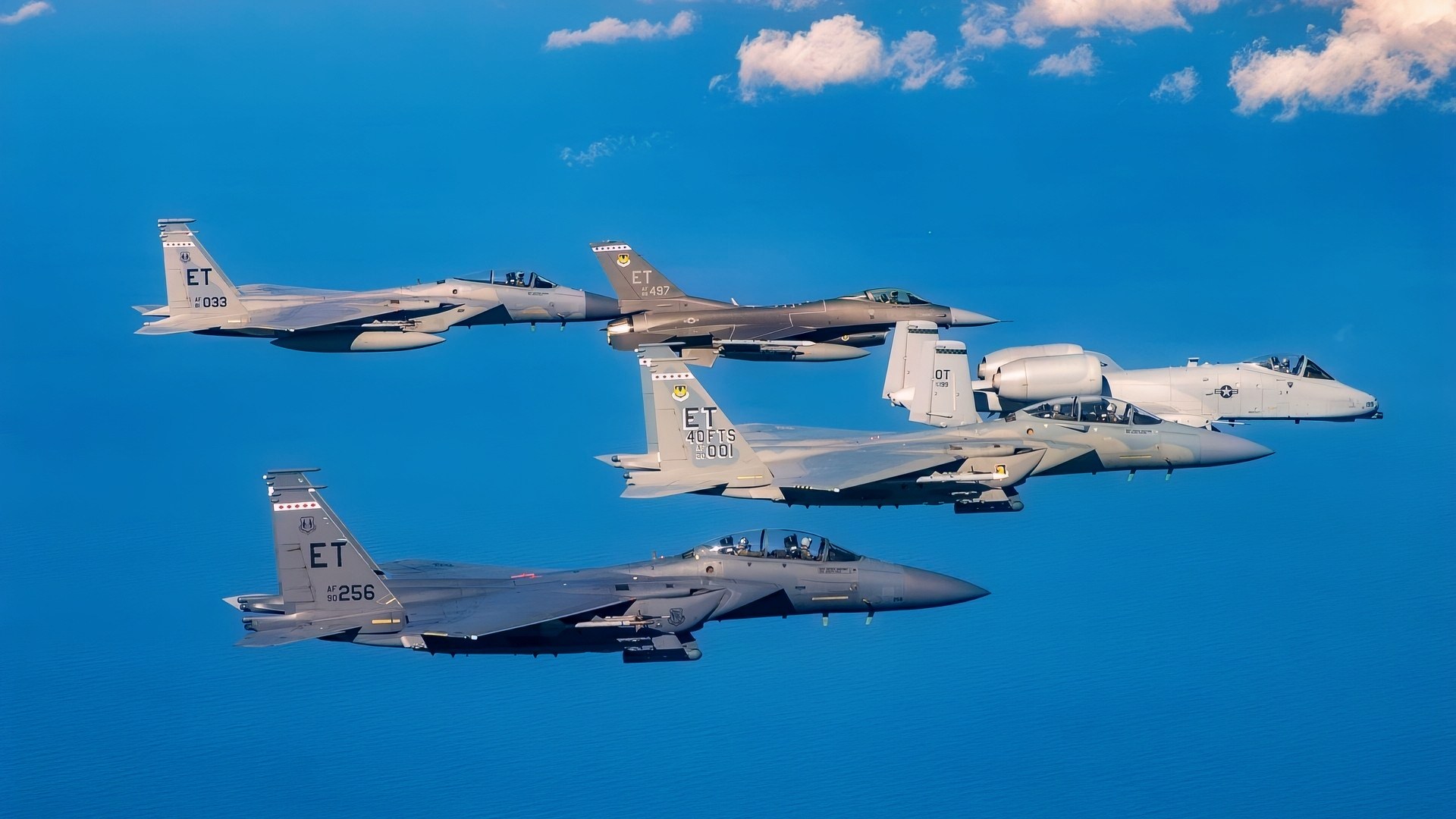
A formation of 4th generation fighter jets from the 40th Flight Test Squadron flies near Eglin Air Force Base, Fla, Jan. 31, 2022. The 40th FLTS executes developmental flight tests for fourth generation fighter aircraft to include the A-10, F-15 and F-16. (U.S. Air Force photo by Tech. Sgt. John Raven)
US Central Command (CENTCOM) announced Wednesday that American and Saudi aircraft struck what it described as “Iran-aligned terrorists” operating under the direction of Iran’s Islamic Revolutionary Guard Corps (IRGC).
CENTCOM asserted that it targeted key logistics hubs and weapons storage sites that Iranian-backed militias used to attack American troops in the region and Saudi energy infrastructure.
That US-Saudi campaign followed more than 30 IRGC-directed drone attacks over the previous 72 hours. American officials said all of those attacks were unsuccessful.
Iran Launches Missiles
US officials assert that the Iranians attempted to launch a surprise attack in the later hours of Tuesday. But CENTCOM stated that they successfully intercepted every Iranian missile and drone before they reached their intended targets.
Concerns have been raised among military planners about the rapidly depleting stockpiles in the US defensive inventory.
Saudi Arabia Intervenes
The Kingdom of Saudi Arabia has confirmed the involvement of its military in the US-led retaliatory strikes after accusing Iran-backed militias operating from Iraqi territory of launching drones against Saudi oil facilities in both the Eastern Province and the Riyadh region earlier this week.
Saudi defense officials claim that the Kingdom exercised its right of self-defense by responding to the Iranian attacks in the manner the Kingdom did.
The joint US-Saudi operation marks one of the most direct Saudi military actions against Iran-backed groups in Iraq since regional hostilities intensified earlier this year, raising regional security concerns.
Iranian-Backed Militias in Iraq Activate
Iraq’s Popular Mobilization Forces (PMF) is an umbrella organization composed largely of Shiite militias that have been incorporated into Iraq’s official security apparatus and reported significant losses from the strikes.
Per the PMF’s own accounting, at least 20 of its fighters were killed, with another 32 wounded, after bases were struck in Baghdad, Wasit, Nineveh, Kirkuk, Karbala, and Diyala provinces. The deadliest attacks, though, occurred in Nineveh and Diyala.
The PMF technically operates as part of the Iraqi Armed Forces. But several of the group’s largest factions maintain close ties to Iran and have repeatedly launched attacks against US military personnel stationed in Iraq. Washington has repeatedly struck those groups over the years.
The increasing involvement of pro-Iran factions in the PMF suggests a risk of regional escalation, which may concern the audience about broader instability.
Diplomatic Pause Is Over
This renewed fighting occurred just two days after President Trump mentioned ‘very friendly negotiations’ over the Strait of Hormuz, underscoring the fragile hope for de-escalation in the region.
At the time, neither side had exchanged military strikes for three days following nearly two weeks of continuous attacks.
That temporary lull followed 13 straight nights of American bombing campaigns targeting Iranian military infrastructure, weapons facilities, and missile sites. Washington says that those operations were meant to reduce Iran’s ability to threaten commercial shipping through the Strait.
Iran retaliated with drone and missile strikes across the region.
Oil Prices Rising Again? The Trend Lines Look Bad
Financial markets reacted quickly to the renewed fighting.
Brent Crude Oil rose roughly 4.3 percent during Asian trading to $87.70 per barrel, while West Texas Intermediate climbed 4.2 percent to $82.62.
Those gains reflected concerns that US military operations around the Strait could further disrupt one of the world’s most important energy shipping routes. The waterway has remained heavily restricted since the war between the US and Iran began at the end of February. However, markets are not yet pricing in long-term volatility in their energy pricing.
As this crisis unfolds and the oil markets appear completely untethered from the harsh geopolitical realities of the moment, the Iranians continue to squeeze the Strait. So, too, Iranian proxies, like the Houthis, continue disrupting shipping in the Red Sea region.
And while energy flows in the region remain disrupted, the world’s great powers in possession of Strategic Petroleum Reserves (SPRs), such as the United States, continue depleting their reserves — meaning that, soon, no amount of wishful thinking among investors will keep energy prices down.
The latest escalation coincided with Israeli Prime Minister Benjamin Netanyahu’s visit to Washington, where he met with President Trump at the White House and attended the funeral of Sen. Lindsay Graham (R-SC), a longtime hawk on Iran.
About the Author: Brandon J. Weichert
Brandon J. Weichert is Senior National Security Editor. He also manages The Weichert Brief on Substack. Weichert also hosts “National Security Talk” on Rumble. He is the author of four bestselling national security books, the most recent of which is A Disaster of Our Own Making: How the West Lost Ukraine (Encounter Books). Follow him via Twitter/X @WeTheBrandon.


